






Jánská Palace
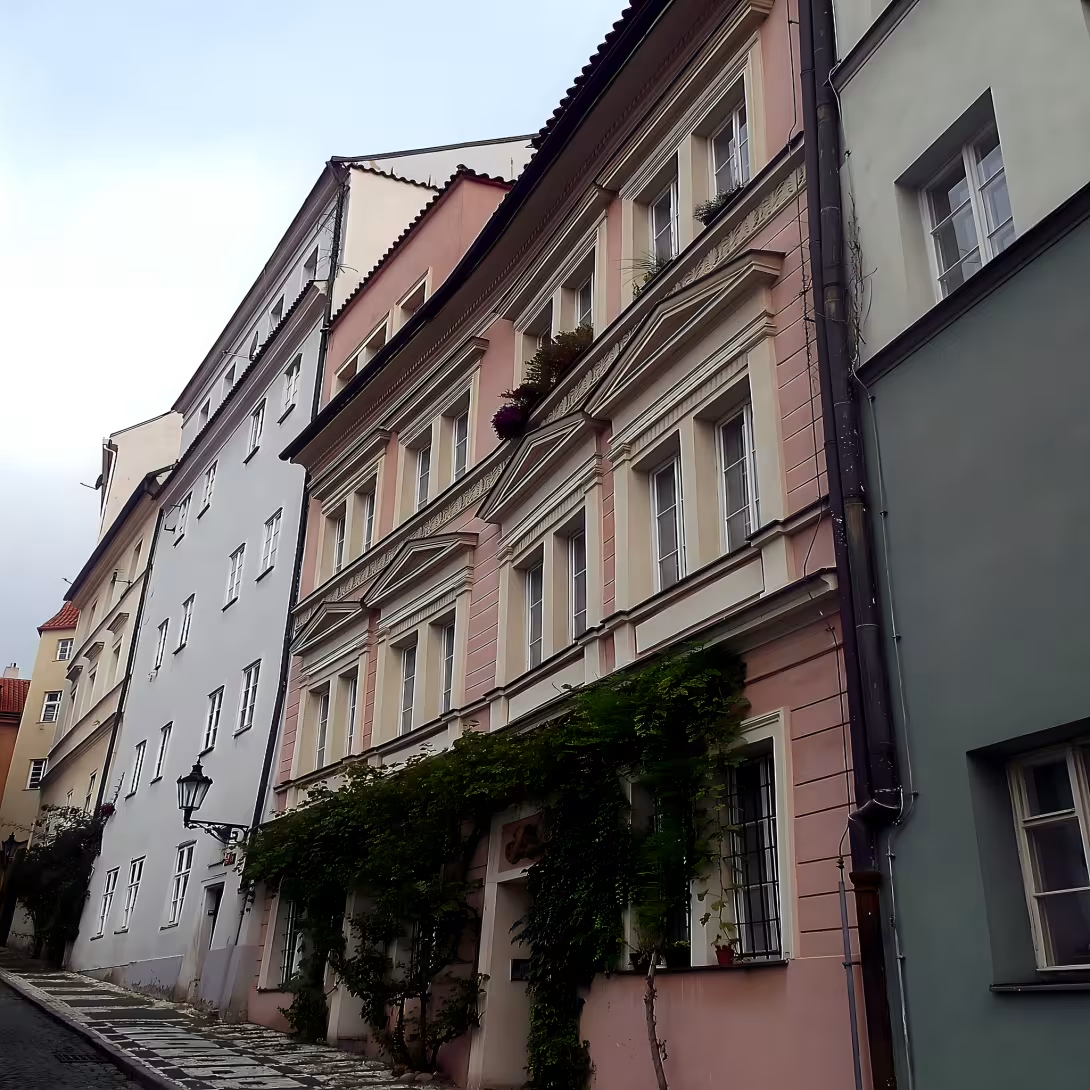
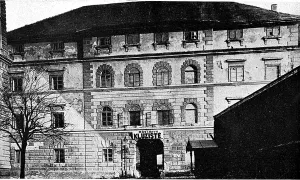
Jánská Street in Prague's Malá Strana district is home to the Bretfeldovský Palace, a historically significant baroque-style building renowned for its cultural contributions during the 18th century. Acquired by Josef Bretfeld z Kronenburku in 1765, this palace became a vibrant social hub, hosting balls and concerts attended by notable figures such as Wolfgang Amadeus Mozart and Giacomo Casanova. Situated near landmarks like the Klementinum Library and the Church of Our Lady before Týn, Jánská Street is a focal point for those exploring Prague's dynamic cultural heritage.
The Bretfeldovský Palace originally formed part of an estate associated with St. John's Church. Under Josef Bretfeld z Kronenburku’s ownership in 1765, it underwent significant transformation into a baroque-style cultural center. This development reflected the architectural and social trends of mid-18th century Prague, a period marked by increased patronage of the arts under Habsburg rule. The palace's evolution during this time mirrored broader European Enlightenment influences, contributing to its historical significance.
Josef Bretfeld z Kronenburku played a pivotal role in establishing the palace as a cultural hub. His acquisition and subsequent transformation of the site into a venue for social gatherings underscored his influence on Prague’s cultural landscape. The prominence of the palace was further highlighted by events attended by renowned figures such as Mozart and Casanova, who frequented its halls during this vibrant period.
Today, the Bretfeldovský Palace stands as a testament to its rich historical past. While specific architectural details are not extensively documented, its baroque style remains evident in the structure's design elements. Visitors can explore the area around Jánská Street, which continues to showcase Prague’s historic architecture and cultural sites within walking distance.
The Bretfeldovský Palace is a valuable part of Prague’s historical narrative, offering insights into 18th-century social life and cultural development. Its proximity to other significant landmarks makes it an accessible destination for those interested in exploring the rich history of Malá Strana. The palace's legacy as a center of artistic and social gatherings during its heyday continues to attract visitors eager to connect with Prague’s storied past.
The Bretfeldovský Palace remains a cherished historical monument, inviting visitors to delve into its storied past and appreciate its role in shaping the cultural fabric of 18th-century Prague. Its enduring legacy as a hub for notable figures and events makes it an essential stop for anyone exploring the historic charm of Malá Strana.
Then and now
Drag the slider to compare how the landmark may have looked when it was built with the view today.
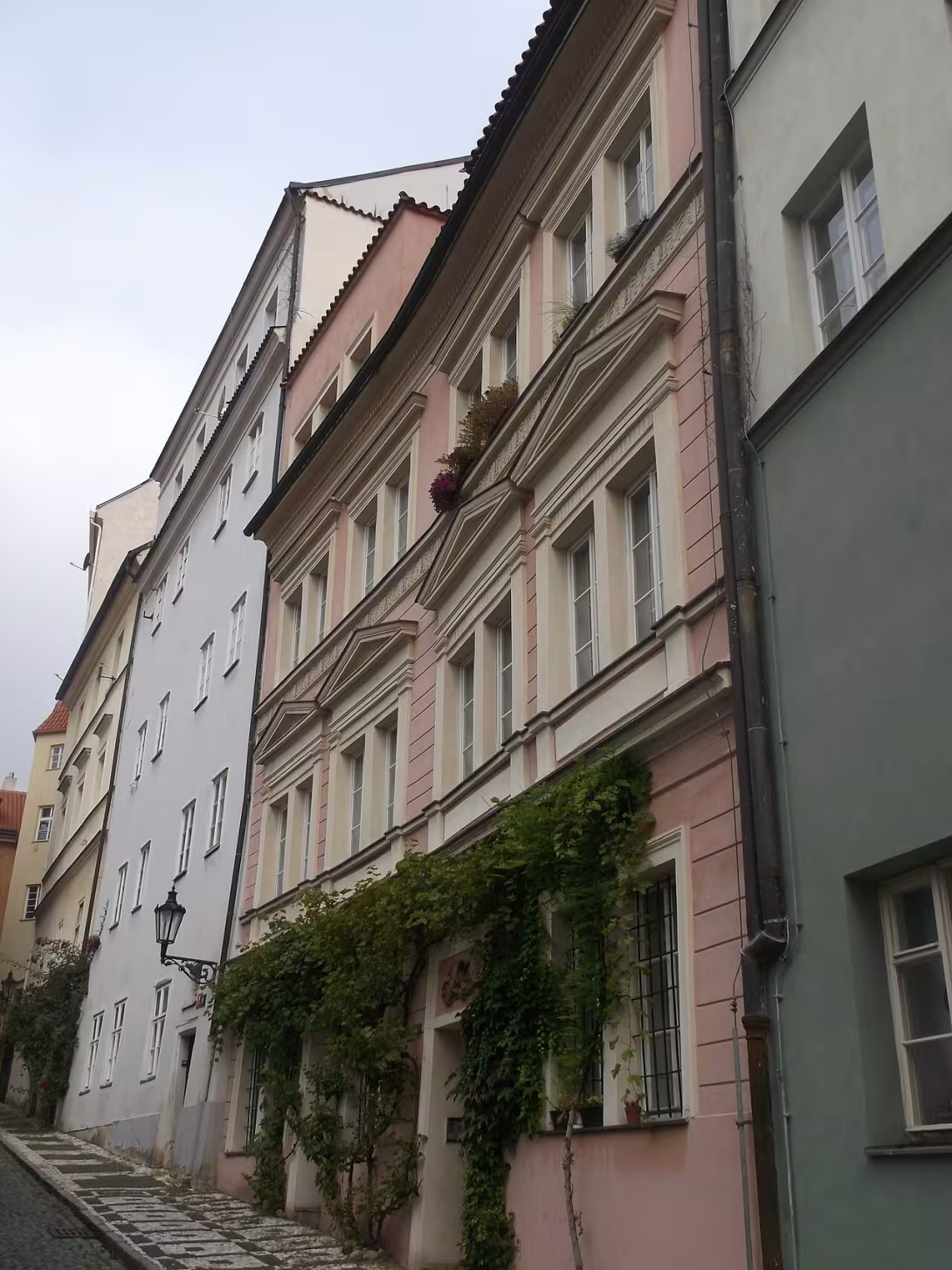
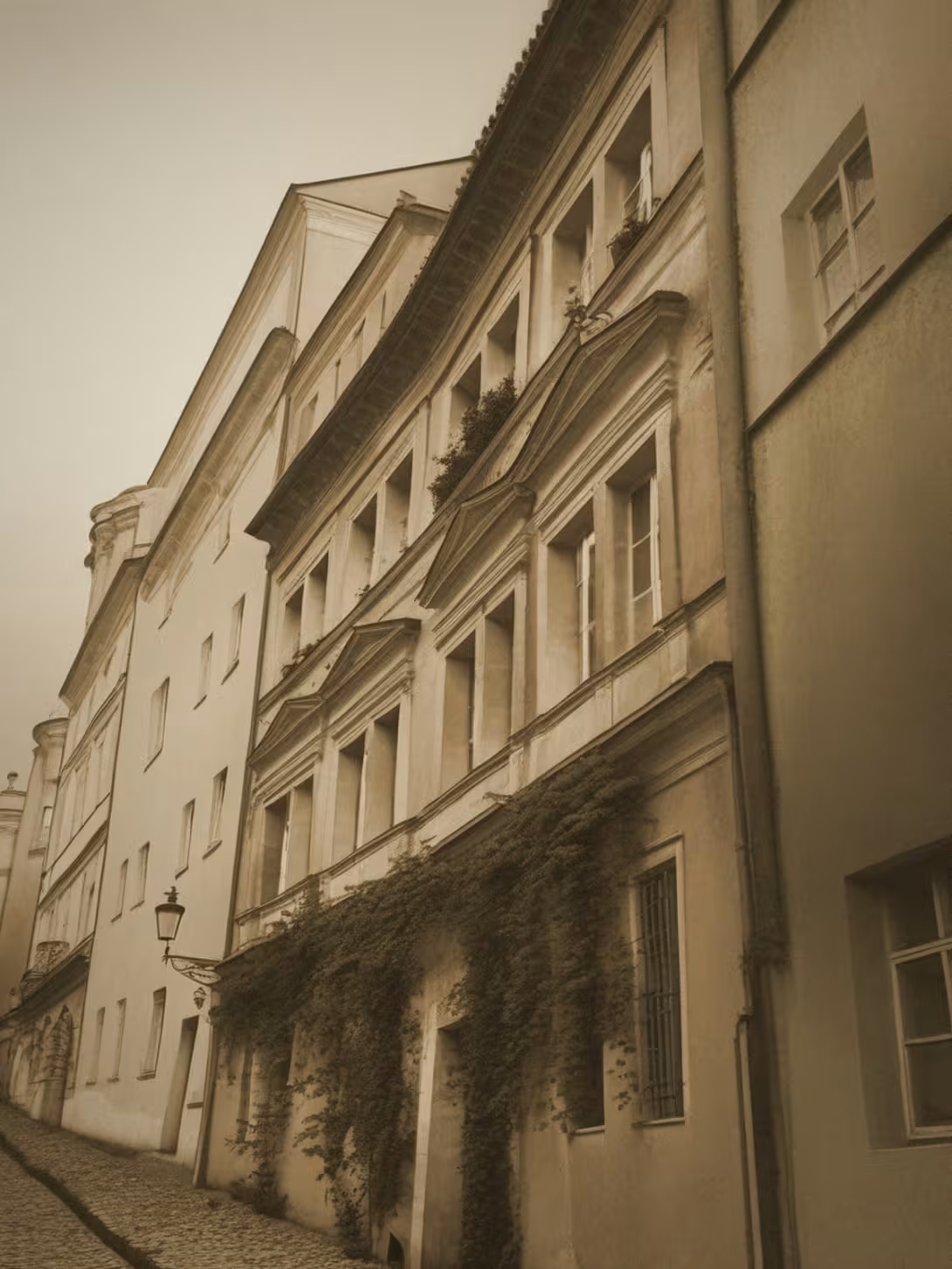
The historical appearance on the left is an AI-generated visualisation and serves as inspiration only.
Historical milestones
- kolem 1350
- Založení Jánské farnosti a souvisejícího majetku
- 1765
- Převzetí paláce Josefovem Bretfeldem z Kronenburku
- 18. století
- Transformace na barokní kulturní centrum
- 1765
- Zahájení významných společenských akcí
- 18. století
- Návštěvy Wolfgangem Amadeusem Mozartem a Giacomem Casanovou
Architectural development
Originally part of an estate associated with St. John's Church, the Bretfeldovský palác underwent significant transformation under Josef Bretfeld z Kronenburku in the mid-18th century. It was developed into a baroque-style cultural center, reflecting the architectural and social trends of the era.
Historical events
In 1765, Josef Bretfeld z Kronenburku acquired the palace and established it as a cultural hub.
The palace hosted events attended by notable figures such as Wolfgang Amadeus Mozart and Giacomo Casanova.
Owners
The Bretfeldovský palác was purchased in 1765 by Josef Bretfeld z Kronenburku, who transformed it into a prominent social venue.
Points of interest
- Despite its current status as a historical monument, the Bretfeldovský Palace was once part of an estate linked to St. John's Church, hinting at a religious connection that predated its transformation into a cultural hub.
- The palace’s baroque style reflects not only local architectural trends but also broader European Enlightenment influences, indicating how Prague was integrated into wider cultural movements during the 18th century.
- While specific details of the palace's architecture are sparse, it is known for hosting events attended by figures like Mozart and Casanova, suggesting its interiors were designed to accommodate grand social gatherings typical of the era.
- The acquisition and transformation of the Bretfeldovský Palace by Josef Bretfeld z Kronenburku in 1765 marked a pivotal moment in Prague’s cultural history, as it became a focal point for artistic patronage under Habsburg rule.
- Today, visitors can explore Jánská Street, where the palace stands near landmarks like the Klementinum Library and the Church of Our Lady before Týn, offering a glimpse into the interconnectedness of Prague’s historical sites.
Guide
This guide is narrated by a synthetic voice generated by artificial intelligence.
Show guide text
This text was created by artificial intelligence and has not been editorially reviewed. It may contain inaccuracies.
Welcome to the heart of Prague's Malá Strana district where history and culture intertwine before your eyes at Jánská ulice. You're standing in front of the Bretfeldovský Palác, a remarkable testament to the area's rich past and vibrant cultural life. As you adjust your headphones, let this audio guide transport you through time.
The story of this site begins around 1350 with the founding of Jánská farnost and its associated properties. This period marked the beginning of what would become a significant historical and social hub in Prague. Fast forward to 1765, when Josef Bretfeld z Kronenburku acquired the palace, marking the start of an era that would see it transform into a baroque cultural center.
As you stand here, take a moment to observe the architectural essence surrounding you. The palác's design is a reflection of the baroque style, indicative of local trends during its transformation in the 18th century. While the exact architects remain unknown, their vision brought forth a space that would host balls, concerts, and social gatherings attended by luminaries such as Wolfgang Amadeus Mozart and Giacomo Casanova.
These figures are not just names; they're part of the palác's living history. Imagine Mozart composing amidst these walls or Casanova weaving tales in hushed tones during one of its many soirées. Their presence here adds a layer of intrigue to your visit, connecting you with moments that have shaped cultural narratives across centuries.
One fascinating aspect of this site is its connection to St. John's Church, hinting at a religious lineage that predates its days as a cultural beacon. This blend of sacred beginnings and secular prominence paints a picture of evolution, from spiritual roots to becoming a hub for the arts and social interaction in 18th-century Prague.
As you conclude your visit to Bretfeldovský Palác, let the stories and spirits of those who walked these halls inspire you to explore further. The streets of Malá Strana hold many more tales waiting to be discovered. Thank you for joining us on this journey through time, and may your curiosity lead you to uncover even more hidden gems in Prague's storied landscape.
Tips for visitors
The best time to visit Jánská (palác) is during the late spring or early fall when the weather is pleasant, allowing you to comfortably explore both the palác and its surroundings. These seasons offer mild temperatures and fewer crowds compared to summer peak tourist times. Additionally, visiting in these months provides an opportunity to enjoy outdoor events and cultural activities that often take place around this historic area.
Transportation options for reaching Jánská ulice are convenient; you can easily access the location by public transport or car. The nearest metro station is Malostranská on Line A, which places you within walking distance of the palác. For those driving, there are several parking facilities in the vicinity, though it's advisable to check for availability as spaces can be limited during busy times. Always verify current routes and schedules using a local transportation app or website.
When planning your visit, consider bringing comfortable walking shoes, especially if you intend to explore nearby attractions like Klementinum Library and the Church of Our Lady before Týn. A camera is also recommended for capturing the stunning architecture and vibrant atmosphere of Malá Strana. Don't forget a light jacket or umbrella in case of sudden weather changes typical of Prague.
Photography enthusiasts will find Jánská ulice particularly rewarding during the golden hours, early morning or late afternoon, when the soft lighting enhances the historic facades. The best spots for capturing the palác include viewpoints from nearby streets that offer a clear view of its architecture against the backdrop of the city skyline. Additionally, exploring the area around Klementinum Library can provide unique perspectives and compositions.
For families with children, Jánská ulice offers a delightful experience with plenty to see within walking distance. The Church of Our Lady before Týn is an engaging site for kids interested in history or architecture. Additionally, the nearby Charles Bridge provides opportunities for leisurely walks and exploration, making it easy to spend a day enjoying various attractions without needing extensive travel.
Businesses nearby
Do you run a restaurant, accommodation, shop, museum, rental, wellness or other visitor service near this monument? Show yourself directly to the people heading to it — this is how they will see you in the app and on the web:
Events nearby

Zdroj akcí: otevřená data měst a obcí ČR (Národní katalog otevřených dat) a kalendář akcí Národního památkového ústavu.
Nearby
Jánská ulice is located in Prague's Malá Strana district, known for its historic architecture and proximity to landmarks such as Klementinum Library and the Church of Our Lady before Týn. The area features a blend of cultural sites within walking distance.
Accommodation nearby
Trips and activities nearby
Guided tours, tickets and activities nearby from GetYourGuide
Affiliate link: if you buy from the partner, we may receive a commission. The price for you does not change.
Search tours and activities →Themed route
Thematic Walking Tour: Discovering the Heart of Malá Strana
1. Jánská (Palác) - Type: Historical Palace - Why Visit: Begin your journey at Jánská, a splendid example of Baroque architecture that once served as a residence for aristocratic families. The palace is renowned for its stunning façade and intricate interior design, offering a glimpse into the opulent lifestyle of Prague's elite in bygone eras.
2. Klementinum Library - Type: Historic Library - Why Visit: A short walk from Jánská will bring you to the Klementinum Library, one of Europe’s most beautiful libraries. Its grand hall is adorned with frescoes and an impressive collection of books, making it a must-visit for history buffs and literature enthusiasts alike.
3. Church of Our Lady before Týn - Type: Gothic Church - Why Visit: Continue your exploration to the Church of Our Lady before Týn, known for its towering spires that dominate the skyline of Malá Strana. The church is a masterpiece of Gothic architecture and houses impressive sculptures and historical artifacts.
4. Jánské Náměstí (Jan's Square) - Type: Historic Square - Why Visit: Conclude your tour at Jánské Náměstí, the charming square that lies between the palace and the church. This picturesque spot offers a perfect setting to reflect on the rich history you've just experienced while enjoying local cafes or street performers.
This walking tour provides an immersive experience into the heart of Malá Strana, showcasing its architectural beauty and historical significance within a short, convenient route.
Seasonal recommendations
Spring: The arrival of spring breathes new life into Jánská Palace, with the Malá Strana district blooming in a palette of vibrant colors as cherry blossoms and tulips dot the landscape. This season offers a unique atmosphere where natural beauty complements historical architecture, creating an enchanting setting for visitors. As daylight extends, it's best to explore during late morning or early afternoon when the light is soft but bright enough to illuminate architectural details. While crowds are moderate, wearing comfortable shoes and layers can help you navigate comfortably as temperatures fluctuate.
Summer: Summer at Jánská Palace is characterized by long days filled with warm sunlight that highlights the intricate stonework of this historic site. The lush greenery around Malá Strana provides a picturesque backdrop, making it an ideal time for photography enthusiasts. With Prague's high tourist season in full swing, arriving early in the morning can help you avoid larger crowds and enjoy a more serene experience. Light clothing is recommended to stay cool, and carrying water is advisable as temperatures can rise significantly.
Autumn: Autumn transforms Jánská Palace into a tapestry of reds, oranges, and yellows, offering a stunning contrast against the historic architecture. The cooler weather makes for comfortable exploration, with fewer tourists compared to summer months. This season's softer light in the late afternoon provides an ideal setting for capturing the palace’s beauty on camera. It's advisable to wear layers as temperatures can vary throughout the day, and carrying a light jacket is recommended for the evenings.
Winter: Winter at Jánská Palace presents a magical atmosphere with snow-dusted surroundings that enhance its historical charm. The shorter days mean visiting in the morning or late afternoon when there’s still enough daylight to appreciate the details of the architecture. As Prague becomes a popular winter destination, especially during holiday markets and festive events, it's wise to plan visits on weekdays to avoid larger crowds. Dress warmly with thermal layers, hats, gloves, and waterproof boots to ensure comfort while exploring this enchanting site in the colder months.
Visualizations and artistic views


The visualisations are generated by artificial intelligence and serve as inspiration.
Photos from the area
Real photos taken near the monument

Zdroj a licence jsou uvedeny u každého snímku.
Tips from visitors
No tips yet. Be the first!
Log in and add your tip.
Sources and literature
Photos: JiriMatejicek / CC BY-SA 4.0, rozlišení zvýšeno umělou inteligencí — Wikimedia Commons. The author and licence also appear when you hover over the image.
Location on the map

Příběhy a pověsti
Legendy, pověsti a příběhy spjaté s touto památkou

Fotografie návštěvníků
Zatím žádné fotografie. Buďte první, kdo přidá fotografii z návštěvy!
Log in a přidejte svou fotografii nebo hodnoťte.
Za ověřenou návštěvu v aplikaci získáte víc bodů — poznáme podle GPS, že jste na místě.
Reviews and comments