



Benediktinský klášter v Polici nad Metují Monastery
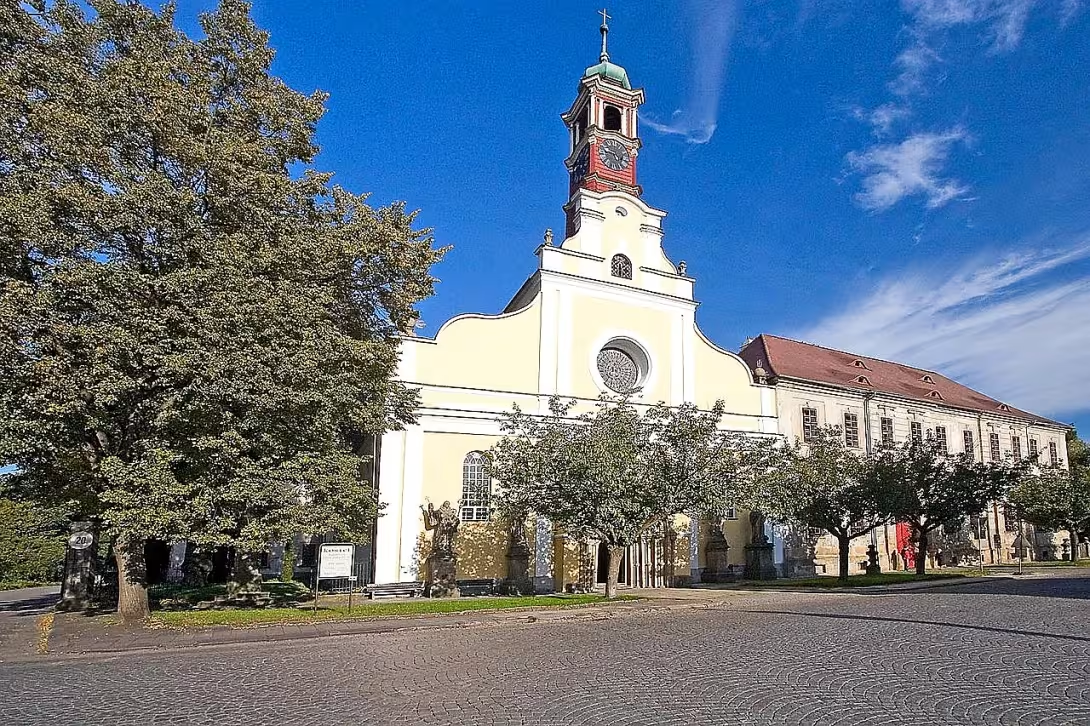
Benediktinský klášter v Polici nad Metují is a Gothic building from the 14th century. Located in the village of Police nad Metují in the district of Náchod in the Králové Hradec region. This protected cultural monument forms its core of the area of Benedict Probostness.
The building is registered in the register of cultural monuments under the number 37069 / 6-1843 and is located at Komenský Square 1. There are limited reports on the oldest history and specific circumstances of creation in the available documents. However, it is documented that the construction comes from the period of goth.
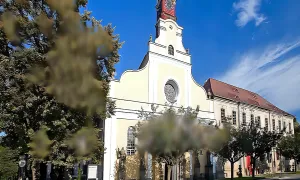
From the point of view of architecture, the complex consists primarily of a large early Gothic church with an important main portal. In addition to the Gothic core, the complex also includes buildings from the late Baroque period and surrounding fences.
The current state of the monument makes a significant architectural complex within the district of Náchod. The combination of early Gothic elements and later Baroque supplements provides a clear overview of the development of this probostness.
The monastery in Police nad Metuji presents an authentic example of medieval sacral architecture. The visit to the complex allows you to study the details of the Gothic portal and baroque elements within one complex.
Then and now
Drag the slider to compare how the landmark may have looked when it was built with the view today.
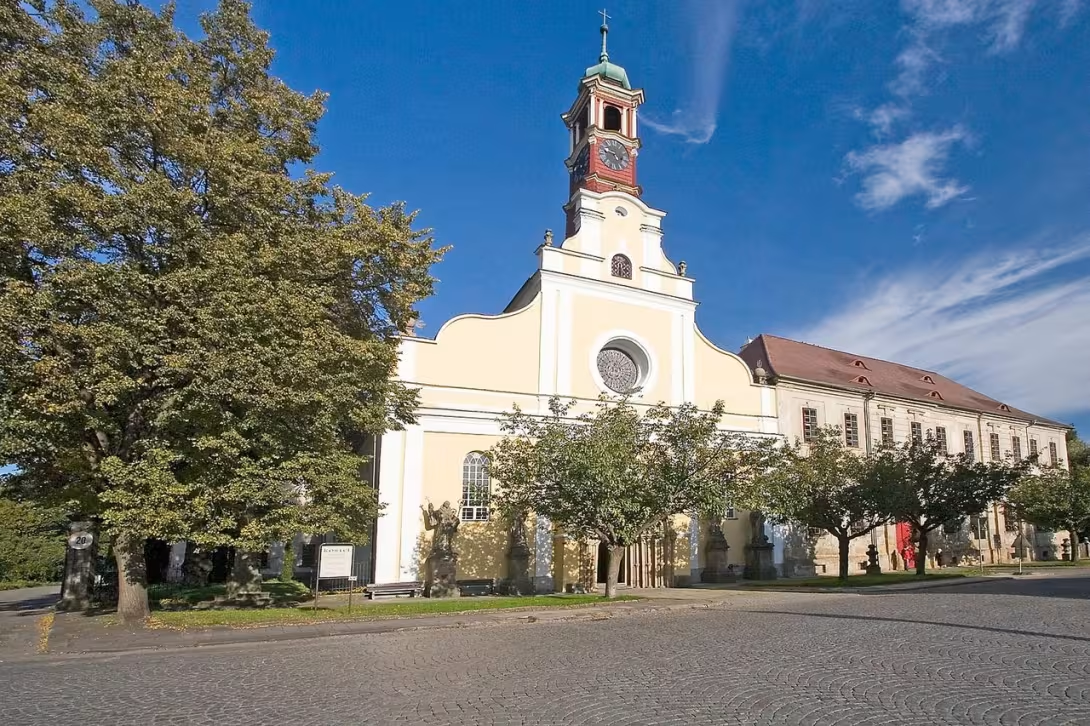

The historical appearance on the left is an AI-generated visualisation and serves as inspiration only.
Historical milestones
- 14th century
- The creation of an early Gothic core and church
- around 1750
- Building-up in the late Baroque period
Architectural development
The monastery was built in Gothic style in place of an older Romanesque church.
Historical events
- 1250
- Establishment of a monastery
- 14.0
- Status of the Gothic building
Owners
benedictini
Points of interest
- It's a Gothic building from the 14th century, the core of which is the area of the Benedict Probostness. - The area consists mainly of a large early Gothic church with an important main portal. - The complex includes in addition to the Gothic core and the building from the late Baroque period and the fence. - The construction represents an authentic example of medieval sacral architecture. - The combination of early Gothic elements and baroque accessories provides an overview of the development of the proboscis.
Guide
This guide is narrated by a synthetic voice generated by artificial intelligence.
Show guide text
This text was created by artificial intelligence and has not been editorially reviewed. It may contain inaccuracies.
Welcome to the Police over Metamite. Right now you're standing in front of a place that carries a silent reflection of ancient times. A protected cultural monument, which is a solid part of the region of Králové Hradec, is situated in front of you. If you look at it now, first of all, feel the calm and belonging to the surrounding city. It's a space that, at first glance, welcomes you with the kindness and sense of stability that only the old walls can radiate.
Stop for a moment and just feel the atmosphere of this place. The Benediktin monastery here in Police nad Metuji served as a centre of spiritual life and education. Although the exact date of its creation remains in the fog of time and we do not know exactly who was its founder, it is clear that this site was built with a deep purpose. Monasteries of this type were in the past islands of culture and order in a often unpredictable world. The monks lived here according to strict rules, devoted themselves to prayer and work, bringing stability and development to the whole region.
Now pay attention to the construction itself. Look at the facade and note the overall layout of the complex. Even though we don't know the names of the architects who designed these walls, we can see they were people who understood space and functionality. Look at the lines of buildings and how they're entered into the area. Notice how individual parts of the complex are distributed. It is in this simplicity and balance that lies the power of this place. Do not look here for unnecessary ornaments, but rather perceive the sense of security and closure that the monastery space naturally creates. It's a space for inner calming and contemplation.
When we think about the people who worked here, we have to acknowledge that history is silent about the specific names of the personalities that would be associated with this particular place. And yet it's fascinating. Imagine the hundreds of unknown monks who have walked the same paths here for centuries as you. Each one of them brought his own faith, his hopes and his sorrows. Even if we don't know their names, their presence in these walls is still felt. Every stone you see was probably touched by the hands of people who believed in something greater than themselves. It is this anonymity that gives the memory some kind of mystery and universality.
Now let's think about what's left of this place and what's left behind. Perhaps it is the fact that we do not know for sure about the many details of this monastery. Nowadays, when everything is written in archives and digital records, this quiet place is almost a miracle. The mystery of this place lies not in some dramatic story or hidden treasure, but in the silence of time itself. It is a space where history has become part of the landscape and where you can find your own answers in silence.
Notice how the light hits the site wall. Feel how the sound of the city in Police over Metamite changes as you approach these historic buildings. It's like you crossed an invisible line between today's hurried world and the time when the rhythm of the day was determined by a bell for prayer and sunrise.
Now that you've seen the exterior of this protected area, I suggest you let your own curiosity guide you. Take a look around, see the texture of the walls and explore how this area connects to the surrounding city. Let yourself be filled with the room that the Benedict spirit naturally carries with you.
Thank you for spending time with us with this silent witness in history. We hope that a visit to the Benedict monastery in Police nad Metátij enriched you and that you found some peace in this place. We wish you a pleasant continuation in discovering the beauty of the Royal Hradec Region. Goodbye.
Tips for visitors
The best time to visit are spring and autumn months, when the colors of nature around Police nad Metují complement the historical atmosphere of the complex. Transport to the village is possible by car and public connections; Check specific routes and connections in current search engines.
When walking we recommend to take comfortable shoes suitable to the historical centre and plenty of water. Since it is a sacral area, we recommend a siege that is suitable for visiting a religious place.
For the best photos we recommend using the morning or late afternoon light to highlight the details of the facades and architecture of the monastery. The most interesting views offer the surrounding streets and views of the area itself from the outside.
Families with children will appreciate a walk through the city and exploring history within the monastery area. Since there are no other targets in the list of surrounding areas, we recommend focusing on the survey of the Police nad Metují centre itself.
Frequently asked questions
Can the monument be visited?
Religious buildings are usually open mainly during services; at other times a visit is normally arranged with the parish or the operator. We have not verified specific times.
Where is the monument?
Location: Komenského náměstí 1, Police nad Metují, Královéhradecký kraj. The map on this page shows the exact spot.
Why is the monument protected?
It is listed in the Central List of Cultural Monuments of the Czech Republic as a cultural monument (register no. 37069/6-1843).
For kids
Imagine going back to the past. You're standing on a hill and in front of you lies the city of Pošèka, but that's not all - in its midst is a beautiful monastery. Where are you? In the monastery of Poščka! And what's most interesting here?
It was like in a game where we imagined we were somewhere completely different from history. But now it's come true. Imagine being a little monk and living in this beautiful monastery. Who wouldn't want to be a monk? You live in a community with other brothers who are like your family.
Businesses nearby
Do you run a restaurant, accommodation, shop, museum, rental, wellness or other visitor service near this monument? Show yourself directly to the people heading to it — this is how they will see you in the app and on the web:
Events nearby
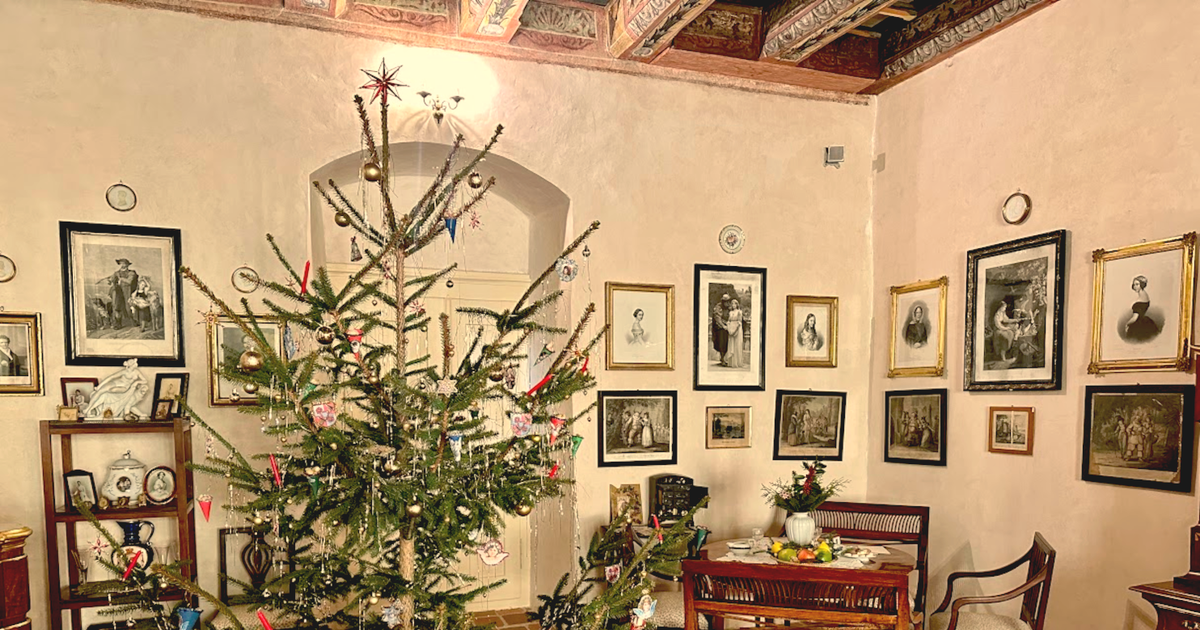
Zdroj akcí: otevřená data měst a obcí ČR (Národní katalog otevřených dat) a kalendář akcí Národního památkového ústavu.
Nearby
Polic nad Metují
Accommodation nearby
Themed route
Here is the route design within the area:
1. Benediktinský klášter v Polici nad Metují (main building) - The heart of the complex where you can admire architecture and spiritual atmosphere. 2. Monastic courtyard - Open space for a peaceful walk and a view of the inner sides of the buildings. 3. Monasteries Tower - Outlook section, which offers a beautiful overview of the surrounding landscape. 4. Monastic exposition - Exhibition space with information about the history and life of monks. 5. Monastic park - A garden designed to rest and quiet contemplation in nature.
Seasonal recommendations
In spring the area of the monastery awakens to life and the landscape around Police nad Metují green. The soft spring light highlights the details of the facade and the blooming trees give the place a fresh atmosphere. We recommend shoes suitable for wet terrain and light coating of clothing, because the wounds can still be cold. It is best to visit the memory in the morning when the air is the cleanest.
Summer brings bright sun and rich colors of surrounding nature. The atmosphere is warm and the monument works in full light very monumentally. In the main summer season it is advisable to choose light and breathable clothes and not forget the sun protection. The ideal time for visiting is early morning or late afternoon to avoid the greatest heat.
The autumn landscape in the Králové Hradec region is painted in gold and red shades, creating a melancholy and romantic background for historical construction. The low sun hits the wall at a sharp angle and creates deep shadows. It is advisable to carry a waterproof coat or sweater. We recommend walking in October when the colored trees are in the greatest beauty.
Winter covers the monastery with silence and a possible layer of snow that highlights the purity of architectural lines. The atmosphere is quiet and mysterious, especially in advent time. Hot and waterproof clothing, including gloves and hat, is essential to make the visit pleasant. It is best to come in daylight, which takes only a short time in the winter months.
Visualizations and artistic views


The visualisations are generated by artificial intelligence and serve as inspiration.
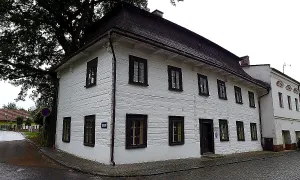
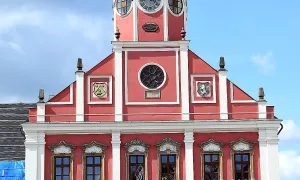
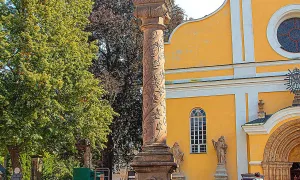
Photos from the area
Real photos taken near the monument


Zdroj a licence jsou uvedeny u každého snímku.
Atmosphere of the place
This atmospheric visualisation of the place and period was generated by artificial intelligence. It is not real footage of the location.
Tips from visitors
No tips yet. Be the first!
Log in and add your tip.
Sources and literature
Photos: Petr1868 / CC BY 3.0 — Wikimedia Commons. The author and licence also appear when you hover over the image.
Location on the map
Příběhy a pověsti
Legendy, pověsti a příběhy spjaté s touto památkou

Fotografie návštěvníků
Zatím žádné fotografie. Buďte první, kdo přidá fotografii z návštěvy!
Log in a přidejte svou fotografii nebo hodnoťte.
Za ověřenou návštěvu v aplikaci získáte víc bodů — poznáme podle GPS, že jste na místě.
Reviews and comments