






Bezemín Archaeological site
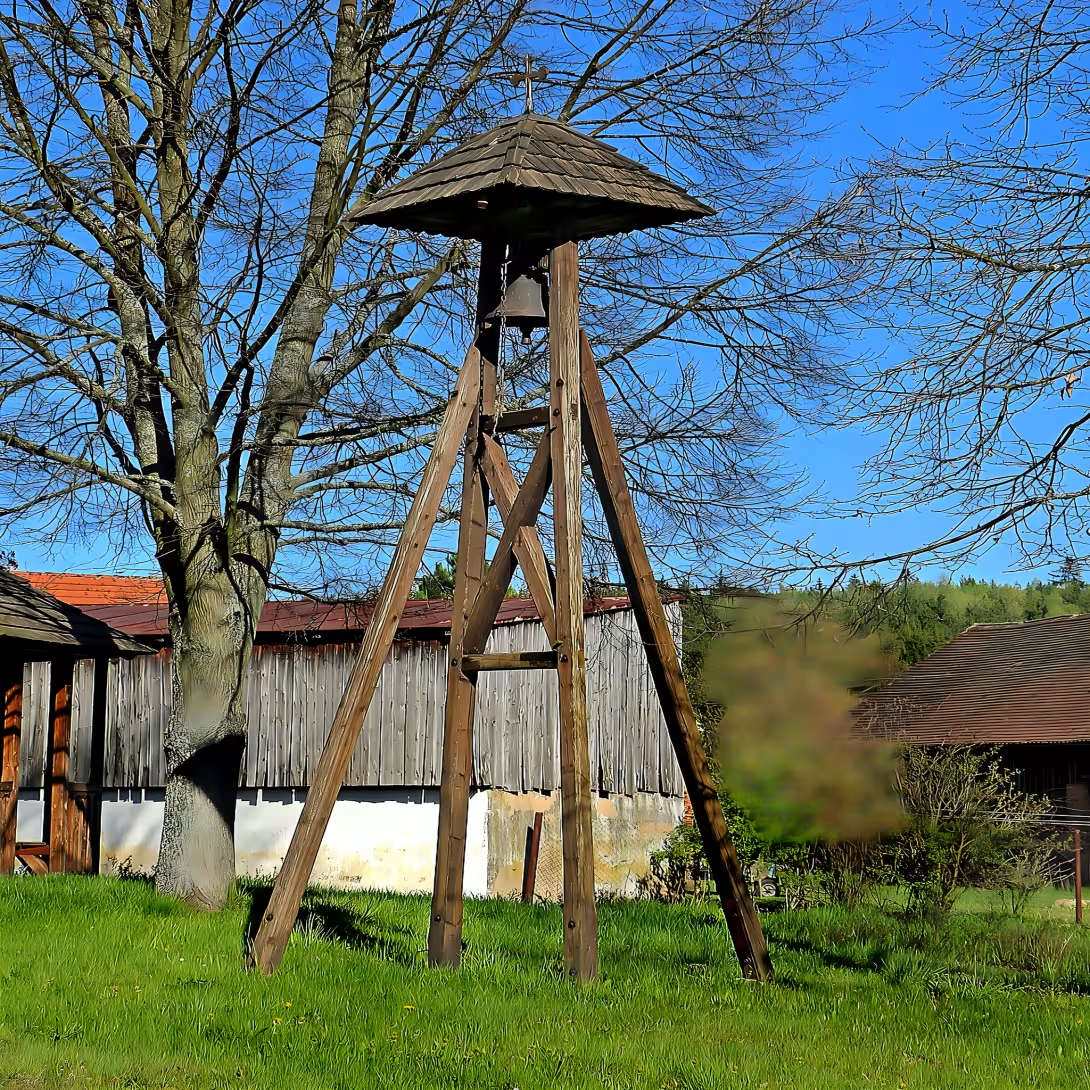
Bezemín is an archaeological site located in the Tachov District of Plzeňský kraj, Czech Republic. It features a Slavic fortification at the confluence of Úterský potok and Hadovka rivers, along with a contemporary barrow cemetery. The site holds significant historical value as it represents both prehistoric and medieval periods in Czech history. Bezemín has been protected as a cultural monument since 1964 and was listed among national cultural monuments in 1995.
The fortification at Bezemín was inhabited from the 8th to the first half of the 9th century, based on ceramic fragments found during excavations. This period aligns with significant Slavic settlement expansion across Central Europe, where various tribes established fortified settlements for protection and control over trade routes. A devastating fire led to the destruction of the fortification at Bezemín, after which it was likely replaced by a nearby fortification at Šipín.
The architecture of Bezemín is notable for its two separate and independently fortified sections built on a plateau surrounded by streams on three sides. The larger section covers an area of 3.75 hectares, featuring remnants of fortifications such as ramparts and ditches. Originally, the rampart was about one meter thick, constructed from dry-laid stones with a wooden structure enclosed by an inner wooden wall filled with clay. Evidence of fire damage is seen in vitrified stones with wood imprints. The site also shows evidence of iron ore mining and processing from the medieval and early modern periods.
Bezemín's barrows are linked by unique earthen ramparts, which are rare in Czechia. These mounds, located approximately 170 meters south of the fortification, form a cemetery containing over forty mounds arranged into four groups. This arrangement reflects the site’s historical significance as both a defensive and ceremonial location.
Today, Bezemín is accessible via a yellow-marked tourist trail from Konstantinovy Lázně, offering visitors a glimpse into its rich past. The site's proximity to the ruins of Gutštejn Castle adds to its appeal for those interested in exploring historical landscapes. Visitors are encouraged to explore this monument not only for its archaeological significance but also as a testament to the cultural and historical developments that have shaped the region.
Bezemín stands as a valuable piece of Czech history, offering insights into the lives and practices of early Slavic communities. Its preservation allows us to connect with our past in a tangible way, making it an essential visit for anyone interested in archaeology or history.
Then and now
Drag the slider to compare how the landmark may have looked when it was built with the view today.
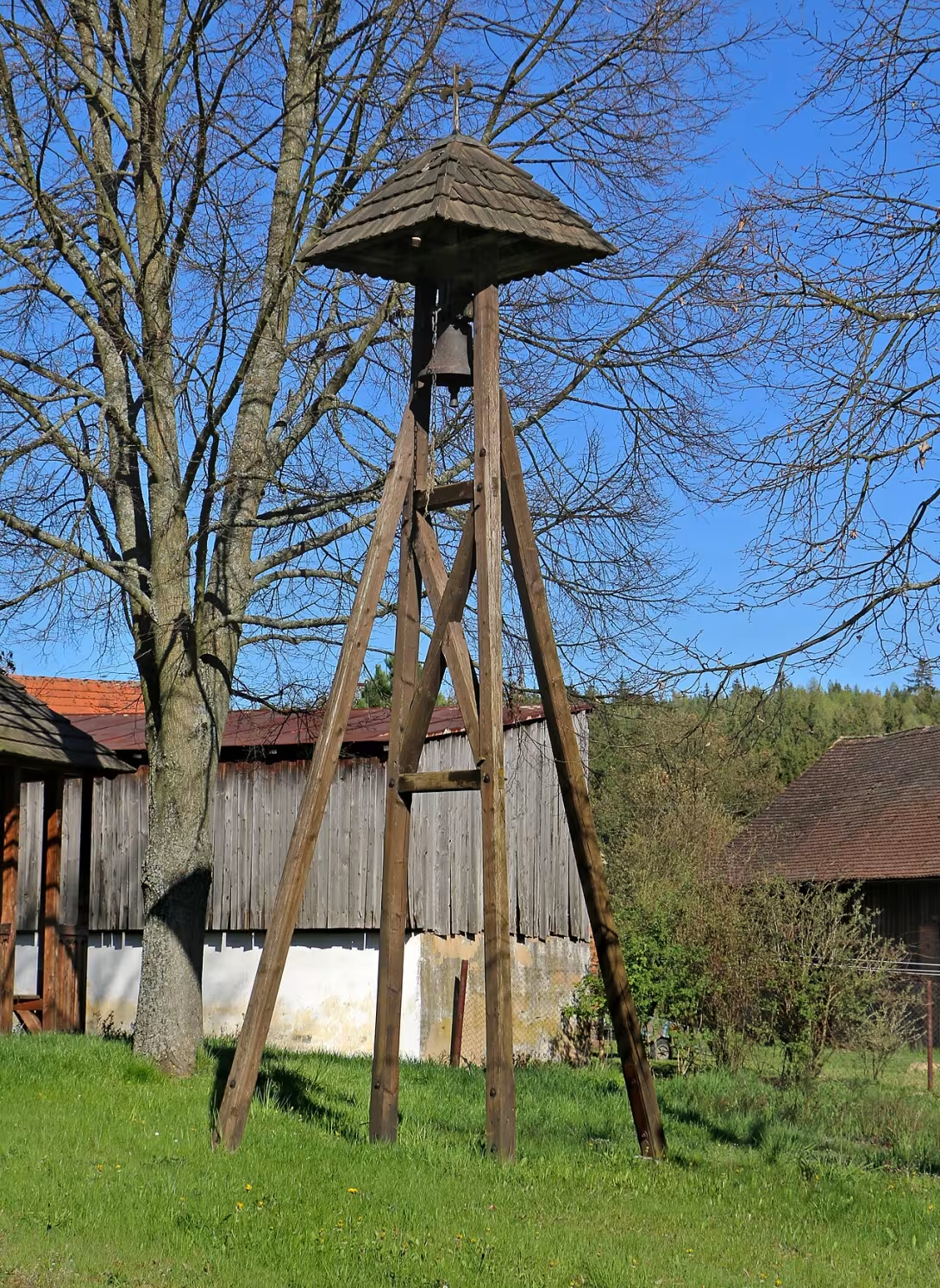

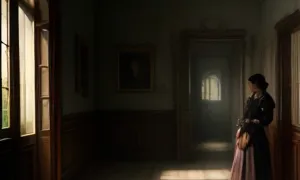
The historical appearance on the left is an AI-generated visualisation and serves as inspiration only.
Architectural development
The Bezemín site consists of two separate and independently fortified sections built on a plateau surrounded by three sides with streams. The larger section covers an area of 3.75 hectares, featuring remnants of fortifications such as ramparts and ditches. Originally, the rampart was about one meter thick, constructed from dry-laid stones with a wooden structure enclosed by an inner wooden wall, filled with clay. Evidence of fire damage is seen in vitrified stones with wood imprints.
Historical events
The fortification at Bezemín was inhabited from the 8th to the first half of the 9th century, based on ceramic fragments found during excavations.
A devastating fire led to the destruction of the fortification, after which it was likely replaced by a nearby fortification at Šipín.
Points of interest
- Despite its destruction by fire, the fortification at Bezemín was rebuilt with innovative construction techniques, using vitrified stones that show wood imprints from the intense heat—a rare archaeological find in Czechia.
- The unique arrangement of barrows at Bezemín, linked by earthen ramparts, suggests a dual purpose for the site as both a defensive stronghold and a ceremonial burial ground, reflecting complex social structures among early Slavic communities.
- Excavations have uncovered evidence of iron ore mining and processing activities at Bezemín, indicating that this site was not only a military fortification but also an economic hub during medieval times, contributing to regional trade networks.
- The two independently fortified sections within the plateau suggest a strategic design to maximize defense capabilities, possibly reflecting internal social dynamics or rivalries among different groups inhabiting the area.
- Bezemín's proximity to Gutštejn Castle creates a unique historical landscape where visitors can explore both medieval fortifications and Slavic archaeological sites, offering insights into the region’s layered history.
Guide
This guide is narrated by a synthetic voice generated by artificial intelligence.
Show guide text
This text was created by artificial intelligence and has not been editorially reviewed. It may contain inaccuracies.
Welcome to Bezemín, an extraordinary archaeological site nestled in the Tachov District of Plzeňský kraj, Czech Republic. As you stand here, imagine the confluence of Úterský potok and Hadovka rivers flowing gently by—a natural crossroads that once served as a strategic location for ancient Slavic fortifications.
The origins of Bezemín trace back to a time when these lands were inhabited by early Slavs. This site is significant not only because it represents the prehistoric period but also due to its medieval implications, offering a rare glimpse into the lives and ingenuity of those who came before us. The fortification here was built with purpose and resilience, standing as a testament to the cultural richness of the region.
As you look around, take in the remnants of this once formidable structure. Notice how even though it succumbed to fire, its reconstruction showcases innovative techniques that are rare in Czechia—vitrified stones bearing wood imprints from intense heat. This unique preservation offers us invaluable insights into ancient construction methods and materials used during that era.
Moving your gaze southward, approximately 170 meters away, you'll find the barrow cemetery. Here lies a fascinating arrangement of over forty mounds grouped into four distinct clusters, linked by earthen ramparts. These burial sites provide a poignant connection to the past inhabitants, offering clues about their social and cultural practices.
While specific historical figures associated with Bezemín remain unknown, the site's archaeological significance speaks volumes about its importance in regional history. Its strategic location and architectural innovations reflect the adaptability and resourcefulness of its builders.
One intriguing mystery that captivates visitors is how such a structure could be rebuilt so effectively after being destroyed by fire. The use of vitrified stones not only highlights advanced construction techniques but also suggests a deep understanding of materials and their properties—a remarkable achievement for the time.
As you continue to explore, let your imagination wander through the layers of history that Bezemín holds. Each step here is a journey back in time, inviting you to uncover more about the lives once lived on this land.
Thank you for joining us at Bezemín. We hope this experience has sparked your curiosity and inspired you to delve deeper into the rich tapestry of Czech history. Enjoy your exploration, and we look forward to welcoming you again to discover even more hidden stories within these ancient grounds.
Tips for visitors
The best time to visit Bezemín is during the late spring or early autumn months, specifically from May to September. During these periods, the weather is generally mild, making it ideal for exploring outdoor sites like this archaeological area. The surrounding nature is lush and vibrant in spring, while autumn offers a picturesque landscape with colorful foliage. Additionally, visiting outside of peak summer months helps avoid larger crowds, allowing for a more peaceful experience.
It's advisable to check current transport options in advance for a smooth journey.
When planning your visit, it’s recommended to bring comfortable walking shoes as the terrain around Bezemín involves some hiking along trails. A hat, sunscreen, and water are essential due to exposure to the sun, especially during warmer months. Additionally, consider bringing a picnic lunch or snacks if you plan to spend several hours exploring. For those interested in learning more about the site’s history, a guidebook or map can enhance your visit.
For photography enthusiasts, Bezemín offers excellent opportunities for capturing stunning landscapes and historical elements. The best spots are along the trails where you can get panoramic views of the confluence of Úterský potok and Hadovka rivers. Early morning or late afternoon light provides a soft glow that enhances the natural beauty and textures of the site. Don’t forget to capture images of the nearby ruins of Gutštejn Castle for a historical contrast.
Nearby, within a 30-minute drive from Bezemín, is the Šipín fortification, which offers additional insights into the region’s history with its own unique features and landscapes. Families can also enjoy a visit to Konstantinovy Lázně, known for its spa facilities and relaxing atmosphere. For those interested in more historical sites, the ruins of Gutštejn Castle are worth exploring as they provide a glimpse into medieval architecture and history.
Frequently asked questions
Can the monument be visited?
This is an archaeological site. Often there is little to see on the ground and the land may be private. We have not verified access.
Where is the monument?
Location: Bezemín, Plzeňský kraj. The map on this page shows the exact spot.
Why is the monument protected?
It is listed in the Central List of Cultural Monuments of the Czech Republic as a national cultural monument (register no. 201).
Businesses nearby
Do you run a restaurant, accommodation, shop, museum, rental, wellness or other visitor service near this monument? Show yourself directly to the people heading to it — this is how they will see you in the app and on the web:
Nearby
Accessible via a yellow-marked tourist trail from Konstantinovy Lázně, Bezemín is near the ruins of Gutštejn Castle and leads to the Šipín fortification.
Accommodation nearby
Trips and activities nearby
Guided tours, tickets and activities nearby from GetYourGuide
Affiliate link: if you buy from the partner, we may receive a commission. The price for you does not change.
Search tours and activities →Themed route
Tematická výletní trasa: Archeologické naleziště Bezemín a okolí
1. Konstantinovy Lázně (Startovací bod) - Typ: Město s lázeňskou tradicí - Proč stojí za návštěvu: Konstantinovy Lázně slouží jako ideální startovací bod pro vaši trase. Tato malá městyska nabízí klidný a příjemný prostředí, kde si můžete uvolnit nebo se podle potřeby napojit na energii před začátkem výletu.
2. Bezemín (Hlavní cíl) - Typ: Archeologické naleziště - Proč stojí za návštěvu: Bezemín je fascinujícím archeologickým nalezištěm, které vám otevře dveře do minulosti. Tato lokalita nabízí jedinečnou příležitost prozkoumat historii a kulturu oblasti Plzeňského kraje prostřednictvím svých archeologických nálezů.
3. Ruiny hradu Gutštejn - Typ: Hradová ruina - Proč stojí za návštěvu: Ruiny hradu Gutštejn jsou poutavým místem, které vás zavede do historie a legend. Tyto zříceniny nabízejí impozantní pohledy na okolní krajinu a připomínají bohatou minulost regionu.
4. Šipín (Fortifikace) - Typ: Historická fortifikace - Proč stojí za návštěvu: Šipín je zajímavým historickým místem, které vám umožní prozkoumat starověké obranné stavby. Tato lokalita poskytuje vhled do strategického významu a architektury minulých dob.
Tato trasa nabízí kombinaci historie, přírody a kultury, což ji činí ideálním zážitkem pro každého milovníka archeologie i historie.
Seasonal recommendations
Spring: Visiting Bezemín during spring offers a unique experience as the landscape awakens with vibrant wildflowers and fresh greenery, enhancing the natural beauty surrounding this archaeological site. The mild weather provides comfortable conditions for exploring the area's historical significance, though occasional rain showers can add to the atmosphere with lush, verdant scenery. This is an excellent time to visit if you prefer fewer crowds, as spring isn't peak tourist season yet. Dress in layers to accommodate fluctuating temperatures and bring a light waterproof jacket to stay dry during unexpected drizzles.
Summer: Summer at Bezemín brings long daylight hours, perfect for extended exploration of the archaeological site under bright sunshine. The lush summer foliage creates an inviting atmosphere, making it ideal for outdoor activities like hiking or picnicking nearby. However, this is also peak tourist season, so expect larger crowds and plan your visit early in the day to avoid the midday heat. Wear comfortable clothing suitable for warm weather, including hats and sunscreen, and stay hydrated throughout your trip.
Autumn: Autumn at Bezemín presents a picturesque setting with vibrant fall colors as leaves change from green to rich hues of red, orange, and yellow. The cooler temperatures make it a pleasant time for walking through the site without the summer heat. This season often sees fewer visitors compared to summer, allowing for a more tranquil experience. Dress in layers to adapt to the variable weather conditions typical of fall, and consider bringing an umbrella or raincoat as autumn rains can be frequent.
Winter: Winter transforms Bezemín into a serene landscape blanketed with snow, offering a quiet and atmospheric setting that contrasts sharply with its busier seasons. The shorter days mean less time for exploration, but the early morning light provides a magical backdrop for photography enthusiasts. Visitors should prepare for cold temperatures by wearing warm clothing, including thermal layers, hats, gloves, and sturdy boots. Keep in mind that some facilities might have reduced hours or be closed during this season due to weather conditions.
Visualizations and artistic views


The visualisations are generated by artificial intelligence and serve as inspiration.
Photos from the area
Real photos taken near the monument


Zdroj a licence jsou uvedeny u každého snímku.
Tips from visitors
No tips yet. Be the first!
Log in and add your tip.
Sources and literature
Faktickým podkladem tohoto textu byl článek na Wikipedii, jehož autory jsou přispěvatelé Wikipedie. Článek je dostupný pod licencí CC BY-SA 4.0.
Location on the map
More monuments – Bezemín
Show all in the municipality

Příběhy a pověsti
Legendy, pověsti a příběhy spjaté s touto památkou
Fotografie návštěvníků
Zatím žádné fotografie. Buďte první, kdo přidá fotografii z návštěvy!
Log in a přidejte svou fotografii nebo hodnoťte.
Za ověřenou návštěvu v aplikaci získáte víc bodů — poznáme podle GPS, že jste na místě.
Reviews and comments