






Blansek Ruin
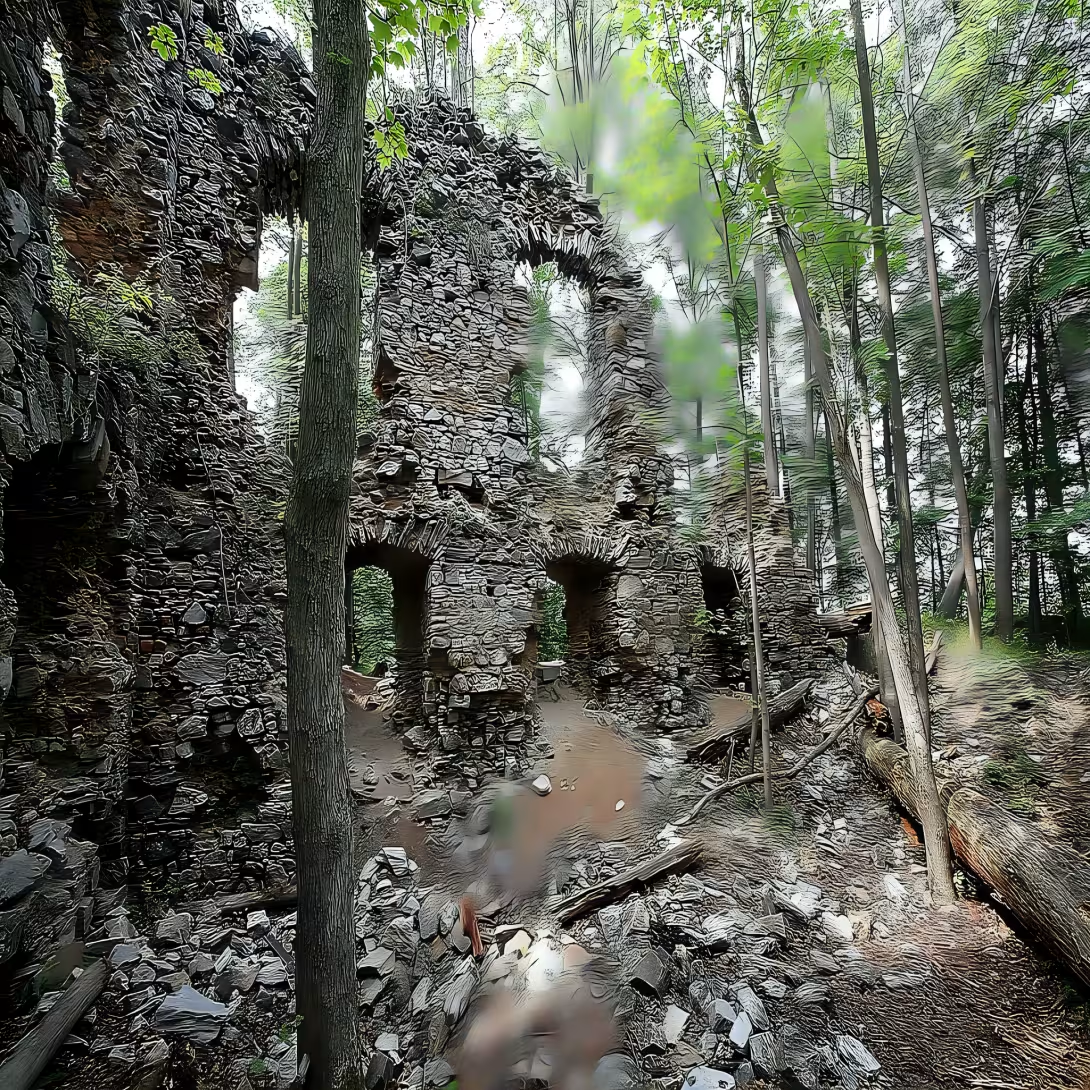
Blansek represents the typical feudal fortress of the Moravian Middle Ages. The ruin lies in the cadastral territory of Suchdol in the Moravian Karst and is located only about half a kilometer from the famous Macocha abyss. The entrance to Punkva caves lies right below the hill on which the castle stands - close proximity to one of the most impressive natural phenomena in Bohemia and Moravia. Since 1964 the castle has the status of a protected cultural monument.
The castle was founded by Olomouc Bishop Bruno ze Schauenburku in the second half of the 13th century. The first written mention dates back to 1275, when the fort was already developed in the important centre of the region. It soon became the centre of a large lounging circuit involving more than thirty manjas - a measure of its feudal influence. It was only since the end of the 14th century that the bishops began to admit it, following the Margrave wars that struck Moravia. The first recorded sloth was Erhart z Kunštátu a ze Skal, to which Bishop Mikuláš z Riesenburka entrusted it in 1396. In the following decades the castle was alternately owned or held by various magnates - Aleš z Kunštátu a Lysic (from 1400), Vilém Zajíc z Valdeka (1417- 1420) and rod ze Studnice (1420- 1435).
During the Hussite wars, Blansek became the foothold of Bishop Jan Železny in the fight against Hussites. Although it is reported that the castle faced Hussite hauling in 1424 and 1431, reliable reports of its conquest are unknown. It is assumed that the conquest has not occurred, or at least the castle has not been damaged enough to become unhabitable. In 1440, there was a gathering of bishops, confirming his political relevance. Soon afterwards came the decay - in 1461 it is declared desolate. Tradition tells us that it was destroyed by a fire, and that it was still modified during the 30-year war to temporarily defend against the Swedes.
Construction site Blansek consists of its own core dimensions of 70 × 25 meters, which was created in the 13th century behind Bishop Bruno and contained a palace. This headquarters dominates the Punkva Valley. Sometime before the year 1349, a large front was added to the castle, separated from the core by a double moat - a typical medieval protective structure. Some of the remains of the palace and walls have been preserved; the remains of the prepayment are also apparent.
The castle went through a sharp decline, especially in the 20th century. In the 1930s, for reasons of security, some of the flimsy masonry was demolished to prevent it from falling on the road leading to the Punketed Caves, which had just opened up to the public. The emergency condition is maintained until now. The wall crown is loose, the remains of the old fortress are constantly threatening to collapse into the Punkva Valley.
Then and now
Drag the slider to compare how the landmark may have looked when it was built with the view today.
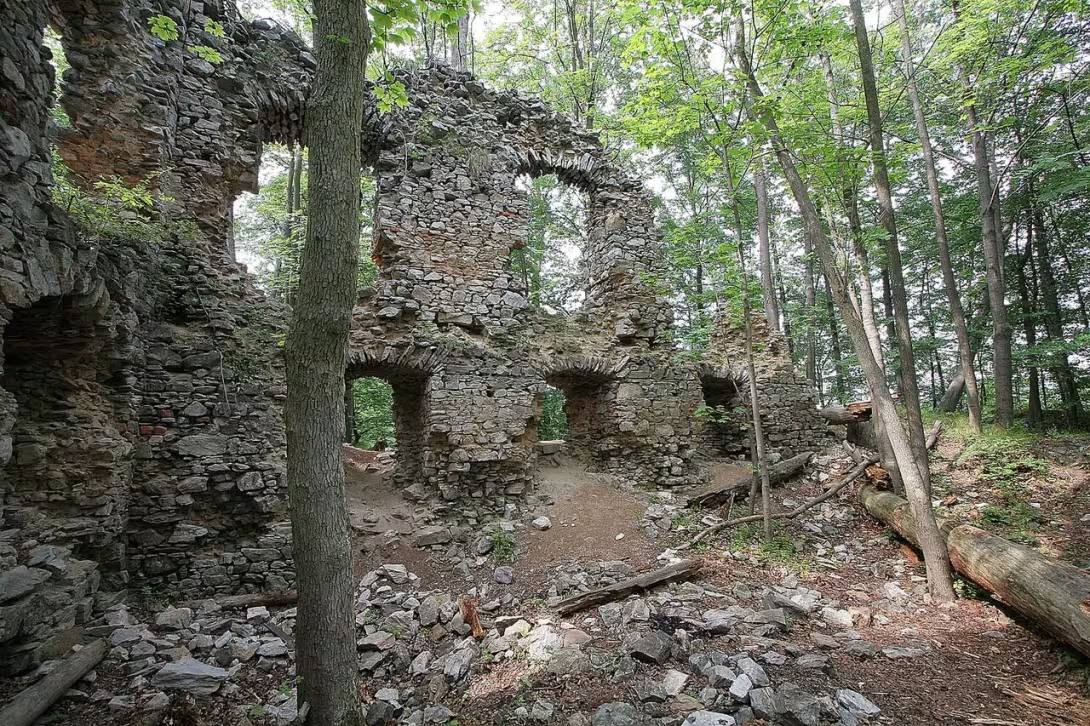
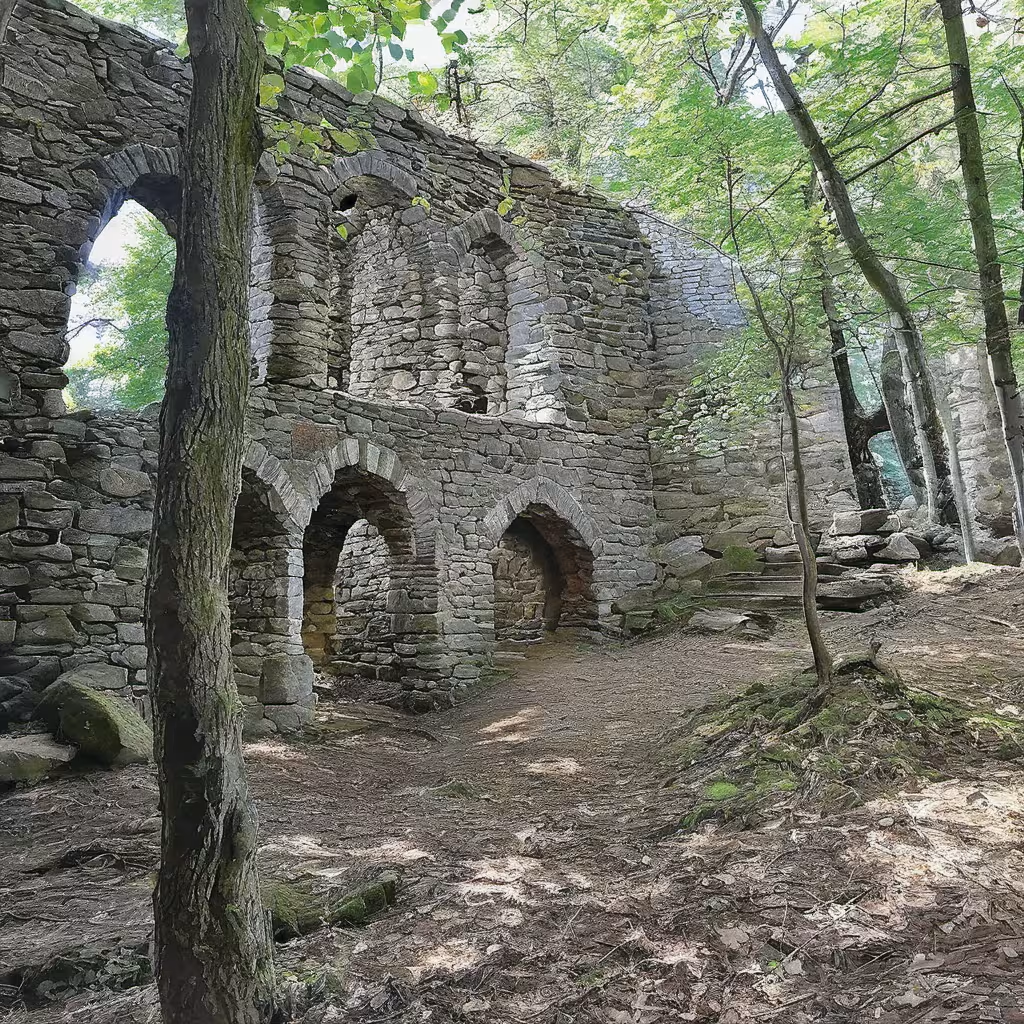
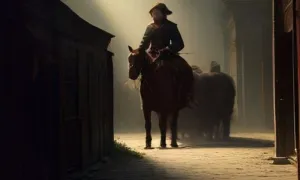
The historical appearance on the left is an AI-generated visualisation and serves as inspiration only.
Historical milestones
- 1964
- The castle was declared a protected cultural monument.
Architectural development
The castle Blansek was founded in the second half of the 13th century and originally contained a palace. Sometime before the year 1349, an extensive foothold was added to the castle, separated by a double moat from the main castle.
Historical events
- 1424
- Conquering the castle during the Hussite campaign.
- 1431
- Another attempt to conquer during the Hussite wars.
- 1440
- Bishops' convention at the castle.
Owners
- 1275
- 1396
- 1400
- 1417-1420
- 1420-1435
- 1461
Points of interest
- Blansek represents the typical feudal fortress of the Moravian Middle Ages.
- The castle was founded by Olomouc Bishop Bruno ze Schauenburku in the second half of the 13th century and the first written mention dates back to 1275.
- During the Hussite wars, Blansek became a back point for Bishop Jan Železny in the fight against the Hussites, although reliable reports of his conquest are unknown.
- In 1440, there was a gathering of bishops, confirming his political relevance.
- Construction is made up of a core of 70 × 25 meters, which was created in the 13th century by Bishop Bruno and contained a palace.
Guide
This guide is narrated by a synthetic voice generated by artificial intelligence.
Show guide text
This text was created by artificial intelligence and has not been editorially reviewed. It may contain inaccuracies.
Welcome to the ruins of Blansek, one of the most remarkable monuments of the Moravian Middle Ages. You are standing in front of the vast rest of the castle that rises above the valley of the Punkva River in the Moravian Karst. Blansek is the splendor of feudal architecture that captures you with its power and historical value.
Let's move forward in time and find out who and why started this castle. Blansek was founded in the second half of the 13th century by Bishop Bruno of Schauenburg. The first written mention of the castle dates back to 1275, which is proof of its significance at the time. Blansek has become an important bishopric plains and center of the surrounding territory.
Now pay attention to the architecture. Blansek is a typical feudal fortress of the Moravian Middle Ages, which represents the style of goth. Notice the massive wonders and fortifications that protect the castle from attacks. Look at the facade and observe details such as windows and doors that give the castle its unique atmosphere.
Blansek played a key role in Hussite wars. During this period he became a back point for Bishop Jan Železny in the fight against the Hussites. The castle became a place where important events took place that affected the fate of the entire region.
One of the most interesting personalities associated with Blansek is Olomouc Bishop Bruno ze Schauenburku. He was the founder of the castle and its important builder. The other persons connecting with Blansek are Mikuláš z Riesenburka, Erhart z Kunštátu a ze Skal, Aleš z Kunštátu a Lysic, Vilém Zajíc z Valdeka, rod ze Studnice, Jan Železný, Pavel z Miličína and Vok V. z Holštejna.
Blansek is also interesting by representing the typical feudal fortress of the Moravian Middle Ages. The castle was founded by Olomouc Bishop Bruno ze Schauenburku in the second half of the 13th century and the first written mention dates back to 1275. During the Hussite wars, Blansek became the foothold of Bishop Jan Železny in the fight against Hussites.
Today Blansek is in ruins, but its history and significance are still alive. The castle was declared a protected cultural monument in 1964. It is proof of its exceptional value and importance to our cultural heritage.
Allow me to invite you to further explore this historic monument. Blansek is a jewel that captures you with its power and historical value. Stand before him for a moment and perceive the atmosphere surrounding him.
Tips for visitors
The best time to visit Blansek is in the spring or autumn season when the weather is mild and nature offers the most beautiful colors. In addition, there are fewer visitors than winter months.
Transport to the area may also be carried out by public transport; Check the specific connections and times in advance using an online search engine.
When visiting Blansek it is advisable to take with you clothes suitable for walking along the hill, including shoes on dry soles. Also remember your helmet and goggles if you plan to explore the ruins closer.
For photography Blansek is the best place with the east side of the castle where sunlight is captured on ruins. The most beautiful photos can be taken in the morning or in the evening when the light is softer.
The Blansek is surrounded by the Macocha and Punkva caves, which are ideal for other entertainment activities. Visit these places if you like natural beauty and geological attractions.
For families with children Blansek is a suitable place to walk the hill and discover history. Children can also enjoy playing on natural terraces, but don't forget to watch them so they don't lose their hands.
Frequently asked questions
Can the monument be visited?
This is a ruin. Such sites are often freely accessible, but some can only be visited with a guide or are closed for safety reasons. We have not verified the current situation – take care and respect any restrictions. According to the heritage register the structure is in poor condition – do not enter it and take care nearby.
Where is the monument?
Location: Suchdol, Jihomoravský kraj. The map on this page shows the exact spot.
Why is the monument protected?
It is listed in the Central List of Cultural Monuments of the Czech Republic as a cultural monument (register no. 24051/7-623).
For kids
Imagine going back to a time when the first castle on Blansko never existed. It was a land full of forests and rivers where hunters and fishermen used to feed. And it is in these places that a castle should be called Blansek.
How did it look here? Who lived here? What happened here?
Businesses nearby
Do you run a restaurant, accommodation, shop, museum, rental, wellness or other visitor service near this monument? Show yourself directly to the people heading to it — this is how they will see you in the app and on the web:
Events nearby



Zdroj akcí: otevřená data měst a obcí ČR (Národní katalog otevřených dat) a kalendář akcí Národního památkového ústavu.
Nearby
Macocha abyss
Punctual caves
Accommodation nearby
Trips and activities nearby
Guided tours, tickets and activities nearby from GetYourGuide
Affiliate link: if you buy from the partner, we may receive a commission. The price for you does not change.
Search tours and activities →Themed route
Route: Ruins Blansek and surroundings
1. Ruins Blansek (main objective) Type: Castle ruin Why it is worth a visit: Ruins Blansek is a unique example of medieval architecture and offers wonderful views of the surroundings. Her remains are full of secrets and history.
2. Macocha Absence Type: Absence Why is worth a visit: The Macocha abyss is a deep and dangerous abyss that offers an unforgettable experience for those who visit it. Its deep valleys and rock walls are full of secrets and natural beauty.
3. Punk Cave Type: Cave Why is it worth a visit: Punctual cave is one of the most famous and beautiful caves in the Czech Republic. Its rich karst formation and unique geological structure make it an exceptional monument to nature.
Seasonal recommendations
Spring: In the spring season Blansek is shrouded in green and full of flowers. The atmosphere is full of life and optimism. Due to the good weather it is ideal time to visit Blansek. We recommend to leave before many visitors get to avoid crowds.
Summer: In summer season Blansek is full of tourists. We recommend we leave before many people get to avoid crowds. The atmosphere is warm and sunny.
Autumn: In the autumn period Blansek is covered in more mature leaves. The atmosphere is calm and calm. We recommend we leave later to avoid crowds. Due to the cold weather, it is advisable to wear warm clothes.
Winter: In winter Blansek is covered in snow and fog. The atmosphere is calm and calm. We recommend we leave later to avoid crowds. Due to the cold weather, it is advisable to wear warm clothes and be prepared for shorter opening times.
Visualizations and artistic views


The visualisations are generated by artificial intelligence and serve as inspiration.
Photos from the area
Real photos taken near the monument


Zdroj a licence jsou uvedeny u každého snímku.
Tips from visitors
No tips yet. Be the first!
Log in and add your tip.
Sources and literature
Photos: Prazak / CC BY 3.0, rozlišení zvýšeno umělou inteligencí — Wikimedia Commons. The author and licence also appear when you hover over the image.
Faktickým podkladem tohoto textu byl článek na Wikipedii, jehož autory jsou přispěvatelé Wikipedie. Článek je dostupný pod licencí CC BY-SA 4.0.
Location on the map

Příběhy a pověsti
Legendy, pověsti a příběhy spjaté s touto památkou
Fotografie návštěvníků
Zatím žádné fotografie. Buďte první, kdo přidá fotografii z návštěvy!
Log in a přidejte svou fotografii nebo hodnoťte.
Za ověřenou návštěvu v aplikaci získáte víc bodů — poznáme podle GPS, že jste na místě.
Reviews and comments