






Brada Ruin
Brada is a medieval castle ruin near the village of Brada in the Jičín District, Czech Republic. Constructed in the mid-13th century by Načerat of the Ronovci family, it served as both a strategic fortification and noble residence over several centuries. The site's historical significance is highlighted by its involvement in key political and military events, including the Hussite Wars, making it an important cultural monument today.
The origins of Brada date back to 1258 when it was first documented, marking its early importance as a stronghold. Built during the mid-13th century under Přemyslid rule, Bohemia experienced political consolidation and territorial expansion. The castle's construction by Načerat z rodu Ronovců reflects broader European medieval developments of feudalism and the rise of noble families.
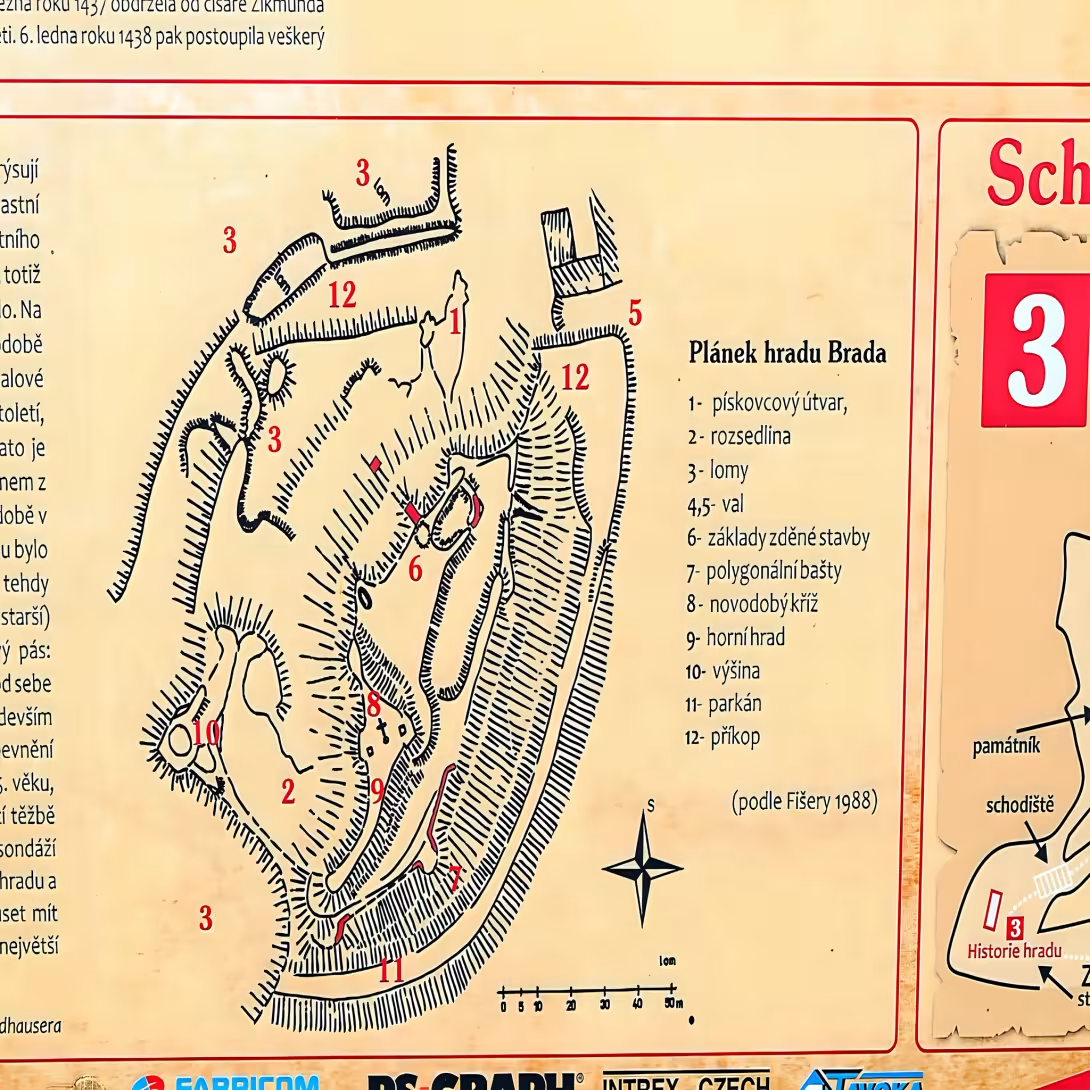
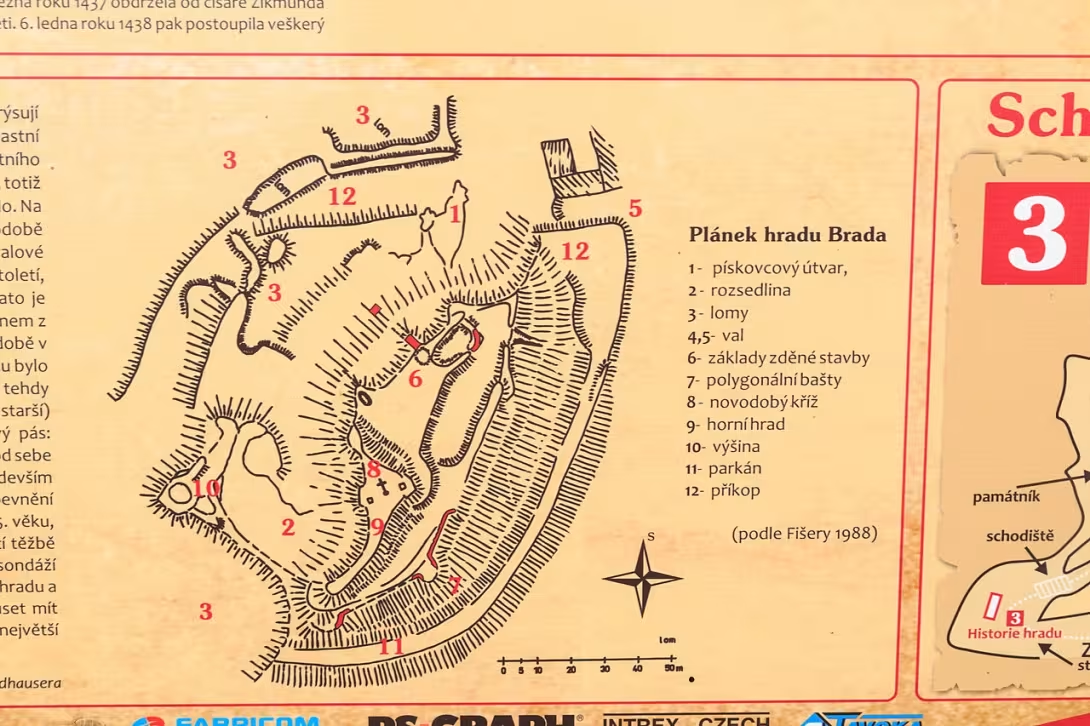
Architecturally, Brada was originally designed with a square layout typical for its era. Over time, quarrying activities significantly damaged the structure, leaving behind parts of a two-room building and fragments of a fortified wall with semi-circular bastions. These remnants highlight the transition from a functional noble residence to a ruin that reflects historical decline.
Ownership of Brada changed hands multiple times due to political and military influences. Initially held by Načerat z rodu Ronovců, it was exchanged in 1304 when King Václav II traded it with Lev Načerat for the village of Štítary. The castle later became associated with Čeňek z Vartenberka during the Hussite Wars, a notable period that further emphasized its strategic importance. Ownership continued to shift through figures such as Matěj z Brady and Jindřich z Vartenberka until it eventually fell into ruin.
Key events in Brada's history include its role during the Hussite Wars under Čeňek z Vartenberka, a prominent leader of the movement. In 1866, amidst the Austro-Prussian War, the site served as a defensive position, illustrating its continued military relevance. Additionally, a memorial cross erected in 1891 commemorates the Battle of Jičín, featuring statues of Saints Peter and Paul, adding to the site's historical narrative.
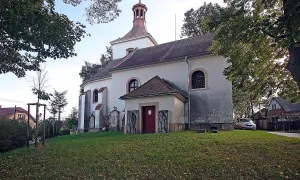
Today, Brada stands as a protected cultural monument, offering visitors a glimpse into medieval Czech history. The ruin is accessible for exploration, with adjacent features like a baroque wooden bell tower from the late 13th century enhancing its historical ambiance. Its significance lies not only in its architectural remnants but also in its storied past that reflects broader regional and European developments.
Visiting Brada provides an opportunity to connect with Czech history through its well-preserved ruins and associated memorials. The site's rich narrative, marked by notable figures and events, makes it a compelling destination for those interested in medieval architecture and historical exploration.
Then and now
Drag the slider to compare how the landmark may have looked when it was built with the view today.
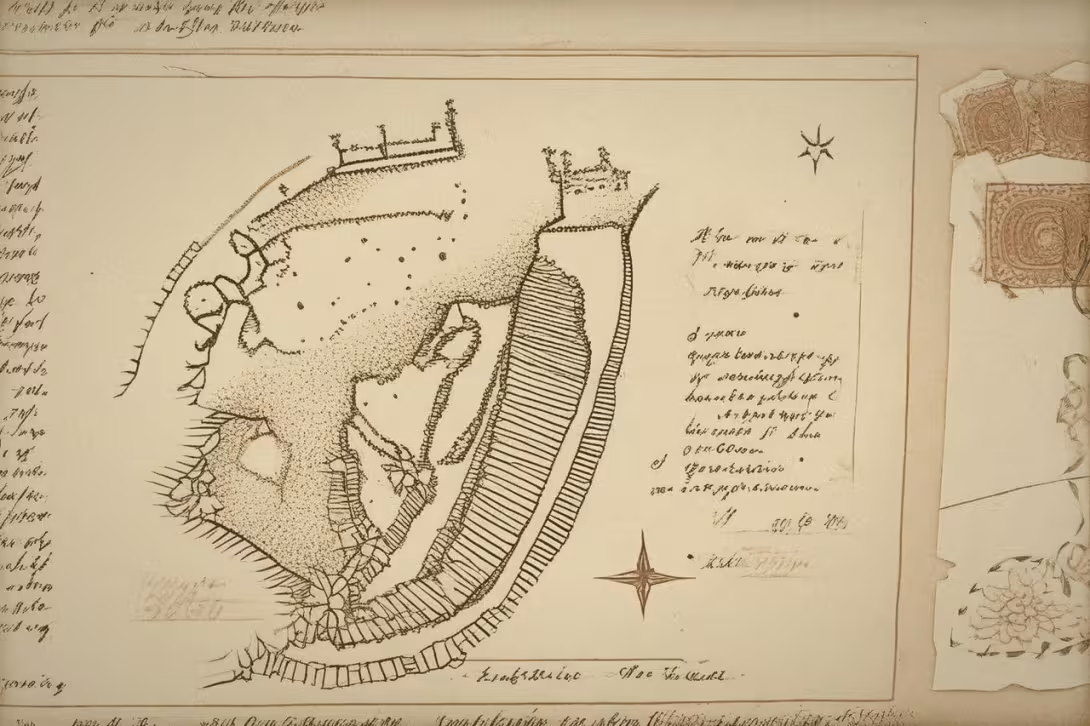
The historical appearance on the left is an AI-generated visualisation and serves as inspiration only.
Historical milestones
- 1258
- First documented mention of the castle.
- 1304
- King Václav II. exchanged the castle with Lev Načerat for the village of Štítary.
- 1866
Architectural development
Originally built in the mid-13th century with a square layout, Brada's structure was significantly damaged by quarrying activities. The remnants include parts of a two-room building and fragments of a fortified wall with semi-circular bastions. Over time, it transitioned from a noble residence to a ruin, reflecting its historical decline.
Historical events
First documented in 1258, marking its early significance.
In 1304, King Václav II. exchanged the castle with Lev Načerat for the village of Štítary.
During the Hussite Wars, it was associated with Čeňek z Vartenberka, a notable Hussite leader.
In 1866, during the Austro-Prussian War, it served as a defensive position.
Owners
Načerat z rodu Ronovců (1250s)
Václav II. (1304)
Vartenberkové (1327)
Matěj z Brady (1383)
Čeňek z Vartenberka (early 15th century)
Jindřich z Vartenberka (until 1434)
Machna z Veselé (after 1434)
Hašek z Valdštejna
Markvart z Údrnic (before 1452)
Otík Bradský z Labouně (sold to Mikuláš Lický z Rýzemburka shortly after 1482)
Mikuláš Trčka z Lípy (1500)
Points of interest
- Despite its medieval origins, the baroque wooden bell tower near Brada is surprisingly from the late 13th century, predating many other known examples of baroque architecture in the region.
- The castle's involvement in the Hussite Wars under Čeňek z Vartenberka highlights an intriguing aspect of its history: it was a site where religious and military conflicts intertwined, reflecting broader societal upheavals during that era.
- In 1304, King Václav II traded Brada for the village of Štítary with Lev Načerat. This transaction underscores how castles like Brada were not just strategic assets but also valuable commodities in medieval political negotiations.
- The memorial cross erected in 1891 commemorating the Battle of Jičín features statues of Saints Peter and Paul, which is an unusual choice given that these saints are more commonly associated with foundational Christian narratives rather than specific historical battles.
- Quarrying activities significantly damaged Brada's structure over time. This not only reflects the site’s decline but also highlights a lesser-known aspect of medieval ruins: their transformation from noble residences to sources of building materials for local communities.
Guide
This guide is narrated by a synthetic voice generated by artificial intelligence.
Show guide text
This text was created by artificial intelligence and has not been editorially reviewed. It may contain inaccuracies.
Welcome to the historic site of Brada, a captivating medieval castle ruin nestled near the village of the same name in the Jičín District of Královéhradecký kraj, Czech Republic. As you stand here, surrounded by the whispers of history and nature reclaiming its space, imagine the stories these stones could tell if only they spoke.
Constructed in the mid-13th century by Načerat of the Ronovci family, Brada served as both a strategic fortification and a noble residence over several centuries. Its origins are rooted deeply in medieval times when castles were not just homes but bastions against invaders and symbols of power. The first documented mention of this castle dates back to 1258, marking its significance even then.
As you take in the sprawling ruins before you, notice how nature has intertwined with history here. The remnants of walls rise from the ground, a testament to their former strength and grandeur. Though much is lost to time, these stones still stand as proud sentinels of Brada's storied past. Imagine walking through the same grounds where lords and soldiers once tread.
The castle's architecture may not be fully preserved, but its strategic importance during significant historical events remains evident. In 1304, King Václav II exchanged this very site with Lev Načerat for the village of Štítary, highlighting its value in medieval politics and territorial negotiations.
Throughout its history, Brada has been a witness to numerous ownership changes and played pivotal roles during turbulent times, including the Hussite Wars. Čeňek z Vartenberka's involvement with the castle during these wars adds an intriguing layer to its narrative, showcasing its importance beyond just being a noble residence.
Nearby stands a baroque wooden bell tower that predates many known examples of baroque architecture in the region, having been constructed in the late 13th century. This architectural anomaly serves as a reminder of Brada's unique place in history and the cultural exchanges that have occurred here over centuries.
As we conclude this auditory journey through time at Brada, I invite you to explore further, letting your imagination wander through the corridors of history that these ruins embody. Each stone tells a story, each path leads to another chapter of Czech heritage waiting to be discovered. Thank you for joining me on this exploration, and may your curiosity continue to guide you through the fascinating landscapes of our past.
---
This text is crafted to accompany visitors as they explore Brada's historical site, providing them with a rich narrative that enhances their experience without needing visual aids or specific architectural details not confirmed by documented sources.
Frequently asked questions
Can the monument be visited?
This is a ruin. Such sites are often freely accessible, but some can only be visited with a guide or are closed for safety reasons. We have not verified the current situation – take care and respect any restrictions.
Where is the monument?
Location: Brada-Rybníček, Královéhradecký kraj. The map on this page shows the exact spot.
Why is the monument protected?
It is listed in the Central List of Cultural Monuments of the Czech Republic as a cultural monument (register no. 16237/6-1335).
Businesses nearby
Do you run a restaurant, accommodation, shop, museum, rental, wellness or other visitor service near this monument? Show yourself directly to the people heading to it — this is how they will see you in the app and on the web:
Nearby
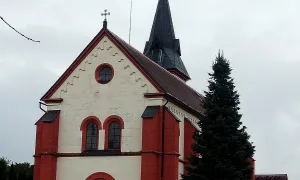
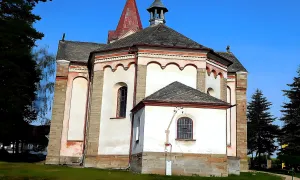
The surrounding landscape includes natural features such as hills and valleys typical of the Královéhradecký region. Nearby, there are remnants of historical structures like a church and bell tower from the same era.
Accommodation nearby
Themed route
Tematická výletní trasa: Historické zříceniny Brady
1. Brada (zřícenina) - Typ: Zřícenina hradu - Proč stojí za návštěvu: Tato historická zřícenina nabízí pohled na minulost regionu Královéhradeckého kraje. Navzdory svým rozpadlým stavům je Brada fascinujícím místem pro ty, kteří mají rádi historii a archeologii, poskytujícím pohled na život v dobách středověku.
2. Remíniscence kostela - Typ: Historické zbytky - Proč stojí za návštěvu: Původní kostel, který se nachází v blízkosti Brady, je dnes jenom ve fragmentech. Tyto zbytky připomínají bohatou historii a architektonické umění minulých dob. Navštívte místo pro pohled na středověký kostel a jeho vliv na místní kulturu.
3. Remíniscence zvonice - Typ: Historické struktury - Proč stojí za návštěvu: Zvonice, která byla součástí kostela, je dalším přitažlivým místem pro historicky zainteresované. Její zbytky jsou svědectvím architektonických dovedností a duchovního života oblasti v dobách středověku.
4. Procházka přes historický terén - Typ: Procházková trasa - Proč stojí za návštěvu: Krátce po prozkoumání zříceniny a historických struktur se nabídne krátká procházka přes terén kolem Brady. Tato procházka vám umožní cítit si jako člen středověké komunity, když prozkoumáte krajinu s jejími pahorky a údolími.
5. Interaktivní zastávka u Brady - Typ: Vzdělávací zastávka - Proč stojí za návštěvu: Na konci trasy se nabídne interaktivní zastávka, kde můžete získat více informací o historii a významu Brady. Tato zastávka je ideální pro pochopení kontextu a dějin této fascinující lokality.
Tato trasa nabídne návštěvníkům pohled na historické struktury a příležitost se ponořit do minulosti regionu Královéhradeckého kraje.
Seasonal recommendations
Spring: Visiting Brada during the spring offers a refreshing escape as nature awakens around this historical ruin. The landscape is adorned with vibrant wildflowers and budding trees, creating a picturesque setting that enhances the charm of the site. This season brings moderate temperatures, making it ideal for exploring without the intense heat of summer. However, be mindful of occasional rain showers; wearing waterproof footwear can keep your visit comfortable. Springtime sees fewer visitors compared to peak tourist seasons, allowing you to enjoy the serenity and beauty of Brada in a more intimate manner.
Summer: The summer months at Brada are characterized by lush greenery and warm sunshine, making it an excellent time for outdoor enthusiasts to explore the historical site. The longer days provide ample daylight to fully appreciate the ruins and surrounding nature trails. However, this is also the peak tourist season, so arriving early in the morning can help you avoid larger crowds. Dressing in light, breathable clothing and bringing a hat or sunscreen are practical tips to stay comfortable under the summer sun.
Autumn: Autumn at Brada offers a stunning display of fall colors as the foliage turns vibrant shades of red, orange, and yellow. The cooler temperatures create a cozy atmosphere perfect for leisurely strolls through the ruins. This season is less crowded than summer, allowing visitors to enjoy the site's tranquility. As days become shorter, it’s advisable to start your visit earlier in the day to make the most of the natural light. Wearing layers can help you adjust comfortably to the changing temperatures.
Winter: Winter transforms Brada into a serene and mystical landscape, with snow often blanketing the ruins and surrounding areas. The quietness during this time offers a unique perspective on the site's historical significance, as fewer visitors venture out in colder weather. Dressing warmly in layers, wearing sturdy boots, and bringing gloves are essential for a comfortable visit. If you're lucky enough to experience snowfall, it adds an enchanting touch to the already captivating atmosphere of Brada.
Visualizations and artistic views


The visualisations are generated by artificial intelligence and serve as inspiration.
Photos from the area
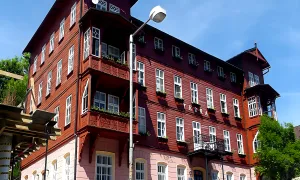
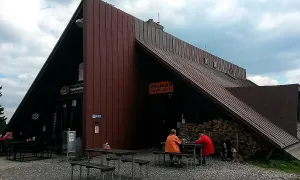
Real photos taken near the monument


Zdroj a licence jsou uvedeny u každého snímku.
Tips from visitors
No tips yet. Be the first!
Log in and add your tip.
Sources and literature
Photos: Petr1888 / CC BY-SA 4.0, rozlišení zvýšeno umělou inteligencí — Wikimedia Commons. The author and licence also appear when you hover over the image.
Faktickým podkladem tohoto textu byl článek na Wikipedii, jehož autory jsou přispěvatelé Wikipedie. Článek je dostupný pod licencí CC BY-SA 4.0.
Location on the map

Příběhy a pověsti
Legendy, pověsti a příběhy spjaté s touto památkou
Fotografie návštěvníků
Zatím žádné fotografie. Buďte první, kdo přidá fotografii z návštěvy!
Log in a přidejte svou fotografii nebo hodnoťte.
Za ověřenou návštěvu v aplikaci získáte víc bodů — poznáme podle GPS, že jste na místě.
Reviews and comments