






Brána do vsi Gate
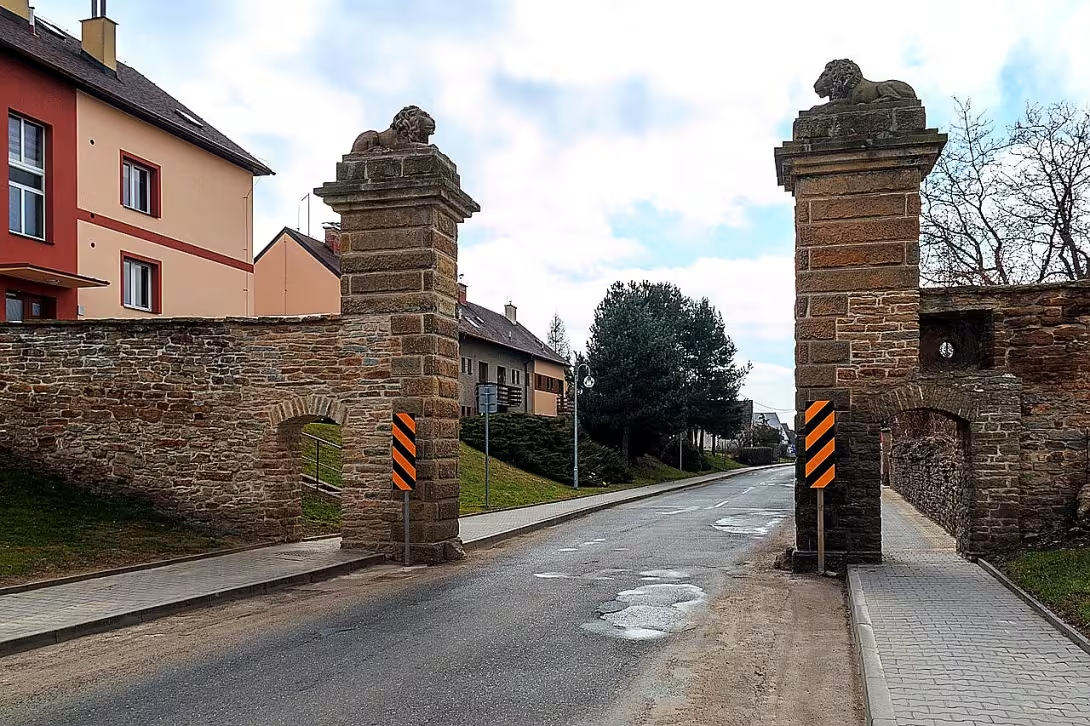
Nahořanská brána stands as a unique cultural monument at Nahořany's entrance in Královéhradecký kraj, Czech Republic. Originally built in the 19th century on an old fortress site, this gate is notable for its romantic architectural style and sculptural decorations featuring two lion statues by Antonín Sucharda. It serves as both a historical symbol and a functional structure that has been modified to meet evolving transportation needs while preserving its ornamental role.
The origins of Nahořanská brána date back to the 19th century, replacing an older fortress structure. Historically, two gates existed at either end of Nahořany, serving as protective barriers against raids during events like the Thirty Years' War and the Austro-Prussian War of 1866. The original stone gate on the village's northeast edge was ordered for demolition by the district administration in February 1882 due to traffic obstruction. However, local resistance led to a decision to modify rather than demolish it entirely. By December 1885, under Josef Pozdílek from Nahořany's supervision, the gate underwent reconstruction and expansion, transforming into a more accommodating yet still ornamental structure.
Architecturally, Nahořanská brána is characterized by its romantic style, constructed with dressed sandstone blocks and limestone columns. The gate features two prominent sandstone pillars adorned with lion sculptures at their tops, symbolically gazing across the road from opposite sides. These lions are a significant artistic contribution by Antonín Sucharda, adding to the gate's uniqueness. Additionally, remnants of sandstone deflectors can be found on the inner side of these pillars.
Throughout its history, Nahořanská brána has experienced various administrative and structural changes. The district administration initially ordered its demolition in 1882 but later allowed for its reconstruction to better serve both aesthetic and practical purposes. Josef Pozdílek played a crucial role in this transformation, receiving compensation from the local council over three years for his efforts.
Key events include its reconstruction in 1885 and a significant incident in 2014 when an inattentive truck driver collided with it, causing considerable damage to one side of the structure. Despite this setback, the village council promptly initiated restoration efforts, successfully completing them within a year to preserve the gate's historical significance.
Today, Nahořanská brána stands as a restored monument that continues to be an integral part of Nahořany’s identity. It is accessible to visitors and serves as a testament to the village's rich history and cultural heritage. The gate not only marks the entrance to the village but also symbolizes resilience and community pride, making it a worthwhile destination for those interested in exploring Czech historical architecture.
Nahořanská brána remains an emblem of Nahořany’s past and present, inviting visitors to appreciate its architectural beauty and historical significance. Its restoration after the 2014 incident underscores the community's dedication to preserving their heritage, offering a glimpse into the village's storied history while continuing to serve as a functional gateway.
Then and now
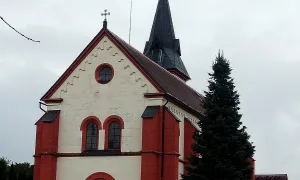
Drag the slider to compare how the landmark may have looked when it was built with the view today.
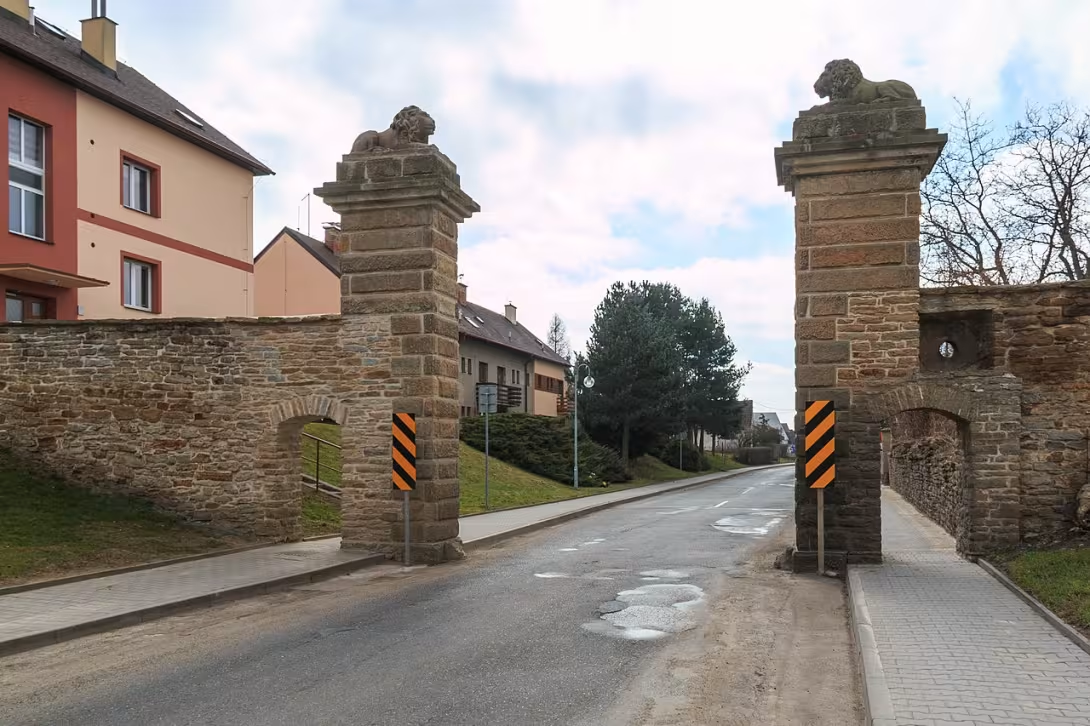
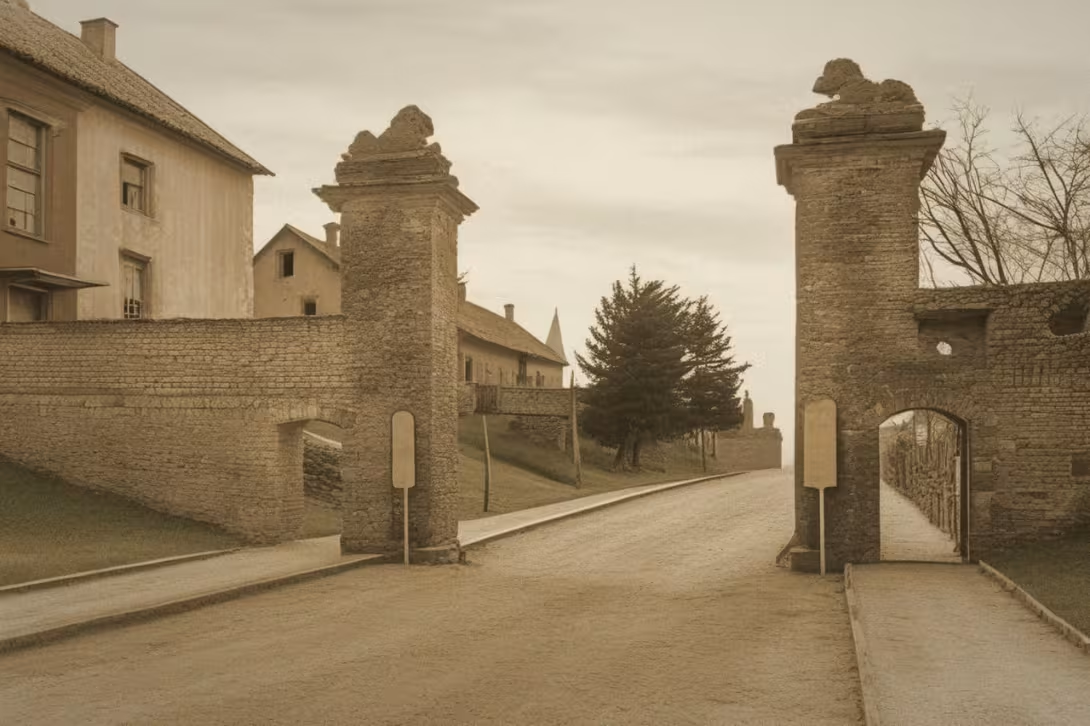
The historical appearance on the left is an AI-generated visualisation and serves as inspiration only.
Historical milestones
- 1882
- The district administration ordered the demolition of the original stone gate.
- 1885
- Reconstruction and expansion of the gate were completed.
Architectural development
The Nahořanská brána was originally built in the 19th century as a replacement for an older fortress. It underwent significant reconstruction in 1885 to widen its passage and enhance its decorative elements, including the addition of lion sculptures by Antonín Sucharda. The gate is constructed from dressed sandstone blocks with limestone columns, reflecting the romantic architectural style.
Historical events
The original stone gate was ordered to be demolished by the district administration on February 24, 1882, due to its obstruction of traffic.
Reconstruction and expansion of the gate were completed on December 3, 1885, under the supervision of local resident Josef Pozdílek.
Points of interest
- Nahořanská brána's transformation from a defensive structure to an ornamental gate highlights the adaptive reuse of historical architecture in response to changing societal needs and priorities.
- The decision by local residents to resist the complete demolition of the original stone gate in 1882 underscores the community's strong attachment to their heritage, illustrating how collective action can influence preservation efforts.
- Antonín Sucharda's lion sculptures on Nahořanská brána are not only significant for their artistic value but also symbolize strength and guardianship, reflecting the cultural importance of such motifs in Czech architectural history.
- The incident in 2014 when a truck collided with the gate emphasizes the ongoing challenges faced by historical structures in modern contexts, highlighting the need for continuous maintenance and protective measures to safeguard heritage sites.
- Josef Pozdílek's role in the reconstruction of Nahořanská brána demonstrates how individual contributions can significantly impact the preservation and enhancement of cultural landmarks, showcasing the importance of skilled craftsmanship in maintaining historical integrity.
Guide
This guide is narrated by a synthetic voice generated by artificial intelligence.
Show guide text
This text was created by artificial intelligence and has not been editorially reviewed. It may contain inaccuracies.
Welcome to the enchanting Nahořanská brána, a portal into history and culture as you stand at the entrance to Nahořany in Královéhradecký kraj. As you gaze upon this architectural gem, notice how it stands not just as a gateway but as a storyteller of time itself.
Originally erected in the 19th century on the site of an ancient fortress, this gate was more than a mere entry point; it served both as a defensive structure and as a symbol of village identity. Its transformation over the years reflects the adaptive reuse of historical architecture to meet changing societal needs and priorities.
As you approach, take a moment to appreciate its romantic style, characterized by intricate sculptural decorations featuring two majestic lion statues that stand guard at either side. These lions are not just ornamental; they symbolize strength and protection, echoing the gate's original purpose as part of a defensive system.
The year 1882 marked a pivotal moment in the brána’s history when the district administration ordered its demolition. However, the spirit of Nahořany was resilient. The local community resisted this decision, determined to preserve their heritage. This resistance led to a significant transformation rather than destruction—the gate underwent reconstruction and expansion, completed by 1885.
This period of change is an essential chapter in the brána’s story. Though the original architects remain unknown, their vision for a structure that could adapt and endure has left us with a monument that continues to captivate visitors today.
As you stand here, reflect on how this gate, once a symbol of defense, now serves as a welcoming entrance, inviting all who pass through to explore the beauty and history of Nahořany. Its journey from fortress to ornamental gateway highlights the community's commitment to preserving their cultural identity while embracing change.
Before we conclude our visit here, take a moment to absorb the atmosphere. Notice how the gate’s presence at the village entrance sets the tone for what lies beyond—a place rich in history and culture.
Thank you for joining me on this journey through time at Nahořanská brána. I invite you to continue exploring Nahořany, where every corner holds stories waiting to be discovered. Until we meet again, may your path always lead you to places of wonder and learning.
Tips for visitors
The best time to visit Nahořanská brána is during late spring or early autumn when the Bohemian countryside is at its most picturesque, with lush greenery and vibrant colors that enhance the romantic style of the gate. The weather is usually mild, making it comfortable for walking around and exploring the area. Additionally, visiting outside of peak summer months can mean fewer crowds, allowing you to appreciate the sculptural details like the lion statues more intimately.
Parking near Nahořanská brána is generally accessible, with options available in the vicinity of Nové Město nad Metují. For those preferring public transport, there are bus services that can take you close to the entrance of Nahořany. It's advisable to check the latest transportation schedules online before your visit to ensure a smooth journey.
When planning your visit, consider bringing comfortable walking shoes as there may be some uneven paths leading up to and around the gate. A camera or smartphone is recommended for capturing the intricate details of the brána’s romantic style architecture and sculptures. Also, don’t forget to bring water, especially if you plan on spending a few hours exploring.
For photography enthusiasts, the best spots are those that capture both the Nahořanská brána and its surrounding landscape in one frame. Early morning or late afternoon light provides a soft glow that can accentuate the textures of the gate’s sculptures and architecture. Be mindful of the sun's position to avoid harsh shadows on your subjects.
Within a 30-minute drive from Nahořanská brána, visitors can explore Nové Město nad Metují, which offers a glimpse into local history and culture. The town has several attractions that are worth visiting, including historical buildings and museums. It's an ideal spot for families with children to enjoy some time away from the gate itself.
For families visiting Nahořanská brána, consider bringing along a picnic basket as there are scenic spots nearby where you can relax and have a meal outdoors. The area is generally family-friendly, but it’s always good to keep an eye on children in open spaces. Engaging them with stories about the history of the gate or pointing out details like the lion statues might make their visit more memorable.
Businesses nearby
Do you run a restaurant, accommodation, shop, museum, rental, wellness or other visitor service near this monument? Show yourself directly to the people heading to it — this is how they will see you in the app and on the web:
Events nearby



Zdroj akcí: otevřená data měst a obcí ČR (Národní katalog otevřených dat) a kalendář akcí Národního památkového ústavu.
Nearby
Nahořanská brána is situated near the village of Nahořany, close to Nové Město nad Metují. The surrounding landscape includes typical Bohemian countryside features, though no other specific monuments or natural attractions are noted within a 5 km radius.
Accommodation nearby
Themed route
Thematic Walking Tour: Nahořanská Brána and Surroundings
1. Nahořanská Brána - Type: Historical Monument - Why Visit: Begin your journey at the iconic Nahořanská Brána, a remarkable example of medieval architecture that served as an entrance to the village of Nahořany. This gate offers insights into historical fortifications and provides a picturesque view of the surrounding Bohemian countryside.
2. Village of Nahořany - Type: Historical Village - Why Visit: Explore the charming streets of Nahořany, where traditional architecture reflects centuries-old history. The village offers an authentic glimpse into rural life in the Královéhradecký kraj region, with its quaint houses and peaceful atmosphere.
3. Nové Město nad Metují - Type: Town - Why Visit: A short walk from Nahořany, Nové Město nad Metují is a delightful town known for its historical significance and cultural heritage. Visitors can enjoy the scenic views of the Metuje River and explore local shops and cafes that capture the essence of Bohemian hospitality.
This tour provides an immersive experience into the rich history and serene landscapes surrounding Nahořanská Brána, offering both educational insights and a peaceful retreat in the heart of Bohemia.
Seasonal recommendations
Spring: Visiting the Vrchlabi Gate during spring offers a unique experience as nature awakens around this historical site. The area is adorned with blooming flowers and lush greenery, creating a picturesque backdrop for your visit. As daylight hours increase, the gate benefits from natural illumination that enhances its architectural details. Spring can bring unpredictable weather; thus, visitors are advised to dress in layers to accommodate sudden temperature changes. Early mornings or late afternoons tend to be quieter times, allowing for a more peaceful exploration before the site gets busier.
Summer: Summer is an ideal time to explore Vrchlabi Gate when the days are long and warm, perfect for leisurely strolls around the historical landmark. The natural light at this time of year highlights the intricate designs of the gate, while the surrounding landscape is in full bloom, offering a vibrant atmosphere. However, summer also attracts larger crowds, so it's recommended to arrive early in the morning or later in the afternoon to avoid peak times. Comfortable walking shoes and sun protection are essential due to increased foot traffic and longer exposure to sunlight.
Autumn: Autumn at Vrchlabi Gate provides a stunning display of fall colors as the surrounding trees turn shades of red, orange, and yellow. The cooler temperatures make for comfortable exploration without the summer heat, while the softer light of autumn enhances the gate's historical features. This season is often less crowded than summer, offering a more tranquil experience. Visitors should consider bringing a light jacket or sweater to stay warm as the days begin to shorten and temperatures drop.
Winter: Winter transforms Vrchlabi Gate into a serene winter wonderland, with snow potentially adding a magical touch to the historic site. The shorter daylight hours mean that visits are best planned for midday when there is more natural light available. While some parts of the gate may be closed due to re-construction work during this time, it's still worth visiting to experience its quiet charm amidst the winter landscape. Warm clothing and sturdy footwear are essential, as conditions can be cold and icy. Keep in mind that opening hours might be reduced, so checking ahead is advisable.
Visualizations and artistic views


The visualisations are generated by artificial intelligence and serve as inspiration.
Photos from the area
Real photos taken near the monument


Zdroj a licence jsou uvedeny u každého snímku.
Tips from visitors
No tips yet. Be the first!
Log in and add your tip.
Sources and literature
Fotografie: Petr1888 / CC BY-SA 4.0 — Wikimedia Commons. The author and licence also appear when you hover over the image.
Faktickým podkladem tohoto textu byl článek na Wikipedii, jehož autory jsou přispěvatelé Wikipedie. Článek je dostupný pod licencí CC BY-SA 4.0.
Location on the map

Příběhy a pověsti
Legendy, pověsti a příběhy spjaté s touto památkou
Fotografie návštěvníků
Zatím žádné fotografie. Buďte první, kdo přidá fotografii z návštěvy!
Přihlaste se a přidejte svou fotografii nebo hodnoťte.
Za ověřenou návštěvu v aplikaci získáte víc bodů — poznáme podle GPS, že jste na místě.
Reviews and comments