






Bražec Castle
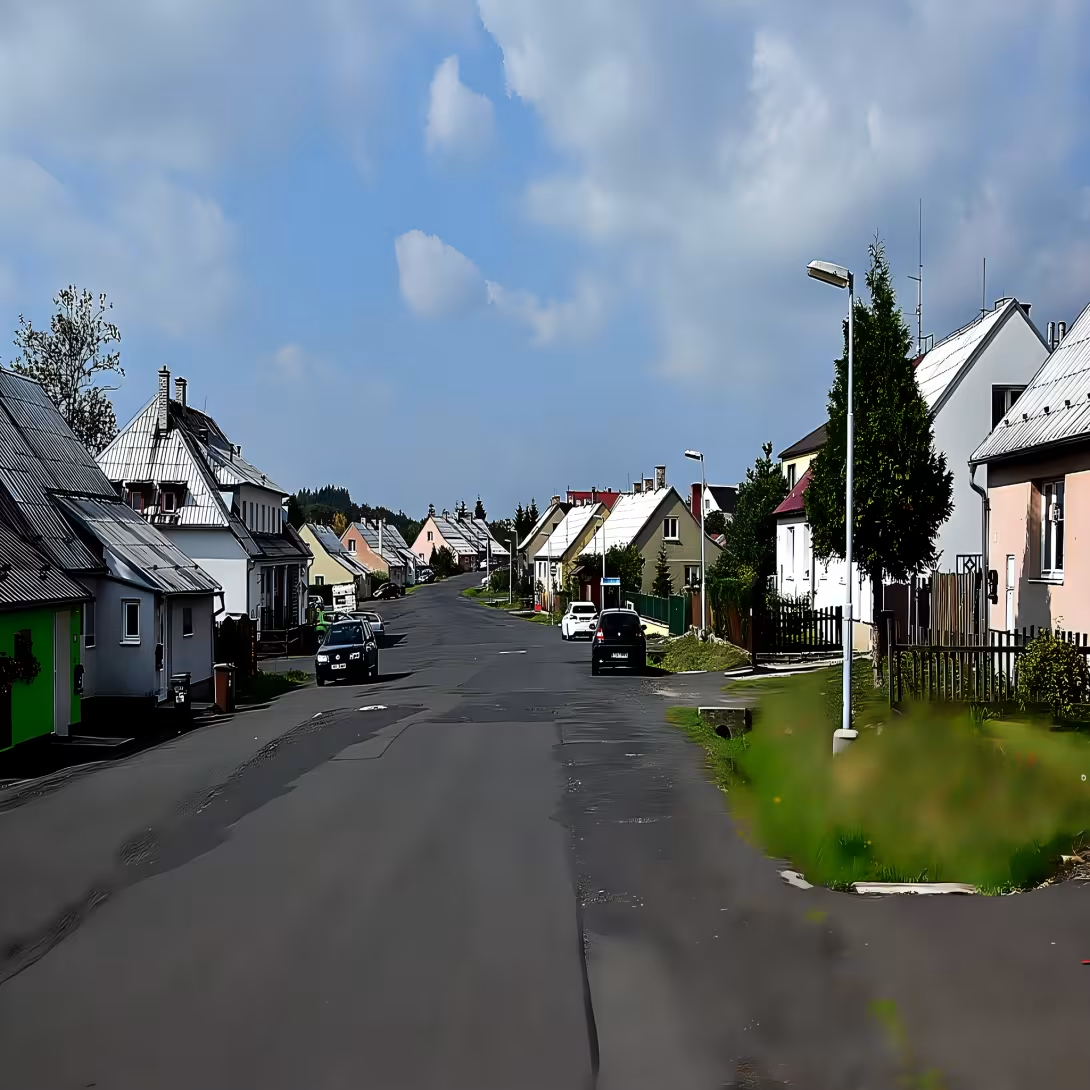
Bražec is one of the oldest preserved fortress in Bohemia. The extinct fortress is located at the same-name village in the Karlovy Vary district on the platform at an altitude of 793 metres above the remains of the village Kostelní Horka, which also no longer exists. In the immediate neighbourhood of the fortress used to become the extinct church of St. Bartholomew, a witness when the moment when this place was still part of a vibrant medieval community.
The archaeological research from 1986 to 1989 showed that the fort was established in the first half of the 13th century. The oldest written owner was Zeman Beneda z Bražce, who appears as a witness on the 1289 charter, although the first direct mention of the fort itself dates back to 1316. After 1410, Bražec belonged to Jan Svinovc of Svinava and remained in his family. But sometime during the first half of the 15th century, the fortress burned down and died as evidenced by archaeological findings. Yet the area was not completely abandoned - at the end of the 15th century Jindřich III of the Plavna became owner. In 1510 the estate was purchased by Jiří Plick z Plickensteina, later owned by Zedtwitz. A significant milestone was when Anna Karolina Colonna, born Šliková, bought and attached to the estate of the castle of the Angel Mountain, including the fortress, courtyard and village Bražka and Javorné. In 1622 there was another movement - the Černiny of Chudenice Manor was transferred to Stružná Castle.
The preserved fortress has a characteristic elliptical plan with a longer axis of 35 metres long. In the field there are visible walls and moat that surrounded the fort. But the archaeological probes revealed significantly more - they discovered 170 centimeters of wide wall, which was connected with a square tower of 5,5 times 5.5 meters with extremely thick walls of 120 centimetres. Research also revealed the remains of the construction from the younger construction phase. Wood played an important role in the construction, which is not surprising for such early construction. All of these remains of the fortress can be dated according to the findings so that the bars are considered as remnants of a small castle or one of the oldest castles in Bohemia.
Today, the fortress is located on a freely accessible platform in close proximity to the border of the Military Departure of Hradiště. For visitors, the approach is relatively easy - from the road followed by the bicycle route number 2249, turns the field path which leads to the eastern foot of the hill with the remains of the fort. The site thus allows those interested in medieval history to see the history of early Czech feudalism in the field.
Then and now
Drag the slider to compare how the landmark may have looked when it was built with the view today.
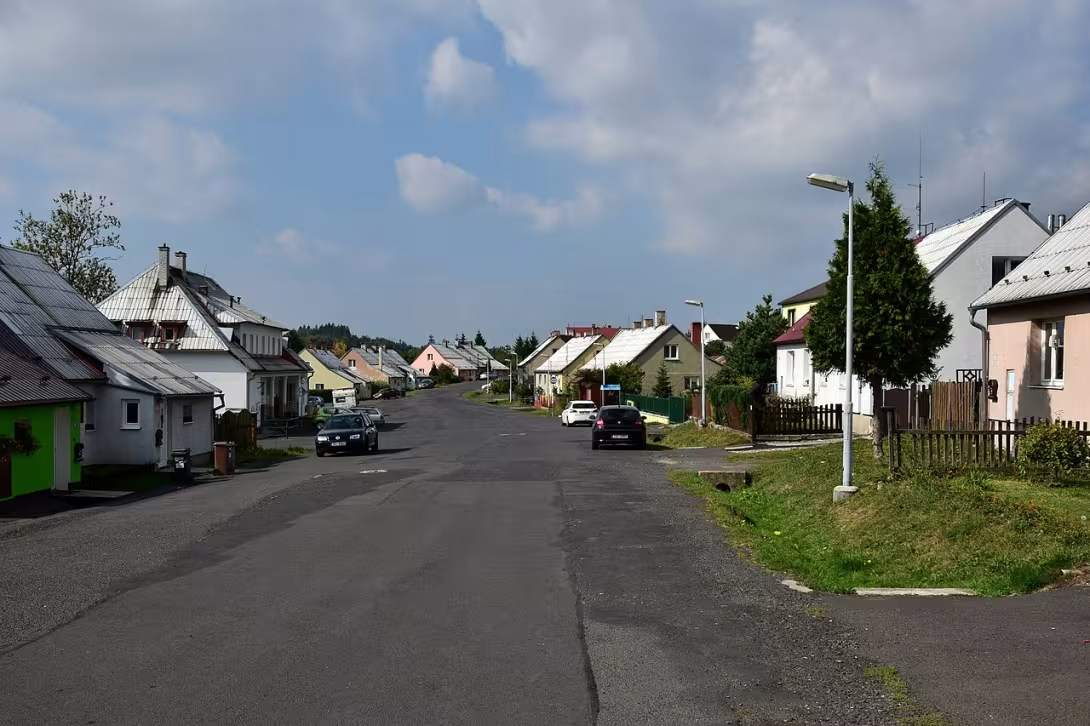

The historical appearance on the left is an AI-generated visualisation and serves as inspiration only.
Historical milestones
- 1289
- mention of Zeman Bened from Bražek as a witness on the list
- 1316
- first written mention of the fort
- 1410
- the fort belonged to Jan Svinovka from Svinava
- 1622
- manor transferred to Stroužná Castle
Architectural development
The original building used wood as an important material. Archeologically, 170 cm wide wall and a square tower of 5,5 × 5,5 metres with walls of 120 cm thick were shown. The fortress has an elliptical plan of 35 metres long.
Historical events
1316: first written mention of the fort; 1st half of the 15th century: the fortress burned down and died; 1964: declaration of the fortress for cultural heritage
Owners
Beneda z Bražce (13th century), Jan Svinovec ze Svinavy (1410), Jindřich III. z Plavna (15th century end), Jiří Plick z Plickensteina (1510), Zedtwitz family, Anna Karolina Colonna, Černín z Chudenice (1622)
Points of interest
- It belongs to the oldest preserved fortress in Bohemia. According to archaeological research, it originated in the first half of the 13th century. - The fortress has a characteristic elliptical plan with a longer axis of 35 metres long. - Archaeological probes revealed a square tower with walls of 120 centimeters thick. In the first half of the 15th century, the fortress burned down and died.
Guide
This guide is narrated by a synthetic voice generated by artificial intelligence.
Show guide text
This text was created by artificial intelligence and has not been editorially reviewed. It may contain inaccuracies.
Welcome to the place where time stops and where history touches the earth itself under your footsteps. You are standing on the top that once dominated this region. Even though you now see a quiet landscape and green slopes around you, try to close your eyes for a moment and listen to silence. Underneath this layer of grass and clay lies a story that was once full of life, the noise of working people and the constant vigil of guards. You are located in a place where the fortress Bražec once stood and where the degraded village of Kostelní Horka was located. What you see in front of you is not just random terrain shapes, but the remains of what was once meant to be an impenetrable haven.
Let's move into the Middle Ages together in time. This fortress is not just an ordinary building; belongs to the oldest, which we can find in Czech countries. Its origins date back to the first half of the thirteenth century, until the power structures of our state had yet to be formed, and building solid settlements was crucial for the stability of the entire region. The first clue that allows us to grasp these times left us history in 1289. The name of Beneda from Bražek appears in those papers. This man was a scoundrel and acted as a witness in important documents, which tells us that the House of Bražc had its place and weight here at the time. The first direct written mention of the fortress itself came several decades later, in 1316. Imagine the era - a world where every fortress had its meaning and where every mountain could serve as a strategic point to protect the surrounding territory.
Now pay attention to what you can see right here in the very structure of this place. Even if you don't see tall stone walls or roofs today, the ground plan of the fort is still relentlessly readable. If you look around you, notice this characteristic elliptical shape. The entire fort was stretched in an axis approximately 35 meters long. This modification of space was not random, but was the result of an effort to best defense. Do you see these deeper and higher parts? These are the remnants of the waves and trench that were meant to make it impossible for the enemy to access the core of the fort. The archaeological research that has taken place here over the years has revealed to us the details that are escaping your eye at first sight. Under the layers of the earth there is a wall wall and a trace of a square tower. Imagine the mass - archaeological probes confirmed that the walls of this tower were up to 20 centimeters thick. This is the incredible power of design that was supposed to carry the weight of time and resist all the dangers of time. This thickness of masonry clearly tells us that it was not just a residential house, but a real fortified fortress.
The history of this place is not only about stones, but above all about the people who lived here and made decisions. The fortress was a home for various noble families, which gradually took turns. In 1410, this fortress belonged to Jan Svinovka of Svinava. This was a period of very stormy times when each firm hold had its strategic importance for survival and power. Later, in the seventeenth century, the fate of this place merged with the wider kingdoms. In 1622 the fort was transferred to Stružná Castle, which meant that its role changed from a separate mansion to a part of a larger whole. Other important names like Jindřich III. z Plavna or Jiří Plick z Plickensteina have appeared here in history. Each of these names left an invisible mark in this place and each of them perceived this fort as his home and his protection.
Here, however, there is also the greatest mystery that might interest you. Why did this significant fortress, one of the oldest in the Czech Republic, eventually disappear? Why don't the monumental walls rise above this place today, but only the silent wall and the moat? Where was the whole village of Kostelní Horka that once lived here in close proximity? It's a fascinating contrast between the monumental history that archaeologists dug out of the earth and today's calm that exists here. The thick wall of the tower, the three-inch stone that once stood right here, is now just a memory hidden in the dirt. It is a place where human ambitions have encountered the inevitable course of time.
Before you go on your journey, I suggest you enjoy the beauty and silence for a while. Walk along these valleys, try to imagine how people moved here in the sixteenth or fourteenth century, how they followed the surrounding landscape from the wall, and how the fort to life was awakened here in stormy days. Every piece of this country has a story and you've just become a part of it. Thank you for coming to learn more about this forgotten but incredibly important piece of our history. We wish you a pleasant next tour and a beautiful day in this historic landscape.
Tips for visitors
The best time to visit Bražka is in the spring or autumn period when weather conditions are favourable and vegetation offers a beautiful background. This historic room is also suitable for those who look for a quiet place without too many tourists.
Parking is possible at reserved parking lots nearby or if you arrive by car from a distance, you can use public transport. For precise connection and route, we recommend checking the current options using the online search engine.
When visiting Bražka it is advisable to take with you shoes or comfortable shoes because the terrain can be impenetrable. Also remember the protective sunglasses and plenty of drinking water, especially in the summer months.
For photography is the best time of the afternoon when light becomes warmer. The best places for photos are from the top where you can capture panoramic view of the surrounding landscape and the remains of the fortress.
In the vicinity of Bražka it is possible to visit the Military Újezde Hradiště, which offers interesting walks around historical locations. The 2249 cycling route leads around the extinct village of Kostelní Horka and is ideal for cyclists looking for a quiet ride.
Frequently asked questions
Is Bražec open to the public?
Yes, Bražec is open to the public. You can visit it after previous arrangement with the owner. We recommend that you contact the owner in advance to prepare for your visit.
How do I get to the place by car / public transport?
You can get to Bražce by car after local communication. The nearest public transport stop is about 2 km from the castle and can be used for walking.
How much is the entrance fee and is it paid on the spot?
Entry to Bražka is free. Payment is always made in advance in agreement with the owner.
Is the tour suitable for children and seniors?
Yes, Bražec is also suitable for families with children. For seniors, access to the castle is easy to access, but we recommend consulting the possibility of visiting with your health.
How long does the tour take?
You can visit the castle at your own pace. We recommend at least 1 hour for a tour so you can see everything and experience it thoroughly.
What are the opening times and booking is required?
Bražec is accessible by prior agreement with the owner. We recommend that you contact the owner in advance to prepare for your visit.
What's interesting in the immediate vicinity?
In the immediate vicinity of Bražka you will find a picturesque landscape with forests and meadows. We recommend visiting a nearby village where there are several historical buildings and catering options.
For kids
Imagine going back to the past in the Middle Ages. You stand before a mighty castle that dominates the surrounding landscape like a rock in a storm. This is Bražec, the castle that stood at the birth of Czech history.
It was like a big family farm where the Brazca masters and their people lived. They took care of agriculture, hunting and animal husbandry. Gentlemen in the castle ruled and protected their people from dangerous invaders.
Businesses nearby
Do you run a restaurant, accommodation, shop, museum, rental, wellness or other visitor service near this monument? Show yourself directly to the people heading to it — this is how they will see you in the app and on the web:
Nearby
The extinct village of Kostelní Horka, the Military Departure of the Hradiště, the cycling route No 2249.
Accommodation nearby
Trips and activities nearby
Guided tours, tickets and activities nearby from GetYourGuide
Affiliate link: if you buy from the partner, we may receive a commission. The price for you does not change.
Search tours and activities →Themed route
1. Cycling route No 2249, cycling route. It serves as a connecting route for movement in this area. 2. Bražec (fortress), historical monument. The main destination of the trip, which represents the most important item in the programme. 3. Vanished village Kostelní Horka, a historic place. This site allows us to observe the remains of the former settlement. 4. Military retreat Hradiště, territory. Extensive area that forms a specific environment for the entire route.
Seasonal recommendations
Spring: In the spring season the still life around the former fortress Bražec is revived by flowering shrubs and trees that create beautiful colors. Sun rays are projected through foggy air, which gives the atmosphere a romantic tone. When visiting it it is advisable to arrive in the early afternoon when temperatures are pleasantly mild and the crowds are still few. It is recommended to wear comfortable shoes for walking on possible wet paths and not forget the sunglasses to make the spring light experience full.
Summer: Summer Bražec is a popular place for afternoon walks in quiet nature. The sun day offers ideal conditions for exploring the history and nature of the area, but at the same time you need to be careful about possible overheating. It is recommended to visit in the early afternoon or later in the evening when temperatures are lighter and crowds are less. Don't forget the umbrella, the sun rescue and enough drinking water to make the visit as pleasant as possible.
Autumn: In autumn the Bražec offers a unique atmosphere with colorful leaves and mild temperatures. The sunny days are ideal for walking in peace, while the less sunny days bring a magical tone to the landscape. Since autumn is a period of relatively low temperatures, it is recommended to wear more layers of clothing and not forget blankets for cold evenings. The best time to visit is in the early afternoon light, when nature is still full of life.
Winter: Winter Bražec offers peace and quiet beauty covered with snow of the countryside. Short days require an earlier visit in order to benefit from favourable sunlight. Hot clothes are essential for resisting cold and snow as well as protective legs on freezing roads. The opening hours are shorter in winter, so make sure you plan your visiting time according to the availability of the monument. This season offers a peaceful experience for those who seek escape from urban life.
Visualizations and artistic views


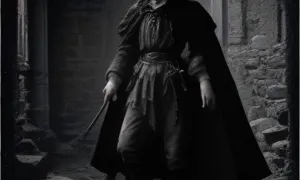
The visualisations are generated by artificial intelligence and serve as inspiration.
Photos from the area
Real photos taken near the monument

Zdroj a licence jsou uvedeny u každého snímku.
Atmosphere of the place
This atmospheric visualisation of the place and period was generated by artificial intelligence. It is not real footage of the location.
Tips from visitors
No tips yet. Be the first!
Log in and add your tip.
Sources and literature
Faktickým podkladem tohoto textu byl článek na Wikipedii, jehož autory jsou přispěvatelé Wikipedie. Článek je dostupný pod licencí CC BY-SA 4.0.
Location on the map
Příběhy a pověsti
Legendy, pověsti a příběhy spjaté s touto památkou
Fotografie návštěvníků
Zatím žádné fotografie. Buďte první, kdo přidá fotografii z návštěvy!
Přihlaste se a přidejte svou fotografii nebo hodnoťte.
Za ověřenou návštěvu v aplikaci získáte víc bodů — poznáme podle GPS, že jste na místě.
Reviews and comments