






Budčický mlýn Mill
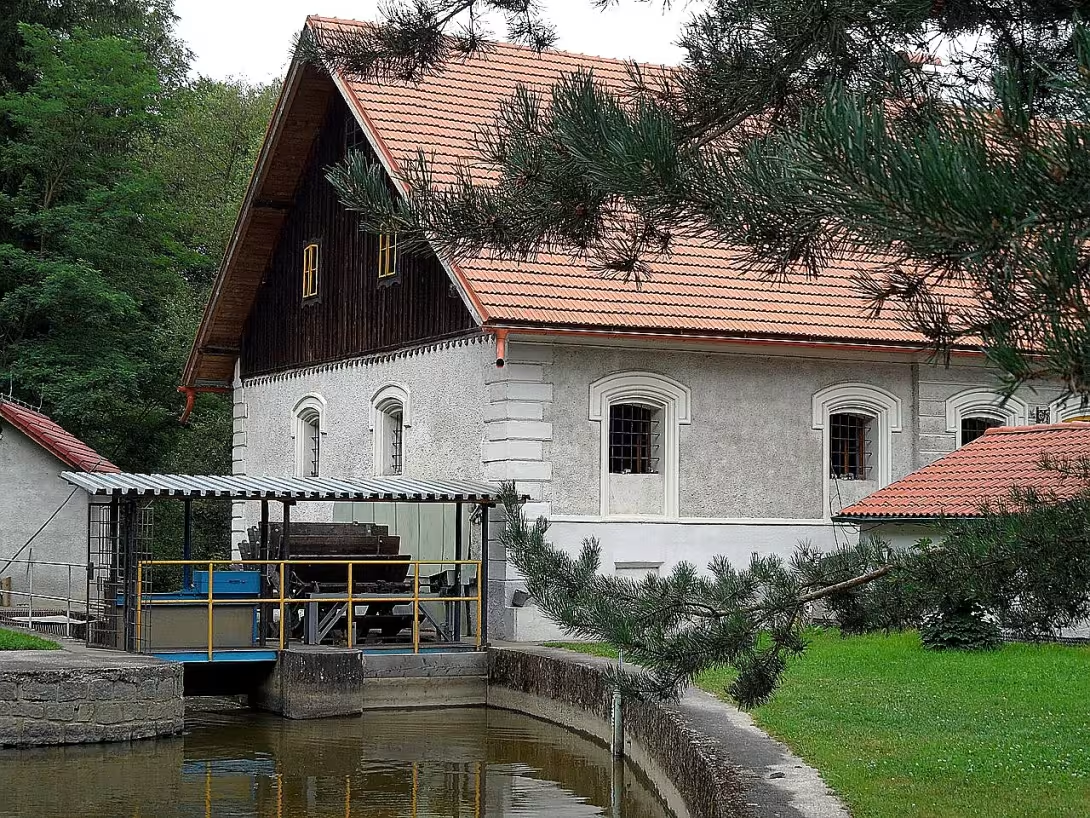
Budčický mlýn in Budčice near Vlastějovice on the river It is a protected cultural monument with partially preserved facilities. It stands at 115,9 km of the river near the lake and includes without careful protection also the former economic buildings and defined grounds of the complex.
The first documented tracks are from the urbarian from 1587, where the water mill in Budčice is already registered. In 1802, the mill established a master iron rod with a high furnace and two hams. This industrial complex developed and was bought and rebuilt in 1866 by the brothers Josef, Václav, Ludvik, Adolf and Jindřech Svobovy from Vienna. The blast furnace went out in 1874. Later, the Mound was taken over by the Lower King's mayor Antonín Lanz, but the construction gradually decayed and was demolished in 1890. From that time the island of Sazava was preserved consisting of blue slag, by-product of melting iron ore.
In 1892-1893, a new mill was built by Prague lawyer Josef Vanek, who rented it. The mill included 12 hectares of fields, a bow and an island. The operation employed an old age, two mill assistants, two maids, a driver and seasonal workers. In 1928, the widow sold the property to a new owner who modernized the facility: he cancelled two rounds and replaced them with one more powerful, rebuilt and ate. However, this modernisation has led to debt; the owner sold nine hectares of fields and in subsequent operation rented the mill for an annual rent of 12,000 crowns.
In 1953 the mill was forced to close, but two years later it was restarted. In 1958 it was closed again and nationalized in 1959. After 1990, it was restituted by the family of the original owner. The renewal started in 1992 and continued; in 1998 the mill was opened to the public as a museum after repair. The floods in 2002 and 2005 caused considerable damage, but the biggest was the flood in 2006, which flooded the whole ground floor and permanently damaged the water wheel.
The water comes from the poison of the drive to the water wheel and returns to the river through the drain channel. Jez measures 89 meters, in 1928 he was modified with a new concrete vore release. Originally, the mill had three water wheels in 1893, replaced by one more powerful in 1928. Around 1930, the flow rate was 1.042 m ³ / s at a drop of 1.2 meters with a power output of five horsepower. Since 2015 there has been a small hydropower plant with one Kaplan turbine with a power output of 40 kilowatts.
Original technology equipment from 1893 was preserved, including a wood wheel for the bottom water and a renovated electrical distribution from marble with alternating generator. A group of protected lepers is growing around the mill. This way leads tourist route number 0001 from Chøenovice to Beroun, which allows visitors to know the mill and landscape of the river Sazava.
Historical milestones
- 1587
- First mention of the water mill in the urbarian.
- 1802
- The establishment of a manor iron-metal smelter with a high kiln and two hams.
- 1890
- The demolition of the extinct iron smelter.
- 1998
- Restore and open as a public museum.
Architectural development
Originally, the mill was part of the iron smelter founded in 1802. A new mill was built between 1892 and 1893, which contained original equipment from 1893. In 1928 there was a modernization with the replacement of two wheels with one more powerful and reconstructing the lake. After the forced closure in 1953, the mill was restarted, nationalized in 1959, and restituted to the family of the original owner in 1990.
Historical events
- 1802
- Establishing a iron smelter with a high furnace and two hams.
- 1890
- The demolition of the extinct iron smelter.
- 1998
- Restore and open as a public museum.
Owners
- 1802
- 1866
- 1890
- 1928
- 1953
- 1990
Points of interest
- Budčický mlýn is a protected cultural monument with partially preserved facilities.
- The first documented tracks of the mill come from the urbarian from 1587, where the water mill is already registered.
- In 1802, a master iron mill was set up with a high furnace and two hams, which later was taken over by Antonín Lanz.
- In 1892-1893 a new mill was built by Prague lawyer Josef Vanek.
- Since 2015 there is a small hydroelectric power plant with one Kaplan turbine with a power output of 40 kilowatts.
Guide
This guide is narrated by a synthetic voice generated by artificial intelligence.
Show guide text
This text was created by artificial intelligence and has not been editorially reviewed. It may contain inaccuracies.
Welcome to the Budchicka Mill. You are standing in front of one of the most interesting technical monuments in our country. In front of you there is a historic mill that stands on the bank of the Sazava River in the village Budčice. The mill is protected as a cultural monument of the Czech Republic and its original equipment from 1893 including mill technology and local water lift is still preserved.
Let's move on to history. The first mention of the water mill in this location dates back to 1587. The Urbarian from that time already mentions the mill. In 1802, the mill established a master iron smelter with a high furnace and two hams. It was later taken over by Antonín Lanz. In 1890 the mill was demolished and the mill was built in its place, which stands before you today. The construction of the mill was commissioned by the lawyer Josef Váňka and completed between 1892 and 1893.
Note that the mill is built in a neo-gothic style. Look at the facade, which is richly decorated. This style is characteristic of the architecture at the time and can be seen on many other buildings in the surroundings. Now pay attention to the water lift. It's part of the mill that allows water from the river to power the mill. Water was the main source of energy at the time and was used for various industrial purposes.
Budčický mlýn is also associated with several interesting personalities. One of them is Antonín Lanz, who took care of the mill in the 19th century. The next person behind the mention is Josef Svoboda z Vídně. Their names appear in historical records and are an important part of the history of the mill.
The interesting thing is that in 1998 the mill was restored and opened to the public. Today it is possible to look at its original equipment and learn more about its history.
Come with us to explore the mill and find out more about its interesting details.
Tips for visitors
The best time to visit Budčický mlýn is in the spring or autumn period, when vegetation in the surroundings is best developed and the climate is pleasant. This time of year also offers ideal lighting conditions for shooting the mill and its surroundings, especially at noon or evening.
We recommend the use of a passenger car for arrival, but the place is also available by public transport.
When planning a visit, we recommend taking protective clothing with us because conditions can be variable. It is also important to have drinks and refreshments with you, as the surrounding areas may not offer enough options to eat or drink.
The mill itself and the surrounding group of protected lepers are the best places for photography. The best light offers noon, when the sun is at the highest level and illuminates the area evenly.
In the vicinity of the mill you can visit the tourist route 0001, which leads from Chøenovice to Beroun. This route is suitable for families with children, as it offers beautiful regions and opportunities to learn about nature. Children can also look forward to discovering different kinds of plants and birds during walks.
Frequently asked questions
Can the monument be visited?
Some buildings of this kind are open for guided tours, others serve another purpose or are privately owned. We have not verified whether and when this monument is open – please ask the operator.
What are the opening hours and admission?
We have not verified the opening hours or admission. Current information is published by the operator.
Where is the monument?
Location: Budčice č.p. 9, Vlastějovice, Středočeský kraj. The map on this page shows the exact spot.
Why is the monument protected?
It is listed in the Central List of Cultural Monuments of the Czech Republic as a cultural monument (register no. 13986/2-2837).
For kids
Imagine going back to a time when the earth was full of secrets and magic. Vlastějovice, where Budčický mlýn stands today, was a small town where people lived in harmony with nature.
How did it look here? Who lived here? What happened here? The inhabitants of this town were mostly peasants and craftsmen who lived in close proximity to nature. The mill stood in the middle of the village and was his heart. People used to come here for flour and grain to feed and try to revive themselves.
Businesses nearby
Do you run a restaurant, accommodation, shop, museum, rental, wellness or other visitor service near this monument? Show yourself directly to the people heading to it — this is how they will see you in the app and on the web:
Nearby
The mill is located on the river Sazava and its surroundings includes a tourist route 0001 leading from Chřenovice to Beroun. A group of protected lepers is growing nearby.
Accommodation nearby
Trips and activities nearby
Guided tours, tickets and activities nearby from GetYourGuide
Affiliate link: if you buy from the partner, we may receive a commission. The price for you does not change.
Search tours and activities →Themed route
Route: Budčický mlýn and protected Lip Hays
1. Budčický mlýn - historical mill on the river Sazava. The mill is worth visiting for its unique architecture and history. You can learn about his function and technique here.
2. Protected Lip Háje - a group of protected lepers' Lips grows near the mill. These trees are worth visiting for their precious beauty. Here you can learn their history and meaning.
3. Railway bridge over the river Sazavu - railway bridge is located near the mill and is worth visiting for its architecture and history. You can learn about his function and technique here.
4. Railway line Beroun - Havlickova Brod - railway line leads around the mill and is worth visiting for its history and technical attractions. You can learn about his function and technique here.
5. Valley of the river Sazavy - the valley of the river Sazava lies near the mill and is worth visiting for its beauty and natural wealth. Here you can learn its history and meaning.
Seasonal recommendations
Spring: In the spring season Budčický mlýn is surrounded by flowers and greenery, creating a pleasant atmosphere. The specific element is also spring lighting, which creates a warm and cozy environment. We recommend visiting the mill early in the morning or late in the afternoon to avoid large crowds of tourists. The best time to visit is from April to May when the weather is pleasant and nature is in full bloom.
Summer: In the main summer season Budčický mlýn is a very popular tourist attraction. We recommend visiting the mill early in the morning or before the end of daylight to avoid large crowds of tourists. The specific element is summer lighting, which creates a pleasant and relaxed environment. Don't forget to bring an umbrella and a comfortable shoe because in summer it is often muddy and wet soil.
Autumn: In autumn the Budčický mlýn is surrounded by beautiful colour of fallen leaves and green. The specific element is also autumn lighting, which creates a warm and cozy environment. We recommend visiting the mill in late autumn, when the weather is pleasant and nature is in full autumn bloom. The best time to visit is from September to October when the weather is mild and nature is full of colors.
Winter: In winter Budčický mlýn is closed and open only in limited time. The specific element is winter lighting, which creates a pleasant and cozy environment. We recommend visiting the mill in late afternoon or evening to avoid large crowds of tourists. Don't forget to bring warm clothes and comfortable shoes because in winter it is often freezing and snow soil.
Visualizations and artistic views


The visualisations are generated by artificial intelligence and serve as inspiration.
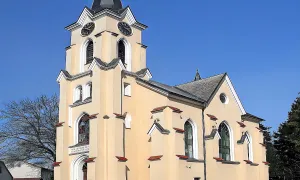
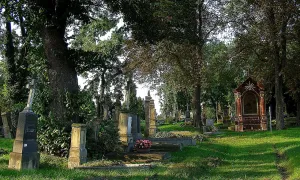
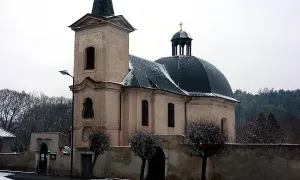
Photos from the area
Real photos taken near the monument


Zdroj a licence jsou uvedeny u každého snímku.
Atmosphere of the place
This atmospheric visualisation of the place and period was generated by artificial intelligence. It is not real footage of the location.
Tips from visitors
No tips yet. Be the first!
Log in and add your tip.
Sources and literature
Photos: Stribrohorak / CC BY-SA 3.0 — Wikimedia Commons. The author and licence also appear when you hover over the image.
Faktickým podkladem tohoto textu byl článek na Wikipedii, jehož autory jsou přispěvatelé Wikipedie. Článek je dostupný pod licencí CC BY-SA 4.0.
Location on the map
Příběhy a pověsti
Legendy, pověsti a příběhy spjaté s touto památkou
Fotografie návštěvníků
Zatím žádné fotografie. Buďte první, kdo přidá fotografii z návštěvy!
Log in a přidejte svou fotografii nebo hodnoťte.
Za ověřenou návštěvu v aplikaci získáte víc bodů — poznáme podle GPS, že jste na místě.
Reviews and comments