






kostel svatého Rocha (Žebrák) Church
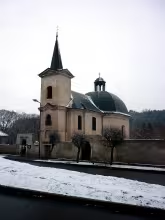
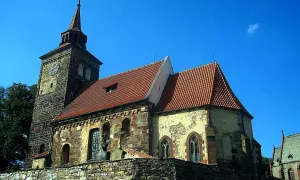
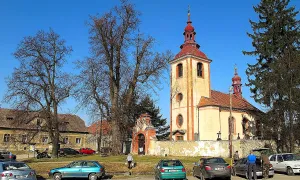
The church of St. Rocha in Žebrác is a cemetery sanctuary built in the 18th century. As a cultural monument of the Czech Republic it is protected and represents an important element of the beggar city cemetery, where it was traditionally used for holding Catholic funerals. Sua's location in the cemetery and the choice of patron shows the specific function he represented in the life of the local community.
The original equipment of the church was rich and artistically valuable. Part of its interior was a painting called The vision of the prophet Ezekiel, dating back to 1610, painted by German mannerist painter Matthew Gundelach. This work represents a valuable example of MMанrist creation, and it has retained its value even after its relocation - over the years the painting has been transported to the main beggar church of St. Lawrence, where visitors can see it today.
The cemetery around the church speaks of the interest of its owners in quality monetary art. One of the most famous works is a marble statue of an angel placed on the tombstone of the Feyreisla family, created by the признted sculptor Václav Levý. The inventory of the cemetery also includes a number of valuable cast iron tombstones produced in the former famous foundries in Komář, which testify to the high level of craft services available to the local elite.
Among the personalities buried in the cemetery are many cultural and public officials. Vojtěch Nejedelý found here last rest as priest and poet. His relative Jan Nejedý, also poet and translator, also resides here. Louis Vorel, historian of the city and member of the Reich Council, has his grave here. From the scientific world can be mentioned Otakar Hnivkovsky, a recognized orthopedic surgeon and a university professor. Josef Volman, an important businessman, also found his last resting place here. Among the buried are Oldřich Nejedý, a football player and a world champion from 1934, who is one of the remarkable personalities of Czech sports history.
The Church of St. Rocha is today an interesting place for visitors to Žebráka where the quality of the Czech artistic craft can be learned from the 18th and 19th centuries. The cemetery tells stories of a great personality and its equipment around it - from marble sculptures to cast-iron tombstones - illustrates the social status and cultural aspirations of the local community in previous years. Visiting the church and cemetery offers an authentic insight into the relationship of Žebrák to its own history and memory of its important sons and daughters.
Then and now
Drag the slider to compare how the landmark may have looked when it was built with the view today.
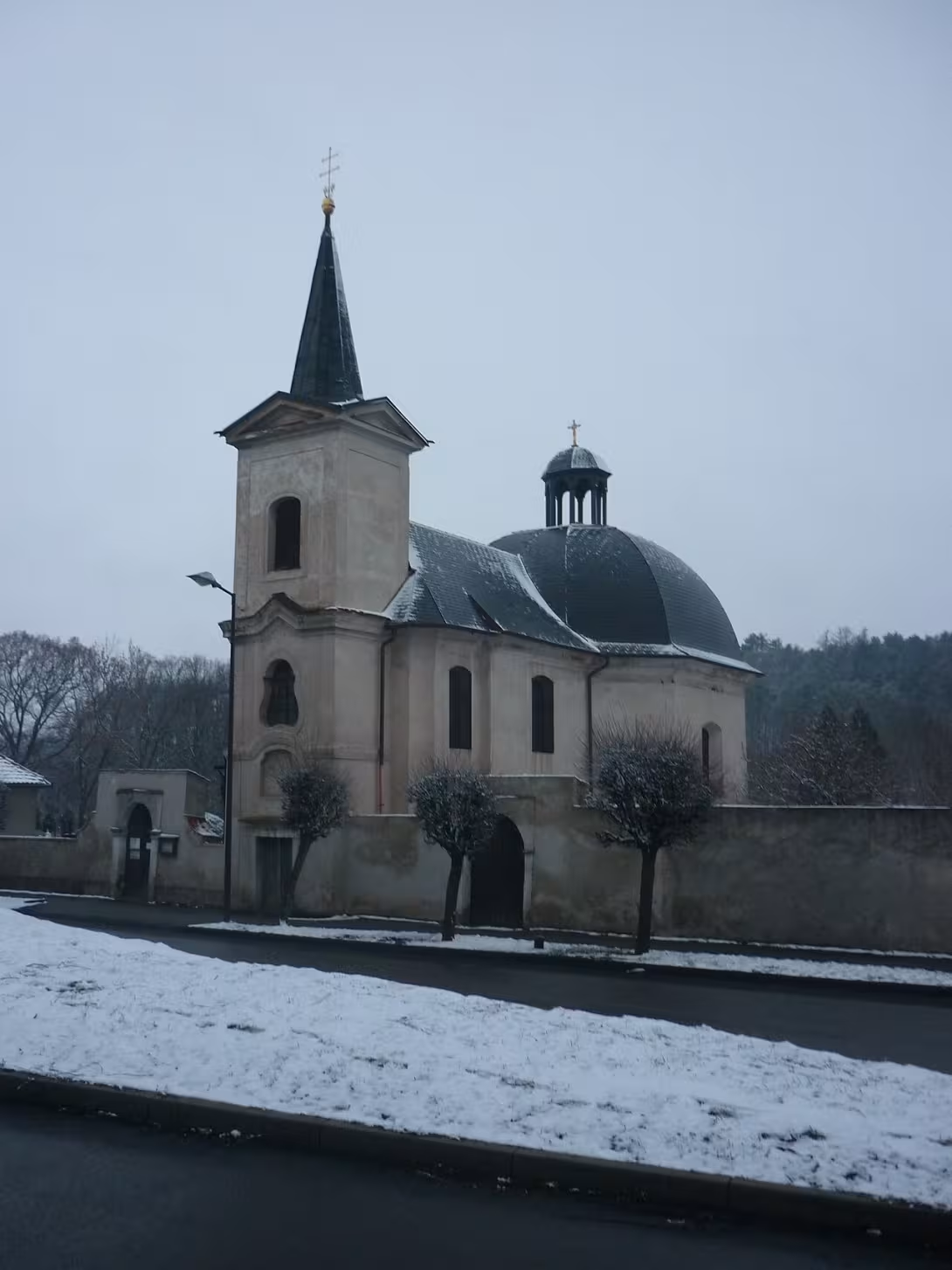
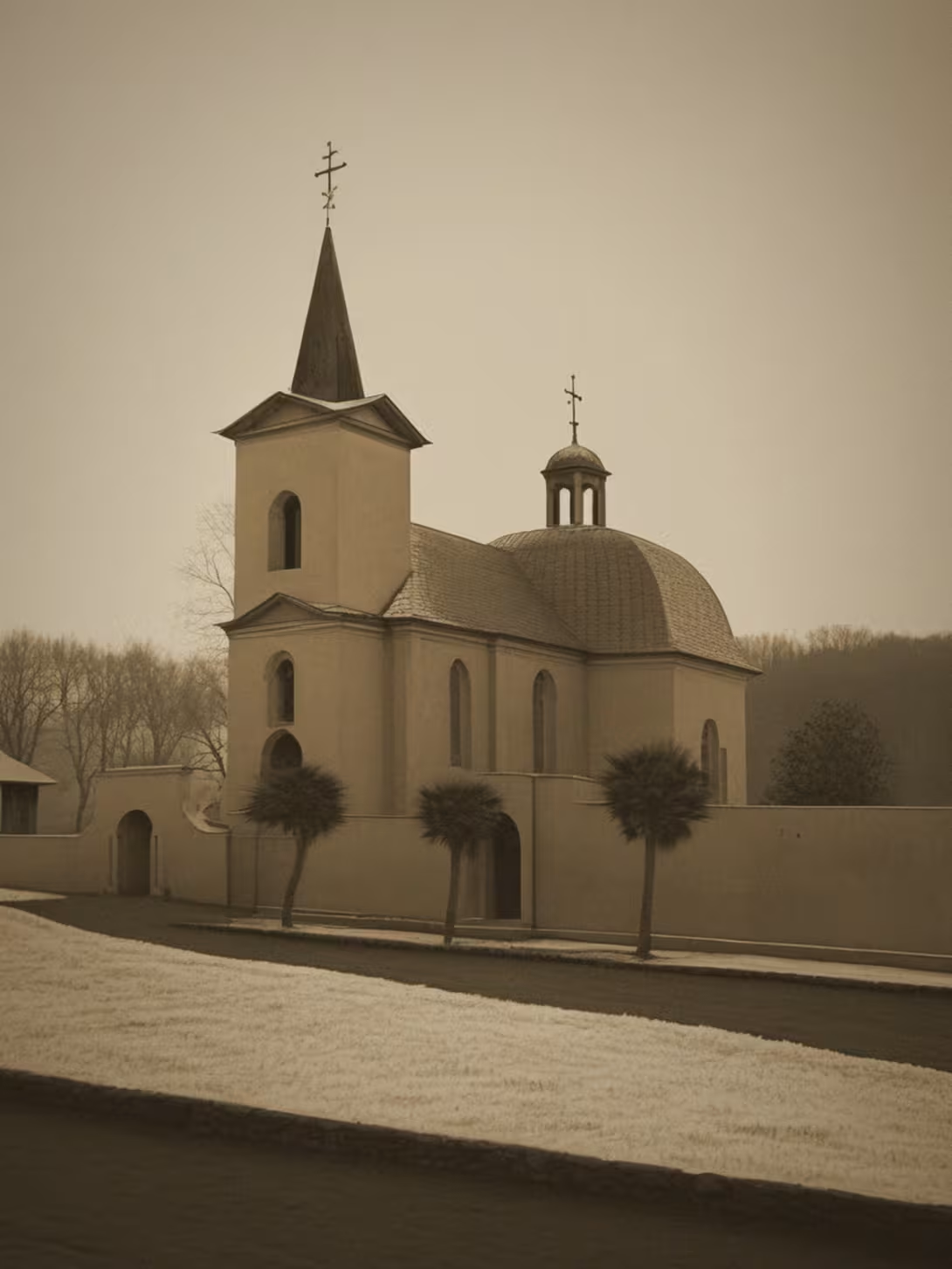
The historical appearance on the left is an AI-generated visualisation and serves as inspiration only.
Historical milestones
- 1610
- The creation of the image of the prophet Ezekiel by Matthew Gundelach
- 18th Century
- Building the cemetery sanctuary of St. Rocha's Church
- 19th Century
- The period of the flowering of artistic craft and funeral arts in the cemetery
- 1934
- Life and Sporting Successes of the footballer Oldřich Nejedný
Architectural development
The church of St. Rocha was built as an addition to the original chapel, which included the construction of a boat and a tower. This architectural development is characteristic of the Baroque period.
Historical events
- 1610
- Making a picture of the vision of the prophet Ezekiel by Matthew Gundelach.
Points of interest
- St. Roch's Church in Žebrác is a cemetery sanctuary built in the 18th century. - The painting called The Seeing of the Prophet Ezekiel, painted by Matthew Gundelach from 1610, was originally part of the interior of the church and is today located in the main beggar church of St.
Guide
This guide is narrated by a synthetic voice generated by artificial intelligence.
Show guide text
This text was created by artificial intelligence and has not been editorially reviewed. It may contain inaccuracies.
Welcome to St. Rocha's Church in Žebrák, a unique Baroque monument set in the calm of the city cemetery. In front of you you have an elegant cemetery chapel with a distinctive facade that invites you to explore its historical depths and architectural hiding places.
The church of St. Rocha was built at the end of the 18th century as part of the expansion of the original chapel, which was located in a central eight-sided shape. This extension of the ship and the tower reflects the typical Baroque style of the time when it was necessary to express the wealth of religious experience through architecture. The original chapel served as a place of prayer and refuge for the local population, trying to express their faith in times of transformation.
Look up at the facade of the church where the Baroque elements intersect with the religious spirit. Note the elegant style and balance in its construction, which attracted many visitors even when the church was still a new testament to faith. Although not known architects, their work remains an important contribution to the cultural memory Žebráka.
The Church of St. Rocha is also connected with several historical figures who have met their fate with this location. Among them are Vojtěch Nejedelý and Jan Nejedelý, both poets who left an unforgettable mark in Czech literature. There were also Louis Vorel, a historian of the city, who was dedicated to preserving the monuments Žebráka, and Otakar Hnivkovský, famous orthoped and surgeon. Let us not forget Oldřich the Unedible, a football player whose life story is closely linked to this location.
The ancient painting "The vision of the prophet Ezekiel" was created by Matthew Gundelach in 1610. Originally located inside the church, today this painting is transferred to the main beggar church of St. Lawrence, where you can enjoy its historical value and artistic beauty.
Let's move closer and look at the tombstones that witness the long-standing tradition of burial in this location. Note the marble statue of the angel, which decorate one of the monuments and gives the church another layer of mysticism.
We begin to say goodbye to this beautiful Baroque shrine, but before you leave, we will invite you to explore the entire cemetery and its other attractions. Save time to immerse yourself in the atmosphere of the past and appreciate the historical context of this monument. Thank you for your visit to St. Rocha's Church in Žebrák!
Tips for visitors
For the best experience we recommend a visit during bright days, when the sunlight will highlight the baroque details of the construction. The ideal time is morning or afternoon, when the light is most suitable for observing architecture.
Transport to the place is possible by car and by public transport; check the current connection and parking possibilities in the village. We recommend using parking places near the cemetery.
Take with you comfortable shoes suitable for walking in the cemetery area and possibly water. Due to the nature of the site, it is advisable to carry any repellents.
The most suitable moments for photography are around sunrise or sunset, when light is soft and baroque architecture is most impressive. The best angles for the images offer views from nearby routes.
Families with children can appreciate the calm atmosphere, but we recommend having small equipment for children to enjoy a peaceful walk around.
Frequently asked questions
Is kostel svatého Rocha (Žebrák) open to the public?
Yes, the church is open to the public. You can visit it during the opening hours.
How do I get to the place by car / public transport?
The best way to transport is to park in a nearby parking lot and then continue on foot to the church. If you want to use public transport, the nearest public transport stop is about 10 minutes walk from the church.
How much is the entrance fee and is it paid on the spot?
The entrance to St. Roch's Church (Žebrák) is free of charge. There is no entrance fee or tour fee.
Is the tour suitable for children and seniors?
Yes, St. Rocha Church (Žebrák) is suitable for visiting families with children and seniors. The church offers a quiet environment and interesting historical information.
How long does the tour take?
A tour of St. Rocha Church (Žebrák) usually takes about 30 minutes to 1 hour, depending on your pace and interest in details.
What are the opening times and booking is required?
St. Rocha Church (Žebrák) is usually accessible during daylight. Opening times may vary depending on the season or other events, so it is always good to check opening times in advance.
What's interesting in the immediate vicinity?
In the vicinity of the church of St. Rocha (Žebrák) you will find a quiet and historical environment. You can walk the surrounding streets, visit neighboring parks or make a coffee stop in one of the local cafés.
For kids
Imagine going back to a time when a picturesque town with narrow streets and wooden houses spread out in these places. St. Rocha's church stood in the middle of the square, its tower was the highest point in the area.
How did it look here? There lived many people who fed on agriculture, animal husbandry or craft. Every day there was a lot of life and work. People were meeting in the square to talk about the news from the surrounding villages.
Businesses nearby
Do you run a restaurant, accommodation, shop, museum, rental, wellness or other visitor service near this monument? Show yourself directly to the people heading to it — this is how they will see you in the app and on the web:
Events nearby
Zdroj akcí: otevřená data měst a obcí ČR (Národní katalog otevřených dat) a kalendář akcí Národního památkového ústavu.
Nearby
GPS: 49.877, 13.8926
Accommodation nearby
Themed route
Thematic cruise route around St. Rocha church (Žebrák)
1. St. Rocha Church (Žebrák) - Church The main objective of our route is to visit the historical church of St. Rocha, which stands in the heart of the village Žebrák. This Baroque temple is famous for its architectural beauty and rich history. Visit the interior with its thoroughly preserved frescoes and observe the view from the tower, which offers a view of the surrounding landscape.
2. Local Museum - Museum After exploring the church, move to a local museum located near the church. Here you can enjoy the exhibition which focuses on the history of the village and region. The museum offers interesting information about life in the past and shows artifacts that illustrate local culture and traditions.
3. Park by the church - Park For rest after visiting the museum, go to the park located directly at St. Rocha's church. This green shelter is an ideal place for relaxing and viewing surrounding flowering orchards. The park offers quiet pavements where you can relax and appreciate the natural beauty of the area.
4. Traditional pub - Restaurant After a tour of the park, relax in a traditional pub near the church. This restaurant offers local specialties that will lead you to the authentic tastes of the region. Here you can enjoy Czech food and enjoy traditional drinks.
This route offers a comprehensive experience of St. Rocha's Church and its surroundings, each point bringing new knowledge and comfort.
Seasonal recommendations
Spring: In the spring season, St. Rocha's church in Žebrák becomes a magnificent flower paradise when the surrounding gardens and quarries begin to bloom. Sun rays penetrating the church windows provide the interior with a delicate atmosphere of restoration. For the visit it is advisable to equip yourself with warm clothes, because the morning and evening can still be cold. The best time for a tour is at noon, when the sun warms the soil and provides ideal light for photography.
Summer: Summer brings full sun days and long evenings that allow a long visit to St. Rocha's Church. In this period the gardens around the monument will turn into a living floral web, which gives the tour a colorful character. Days can be very hot, so it is advisable to take a protective sun helmet and plenty of drinking water. It is recommended to come to the church before the crowd peaks begin to enjoy peace and beauty without disturbing elements.
Autumn: In the autumn period the surroundings of St. Rocha's church will turn into golden and red landscape picturesque. The leaves fall with a quiet murmur, which gives the atmosphere a melancholy touch. Sunshine days are still common, but the evening is getting cold fast, so it is advisable to prepare warmer clothes for a visit. This time of year is ideal for a quiet tour without many tourists, which allows you to enjoy the historical church in a mild environment.
Winter: Winter visit to St. Rocha Church offers a unique atmosphere. The church rises above the snow cover, giving it a romantic and mysterious look. Sunshine days may be beautiful, but because of the cold it is advisable to prepare warm clothes, both for outdoor areas and inside the church. The opening hours of the monuments may be reduced in winter, so it is important to check the current traffic information before visiting. This time of year is ideal for quiet moments of thinking and using a quiet environment without many other tourists.
Visualizations and artistic views


The visualisations are generated by artificial intelligence and serve as inspiration.
Photos from the area
Real photos taken near the monument


Zdroj a licence jsou uvedeny u každého snímku.
Atmosphere of the place
This atmospheric visualisation of the place and period was generated by artificial intelligence. It is not real footage of the location.
Tips from visitors
No tips yet. Be the first!
Log in and add your tip.
Sources and literature
Fotografie: Martesing / Public domain — Wikimedia Commons. The author and licence also appear when you hover over the image.
Faktickým podkladem tohoto textu byl článek na Wikipedii, jehož autory jsou přispěvatelé Wikipedie. Článek je dostupný pod licencí CC BY-SA 4.0.
Location on the map
Příběhy a pověsti
Legendy, pověsti a příběhy spjaté s touto památkou
Fotografie návštěvníků
Zatím žádné fotografie. Buďte první, kdo přidá fotografii z návštěvy!
Přihlaste se a přidejte svou fotografii nebo hodnoťte.
Za ověřenou návštěvu v aplikaci získáte víc bodů — poznáme podle GPS, že jste na místě.
Reviews and comments