






budova jezuitské koleje v Olomouci Other
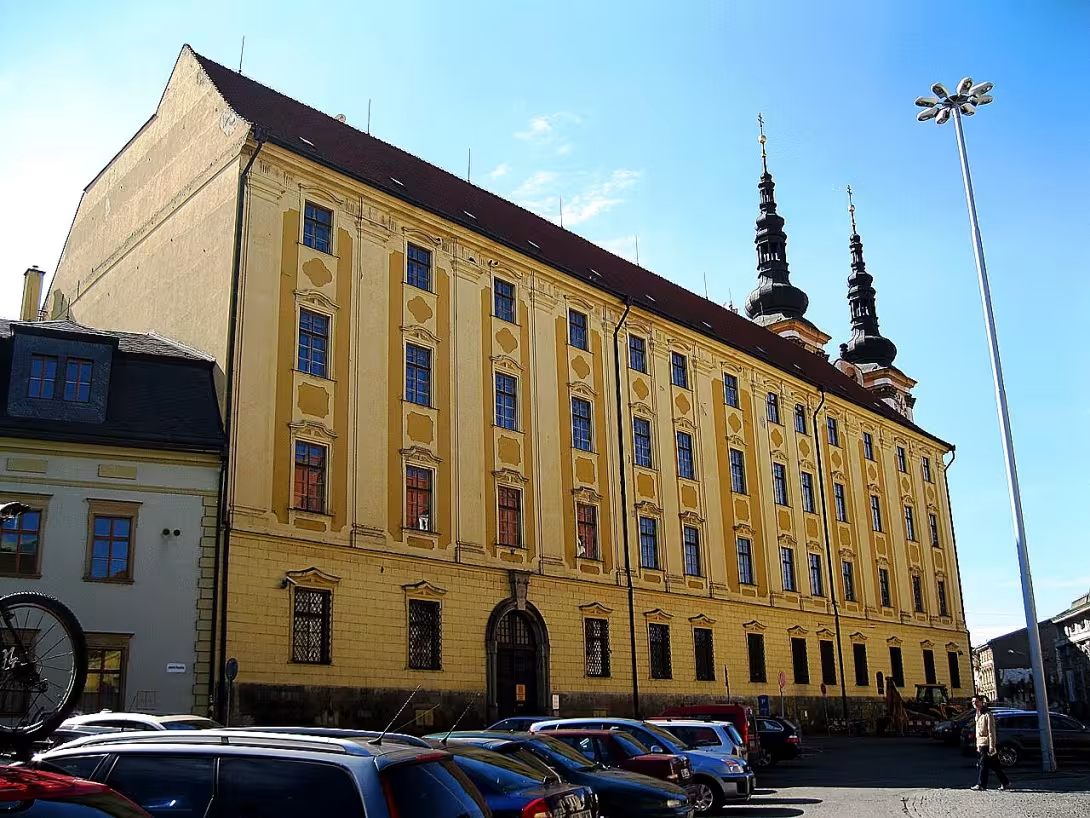
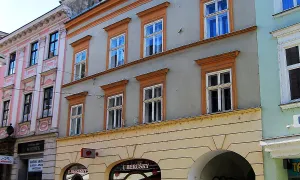
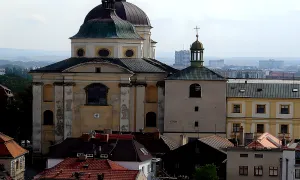
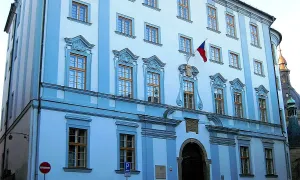
The Building of the Jesuit College in Olomouc is a historically significant structure located at Náměstí Republiky in Olomouc's heart. Constructed between 1566 and 1722, it served as the seat of the Jesuit college, which later became part of today's Palacký University. The complex showcases Baroque architecture with contributions from notable architects like Lukáš Glöckel and Wolfgang Reich. Over time, its purpose has evolved to house the Administrative Archive of the Czech Army. This monument is notable for its architectural grandeur and historical significance, including its association with General Lafayette during his imprisonment.
Established in 1566 by Bishop Vilém Prusinovský as a Jesuit college, it initially played a crucial role in education and religious reform during the Counter-Reformation period. After the suppression of the Jesuits in 1773, the university became state property. In 1785, the military took over the complex, marking a significant shift in its use. Post-1990, parts were allocated to Palacký University and the Regional Museum, reflecting its continued educational importance.
Architecturally, the building underwent significant development from its initial construction in 1566. Major Baroque additions occurred between 1711 and 1722, resulting in a complex of four interconnected three-story buildings. The library hall and refectory were adorned with frescoes by Jan Kryštof Handke, completed between 1726 and 1730. These elements reflect the Jesuit emphasis on education and religious devotion, showcasing the artistic and architectural advancements of the Baroque period.
Ownership and administration have seen dramatic changes over time. Founded in 1566 by Bishop Vilém Prusinovský, it was initially under Jesuit control until their suppression in 1773 led to state ownership. The military took over in 1785, renaming it Jezuitská kasárna and later Kasárna Jiřího z Poděbrad. After World War II, the Czechoslovak army used it until parts were allocated to Palacký University and the Regional Museum post-1990.
Key events at this site include the imprisonment of General Lafayette in 1794 during his captivity. As a prominent figure in both the American and French revolutions, Lafayette's time here underscores the building's historical significance beyond its educational role. The complex also served as a military barracks known as Jezuitská kasárna, reflecting its varied uses over the centuries.
Today, the Building of the Jesuit College in Olomouc stands as a monument of cultural and historical importance. It houses the Administrative Archive of the Czech Army, preserving significant documents and records. Visitors can explore parts of the complex, including the Jezuitská Kaple Sodality Panny Marie, which has been preserved thanks to local historians. The building's rich history and architectural beauty make it a worthwhile destination for those interested in exploring Olomouc's past.
The Building of the Jesuit College in Olomouc offers a unique glimpse into the city's historical tapestry, blending educational heritage with military history. Its Baroque architecture and association with notable figures like General Lafayette add layers of intrigue and significance. Visitors are invited to explore this remarkable site, where history comes alive in every corner.
Then and now
Drag the slider to compare how the landmark may have looked when it was built with the view today.
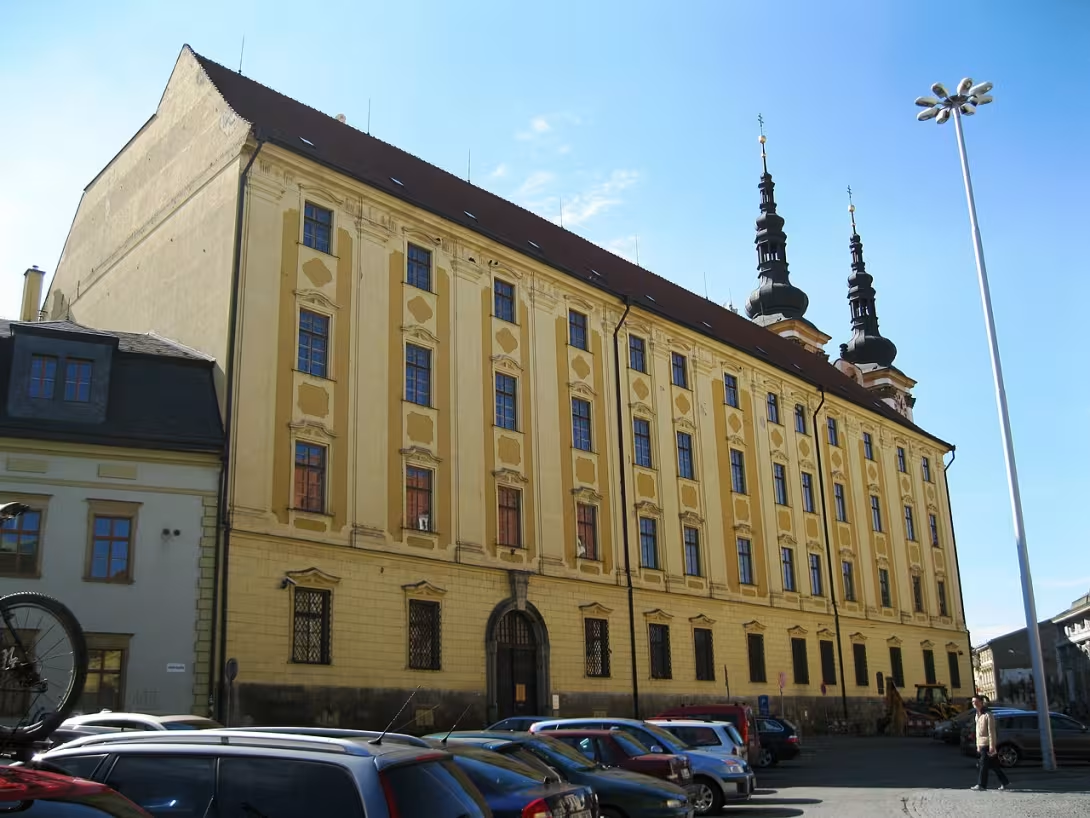
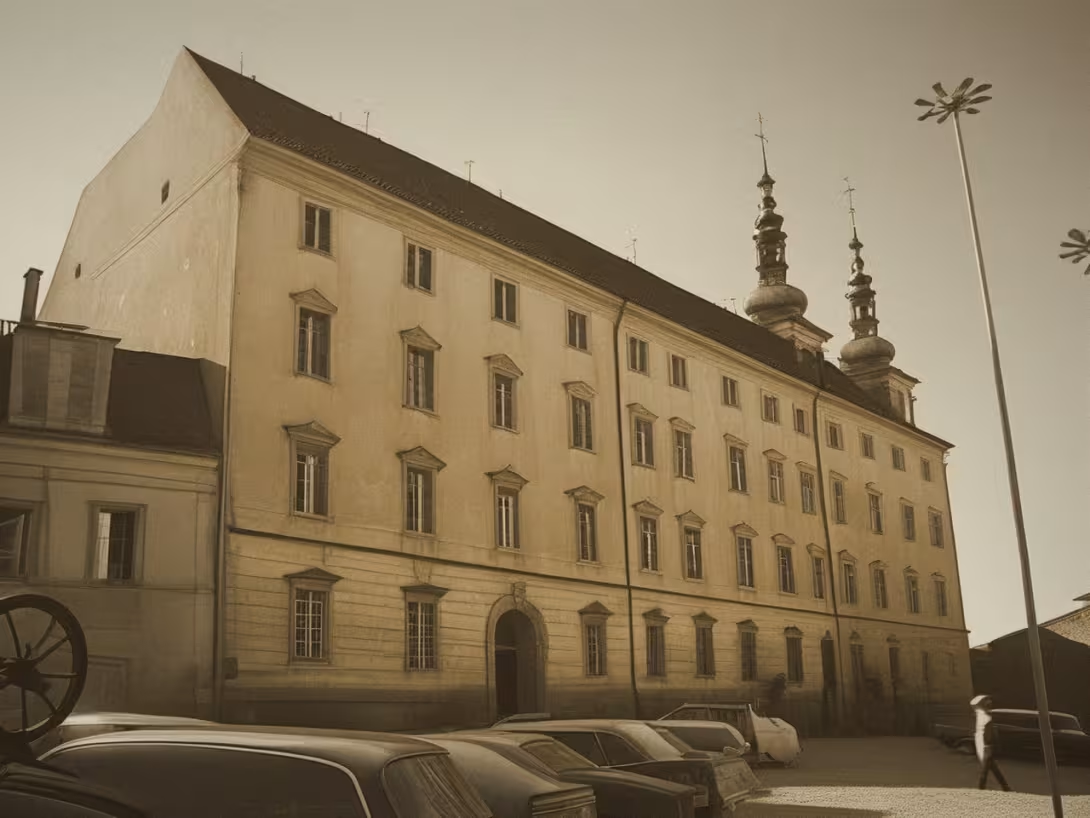
The historical appearance on the left is an AI-generated visualisation and serves as inspiration only.
Historical milestones
- 1566
- Establishment of the Jesuit college by Bishop Vilém Prusinovský.
- 1773
- Suppression of the Jesuit order and state control over the university.
- 1794
- Imprisonment of General Lafayette.
Architectural development
The building underwent significant architectural development from its initial construction in 1566, with major Baroque additions between 1711 and 1722. The complex includes a library hall and refectory adorned with frescoes by Jan Kryštof Handke. It was designed to serve both educational and religious purposes, reflecting the Jesuit emphasis on education.
Historical events
1566: Establishment by Bishop Vilém Prusinovský as a Jesuit college.
1773: Suppression of the Jesuit order led to state control over the university.
1794: General Lafayette was imprisoned here during his captivity.
Owners
Founded in 1566 by Bishop Vilém Prusinovský, the Jesuits initially owned it. After the suppression of the Jesuit order in 1773, it became state property. In 1785, the military took over, and post-1990, parts were allocated to Palacký University and the Regional Museum.
Points of interest
- The Jesuit College's library hall and refectory are adorned with frescoes by Jan Kryštof Handke, completed between 1726 and 1730, showcasing the artistic flair of the Baroque period.
- Despite its initial educational purpose, the complex served as a military barracks known as Jezuitská kasárna after being taken over by the military in 1785, reflecting its adaptability to different roles over time.
- General Lafayette was imprisoned at this site in 1794 during his captivity, highlighting the building's connection to significant historical figures beyond its educational and religious functions.
- The complex underwent a major architectural transformation between 1711 and 1722, evolving into a Baroque masterpiece with contributions from architects like Lukáš Glöckel and Wolfgang Reich.
- After World War II, parts of the Jesuit College were allocated to Palacký University and the Regional Museum post-1990, illustrating its continued relevance in education and cultural preservation.
Guide
This guide is narrated by a synthetic voice generated by artificial intelligence.
Show guide text
This text was created by artificial intelligence and has not been editorially reviewed. It may contain inaccuracies.
Welcome to the historic Budova jezuitské koleje v Olomouci, a remarkable testament to architectural grandeur and educational heritage nestled in the heart of Olomouc. As you stand here, take a moment to absorb the imposing façade that has witnessed centuries unfold—a silent guardian of history and artistry.
The story of this majestic building begins in 1566 when Bishop Vilém Prusinovský established the Jesuit college. This institution was not merely an educational center but also served as a precursor to today's esteemed Palacký University. Over the years, from 1566 to 1722, it evolved into a beacon of knowledge and culture, reflecting the intellectual vigor of its time.
The architecture is nothing short of breathtaking. As you gaze upon the structure, notice the Baroque elements that define its character—courtesy of renowned architects Lukáš Glöckel and Wolfgang Reich. The intricate details speak volumes of their vision, from elegant facades to harmonious proportions that guide your eyes across the building’s expanse.
Now, direct your attention inside where you'll find an extraordinary collection of artistry. In particular, the library hall and refectory are adorned with stunning frescoes by Jan Kryštof Handke, completed between 1726 and 1730. These works epitomize the artistic flair of the Baroque period, enveloping you in a tapestry of color and emotion.
This site is also intertwined with intriguing historical narratives. One such figure is General Lafayette, who found himself imprisoned here in 1794—a testament to the building's role beyond academia as it served various functions throughout history, including that of a military barracks known as Jezuitská kasárna af.
As you explore further, let your curiosity lead you through corridors echoing with stories from centuries past. Each step unveils layers of time and transformation, inviting you to ponder the lives that once moved within these walls.
Before we part ways, I invite you to continue exploring this remarkable site, where history breathes life into every corner. Thank you for joining me on this journey through time at Budova jezuitské koleje v Olomouci. May your visit inspire a deeper appreciation of the rich tapestry that is our shared heritage.
Tips for visitors
The best time to visit the Budova jezuitské koleje v Olomouci is during late spring or early autumn when the weather is pleasant, and the crowds are smaller compared to peak tourist seasons. This timing allows visitors to fully enjoy the historical architecture without the discomfort of summer heat or winter cold. Additionally, these periods often coincide with local festivals that can enhance your experience.
Parking near Náměstí Republiky can be challenging due to its central location in Olomouc. It is advisable to use public transportation for convenience and ease. The city's tram system provides direct access to the area, making it a practical choice for reaching the Jesuit college building. For those who prefer driving, nearby parking facilities should be checked in advance, but remember that availability can vary.
When visiting the Budova jezuitské koleje v Olomouci, consider bringing comfortable walking shoes as you'll likely explore more of the city's historical sites on foot. A camera is recommended to capture the intricate architectural details and serene atmosphere of the building. Since photography lighting can be tricky indoors, try visiting during midday when natural light is abundant.
For families with children, a visit to the Budova jezuitské koleje v Olomouci can be both educational and enjoyable. The historical significance of the site offers a great learning opportunity about Jesuit history and its impact on education in the region. Nearby attractions such as St. Wenceslas Cathedral provide additional points of interest that are engaging for all ages.
Businesses nearby
Do you run a restaurant, accommodation, shop, museum, rental, wellness or other visitor service near this monument? Show yourself directly to the people heading to it — this is how they will see you in the app and on the web:
Nearby
Located on Náměstí Republiky in Olomouc, the building is near historical sites such as St. Wenceslas Cathedral and the Old Town Hall.
Accommodation nearby
Trips and activities nearby
Guided tours, tickets and activities nearby from GetYourGuide
Affiliate link: if you buy from the partner, we may receive a commission. The price for you does not change.
Search tours and activities →Themed route
Thematic Walking Tour of Jesuit College and Surroundings in Olomouc
1. Jesuit College Building
Type: Historical Educational Institution
This iconic building, located on Náměstí Republiky, is a masterpiece of Baroque architecture designed by Christoph Dientzenhofer. It stands as a testament to the rich educational and cultural history of Olomouc, once serving as the Jesuit College's main facility.
2. St. Wenceslas Cathedral
Type: Historical Religious Site
Just a short walk from the Jesuit College, St. Wenceslas Cathedral is an architectural marvel that showcases Romanesque and Gothic styles. Its historical significance lies in its role as a spiritual center for centuries, offering visitors stunning views of Olomouc's skyline from its tower.
3. Old Town Hall
Type: Historical Civic Building
Located near the cathedral, the Old Town Hall is an impressive example of Renaissance architecture with a rich history dating back to the 14th century. It serves as a reminder of Olomouc’s vibrant civic life and offers insights into its administrative past.
4. Náměstí Republiky
Type: Central Square
This central square is not only a hub for local activity but also features several historical buildings, including the Jesuit College and Old Town Hall. It provides an excellent vantage point to appreciate Olomouc's architectural diversity and bustling atmosphere.
5. Jesuit Garden
Type: Historical Garden
Adjacent to the Jesuit College, this serene garden offers a peaceful retreat with beautifully manicured landscapes that reflect Baroque design principles. It complements the grandeur of the college building and provides an ideal spot for reflection amidst historical surroundings.
This tour encapsulates the rich history and architectural beauty surrounding the Jesuit College in Olomouc, offering visitors a comprehensive experience of this historic area.
Seasonal recommendations
Spring: Visiting the Jesuit College in Olomouc during spring offers a refreshing experience as nature awakens around the historic site. The budding trees and blooming flowers create a picturesque backdrop, enhancing the building's architectural beauty with soft natural light that highlights intricate details. Visitors can enjoy relatively mild weather, making it an ideal time to explore without the summer crowds. It’s recommended to wear layers, as temperatures can vary throughout the day. Arriving early in the morning allows for a quieter visit before larger groups begin their tours.
Summer: The Jesuit College shines brightly under the long daylight hours of summer, with its architecture bathed in warm sunlight that accentuates its historical details. This is the peak tourist season, so expect larger crowds and longer lines at popular attractions. To avoid the heat and the busiest times, it’s best to visit early in the morning or later in the afternoon. Comfortable walking shoes and light clothing are advisable, along with staying hydrated. Summer evenings can be pleasant for a leisurely stroll around Olomouc after your visit.
Autumn: Autumn brings a stunning display of colors as the leaves change from green to vibrant hues of red, orange, and yellow, creating a magical atmosphere around the Jesuit College in Olomouc. The cooler temperatures make it comfortable to explore without the summer heat, though evenings can become chilly, so layering is recommended. This season offers a balance between fewer crowds and pleasant weather, making it an excellent time for photography enthusiasts to capture the beauty of the site against its autumnal backdrop.
Winter: In winter, the Jesuit College in Olomouc takes on a serene and almost mystical appearance under a blanket of snow, with the crisp air adding to the charm. The shorter days mean that visiting hours are more limited, so it’s wise to plan your visit accordingly. Dress warmly in layers and wear comfortable shoes suitable for potentially icy conditions. Winter can be quieter than other seasons, offering a peaceful experience away from larger crowds, perfect for those who appreciate a tranquil exploration of historical sites.
Visualizations and artistic views


The visualisations are generated by artificial intelligence and serve as inspiration.
Photos from the area
Real photos taken near the monument


Zdroj a licence jsou uvedeny u každého snímku.
Tips from visitors
No tips yet. Be the first!
Log in and add your tip.
Sources and literature
Photos: Lehotsky / CC BY-SA 3.0 — Wikimedia Commons. The author and licence also appear when you hover over the image.
Faktickým podkladem tohoto textu byl článek na Wikipedii, jehož autory jsou přispěvatelé Wikipedie. Článek je dostupný pod licencí CC BY-SA 4.0.
Location on the map
Příběhy a pověsti
Legendy, pověsti a příběhy spjaté s touto památkou
Fotografie návštěvníků
Zatím žádné fotografie. Buďte první, kdo přidá fotografii z návštěvy!
Log in a přidejte svou fotografii nebo hodnoťte.
Za ověřenou návštěvu v aplikaci získáte víc bodů — poznáme podle GPS, že jste na místě.
Reviews and comments