






Busta Ludwiga van Beethovena Sculpture
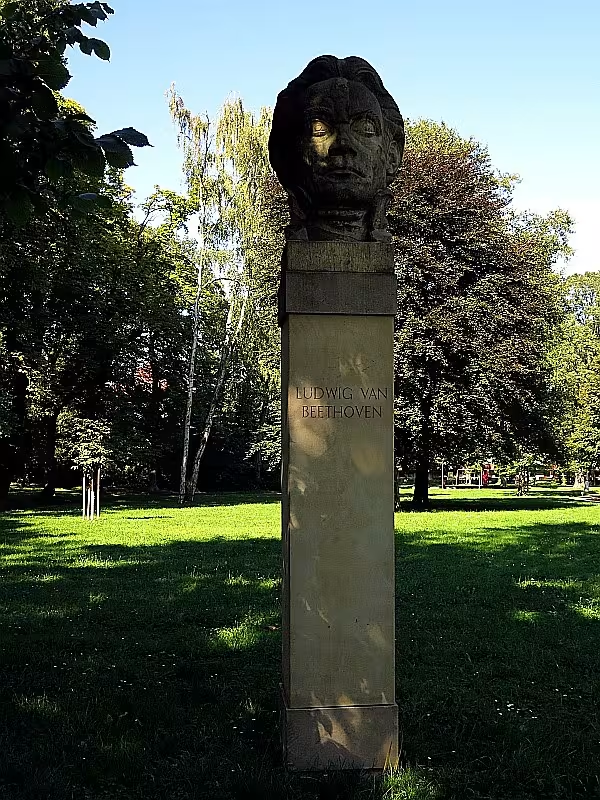
The sandstone bust Ludwig van Beethoven in the village Duchcov (district Teplice) dates back to 1932 and served as a symbol of understanding between Germans and Czechs. The work was created by sculptor Hermann Zettlicher, whose aim was to express the mutual agreement of both nations.
The sculptor chose a medium rough sandstone and built a work on a high smooth prism pedestal marked "Ludwig van Beethowen." The monument is located in the Ústí Region and is registered in the register of cultural monuments under the number 50993 / 5-5901.
This historical trail shows an effort for cultural convergence and offers an interesting stop for lovers of local history and art.
Historical milestones
- 1932
- made by sculptor Hermann Zettlicher
Architectural development
The work is made from medium-coarse sandstone. It is located on a high smooth prism pedestal.
Points of interest
Bust was created as an act of understanding between Germans and Czechs.
Guide
Show guide text
This text was created by artificial intelligence and has not been editorially reviewed. It may contain inaccuracies.
Welcome to Duchcov, a picturesque village in the Ústí Region, which hides many stories of history, culture and human spirit in its streets and squares. You are standing in front of one of the most prominent cultural symbols of this place, in front of the bust of the famous composer Ludwig van Beethoven. Before we dig deeper into the history of this work, let me just freeze up for a moment and feel the atmosphere that rules here. In front of you, the stone resemblance of one of the most influential musical geniuses of all time. Even if it's only a bust, that is, her presence is strong, and she will attract the attention of anyone who comes here. This statue is not only a decorative element of the town's greenery or square, but is protected as a cultural monument, which shows its importance for the local community and for the wider cultural heritage.
Now, let's move on to time and find out how this monument came into being and why they decided to dedicate this music master to her face. Bust was built in 1932, a period when Europe was in a turbulent phase between two world wars. At that time, issues of national identity, cultural coexistence and mutual respect between different ethnic groups were intensively addressed in many parts of Central Europe, including the Czech countries. It is in this context that Beethoven's bust was created. It was not just an artistic order, but above all an act of understanding between Germans and Czechs. At that time there were many German-language residents in Duchcov and around them, who were a significant part of the community. The position of Busta Beethoven, who was a German musician, but whose work was universal and cross national boundaries, was a symbol of the pursuit of peace and common cultural roots. It was a statement that, despite political and linguistic differences, both nations shared love for music and art.
Now pay attention to the work itself and its creator. Bust was created by sculptor Hermann Zettlicher. Although you do not need to know many details about this artist, his work from 1932 shows a high level of sculpture craft at that time. Approach the bust with respect and try to imagine what kind of process the sculptor had to go through in order to cut out such a distinctive shape from hard stone. Although we cannot state with certainty the exact material, if it is not explicitly stated in the background, we can assume that it is a durable stone, suitable for outdoor location that resists weather effects. Look at the facial features the sculptor picked up. Beethoven was known for his intense distinction, and it was this inner strength and concentration that accompanied him in the composition of his famous symphonies that Zettlicher tried to transfer to stone. Note how the bust dominates its surroundings, how it is located so that it is well visible and accessible to residents and visitors. It's a place where you stop, where the traffic of the street shuts down, and where you can forget about everyday worries for a while.
The key personality associated with this place is of course Ludwig van Beethoven itself. Even though he was born in Bonn and lived mostly in Vienna, his name sounds all over the world. He was a composer, pianist and conductor who had a profound influence on the development of classical music. His works, such as nine symphonies, piano concerts or the Fidelio opera, are still played on concert stages around the world. Why him? Beethoven was a symbol of fighting, overcoming obstacles and achieving perfection. His loss of hearing, which later blinded him almost completely in life, did not stop him, but rather forced him to seek a deeper sense in music. For the inhabitants of Duchcova in the 1930s, Beethoven could be a symbol of the power of the spirit that surpasses material and social barriers. It was a bridge between worlds, between the past and the future, between nations that could agree to admire such artistic performance.
The interesting thing that can be intrigued is the context of the creation of this bust in 1932. This year was important in Czech history for many reasons, including political changes and economic challenges. In such an environment, the creation of a work that emphasizes unity and understanding between Czechs and Germans was a generous and courageous gesture. It shows that even in times of increasing tension and ambiguity, people were looking for common values. Music was one of them. So this bust is not only a monument to the musical genius, but also a historical proof of how different groups of people tried to live together in peace and mutual respect in the past. It is a reminder that cultural relations can be stronger than political boundaries.
During the tour you can see how this monument is integrated into the local environment. Duchcov is a community that has a specific character, and this bust is perfectly involved. It is not a monument that would deny the breath of its size, but rather an intimate and welcoming object that invites thought. You can imagine how the locals used to stand here in the past, how they stopped to look at the face of the composer, how they talked about him and how they perceived his music as part of their lives. Today, when you stand here, you are part of this chain of people who visit and appreciate this memory.
In conclusion, I would like to tell you that this bust is proof of how art can transcend time and space. Although many things have changed since 1932, this statue remains here. It's a fixed point in Duchcova history, a place where the past and the present meet. I hope this brief conversation has helped you better understand the importance of this monument and its creator. Before you leave, try to stop for a moment and listen to the silence that rules here. You may hear in your mind the tones of Beethoven's songs, which once sounded here, and which to this day remain in the hearts of people. Thank you for your attention and I wish you a pleasant continuation of your walk on Duchcov. You wish to discover other beauty and stories that this village hides. Let you remember not only the appearance of this bust, but also the sense of understanding and connection with the history that it carries with it.
Tips for visitors
The best time to visit the bust of Ludwig van Beethoven in Duchcov is usually the evening of spring or autumn when the weather is pleasant and the light of the sun allows a beautiful photo. This time also offers a quieter environment for the use of monuments without large crowds.
Parking in Duchcov is available and easy to find, especially near the city center. For those who want to use public transport, there are buses that connect Duchcov to the surrounding areas. Current information about routes and times can be found in the local search engine.
When you visit Beethoven's bust, it's good to bring a camera or a cell phone to capture a beautiful artwork. We also recommend wearing comfortable clothes and shoes because you may want to walk around and enjoy the natural environment.
Shooting a bust of Beethoven is best at noon when the sun lights up the statue from the side. This allows you to capture the details and depth of the work. It can also be interesting to photograph the natural landscape surrounding the monument.
In the vicinity of the Beethoven bust in Duchcov there are several other interesting places. The distance of 30 minutes allows you to visit the historic castle Duchcov, which offers a view of the surrounding landscape and has a museum in it. It is advisable for families with children to visit the still life where children can play outside.
Businesses nearby
Do you run a restaurant, accommodation, shop, museum, rental, wellness or other visitor service near this monument? Show yourself directly to the people heading to it — this is how they will see you in the app and on the web:
Events nearby
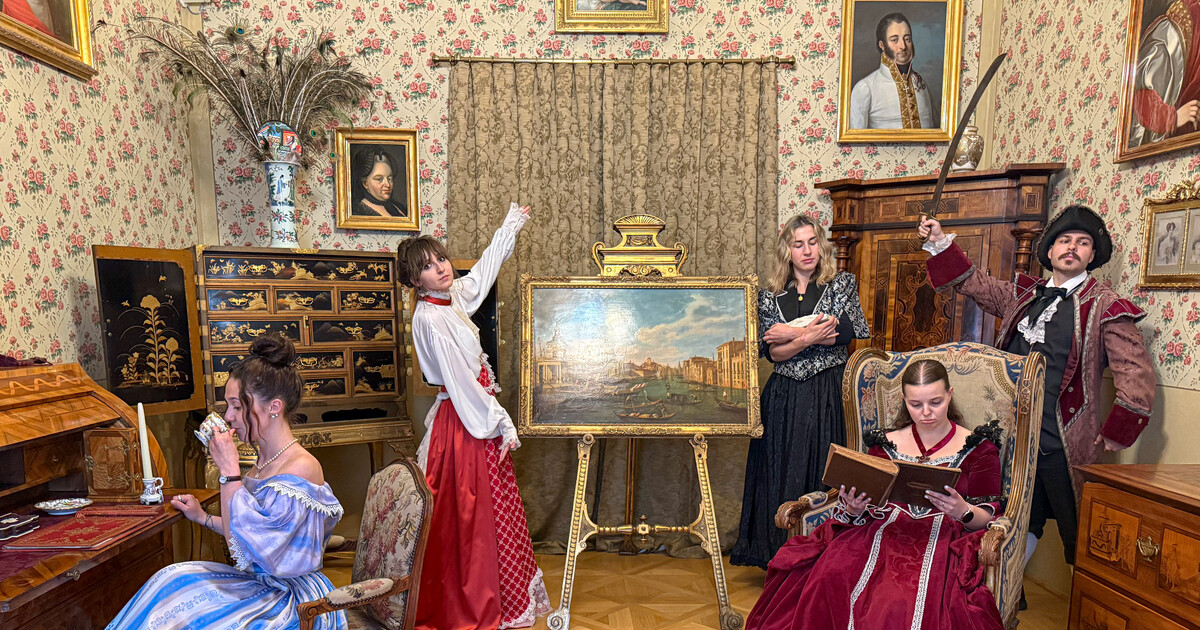
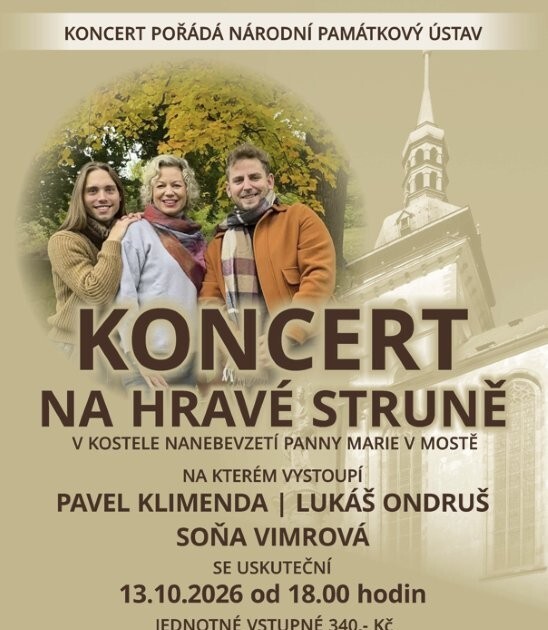
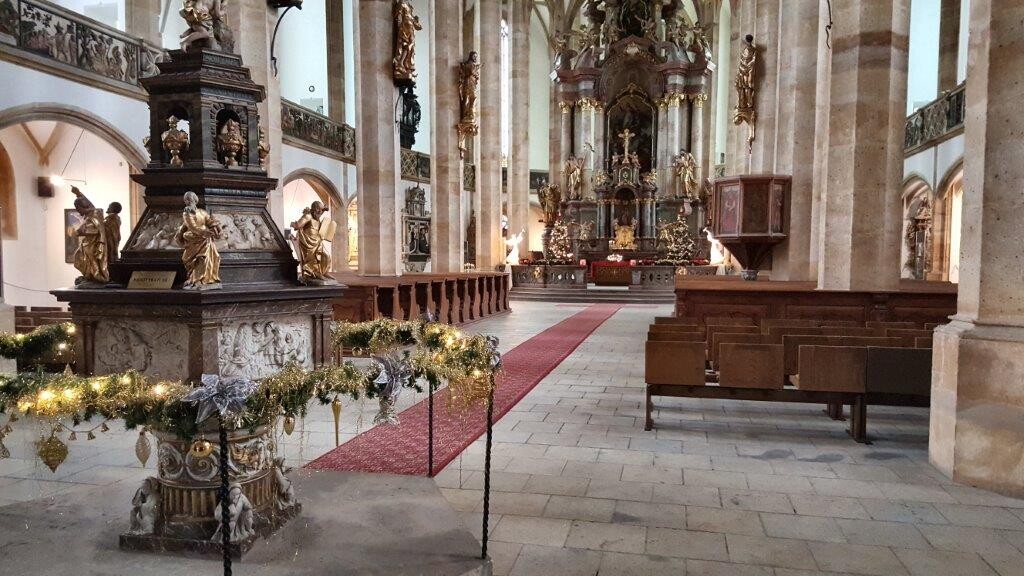
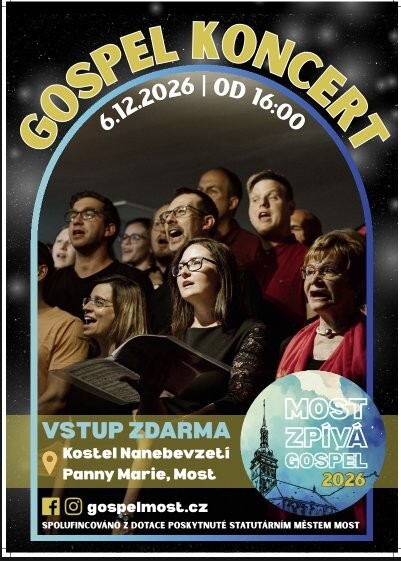
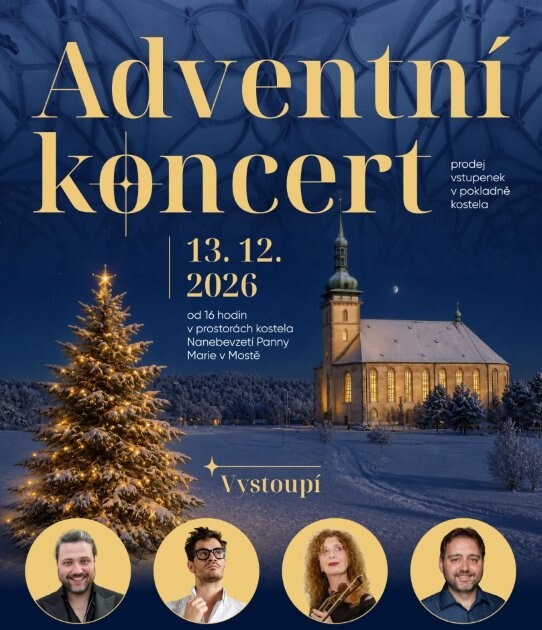
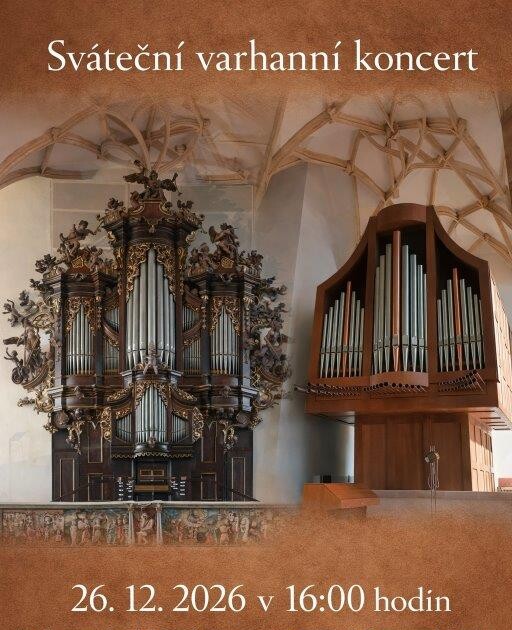
Zdroj akcí: otevřená data měst a obcí ČR (Národní katalog otevřených dat) a kalendář akcí Národního památkového ústavu.
Nearby
➜ Zobrazit interaktivní přehled okolí – restaurace, ubytování, půjčovny a další místa v okruhu 15 km.
Data: OpenStreetMap contributors, okruh 15 km.
🏰 Historické památky
- Památník katastrofy na dole Döllinger (0.6 km)
- Kostel Zvěstování Panny Marie v Duchcově (0.6 km)
- Regionální muzeum v Teplicích (6.3 km)
- Rýzmburk (6.7 km)
- Kalvárie (6.7 km)
- Husitská bašta (6.8 km – Komenského 115)
- 1912 - 1945 (9.4 km)
- 26.10.1918 (10.3 km)
🍽️ Restaurace a stravování
- Nudle (9.0 km)
- tour.Chata (9.3 km)
- Dubín (9.8 km)
- Bystřická Bouda (10.7 km)
- Pizzeria bar Týna (12.1 km)
- Hněvín (12.7 km)
- V + V Rock bar (13.2 km)
- Pizzeria Nautico (13.3 km)
🏨 Ubytování
- Hotel Casanova (0.5 km)
- Motel Sport (0.6 km)
- U Kozičky (6.5 km – Rooseveltova 262/11)
- Hotel u Lva (6.8 km)
- Kemp Kyselka (7.4 km)
- Kemp Kyselka (7.4 km)
- Selský dvůr, s.r.o. (7.9 km – Bílinská 16)
- Hotel Loučky (9.0 km – Máchova 1727)
🚲 Půjčovny a sport
- Tenisové kurty (0.5 km)
- Zelená hala (7.1 km – Tyršova 374)
- Sportisimo (10.1 km)
- Plavecký bazén (10.2 km)
- FITNESS shop (10.2 km)
- D-Sport (10.2 km)
- Killtec (10.2 km)
- Sport Vision (10.3 km)
🥾 Turistika a příroda
- Písečný vrch (7.5 km)
- Doubravská hora (8.5 km)
- Bouřňák (9.3 km)
- Dubí (žst.) (10.1 km)
- Pramenáč (10.4 km)
- Nové Město (žst) (11.2 km)
- Na Skále (12.5 km)
- Komáří hůrka (13.4 km)
Accommodation nearby
Trips and activities nearby
Guided tours, tickets and activities nearby from GetYourGuide
Affiliate link: if you buy from the partner, we may receive a commission. The price for you does not change.
Search tours and activities →Themed route
Main entrance gate - architectural element. It will welcome you in historical style and allow you to easily navigate the premises.
Monuments tank - open space. An ideal place to relax and soak up the atmosphere where you can observe the surrounding greenery and architecture.
Busta Ludwiga van Beethovena - statue. The main destination of the route, represents the famous composer in realistic design and is placed on the elevated pedestal, which underlines its importance.
Beethoven's life exposure - exhibition section. Short information panels and document reproduction bring the visitors closer to the personal story and musical legacy of the composer.
View tower - height building. From the top you will get panoramic views of the village Duchcov and surrounding landscape, which complements the cultural experience of the natural dimension.
Seasonal recommendations
In the spring the Duchcova surroundings awaken to life and the fine sunlight beautifully highlights the details of the statue. Nature around it begins to green, creating a pleasant environment for observing art. We recommend a visit in the morning when the air is the cleanest. Dress well, because morning temperatures can still be cold.
In the main summer season the days are longest and the sun shines the strongest, creating sharp shadows on the work. Due to the heat and greater interest of visitors, it is best to arrive early in the morning to enjoy your peace and avoid the greatest heat. Don't forget the sun protection and plenty of fluids for pleasant passage around.
Autumn brings golden and brown colors to the landscape that give the place a quiet and a little sad atmosphere. The morning mist can create a magical and mysterious environment around the monument. It is advisable to carry a waterproof jacket and tight shoes, as the road can be slippery after rain. The best place to visit is in the afternoon when the light is softer.
During the winter months, the statue can be covered with snow, which is very moving, but the weather can be unpleasant. Days are short, so plan to visit around noon to use the remaining daylight. The need is very warm clothes, high-quality shoes against frost and scarves to keep the heat in the cold Ústí region.
Visualizations and artistic views


The visualisations are generated by artificial intelligence and serve as inspiration.
Photos from the area
Real photos taken near the monument


Zdroj a licence jsou uvedeny u každého snímku.
Tips from visitors
No tips yet. Be the first!
Log in and add your tip.
Sources and literature
Photos: Sovicka169 / CC BY-SA 4.0 — Wikimedia Commons. The author and licence also appear when you hover over the image.
Location on the map

Příběhy a pověsti
Legendy, pověsti a příběhy spjaté s touto památkou
Fotografie návštěvníků
Zatím žádné fotografie. Buďte první, kdo přidá fotografii z návštěvy!
Log in a přidejte svou fotografii nebo hodnoťte.
Za ověřenou návštěvu v aplikaci získáte víc bodů — poznáme podle GPS, že jste na místě.
Reviews and comments