






Kostel Zvěstování Panny Marie v Duchcově Church
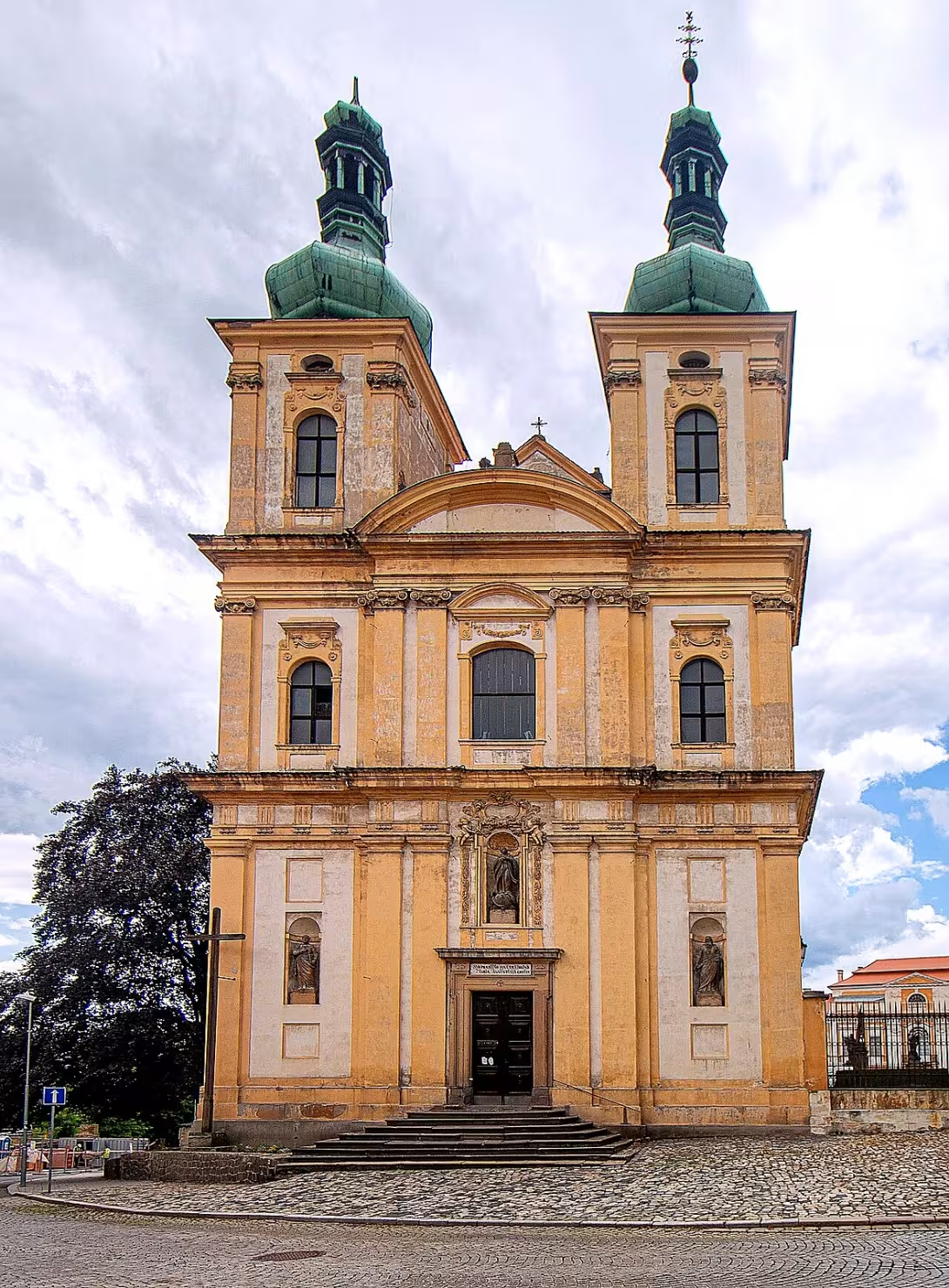
The Church of the Annunciation of the Virgin Mary is among the important baroque-classicist buildings Duchcova. Located in the historical centre of the city on the southwest corner of the Square of the Republic and since 1958 it has been protected as a cultural monument of the Czech Republic.
The church building has deep roots in the spiritual history of the place. It stands at the site of a Renaissance church from 1587, which itself originated on the remains of an early Gothic temple or even older sacred buildings. In the construction of the Baroque church, the builders used parts of masonry from the older период, which is also evident from fragments of the walls of the early Gothic church of St. George preserved in the southern part of the presbytery.
The current church was founded on the initiative of Arnošt Josef from Valdštejn, which in 1696 had plans made by builder Marc Antonio Canevall. Canevall with stал first builder and partly completed the church by 1707. The final form was given to him by František Maximilián Kaňka, who completed the work in 1721. The ceremony was held on 12 September 1722. During his existence the church was restored in 1826.
The construction is a single ship, divided into three arches, with interpiled chapels on both sides. The western facade closes the hall between two towers, while in the east it passes into a polygonally closed presbytery. The front towers are broken down by the ledge connected by the Pilaster Order, holding the shallow risalite ended with a shield. The inner space will be occupied by a valiant vault with lunnets, and in the presbytery the lunette conclusion. The so-called Valdštejn Chapel on the south side of the presbytery with a square plan and dome deserves special attention. The roof is covered with shingles, partially damaged and partially repaired with cardboard; Similarly, plaster bears traces of time.
The appearance of the interior changed fundamentally on 10 May 1945 when the church was burned by Soviet troops. A significant part of the original device, including the late Gothic plastics, the altar painting of the Annunciation of the Virgin Mary from 1720 and the side altar with St. Jude Tadeaš, both from Václav Vavríc Reiner, and the wooden superplastic from Matyas Bernard Braun. The remains of the original interior have preserved the Baroque altar, Valdstein's epitaph from the first half of the 18th century, the crucifix from the 16th century (now on the rectory) and the torso of the late Gothic baptism from the late 15th century. Three marble tombstones from the 16th century are also valuable on the south side of the presbytery, among them the tombstone Adam Havel of Lobkovic, who died in 1605.
At the beginning of the 21st century, the church serves cultural purposes - a guest of the exhibition of art works and theatre performances, on Christmas Eve there is a Christmas Mass. In the second decade of the 21st century, the church awaits approval of the monuments for the planned reconstruction of the floor.
Then and now
Drag the slider to compare how the landmark may have looked when it was built with the view today.
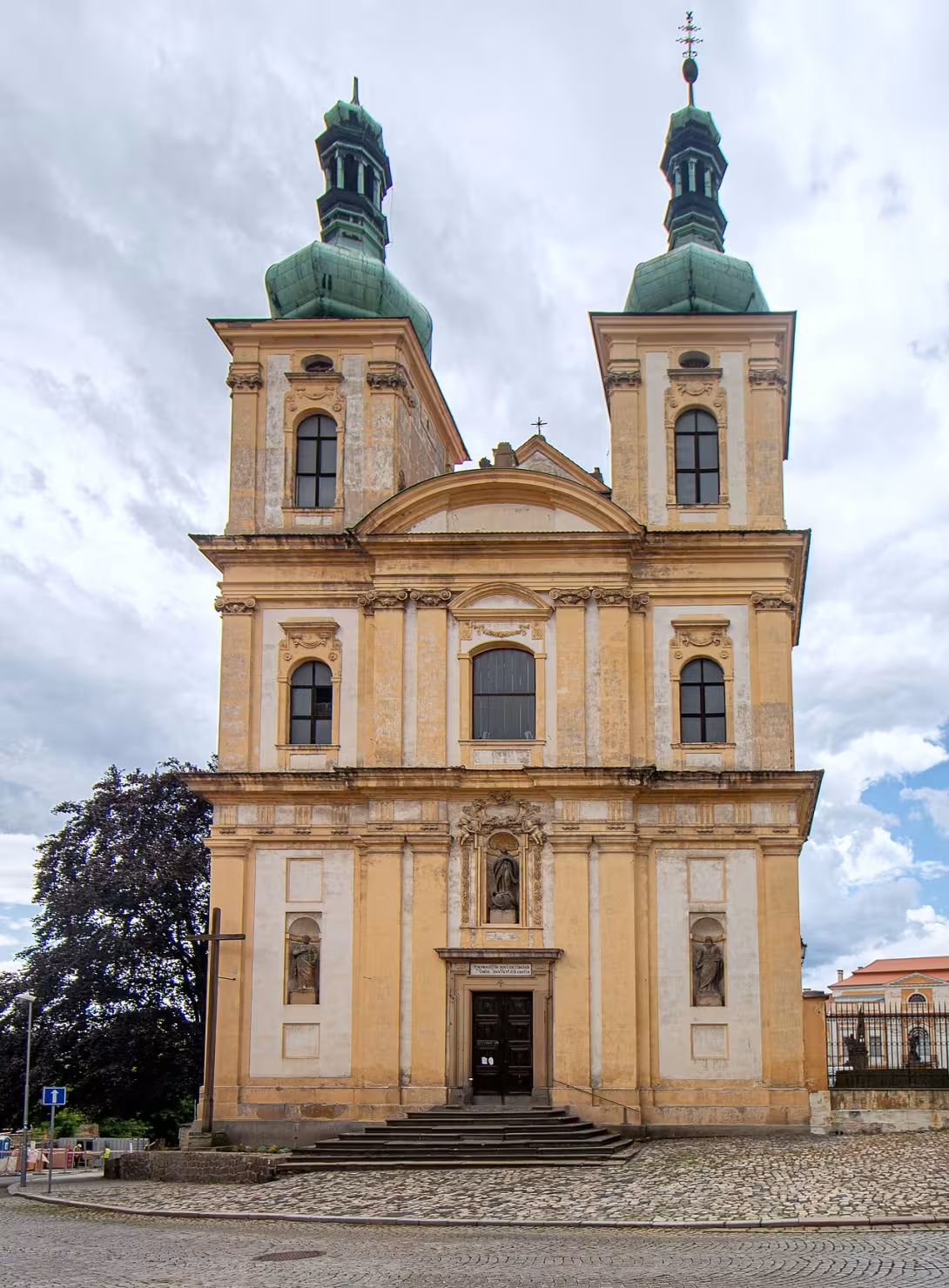

The historical appearance on the left is an AI-generated visualisation and serves as inspiration only.
Historical milestones
- 1696
- The beginning of the church building based on Marcanto Canevalla's plans.
- 1707
- Partial completion of the church by Marcanto Canevalla.
- 1721
- Completion of the church by František Maximilian Kaňka.
- 1722
- Church consecration.
- 1826
- Church renewal.
- 1945
- Destroying most of the interiors while burning down the church.
Architectural development
The church was built on the site of a Renaissance church from 1587, which replaced an early Gothic building. The construction began in 1696 according to plans by Marcanto Canevally, which partially completed it by 1707. It was completed in 1721 by František Maximilian Kaňka. The building is a single boat with a triple chapel, presbytery and two towers on the facade. The remnants of the early Gothic church of St. George were preserved on the south side of the presbytery. The church has a vaulted vault with lunettes and shingles roof.
Historical events
- 1587
- The position of the Renaissance church, which replaced the early Gothic building.
- 1945
- Burning down the church by Soviet troops, most of the original interior was destroyed.
- 1958
- Registration of the church in the list of cultural monuments of the Czech Republic.
Owners
The property of the church is not mentioned in the available resources, however it can be assumed that it was owned by the Roman Catholic Church or the local parish. Due to its location in the city centre and its connection with the history of Duchcova it is possible that the church played an important role in the religious life of the village and was an important centre for the local community.
Points of interest
- The church is on the site of a Renaissance church from 1587, which replaced an early Gothic temple or even older sacred buildings.
- Its current form was created according to plans from 1696 by order of Arnost Josef from Valdštejn, the construction was led by Marc Antonio Canevalla and František Maximilián Kaňka.
- In 1722 the church was ceremonially consecrated after completion in 1721.
Guide
Show guide text
This text was created by artificial intelligence and has not been editorially reviewed. It may contain inaccuracies.
Welcome to the Church of the Annunciation of the Virgin Mary in Duchcov! You are standing in the historic heart of this picturesque city where more than three hundred years old architecture meets the living spirit of the past. In front of you is a baroque church whose walls tell stories of wars, renewal and loyalty that survived him through all the trials. Look at his massive facade, which opens up as an invitation to a world where art and faith meet.
Originally there was a Renaissance church in 1587, which replaced an even older Gothic temple or even sacred buildings from earlier times. In 1696, Arnošt Josef z Valdštejn, then owner of the ghost chateau, decided on the construction of a new Baroque church in the place of the elder. His plans were developed by Italian architect Marc Antonio Canevalla, who started construction here but already in 1707 had to take over his pupil František Maximilián Kaňka. The church was completed only in 1721, when it became not only a spiritual centre but also a great example of Baroque architecture in our region.
Now pay attention to what the church offers you. In front of you lies his facade, which is a typical manifestation of baroque style - harmonious proportions, rich details and symmetry that you are immediately attracted to. Notice how the church is inserted into the surrounding environment, how its walls connect to the historical core of the city. The interior of the church, which was badly damaged in 1945 in the burning of Soviet troops, has undergone a renewal, and today there is a mass again and cultural events taking place. Although the interior is no longer as richly decorated as before, its atmosphere will carry you back to the time when people prayed, celebrated and lived.
The key personality associated with the church is, of course, Arnešt Josef from Valdštejn, who not only initiated its construction, but also deserved to develop the entire spiritual estate. His decision to build a Baroque church on the site of an older sacral building was not only a manifestation of his religious faith, but also an effort to make his family visible and to strengthen influence on the region. The church thus served not only as a place of worship, but also as a symbol of power and prestige.
The interesting thing is, the church survived more than one trial of time. After firing in 1945, when most of the interior completely disappeared, it was gradually restored and today it again serves as an important cultural and spiritual place. Its existence is thus an example of resilience and human will, which can be discouraged by war events.
Now let's see what else the church is hiding. In its vicinity there are other historical monuments worth discovering. There is a chateau nearby, which, like the church, is connected to the Valdštejn family. Walk around the city will also lead you to other baroque buildings that prove that Duchcov has been the center of cultural and social life in the past.
If you like the Church of the Annunciation of the Virgin Mary, save time to explore it. Come in, perceive its atmosphere and get carried away until there was mass, festivities and daily life of the spiritual people. The church is not only a monument to the past, but also a living place that today connects the past to the present.
Thank you for your visit and we wish you a pleasant stay in Duchcov. If you have any more questions or want to know more, feel free to contact us. May the Church of the Annunciation of the Virgin bring you not only knowledge, but also a sense of peace and connection with our ancestors.
Tips for visitors
{'paragraph': 'Best time to visit the Church Annunciation of the Virgin Mary is in the morning when there is a quiet and pleasant light for photography. The Baroque interior and surrounding architecture work best in sunny weather, ideally in summer months. In winter, the visit is interesting thanks to the sacred environment and the possibility to know the church in a different light.'}
{'paragraph': 'Church is available by car, parking is possible in the vicinity of the city. It is recommended to use public transport, which is well developed in Duchcov. The location is easily accessible from the city centre, where there are bus stops. The current connection and departure times can be found in the transport search engine.'}
{'paragraph': 'When visiting, wear comfortable clothes and shoes as the church and its surroundings offer several places to walk. It is often cold in the interior, so bring a light sweater or coat. Also prepare a higher resolution lens for photography if you want to capture details of Baroque decoration.'}
{'paragraph': 'The best places for photography are the main altar, Baroque pulpit and windows overlooking the surrounding landscape. The most suitable light is in the morning or afternoon sun, which illuminates the church facade and interior without too many shadows. Internal photography is allowed, but always follow the instructions of the staff.'}
{'paragraph': 'In the vicinity of the church is worth visiting Duchcov Chateau, located just 200 metres from the church. Another interesting thing is the Park near the chateau, where you can relax and see historical architecture. For families with children it is advisable to visit also local museums or walk the historic streets of the city.'}
{'paragraph': 'For families with children, a visit to the church is interesting due to its historical importance and the possibility of knowing baroque art. Children can see the paintings, statues and other decorations, which are often very attractive. In the vicinity you will find other interesting places such as a park or a chateau where children can have fun and learn something new.'}
Businesses nearby
Do you run a restaurant, accommodation, shop, museum, rental, wellness or other visitor service near this monument? Show yourself directly to the people heading to it — this is how they will see you in the app and on the web:
Events nearby
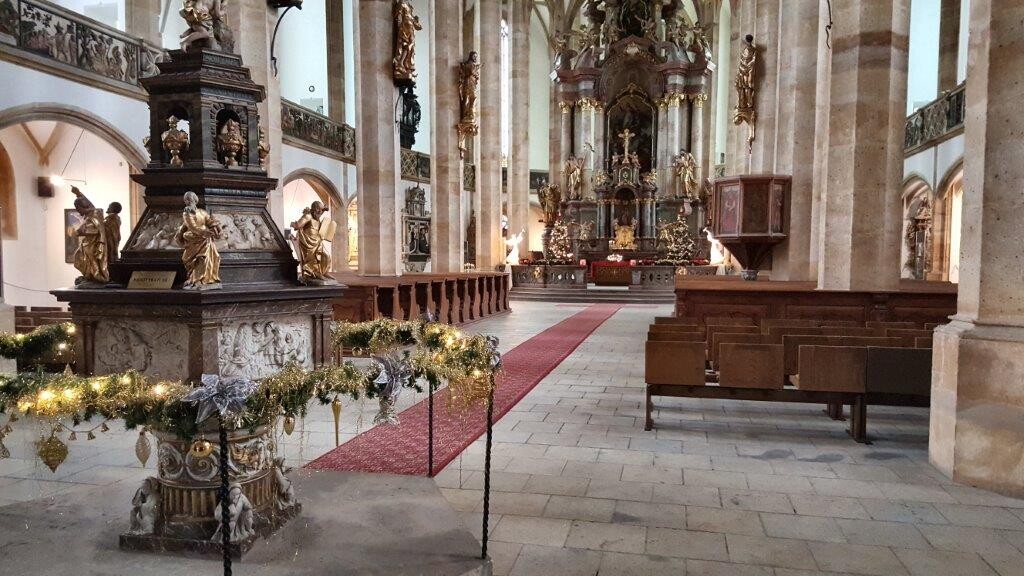
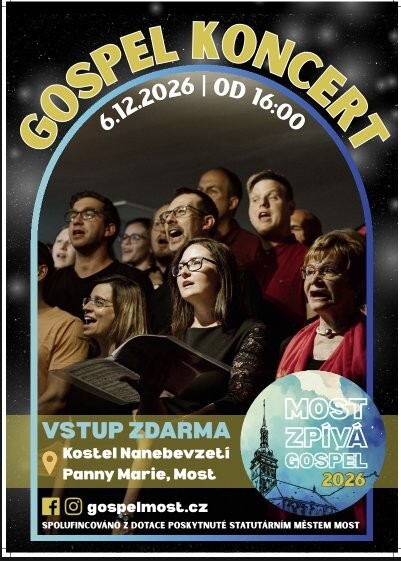
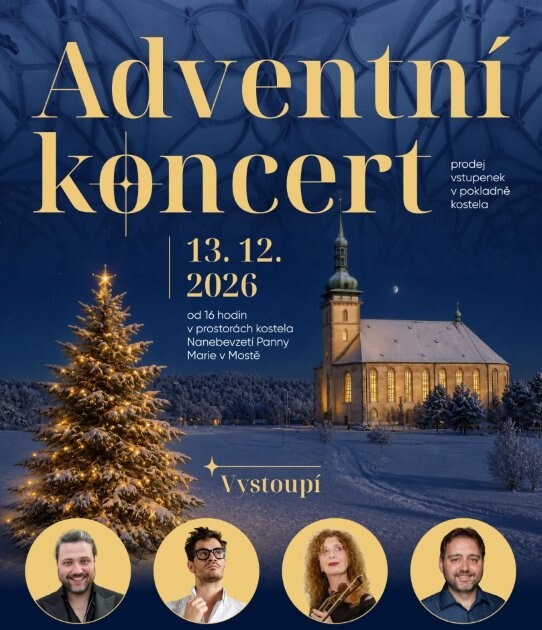
Zdroj akcí: otevřená data měst a obcí ČR (Národní katalog otevřených dat) a kalendář akcí Národního památkového ústavu.
Nearby
{'memories': [{'Nazen': 'Duchcov chateau', 'description': 'Renaissance chateau from the 16th century, which was later rebuilt and expanded. Located close to the church and is protected as a cultural monument.', 'distance': 'in the city centre, about 200 metres from the church'}, {'nazz': 'Park near the chateau', 'description': 'Park designed according to plans by Josef Franz Schor with statues by Matyas Bernard Braun.'}], 'natural _ elements': [{'nazen': 'Fishers in the vicinity', 'description': 'Several ponds are located within several kilometres, which are part of the historical water system of the region.'}]]}}
Accommodation nearby
Trips and activities nearby
Guided tours, tickets and activities nearby from GetYourGuide
Affiliate link: if you buy from the partner, we may receive a commission. The price for you does not change.
Search tours and activities →Themed route
Thematic cruise route: Duchcov - Baroque and Renaissance treasures
1. Church of the Annunciation of the Virgin Mary * Type: Sacral construction * The only preserved Baroque church in the area with rich decoration and historical significance. Its calm atmosphere and artistic details attract lovers of religious art.
2. Duchcov Chateau * Type: Renaissance and Baroque landmark * It lies only 200 metres from the church and offers a view into the noble life. Its architecture and interiors reflect changes from the 16th century to the present day.
3. Park by the chateau * Type: Historical garden architecture * Designed according to plans of Josef Franz Schor with statues of Matyas Bernard Braun. An ideal place to walk between Baroque plastics and trees.
* The route follows short walking routes in the center of Duchcova, where the monuments complement each other. *
Seasonal recommendations
Spring In the spring months, the Church of the Annunciation of the Virgin Mary in Duchcov is surrounded by light which penetrates through the revealing leaves of trees in the surrounding area. After rainy days, the air is filled with freshness and moisture, while sunny moments brighten up the stone facades and paint fine shadows in the interior. The specific nature is also awakening - the surrounding church is blooming with spring herbs and the first trees, whose flowers bring honey smell into the air. The atmosphere is calm, almost meditative, as visitors are still sparsely dispersed. It is practically advisable to visit the church early in the morning or in the afternoon when the sun shines favourably and the temperatures are mild. It is recommended to wear clothes suitable for variable weather - light jackets, sunglasses and comfortable shoes, as after the rain the sidewalks can be slippery. In this period it is also ideal to combine a visit with a walk in the nearby forest where spring birds can be observed.
Summer In the summer months, the church becomes an oasis of peace in the middle of a warm, sometimes hot day. The sun hits the facade, creating sharp contrasts between the shadow and the light, and the interior becomes a cold haven from the outside heat. The surrounding area is green and lush, the trees provide a pleasant shade, but it is still advisable to visit the church in the morning when temperatures are not yet too high and the crowds are minimal. The evening offers pleasant lighting, when the church radiates into a soft twilight. It is practically necessary to count on higher attendance in the main summer season, so it is better to come before 9: 00 in the morning or after 16: 00. Light, breathable clothes, sun hat and plenty of water are recommended as there are not always shielded places to rest in the surroundings. For those who like to take pictures, the ideal time is shortly before sunset, when light creates harmonious shades.
Autumn Autumn brings to the church the Annunciation of the Virgin Mary in Duchcov golden and red colors that are reflected in the windows and create a magical atmosphere. The colder air and short days turn the church into a place where people stop longer - light falls tilted, creating dramatic shadows in the interior and on the statues. Nature is prepared for winter, leaves rustling under the feet and air smells of fallen leaves and wet ground. The atmosphere is nostalgic, almost fairytale, and the church acts as a guardian of the past. It is practically advisable to visit it in the afternoon, when the sun still shines sufficiently, but the temperatures are not too low. It is recommended to wear warmer clothes - sweater, jacket and comfortable shoes, as evenings can be cold. It is also calmer during this period because tourists are starting to return home, which allows for a more peaceful tour.
Winter Winter Duchcov turns into a fairytale landscape where the Church of the Annunciation of the Virgin Mary acts as a dominant white figure against the snow coat. The quiet and calm are not only within the church, but also in its surroundings - the freezing air and short days create a unique atmosphere where light is reflected from snow and creates silver shine on rocks. The interior of the church is a warm refuge where you can see the light breaking through the stained glass and creating colored reflections. It is practically necessary to count on limited opening hours as cold weather limits the possibilities of visitors. Hot, laminated clothing, gloves and firm footwear are recommended, as the sidewalks can be slippery. The best time to visit is this afternoon when the sun still shines enough, but the crowds are minimal. In Advent Time, the surrounding area of the church can be decorated with light lanterns, which gives the whole place a Christmas charm.
Visualizations and artistic views


The visualisations are generated by artificial intelligence and serve as inspiration.
Photos from the area
Real photos taken near the monument


Zdroj a licence jsou uvedeny u každého snímku.
View from the area
This animation was generated by artificial intelligence from a real photograph of the surroundings. The motion and details are not real footage of the location.
Tips from visitors
No tips yet. Be the first!
Log in and add your tip.
Sources and literature
Fotografie: VitVit / CC BY-SA 4.0 — Wikimedia Commons. The author and licence also appear when you hover over the image.
Faktickým podkladem tohoto textu byl článek na Wikipedii, jehož autory jsou přispěvatelé Wikipedie. Článek je dostupný pod licencí CC BY-SA 4.0.
Location on the map


Příběhy a pověsti
Legendy, pověsti a příběhy spjaté s touto památkou
Fotografie návštěvníků
Zatím žádné fotografie. Buďte první, kdo přidá fotografii z návštěvy!
Přihlaste se a přidejte svou fotografii nebo hodnoťte.
Za ověřenou návštěvu v aplikaci získáte víc bodů — poznáme podle GPS, že jste na místě.
Reviews and comments