






Duchcov Railway stop
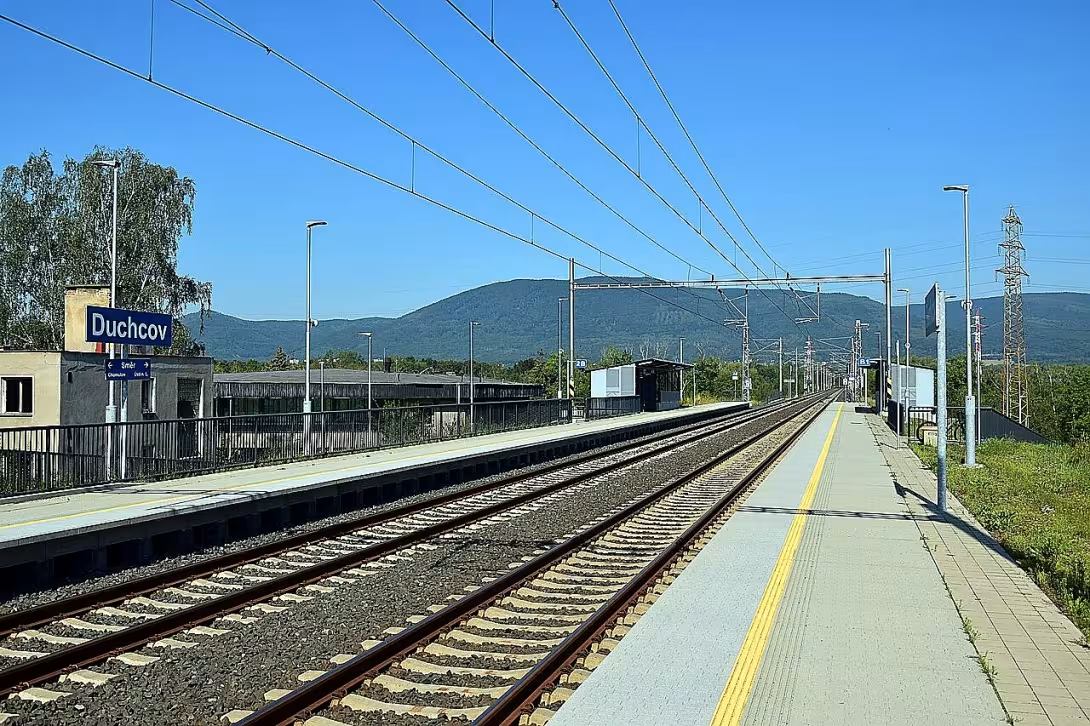
Duchcov railway station is an architectural landmark in Duchcov, located in the Teplice District of the Ústí nad Labem Region in the Czech Republic. Opened in 1969, it features a distinctive hexagonal design and Brussels style architecture, reflecting Czechoslovakia's industrial expansion era. The station was part of a broader initiative to reroute railway lines due to expanding surface mining activities, making it both a functional transportation hub and a cultural heritage site.
The origin of Duchcov railway station dates back to the late 1960s when Czechoslovakia experienced significant industrial growth, especially in mining. Státní ústav dopravního projektování (SÚDOP) initiated plans for a new railway line and station under architect Jiří Hyliš. This project aimed to replace the original track through Duchcov with a more efficient route approximately 1.5 km north of the town center, completed in 1969.
Architecturally, the station is distinguished by its hexagonal plan, designed by Jiří Hyliš with Jaroslav Otruba as co-responsible architect. The design includes a non-load-bearing perimeter canopy and an innovative roof supported by subtle columns, creating a spacious glass hall leading to platforms. Additional spaces include ticket offices and a restaurant on the upper floor. A sculpture titled 'Opřená' by Julia Lankáš is located near the central staircase, adding artistic value.
Throughout its history, Duchcov railway station has remained under state ownership, highlighting its importance as part of national infrastructure. The construction and completion in 1972 were pivotal for supporting regional industrial activities, particularly mining, by facilitating efficient transportation routes.
Today, Duchcov railway station is not only a functional transport hub but also an architectural gem worth visiting. Its well-preserved structure offers visitors insight into the innovative design solutions of its time. The station's unique style and historical significance make it a compelling site for those interested in architecture and industrial history. Visitors are invited to explore this remarkable monument, appreciating both its aesthetic appeal and its role in Czechoslovakia’s developmental narrative.
Historical milestones
- 1969
- Otevření železniční stanice Duchcov s hexagonálním designem.
- 1960
- Plánování nové železnice a stanice v rámci průmyslového rozvoje Československa.
- 1972
- Dokončení stavby pro podporu regionálních průmyslových aktivit, zejména těžby.
Architectural development
Designed by Jiří Hyliš with Jaroslav Otruba as co-responsible architect, the station's initial design was significantly reduced during project development. The hexagonal plan features a non-load-bearing perimeter canopy and a roof supported by subtle columns. The interior includes a spacious glass hall leading to platforms, with additional spaces for ticket offices and a restaurant on the upper floor.
Historical events
In the early 1960s, plans for the new railway line and station were initiated by Státní ústav dopravního projektování (SÚDOP) under architect Jiří Hyliš.
The original track through Duchcov was decommissioned in favor of a new route approximately 1.5 km north of the town center, completed in 1969.
Points of interest
- The design of Duchcov railway station was influenced by the need to reroute due to expanding surface mining activities in the region, reflecting how industrial demands shaped infrastructure developments during Czechoslovakia's growth period.
- Architect Jiří Hyliš, known for his work on the hexagonal design of the station, also contributed to other significant projects across Czechoslovakia, showcasing his influence on mid-20th-century architecture beyond just railway stations.
- The sculpture 'Opřená' by Julia Lankáš near the station's central staircase adds a unique artistic element that ties into broader trends in Czech art during the 1960s and 1970s, where public spaces began incorporating more contemporary artworks.
- Despite its architectural significance, Duchcov railway station was completed in 1972, two years after it first opened to the public. This delay highlights challenges faced during its construction period, including potential logistical or resource-related issues.
- The innovative use of a non-load-bearing perimeter canopy at Duchcov railway station exemplifies advanced engineering techniques of the time, demonstrating how Czechoslovak architects were experimenting with new materials and structural designs in public infrastructure projects.
Guide
This guide is narrated by a synthetic voice generated by artificial intelligence.
Show guide text
This text was created by artificial intelligence and has not been editorially reviewed. It may contain inaccuracies.
The Duchcov railway station was built in the second half of the nineteen sixties. The reason was a railway line relocation, which was necessitated by the expansion of the Bílina brown coal mine. The station building is well preserved in its historical form and as a remarkable example of Brussels style architecture, it is protected as a cultural monument.
At the beginning of the nineteen sixties, due to the progress of surface mines in the region, a whole series of railway line relocations were being planned and constructed. The original line through Duchcov was closed. It ended at the old station, which then served only freight transport. Therefore, it was decided to build a new station for passenger transport, approximately one and a half kilometres north of the city centre, near the road to the nearby village of Lahošť. The station building opened in nineteen sixty nine, roughly a year after the line relocation itself. All construction work was definitively completed in nineteen seventy two.
The building design was developed from nineteen sixty two by the State Institute for Transport Planning under the direction of architect Jiří Hylíš. The renowned Czech architect Jaroslav Otruba also contributed to the project. The original design was much more extensive, but it was significantly reduced during the planning phase.
In front of the station is a traffic loop. The building itself has a regular hexagonal floor plan and a lightweight exterior envelope that carries no load. The roof with a large overhang rests on slender pillars. Water runs from it through a massive concrete downspout into a basin on the southwestern side of the building.
Most of the interior space is occupied by a tall glazed hall, from which you enter directly into the underpass to the platforms. In the northern and western part, the space is divided by an inserted intermediate floor. There are ticket offices and other service rooms here. On the second floor was a station restaurant, which is reached by a generous central staircase.
The most striking element of the interior is the ceiling of the hall. It is made of coffers in the shape of inverted triangular pyramids, which have different heights and differently inclined peaks. The glazed wall is articulated by a grid, which the architect deliberately disrupted in the horizontal direction. On the outside, the building is clad with sandstone, and inside, glass mosaic is prominently used on the walls.
By the central staircase stands a sculpture called Leaning, by sculptor Julius Lankáš, in a flower planter.
Tips for visitors
The mild temperatures and natural lighting enhance the unique Brussels style architecture, making it ideal for photography enthusiasts. Additionally, visiting on a weekday can provide a quieter experience, allowing you to appreciate the historical significance of the station in connection with regional industrial expansion more intimately.
Given the historical nature of the site, weather-appropriate clothing is recommended, as some parts of the station may not be fully enclosed. For families, carrying water and snacks can make the visit more enjoyable, especially if you plan to spend several hours exploring.
The soft lighting during these times accentuates the textures and colors of the building, making it perfect for both professional and amateur photographers. While there are no specific restrictions on photography within the station, being respectful of any posted guidelines is important to ensure a pleasant visit for everyone.
The Ústecký kraj region is rich in natural beauty and historical sites that complement the industrial heritage of Duchcov. Remember to check local guides or online resources for current information on these attractions, as offerings may change.
Frequently asked questions
Can the monument be visited?
We have not verified whether this monument is accessible. Please ask the owner or operator, or the local municipal office.
Where is the monument?
Location: Teplická 1277/150, Duchcov, Ústecký kraj. The map on this page shows the exact spot.
Why is the monument protected?
It is listed in the Central List of Cultural Monuments of the Czech Republic as a cultural monument (register no. 106208).
Businesses nearby
Do you run a restaurant, accommodation, shop, museum, rental, wellness or other visitor service near this monument? Show yourself directly to the people heading to it — this is how they will see you in the app and on the web:
Events nearby


Zdroj akcí: otevřená data měst a obcí ČR (Národní katalog otevřených dat) a kalendář akcí Národního památkového ústavu.
Nearby
Located near the town center of Duchcov, the station area includes a traffic loop and is close to the village of Lahošť. The surrounding landscape features typical Central European countryside.
Accommodation nearby
Trips and activities nearby
Guided tours, tickets and activities nearby from GetYourGuide
Affiliate link: if you buy from the partner, we may receive a commission. The price for you does not change.
Search tours and activities →Themed route
Duchcov Thematic Walking Tour
1. Château Duchcov (Castle) Begin your journey at the historic Château Duchcov, a remarkable example of Renaissance architecture with Baroque and Classicist elements. This castle is renowned for its beautiful gardens and rich history, once serving as a residence for nobility. The interior houses an impressive collection of art and artifacts that reflect the cultural heritage of the region.
2. Château Park (Park) After exploring the Château, take a leisurely stroll through its expansive park. This beautifully landscaped area offers serene walking paths surrounded by lush greenery, providing an ideal setting for relaxation and reflection. The park is perfect for enjoying nature and capturing picturesque views of the castle.
3. Chapel of St. John of Nepomuk (Chapel) A short walk from the Château Park leads to the Chapel of St. John of Nepomuk, a notable religious site within the Duchcov area. This chapel is significant for its architectural beauty and spiritual importance, offering visitors an opportunity to appreciate its peaceful ambiance and historical significance.
4. Château Brewery (Brewery) Conclude your tour at the Château Brewery, a unique attraction that combines history with local craftsmanship. This brewery is famous for producing traditional Czech beers using age-old methods. Visitors can enjoy tastings of locally brewed beer while learning about the brewing process and the castle's historical connection to this craft.
This thematic walking tour offers a comprehensive exploration of Duchcov’s cultural and historical highlights, providing insight into its architectural beauty and local traditions.
Seasonal recommendations
The soft glow of the early morning sun illuminates the architecture beautifully, creating an enchanting atmosphere perfect for photography enthusiasts. As nature awakens, you may encounter blooming flowers along the pathways, adding a picturesque touch to your visit. For this season, it's advisable to dress in layers, as temperatures can vary throughout the day. Early mornings or late afternoons are ideal times to explore, allowing you to avoid any residual crowds from nearby spring festivals and enjoy a more tranquil experience.
The lush greenery provides ample shade, offering respite from the sun as you explore the historical site. This season often attracts visitors due to its pleasant climate, so arriving early in the morning can help you avoid larger crowds. Comfortable walking shoes and light clothing are recommended to keep cool during your visit. Additionally, staying hydrated is crucial, especially if you plan on spending several hours exploring.
Autumn: Autumn brings a magical transformation to Duchcov with its rich tapestry of reds, oranges, and yellows adorning the surrounding landscape. This is an ideal time for photography enthusiasts looking to capture the picturesque scenery. As leaves fall, they create a natural carpet that adds to the site's beauty. Dressing in warm layers and bringing a jacket or sweater will ensure comfort during your visit, especially as temperatures can drop later in the day.
The historical architecture takes on a new character under the soft glow of streetlights or early morning sunlight reflecting off the snow. While the site remains open, it's important to note that hours may be reduced during this season. Visitors should dress warmly in layers and wear waterproof boots to navigate any icy paths safely. Visiting on weekdays can provide an even quieter experience, allowing for a peaceful exploration of the historic site amidst the tranquil winter setting.
Visualizations and artistic views


The visualisations are generated by artificial intelligence and serve as inspiration.
Photos from the area
Real photos taken near the monument


Zdroj a licence jsou uvedeny u každého snímku.
Tips from visitors
No tips yet. Be the first!
Log in and add your tip.
Sources and literature
Photos: Petr Kinšt / CC BY 4.0 — Wikimedia Commons. The author and licence also appear when you hover over the image.
Faktickým podkladem tohoto textu byl článek na Wikipedii, jehož autory jsou přispěvatelé Wikipedie. Článek je dostupný pod licencí CC BY-SA 4.0.
Location on the map
Příběhy a pověsti
Legendy, pověsti a příběhy spjaté s touto památkou
Příběh: Duchcov
Bylo to v pondělí ráno, kdy Martin zjistil, že na podlaze jeho rodinného domu v Duchcovu byly vyryty tajemné znaky. Zvednuv se ze židli, na které před chvílí…
Číst příběh
Pověst: Duchcov
Staří obyvatelé Duchcova vyprávějí, že když na přelomu šedesátých let dělníci zapichovali první kolíky do pole severně od města, aby vyměřili místo pro nové …
Číst příběhFotografie návštěvníků
Zatím žádné fotografie. Buďte první, kdo přidá fotografii z návštěvy!
Log in a přidejte svou fotografii nebo hodnoťte.
Za ověřenou návštěvu v aplikaci získáte víc bodů — poznáme podle GPS, že jste na místě.
Reviews and comments