






cihlový most k Tichému ostrovu u Mikulova Bridge
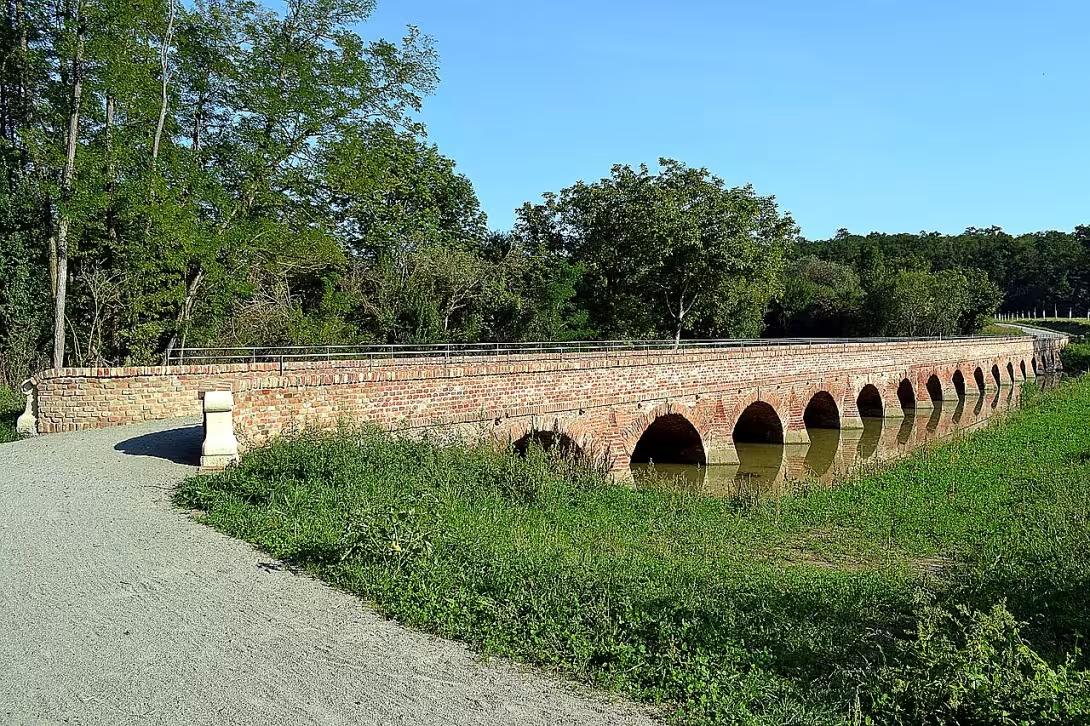
The Cihlový Most k Tichému ostrovu u Mikulova is a baroque arch bridge from the 17th century near Mikulov in the South Moravian Region. It spans the Rybniční potok, leading to the former island Portz. After extensive reconstruction completed in 2020, it has been restored to its former glory. Since 1995, this bridge is protected as a cultural monument alongside the nearby Chateau Portz, highlighting its historical significance.
The origins of the Cihlový Most date back to the early 17th century when František z Ditrichštejna fortified an island on the Leh pond in 1629. This was part of broader territorial fortifications between Moravia and Lower Austria. In 1630, a representative bridge was constructed as the sole access point to Chateau Portz, reflecting the baroque architectural style prevalent at that time. Initially located entirely within Lower Austria, the bridge played a crucial role in connecting territories until it lost its significance with the construction of a railway line in 1872.
Architecturally, the Cihlový Most exemplifies baroque design, characterized by its arch structure and historical importance as part of the fortified island complex. Despite being submerged and neglected after World War II due to border restrictions, the bridge's materials and form have endured through centuries. It became accessible again to the public following the fall of the Iron Curtain in 1989.
Ownership of the surrounding estate shifted over time, with significant changes occurring in 1826 when the entire Portz pond, including the island, was transferred to the Moravian estate of Mikulov. This transition marked a new chapter for the region and its landmarks. The bridge's fortunes fluctuated as it became part of an inaccessible border zone until its restoration efforts were completed in 2020.
The Cihlový Most has witnessed several key events throughout its history, including its initial construction as a fortified access point and subsequent loss of significance due to infrastructural developments. Its restoration was recognized with the main prize in the 'Památka roku 2020' competition, underscoring its cultural and historical value.
Today, the Cihlový Most stands as a testament to the region's rich history and architectural heritage. It is accessible via a learning trail named Naučná stezka Portz Insel, which features informational boards about its history and local nature. The bridge is part of a network of cycling routes, making it an attractive destination for tourists interested in exploring historical sites and enjoying the scenic landscapes of South Moravia.
Visiting the Cihlový Most offers a unique opportunity to connect with the past while appreciating the efforts made to preserve this cultural monument. Its restoration not only revitalized the bridge but also enhanced its role as a symbol of regional heritage, inviting visitors to explore and reflect on its storied history.
Then and now
Drag the slider to compare how the landmark may have looked when it was built with the view today.
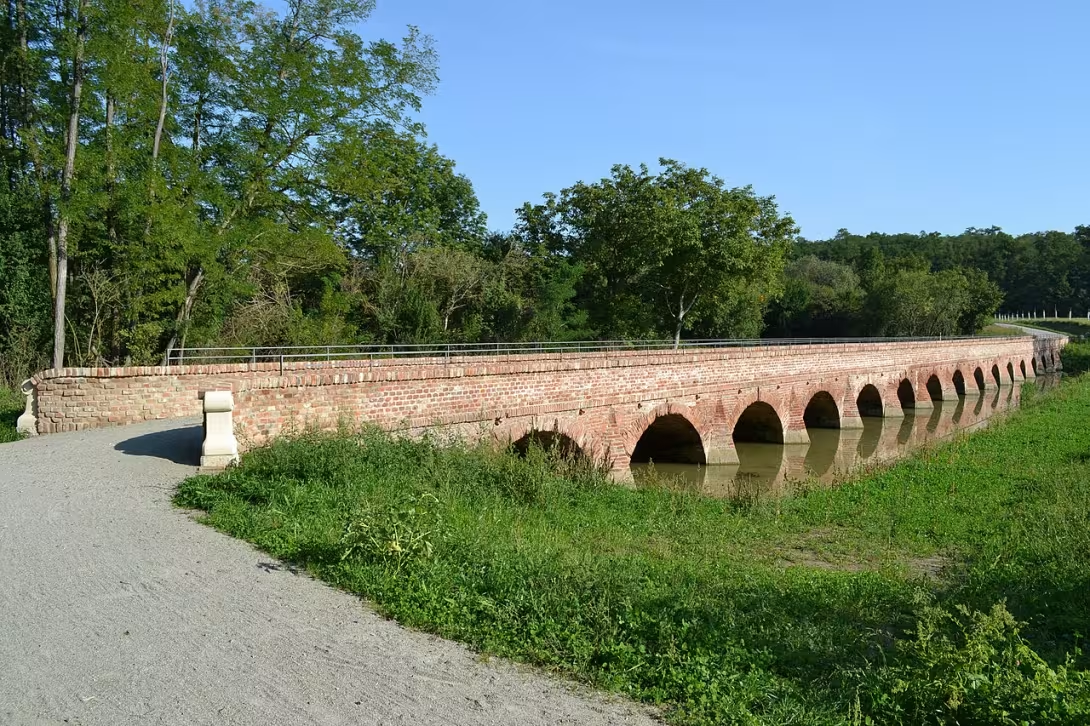

The historical appearance on the left is an AI-generated visualisation and serves as inspiration only.
Historical milestones
- 1629
- František z Ditrichštejna fortified the island on the Leh pond.
- 1630
- The representative bridge was constructed as the sole access to the chateau Portz.
- 1872
- The bridge lost its significance during railway construction.
- 1989
- The bridge became accessible again after the fall of the Iron Curtain.
Architectural development
Originally built as a representative bridge in 1630, the Cihlový most was initially located entirely within Lower Austria. It underwent significant changes when the Portz pond was drained and parceled out around 1855. The bridge was later restored to its former glory after being submerged and neglected for decades.
Historical events
In 1629, František z Ditrichštejna fortified the island and built a hunting lodge named Portz.
The bridge lost its significance in 1872 when it was severed from the chateau during railway construction.
After World War II, the area became inaccessible due to border restrictions until the fall of the Iron Curtain in 1989.
Owners
The estate of Mikulov and Steinebrunn was owned by František z Ditrichštejna in 1629, who fortified the island on the Leh pond. In 1826, the entire Portz pond including the island was transferred to the Moravian estate of Mikulov.
Points of interest
- The Cihlový Most was originally part of a broader network of fortifications designed to protect the border between Moravia and Lower Austria in the early 17th century, emphasizing its strategic military importance beyond mere connectivity.
- After World War II, the bridge fell into disuse and became submerged due to changes in water levels and neglect during the period when it lay within an inaccessible border zone, highlighting how geopolitical shifts can impact historical sites.
- The transition of ownership in 1826 from Lower Austria to the Moravian estate of Mikulov marked a significant change in the region's history, reflecting broader territorial realignments that have shaped its cultural landscape over centuries.
- Despite losing its original significance with the advent of railway infrastructure in 1872, the bridge was awarded the main prize in the 'Památka roku 2020' competition for its restoration, showcasing a renewed appreciation and recognition of historical architecture.
- The Cihlový Most is now part of a learning trail named Naučná stezka Portz Insel, which offers educational insights into both its history and the local natural environment, illustrating efforts to integrate cultural heritage with environmental education.
Guide
This guide is narrated by a synthetic voice generated by artificial intelligence.
Show guide text
This text was created by artificial intelligence and has not been editorially reviewed. It may contain inaccuracies.
Welcome to the Cihlový most k Tichému ostrovu u Mikulova, a remarkable baroque arch bridge that whispers tales from the 17th century as you stand here in Mikulov, Jihomoravský kraj. Imagine yourself stepping back in time as you gaze upon this historic structure, which gracefully spans the Rybniční potok and leads to the former island Portz. The bridge's restoration in 2020 has breathed new life into its ancient stones, preserving its legacy for future generations.
Let’s delve into its origins. In 1629, František z Ditrichštejna fortified the Leh pond island, recognizing its strategic importance at a time when borders between Moravia and Lower Austria needed protection. The following year, in 1630, this representative bridge was constructed as the sole access to the chateau Portz, serving not just as a connector but also as a symbol of strength and defense.
As you take in the view, notice the arches that rise above you, their form a testament to baroque architecture. Though the architects remain unknown, their work has withstood the test of time, allowing us to appreciate its enduring beauty today. The bridge's design is simple yet elegant, inviting you to explore every detail.
The story of this bridge intertwines with significant historical figures and events. František z Ditrichštejna played a pivotal role in its creation, driven by the need for security during turbulent times. Over the centuries, the bridge has witnessed changes, including losing its significance when railways were built in 1872. Yet, it regained prominence after the fall of the Iron Curtain in 1989, once again becoming accessible to those who wish to explore its history.
Now, let’s uncover a fascinating aspect: originally part of a broader network of fortifications, this bridge was more than just a pathway—it was a strategic military asset designed to protect borders. This layer of history adds depth to your experience as you walk across it today.
As we conclude our journey here, I invite you to linger and absorb the atmosphere surrounding the Cihlový most. There’s so much more to discover in Mikulov, with its rich tapestry of history waiting just around the corner. Thank you for joining me on this exploration, and may your curiosity lead you to many more hidden treasures.
---
This script is designed to guide visitors through a captivating audio experience as they explore the Cihlový most k Tichému ostrovu u Mikulova, enriching their understanding of its history and significance.
Tips for visitors
The best time to visit the Cihlový most k Tichému ostrovu u Mikulova is during late spring or early autumn when the weather is mild, and the surrounding nature is particularly vibrant. These seasons offer pleasant temperatures for walking and exploring nearby attractions without the summer crowds. Additionally, visiting in these months allows you to enjoy the lush greenery and blooming flowers along the cycling paths, enhancing your experience of this historical site.
Access to the Cihlový most can be conveniently managed by both car and public transportation. For visitors preferring public transport, it's advisable to check current routes and schedules using a local transit search tool. The area is well-connected via cycling paths, making it an ideal starting point for exploring the region on two wheels.
When planning your visit, consider bringing comfortable walking shoes as you'll likely be doing some walking or cycling along the nearby paths. A camera is recommended to capture the picturesque views of the baroque arch bridge and its surroundings. Additionally, carrying a light jacket can be useful due to variable weather conditions, especially in the cooler months.
Photography enthusiasts will find several spots around the Cihlový most ideal for capturing stunning images. The best lighting is typically during the golden hours—shortly after sunrise or before sunset—when the natural light accentuates the bridge's architectural details and the surrounding landscape. The nearby Nový rybník pond also offers serene reflections that can add depth to your photos.
Within a 30-minute radius, you can explore several attractions including the chateau Portz, which is renowned for its historical significance and beautiful gardens. Additionally, the Mikulov – Sedlec – Úvaly asphalt cycle path provides access to various other historical sites and scenic views that are perfect for cycling enthusiasts or those interested in local history.
For families with children, visiting the Cihlový most can be a delightful experience. The area around the bridge is safe for kids to explore, and there are plenty of opportunities for outdoor activities such as walking along the cycle paths or picnicking near Nový rybník pond. Bringing snacks and water will make the outing more enjoyable for little ones.
Frequently asked questions
Can the monument be visited?
This is a structure in a public space that can usually be seen from outside free of charge. We have not verified that this particular one is freely accessible.
Where is the monument?
Location: Mikulov, Jihomoravský kraj. The map on this page shows the exact spot.
Why is the monument protected?
It is listed in the Central List of Cultural Monuments of the Czech Republic as a cultural monument (register no. 10769/7-8638). It is protected as part of a larger listed ensemble.
Businesses nearby
Do you run a restaurant, accommodation, shop, museum, rental, wellness or other visitor service near this monument? Show yourself directly to the people heading to it — this is how they will see you in the app and on the web:
Events nearby




Zdroj akcí: otevřená data měst a obcí ČR (Národní katalog otevřených dat) a kalendář akcí Národního památkového ústavu.
Nearby
The area around the Cihlový most includes a former pond known as Nový rybník and is part of a cycling route network. Nearby attractions include the chateau Portz and various historical sites accessible via the Mikulov – Sedlec – Úvaly asphalt cycle path.
Accommodation nearby
Themed route
Tematická výletní trasa z Mikulova
1. Cihlový most k Tichému ostrovu
Typ: Historický most
Proč stojí za návštěvu: Cihlový most je architektonicky zajímavou památkou, která spojuje historii a přírodu. Při procházce po mostě si užijete pohled na Tichý ostrov a okolní krajinu. Je to ideální místo k zahájení výletu s krásným úvodem do historie Mikulova.
2. Nový rybník
Typ: Historické bývalé rybníky
Proč stojí za návštěvu: Nový rybník je částí historického vodního systému a nabízí klidnou atmosféru pro relaxaci. Je to perfektní místo k odpočinku po procházce mostem, kde můžete užít si tichou přírodní krásu a možnost pozorovat divokou zvěř.
3. Chateau Portz
Typ: Historický zámek
Proč stojí za návštěvu: Chateau Portz je klíčovou atrakcí v okolí Mikulova, nabízející pohled na bohatou historii a kulturu. Zde si můžete prohlédnout architektonické prvky zámku a užít si krásné zahrady, které dodávají místo romantický nádech.
4. Mikulov – Sedlec – Úvaly cyklotrasa
Typ: Cyklotrasy
Proč stojí za návštěvu: Tato cyklotrasa nabízí pohodlný způsob, jak prozkoumat okolní oblast. Je to ideální volba pro milovníky jízdy na kole, kteří chtějí objevit historické a přírodní krásy regionu v pohodlí cyklistických tras.
Tato trasa nabízí kombinaci historie, přírody a aktivního rekreace, což ji činí ideální pro různorodé zájmy.
Seasonal recommendations
Spring: Spring at the Mikulov Brick Bridge offers a picturesque setting as nature awakens with blooming flowers and budding trees, creating a vibrant backdrop for your visit. The soft light of early spring enhances the historical charm of the bridge, while the mild temperatures make it comfortable to explore the area on foot or by bike. Visitors should be prepared for occasional showers, so bringing a light rain jacket is advisable. This season sees fewer tourists compared to summer, allowing for a more relaxed experience.
Summer: Summer at the Mikulov Brick Bridge is characterized by long daylight hours and warm weather, ideal for outdoor activities such as picnicking or cycling along nearby trails. The lush greenery and blooming gardens create an idyllic atmosphere, perfect for capturing scenic photographs. This season attracts the most visitors, so arriving early in the day helps avoid crowds. Comfortable walking shoes and light clothing are recommended due to the heat.
Autumn: Autumn transforms the Mikulov Brick Bridge into a stunning tapestry of reds, oranges, and yellows as deciduous trees shed their leaves. The cooler temperatures and crisp air make it an excellent time for leisurely strolls or photography sessions. This season offers fewer tourists than summer, providing a quieter experience while still enjoying vibrant fall colors. Layered clothing is advisable to accommodate the changing weather.
Winter: Winter at the Mikulov Brick Bridge presents a serene and quiet atmosphere as snow blankets the landscape, creating a magical winter wonderland. The bridge's cobbled stones take on an enchanting appearance under the soft glow of streetlights or during a sunny day. Visitors should dress warmly in layers and wear sturdy shoes for walking on potentially icy surfaces. Winter hours may be shorter, so checking opening times is recommended to make the most of your visit.
Visualizations and artistic views


The visualisations are generated by artificial intelligence and serve as inspiration.
Photos from the area
Real photos taken near the monument


Zdroj a licence jsou uvedeny u každého snímku.
Tips from visitors
No tips yet. Be the first!
Log in and add your tip.
Sources and literature
Photos: RomanM82 / CC BY-SA 4.0 — Wikimedia Commons. The author and licence also appear when you hover over the image.
Faktickým podkladem tohoto textu byl článek na Wikipedii, jehož autory jsou přispěvatelé Wikipedie. Článek je dostupný pod licencí CC BY-SA 4.0.
Location on the map



Příběhy a pověsti
Legendy, pověsti a příběhy spjaté s touto památkou

Fotografie návštěvníků
Zatím žádné fotografie. Buďte první, kdo přidá fotografii z návštěvy!
Log in a přidejte svou fotografii nebo hodnoťte.
Za ověřenou návštěvu v aplikaci získáte víc bodů — poznáme podle GPS, že jste na místě.
Reviews and comments