






městské opevnění v Mikulově Town walls
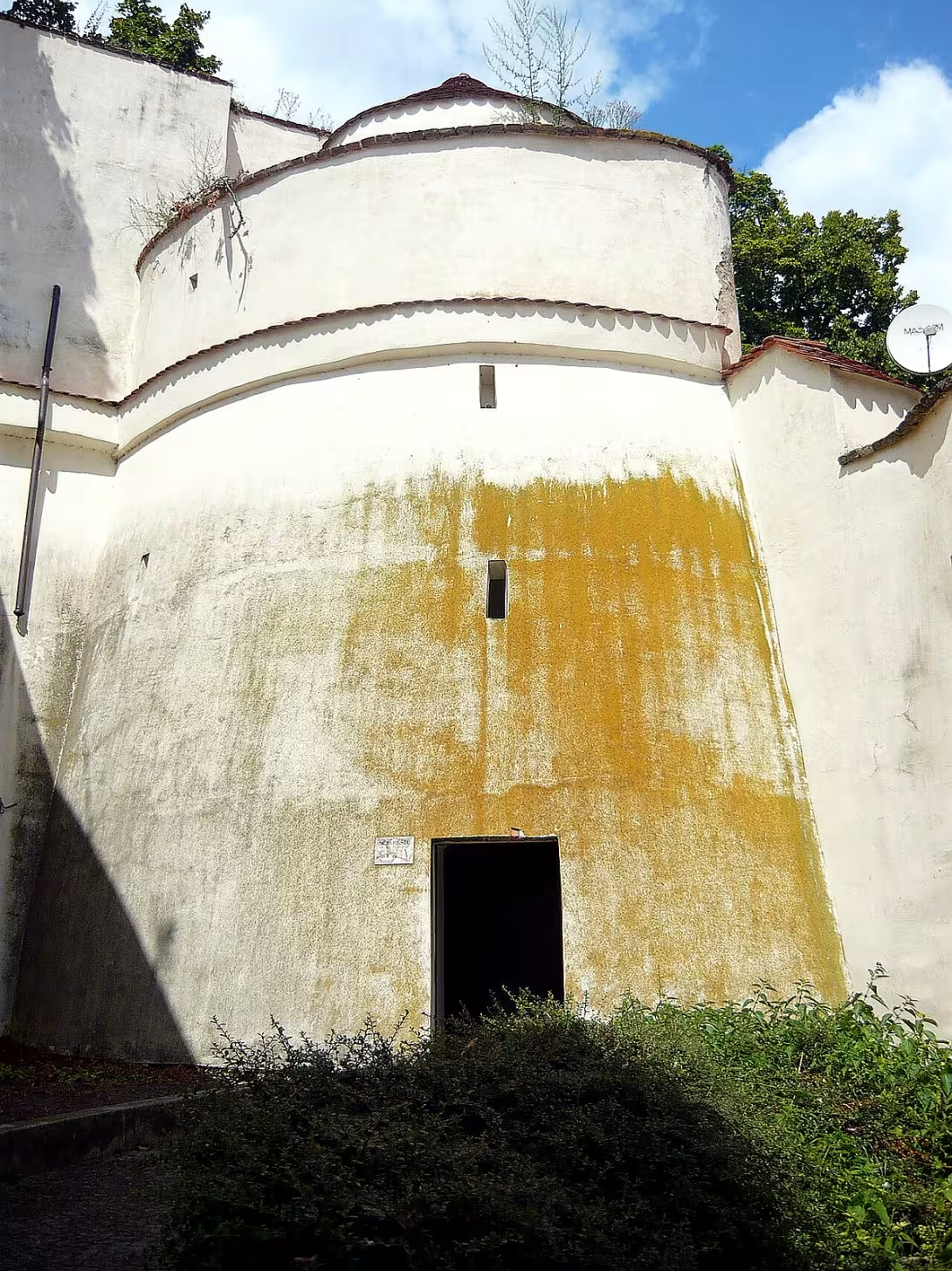
Mikulov city fortification is an important historical monument located in the village Mikulov in South Moravia. This object represents stone walls from the end of the 16th century which protected the inner city and important communication leading to Mikulova. They were designed to integrate with the fortification of the Mikulov Castle, creating a unified defence system. Today, these walls are a key part of the historical nature of the city and attract the attention of visitors through their architecture and history.
The history of Mikulov walls dates back to the beginning of the 15th century, when the inner city was protected by simple wooden palisades and trenches. The first mention of the fortifications of Mikulova dates back to 1414, when the urbarian described the inner city separated from the suburbs by simple coverage. At that time, only wooden doors without towers and walled structures were probably taken. The pre-urban parts surrounded the inner city from all sides, closed by other simple gates.
The fundamental change occurred in the second half of the 16th century when the original wooden palisades were replaced by stone walls made of local limestone. This development was linked to the increase in city importance and the need for more effective defence and representative fortifications. The new stone walls were supplemented by cylindrical towers and two main city gates, which connected directly to the fortification of Mikulov Castle. Although the walls were already militarily obsolete in the 16th century, they had great symbolic significance and were representative.
The architecture of Mikulov walls is characterized by its structure made of quarry stone, mainly of local limestone. The walls reached a width of two meters and a height of about eight meters, after their peak, the defensive gallery led about half a metre wide. The walls followed the natural terrain of the city, for example on the north side continued along the church and today's Czech street, while in the southeast part followed the flow of the River Hranice. The city gates were built mainly in the Gothic period and had key shooting sites lined with bricks, without classical battlements. In later stages, some parts of the wall were supplemented by Renaissance bastions for artillery.
Mikulov fortification also had a practical function in the normal life of the city. Some towers contained residential spaces for city servants or guards, and the gates served as checkpoints with clocks that rang at specific times of the day. In 1784, a devastating fire caused damage to a part of the fortifications, which led to modifications and punctures of a smaller gate near the Capuchin monastery.
In 1836-1837, both main city gates - Brno and Vienna - were demolished, but the walls themselves and several towers were preserved today. Today Mikulov walls are not only a monument to late medieval fortifications, but also an important element of the historical character of the city. Their preservation and accessibility make Mikulov an attractive goal for visitors interested in history and architecture.
Mikulov walls are a testament to the past, which resembles both the importance of defence and the symbolic importance of urban structures. Their visit offers a view of history and architecture to be preserved for future generations. Mikulov is worth visiting not only for its walls, but also for the rich cultural and historical context it offers.
Then and now
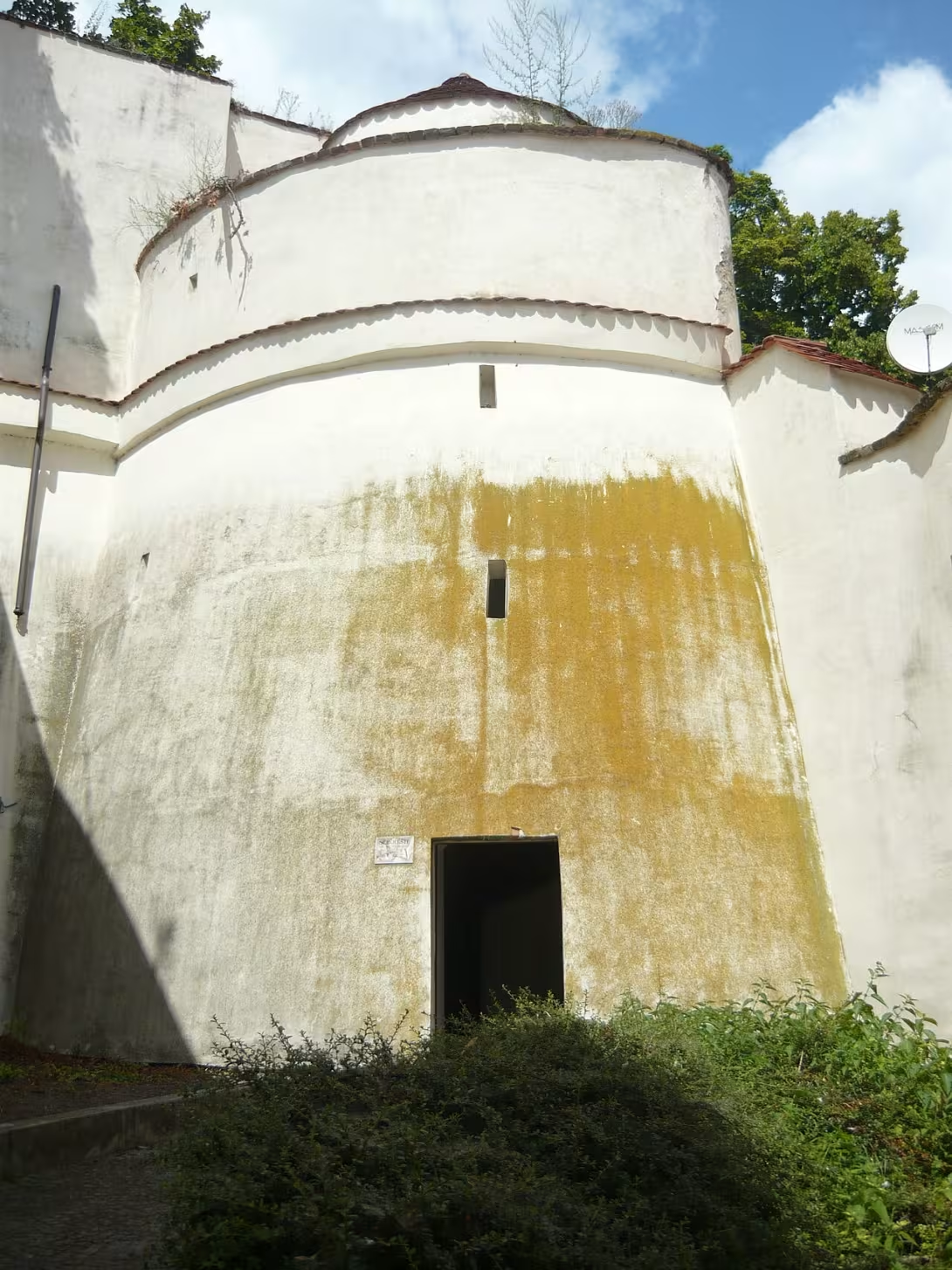
Drag the slider to compare how the landmark may have looked when it was built with the view today.
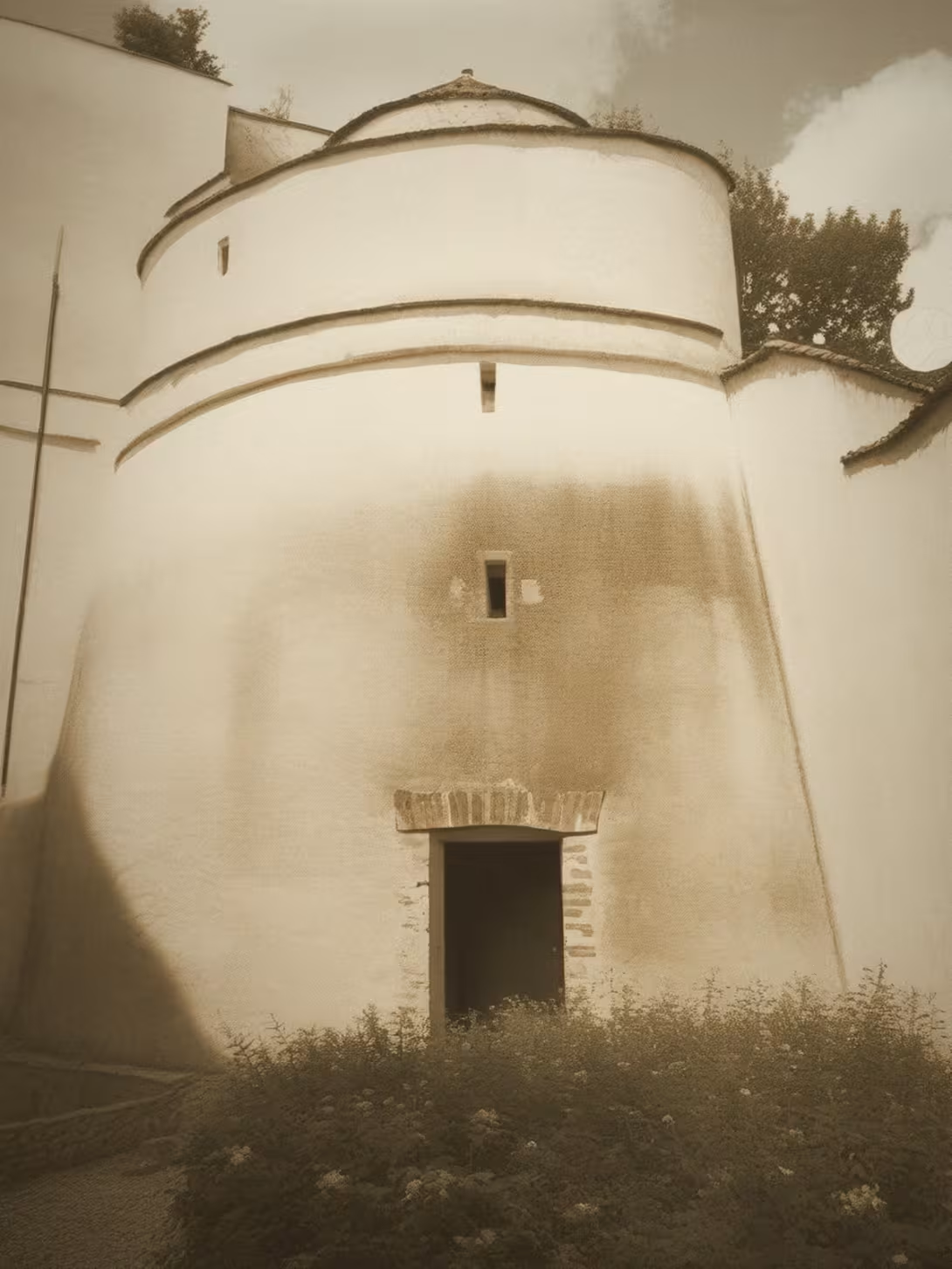
The historical appearance on the left is an AI-generated visualisation and serves as inspiration only.
Historical milestones
- 1414
- In the urbary is described the inner city separated from the suburbs by simple coverage.
- 1784
- The devastating fire caused damage to part of the fortifications and subsequent modifications.
- 1836
- The beginning of the demolition of the main city gates - Brno and Vienna.
Architectural development
The original wooden palisades and trenches were replaced in the second half of the 16th century by stone walls made of quarry limestone. The walls reached a width of two metres and a height of eight meters and were supplemented by cylindrical towers with conical roofs. In later stages, some parts were supplemented by Renaissance bastions for artillery requirements.
Historical events
In 1414, the urbarian described the defense using wooden walls. In 1784, a devastating fire caused damage to part of the fortifications. In 1836-1837 two main city gates - Brno and Vienna - were demolished.
Points of interest
- Mikulov city fortification represents stone walls from the end of the 16th century. - The walls were designed to integrate with the fortification of the Mikulov Castle and create a unified defense system. - The first mention of the Mikulova fortification dates back to 1414, when the city was protected by simple wooden palisades and moats. - In the second half of the 16th century the original wooden palisades were replaced by stone walls made of local limestone, supplemented with cylindrical towers and main city gates. - The walls were built from quarry stone, mainly from local limestone, with walls two metres wide and about eight metres high.
Guide
Show guide text
This text was created by artificial intelligence and has not been editorially reviewed. It may contain inaccuracies.
Welcome to Mikulov. You're standing in front of something that creates the very backbone of this historic city. Before your eyes, there is an urban fortification that has defined for centuries the border between the safe inner world of citizens and the danger that has been moving outside these walls. Feel this monumental structure that surrounds you. These walls are not just walls, they are witnessing the changes the city has undergone, and protectors who have watched over the peace of the local people for generations. Look at this massive structure and try to imagine how the view of this place has changed over many centuries.
To understand why these walls stand here, we need to go back deep into the past. The history of this fortification is not short, but its beginnings were much simpler than it is now. If we were to return to 1414, when the city's elements were described in the records at the time, you would not find this massive stone entity. At that time, the inner city was separated from the suburbs only by simple remuneration. Imagine this - instead of these heavy stone blocks, you saw probably wooden palisades, which were designed to provide basic protection, but were much more fragile and less permanent.
Over time, however, the city's needs have changed. With the increasing importance of Mikulov and the need to secure not only the inhabitants, but also the key communication routes that passed through the city, the old wooden structures became insufficient. So there was a time of fundamental transformation. Since the end of the sixteenth century, the original wooden palisades have been gradually replaced by more permanent stone walls. It is during this period that the fortifications have acquired their present form, which you can perceive now. Local people used what the country offered them - local limestone. Notice the structure of the stone you see here. This material was not selected by accident; its availability and strength made it possible to create defenses that would last centuries.
Now pay attention to the architecture of the entire system. This fortification was not built in isolation. It was designed to be perfectly integrated with the fortification of Mikulov Castle. This created one unified, complex defense system that controlled the entire area. Now, when you look at the course of the walls, feel this connection. The city and the castle were connected into one impenetrable unit. Within this system, the walls were supplemented by cylindrical towers which were of strategic importance in patrol and defence. Note also where the main gates were located. These gates, which connected the city with the world, were originally gothic in nature, which gave the entire entrance to the city a noble and impenetrable look.
The history of these walls, however, was not just a bad building and stability. There were times when they had to face the destructive forces of nature. In 1784 the city was hit by a devastating fire. This fire caused considerable damage to part of the fortifications and subsequently had to start repairs and modifications which secured the walls again. This event recalls how fragile the city's existence was in its strongest parts.
Another major breakthrough came much later, at a time when the role of cities began to change. By the nineteenth century, cities had stopped protecting themselves by high walls and started opening up to the wider area. In 1836 the demolition of the main city gates started - specifically the Brno and Vienna gates. These gates were once key points that linked the city to important directions, but removing them meant the final end of the era, when the city was a closed fortress. All we see today are fragments and traces of this previously enclosed space, but the atmosphere of the historic city remains, thanks to these remains.
If you're looking for something that really interests you, think about how much this place is connected to the overall defense of Mikulova. The interesting thing is that this stone fortification from the end of the sixteenth century was not only a separate construction, but part of a wider strategy that included a castle. This whole system was designed to make every part of the wall, every tower and every gate work together. This unity was the key to a successful defense in times of uncertainty.
Now that you've been through the history of these walls, I suggest you continue your walk around them. Look at the structure of the stone in detail, see the shadows that the towers cast on the city, and try to imagine the times when the troops moved here, when the gates opened every morning and when they closed again in the evening to ensure the peace of the people. Mikulov is a city that reveals its secrets to those who stop and listen to its stones. We thank you for your journey through time and wish you a pleasant continuation in discovering the other beauties of this city.
Tips for visitors
The best time to visit the city fortification in Mikulov is autumn or spring, when the area is particularly charming and nature offers beautiful colors. The temperatures are pleasant for long walks on the walls.
Parking in MikulovA is available in several places, but we recommend checking the current parking options online or on arrival. The location can also be reached by public transport; Check connections and routes in the local search engine.
When visiting, you can bring suitable shoes because the walls are partially stony. It is also good to have a protective umbrella and warm clothes in winter.
On-site photography offers wonderful views, especially in the morning or evening when the light is softer. The best places for photos are from the wall towards the castle Mikulov and church fortification.
The castle Mikulov is a short walk from the city walls. In addition, there is a stream of River Hranice nearby where you can take beautiful walks or picnics.
Businesses nearby
Do you run a restaurant, accommodation, shop, museum, rental, wellness or other visitor service near this monument? Show yourself directly to the people heading to it — this is how they will see you in the app and on the web:
Events nearby





Zdroj akcí: otevřená data měst a obcí ČR (Národní katalog otevřených dat) a kalendář akcí Národního památkového ústavu.
Nearby
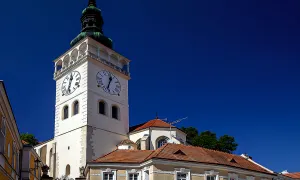
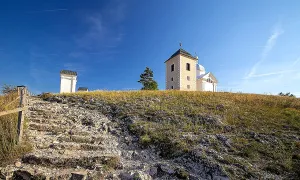
Fortification of the castle Mikulov, church and flow of the river Hranice.
Accommodation nearby
Themed route
1. Church - Type: Sacral monument. It represents a historical point near the city walls. 2. City fortifications in Mikulov (walls) - Type: Defensive architecture. The main objective of the route focused on urban defence. 3. Fortification of castle Mikulov - Type: Historical construction. Shows another part of the defense structures around. 4. The flow of the rivers Festering - Type: Water flow. It offers a quiet environment for the final part of the trip.
Seasonal recommendations
Spring: Mikulov city fortification offers a special atmosphere in spring, when nature awakens and flowering shrubs and trees provide a living colour to the surroundings. Sunshine days can be an ideal time to visit, because lighting is bright and welcoming. Although it is easy to expect less crowd load than in the summer months, it is recommended to visit early in the afternoon to enjoy mild temperatures and natural light. It is advisable to wear clothes on layers because in the morning it may become colder while in the afternoon temperatures rise.
Summer: In summer Mikulov city fortification is a popular destination for tourists, which brings to memory more visitors. Sunny days and warm evenings are the perfect time for a long walk around the wall, where you can enjoy pleasant noon lights or relax in the western sun. It is recommended to visit the early afternoon to escape the largest crowds and enjoy the peace. It is advisable to wear light clothes and sun helmet because summer temperatures can be very high.
Autumn: In autumn the Mikulov city fortification offers a unique atmosphere with a colorful palette of leafy trees and warm colors. Sunshine days are the perfect time to visit, when mild spring temperatures may occur, which contribute to comfort during walking on walls. Although there is usually a lower crowd load this season than in the summer, it is recommended to visit an early afternoon to enjoy pleasant autumn temperatures. It is advisable to wear clothes on layers and protective sunglasses because the sun is still strong.
Winter: In winter, Mikulov city fortification offers a quiet atmosphere with the possibility of enjoying a view of the snow covered walls. Sunshine days are an ideal time to visit, when temperature can be softer and the sun gives the environment a bright light effect. The opening hours of the monument are usually shorter than in other seasons, so it is recommended to visit early in the afternoon. It is important to wear warm clothes, protective shoes and perhaps even a hat or scarf so that you can enjoy the winter peace without discomfort.
Visualizations and artistic views


The visualisations are generated by artificial intelligence and serve as inspiration.
Photos from the area
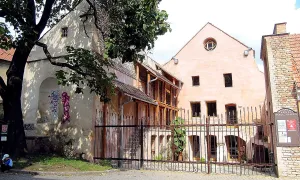
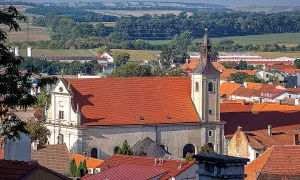
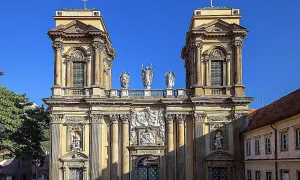
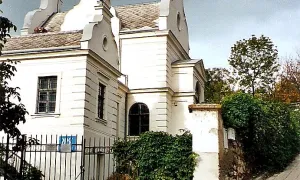
Real photos taken near the monument


Zdroj a licence jsou uvedeny u každého snímku.
Tips from visitors
No tips yet. Be the first!
Log in and add your tip.
Sources and literature
Fotografie: Honajz / CC BY-SA 4.0 — Wikimedia Commons. The author and licence also appear when you hover over the image.
Faktickým podkladem tohoto textu byl článek na Wikipedii, jehož autory jsou přispěvatelé Wikipedie. Článek je dostupný pod licencí CC BY-SA 4.0.
Location on the map
Příběhy a pověsti
Legendy, pověsti a příběhy spjaté s touto památkou

Fotografie návštěvníků
Zatím žádné fotografie. Buďte první, kdo přidá fotografii z návštěvy!
Přihlaste se a přidejte svou fotografii nebo hodnoťte.
Za ověřenou návštěvu v aplikaci získáte víc bodů — poznáme podle GPS, že jste na místě.
Reviews and comments