






Divadlo Reduta Theatre building
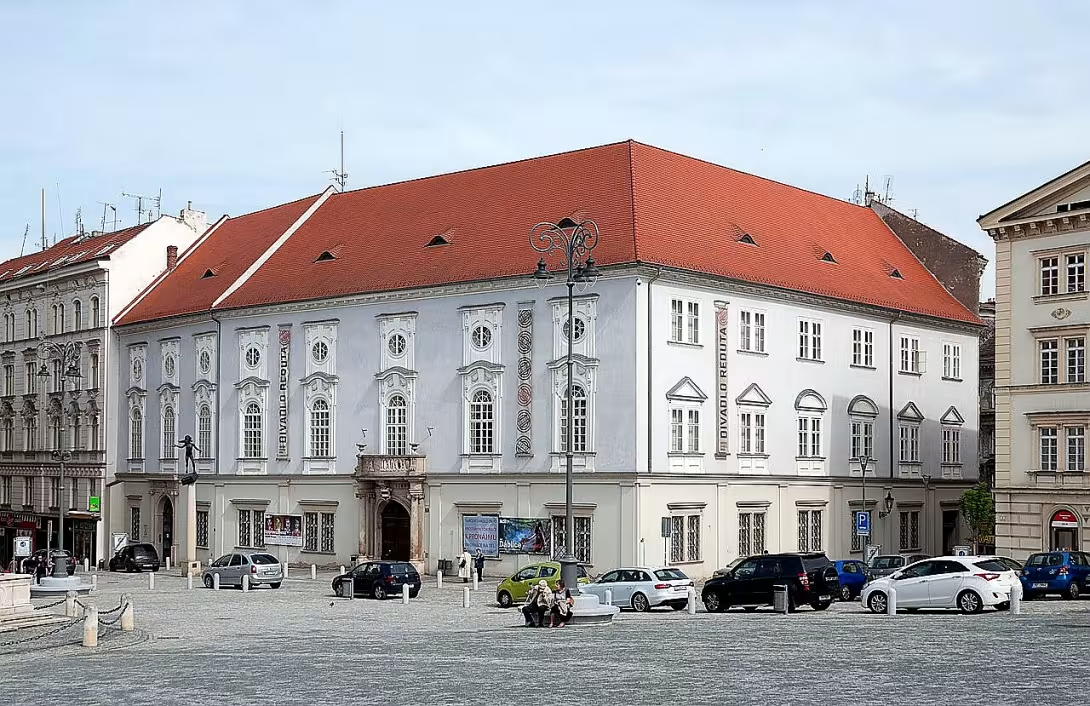
Divadlo Reduta in Brno is the oldest surviving theatre building in Europe, dating back to 1608. Located on Zelné Market, this historic place is part of the National Theatre in Brno and has a unique place in Central European cultural history. Its importance is highlighted by events such as the performance of Wolfgang Amadeus Mozart and his sister Nannerla in 1767.
Reduta's journey began in the early 17th century when the city council of Brno acquired and rebuilt medieval houses on the Zelné Market. The Liechtenstein house was converted into a pub by 1605 with assembly rooms for festivities. Until 1634 another house was integrated, which created a place for occasional performances of travelling theatre companies. In 1730 it was extended to include a new theatre and dance hall. Known as the Tavern Theatre in the 18th century, he hosted mainly German and Italian games.
Architectural evolution Reductions reflect its resilience due to adversity. After the fires in 1785 and 1786, the city council rebuilt the theatre in neoclassical style with a new two-story main hall. But another devastating fire in 1870 led to its closure to become a business hall until 1918, when theatre activities continued after the founding of Czechoslovakia. The building was further redesigned by architects Bohuslav and Kamil Fuchs in the 1950s and adapted for bilingual performances.
The ownership of Reduta has remained with the city of Brno since the acquisition around 1600. Over time it became part of the National Theatre in Brno, reflecting its lasting cultural importance. The history of the theatre is characterized by remarkable events, including the visit of emperor Leopold II in 1791 and performances during visits of emperor Franz Joseph I. 1804 and 1808.
One of Reduta's most interesting historical moments occurred on December 30, 1767, when young Wolfgang Amadeus Mozart performed with his sister Nannerl. Despite the challenges of the orchestra trumpets, Vice Kapellmeister Leopold Mozart was satisfied with their performance. This event highlights the role of the theatre in promoting musical talent and cultural exchange.
Today Divadlo Reduta is a living part of Brno's cultural landscape. After a comprehensive restoration completed in 2005 they host various artists and ensembles from the Czech Republic and Slovakia for visiting performances. The theatre does not have a permanent set, but regularly invites to various productions, making it a dynamic place for the current audience.
Visitors Divadlo Reduta can appreciate its rich history and architectural beauty while looking forward to modern performances that bridge the past and the present. Its location on Zelné Market is in the middle of Brno's historical architecture and cultural monuments, which increases its attractiveness for interested people in theatre and European heritage.
Historical milestones
- 1608
- First mention of Brno Reduta as a theatre.
- 1733
- Construction of the first dedicated theatre building with box seating.
- 1791
- Hosting events during the visit of Emperor Leopold II.
- 1804 and 1808
- Events organized in honor of visits of emperor Franz Joseph I.
Architectural development
At first she served as an inn, Reduta went through major transformations to become a theatre. The original building faced several fires, which led to reconstruction, which included dance halls and modernized facilities in the late 19th century. The reconstruction of Post-1918 adapted it for bilingual performances, which culminated in the extensive reconstruction completed in 2005.
Historical events
First mention of the theatre in 1608.
In 1733 a dedicated theatre building with box seats was built.
Reconstruction completed and reopened in 2005 after closure for safety reasons.
Owners
The city of Brno got the worsening Liechtenstein Palace around 1600. In time she became part of the National Theatre in Brno.
Points of interest
- the transformation of Divadlo Reduta in tavern with installation rooms 1605 was an innovative adaptation of medieval houses for social and festive purposes which reflected early modern urban development in Brno.
- Despite many devastating fires throughout history, the resistance of the theatre is an example of its architectural evolution from Baroque to neoclassical style, displaying adaptive reuse and historical preservation for centuries.
- Divadlo Reduta served as a market between 1870 and 1918, which illustrates the unusual redistribution of cultural space in times of economic need in Brno history.
- In the 1950s architects Bohuslav and Kamil Fuchs transformed the theatre to suit bilingual performance and highlight its role in promoting linguistic diversity and cultural exchange in the post-war context.
- The visit of Emperor Leopold II in 1791 meant one of several royal clauses that highlighted the importance of Reduta as a prestigious place for high-ranking events in the Habsburg monarchy.
Guide
This guide is narrated by a synthetic voice generated by artificial intelligence.
Show guide text
This text was created by artificial intelligence and has not been editorially reviewed. It may contain inaccuracies.
Welcome to the historic Divadlo Reduta in the Brno Green Market! As you stand in front of this architectural jewel, take a moment to absorb its size and imagine the centuries of stories it holds in its walls.
Divadlo Reduta is not just any theatre; It's the oldest theatre building in Europe. Its history dates back to 1608, when it was first mentioned as the venue for the performance in Brno. Originally part of the decrepit Liechtenstein Palace was an innovative conversion into a pub with assembly rooms in 1605. This adaptation reflects the early modern development of cities in Brno and establishes a stage for its future top.
As you look at the building, notice how it evolved over time. The first dedicated theatre building was built here in 1733, where a bed session was presented, which added a little elegance to the performances. Although Divadlo Reduta suffers from many devastating fires during its history, its permanent presence shows the resistance of Divadlo Reduta.
This place has been awarded many remarkable figures and events. In 1791, she hosted a meeting during the visit of Emperor Leopold II. Later, in 1804 and 1808, this was the place of celebration of Emperor Franz Joseph I. Divadlo Reduta also witnessed visits by historical figures such as Archduke Matyah in 1608, the Polish King John III. Sobieski in 1683 and Hrabi Thurn in 1675.
One of the fascinating aspects of Divadlo Reduta is its transformation for centuries. Originally it served as an inn for important guests, including European nobility, evolved into a cultural centre that is constantly adapting to the needs of its time.
When you continue your research, think about the journey of the theatre from the medieval pub to the national treasure. Divadlo Reduta is more than just a building; is living proof of the rich cultural heritage and lasting spirit of Brno.
We invite you to dive deeper into this remarkable site, discovering his stories and secrets. Thank you for joining us on this journey through history in Divadlo Reduta. Enjoy your visit!
Tips for visitors
The best time to visit Divadlo Reduta is at the end of spring or at the beginning of autumn months, when the weather is pleasant for exploring the Brno historical area of Zelný Market without summer crowds. This period is also associated with many cultural events organised by the National Theatre complex and offers a richer experience of the lively history of the theatre and contemporary performances.
Parking near Divadlo Reduta can be difficult due to its central position in Brno. Visitors are encouraged to use public transport or a park in designated areas outside the immediate surroundings of Zelný Market and walk from here. The area is well served by tram lines, so it is accessible to those who travel without a car.
When visiting Divadlo Reduta, consider bringing comfortable walking shoes as you will probably explore more than just the theatre itself. A camera or smartphone with a good camera can capture the unique architecture of the building and its surroundings on the Zelné Market. In addition, it is recommended to wear a light jacket because the inner spaces may be colder.
For photographic enthusiasts, early morning visits are recommended to avoid crowds and benefit from softer natural lighting. The Divadlo Reduta facade offers a stunning background for photos, especially when the sun illuminates its architectural details. Inside, capture decorated interior during the tour can provide unique prospects.
Within 30 minutes walk from Divadlo Reduta, visitors can explore other parts of the National Theatre Complex and enjoy the rich Brno cultural scene. The area is also a good starting point for families with children to discover nearby attractions that offer interactive experiences or educational insights into the history of the region.
Frequently asked questions
Can the monument be visited?
Yes. We verified the opening hours or admission on the official website (16. 9. 2026); you will find them in the visitor information on this page. Please double-check with the operator before you travel.
What are the opening hours and admission?
Details verified on the official website (16. 9. 2026) are listed in the visitor information on this page. Official website: https://www.ndbrno.cz/o-divadle/budovy/divadlo-reduta/
Where is the monument?
Location: Zelný trh 313/4, Brno-město, Brno, Jihomoravský kraj. The map on this page shows the exact spot.
Why is the monument protected?
It is listed in the Central List of Cultural Monuments of the Czech Republic as a cultural monument (register no. 31841/7-146).
Businesses nearby
Do you run a restaurant, accommodation, shop, museum, rental, wellness or other visitor service near this monument? Show yourself directly to the people heading to it — this is how they will see you in the app and on the web:
Events nearby


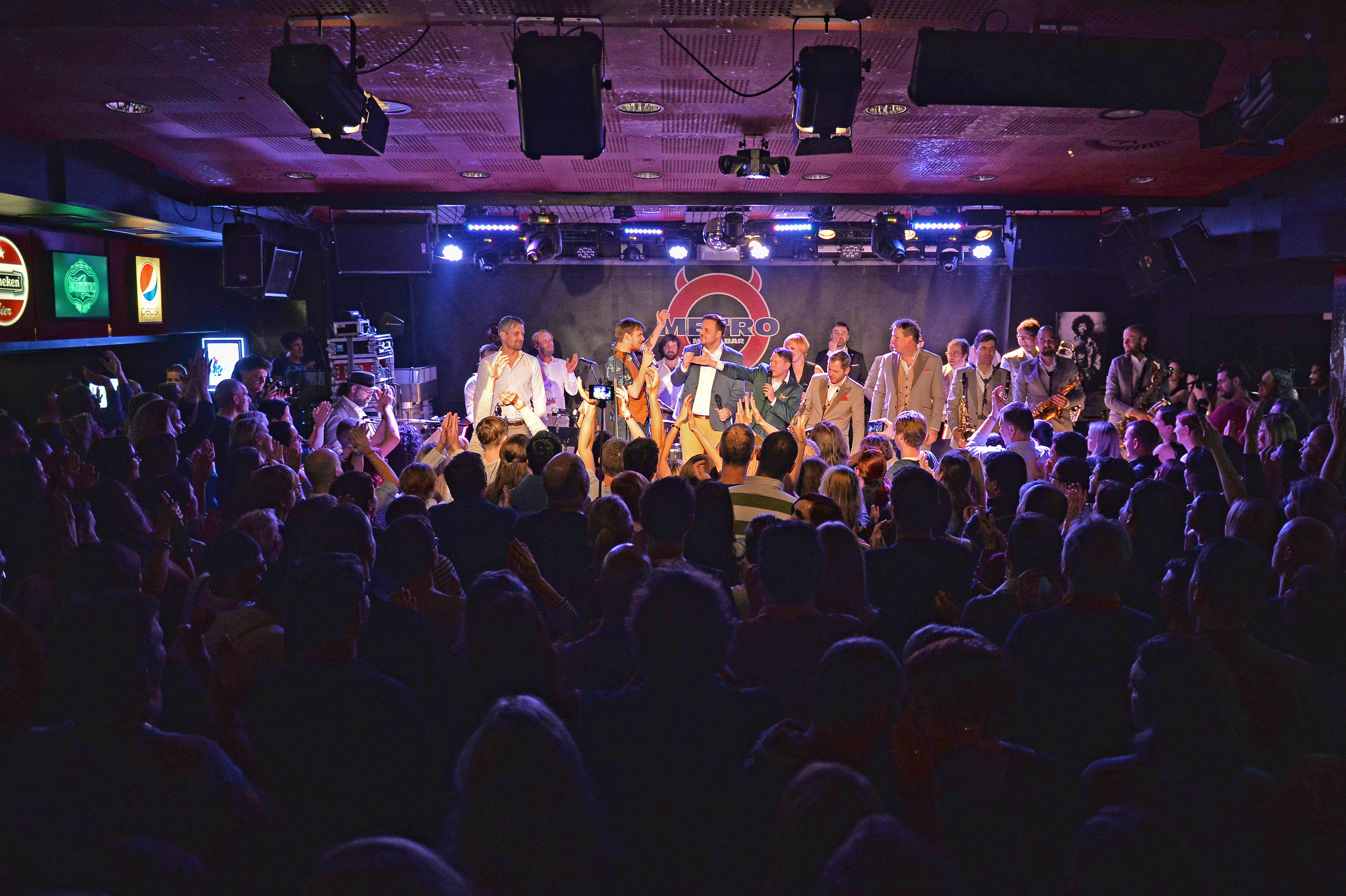

Zdroj akcí: otevřená data měst a obcí ČR (Národní katalog otevřených dat) a kalendář akcí Národního památkového ústavu.
Nearby
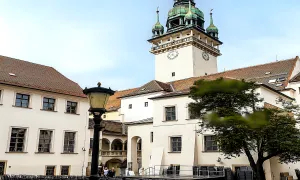
The area is located on the Zelné Market in Brno and is rich in historical architecture and cultural monuments. Its importance adds to the proximity of other parts of the National Theatre complex.
Accommodation nearby
Trips and activities nearby
Guided tours, tickets and activities nearby from GetYourGuide
Affiliate link: if you buy from the partner, we may receive a commission. The price for you does not change.
Search tours and activities →Themed route
Thematic production: Historical and cultural services Brno
1. Divadlo Reduta (theatre building) * Type: * Cultural monument * It is worth the effort: * Divadlo Reduta is a positive set of National Theatre Complex in Brno and famous for its own rich historical background. It is denied that it is an impressionable interior and architectural style that takes away the spirit of 19. Century. Visit this place for a grasp of the cultural wines theatre on the city of Brno.
2. Green market * Type: * Historical mission * Why is it worth visiting: * The Zelný market is the oldest regional centre in Brno, which has its own history and architecture. His name was grub for traditional products and other foods. A walk around the Square will offer on the classic municipalities, restaurants and historic buildings that can have the same character.
3. National Theatre * Type: * Theatre institution * Why is it worth a visit: * Located near Reduta Theatre and is part of the same complex. The National Theatre is a well-known light of classical and modernist productions that go into divisions from all over Europe. Visit this place for use is important in the cultural life of Brno.
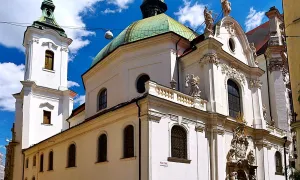
4. Church of St. James * Type: * Historical church * Why is it worth a visit: * This baroque church is only from iconic monuments on the Zeln market and famous for its own distinctive lightning house. His history dates back to 14. Centuries, which sow cultural quantities to local quantities. visit tootel offers a view of his rich architecture and history.
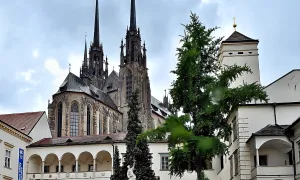
5. Church of St. Peter and Paul * Type: * Historical church * Why is it worth a visit: * Located near the Green Market and is well known for its own Baroque architecture. The church was built in the 17th century and served as a peaceful haven for smaller inhabitants. Its interior, especially frescoes and statues, are survived for milestones of art and history.
This route will guide you through the heart of the cultural life of Brno, offering a view of its rich history and architecture.
Seasonal recommendations
Spring: The visit Divadlo Reduta during spring offers a unique experience as the surrounding gardens begin to bloom, creating a picturesque environment that increases the historical charm of the building. Fine heat and longer daily hours provide a welcome atmosphere for exploring architecture and surrounding natural lines. It is advisable to wear layers because temperatures can fluctuate between mild days and cooler evenings. Spring is usually less crowded than summer, which makes it an ideal time for a peaceful visit without long waiting.
Summer: Summer season in Divadlo Reduta is pulsating with lush greenery surrounding a historic place that offers a lively background for all outdoor events or performances. With longer daily hours, visitors can take advantage of extended opening hours and possibly evening shows under the stars. Summer attracts more tourists, therefore it is wise to arrive early to avoid crowds and ensure access to popular shows. We recommend comfortable clothes suitable for warm weather, along with hydration during your visit.
Autumn: Autumn brings a stunning color view because the leaves around Divadlo Reduta turn the pulsing shades of red, orange and gold, creating a charming atmosphere ideal for shooting enthusiasts or those looking for a peaceful escape. This season often sees fewer visitors compared to summer, which provides a more relaxed experience. Thanks to cold temperatures it is ideal for wearing layers that can be set all day. It is also a great time to enjoy seasonal events or performances that use crispy autumn air.
Winter: Winter at Divadlo Reduta transforms the area into a quiet winter wonderland, with snow often flooding the historic place and surrounding gardens that offer a magical environment for visitors. Shorter days mean early closure, so planning your visit during daylight is appropriate. Due to colder temperatures, it is essential that clothing in layers be dressed warmly, including hats, gloves and insulated shoes. Winter can be less crowded than other seasons, allowing for more intimate exploration of the rich history of the theatre without hustle and bustle.
Visualizations and artistic views


The visualisations are generated by artificial intelligence and serve as inspiration.
Photos from the area
Real photos taken near the monument


Zdroj a licence jsou uvedeny u každého snímku.
Tips from visitors
No tips yet. Be the first!
Log in and add your tip.
Sources and literature
Photos: MrPanyGoff, attribution: Plamen Agov - studiolemontree.com / CC BY-SA 4.0 — Wikimedia Commons. The author and licence also appear when you hover over the image.
Faktickým podkladem tohoto textu byl článek na Wikipedii, jehož autory jsou přispěvatelé Wikipedie. Článek je dostupný pod licencí CC BY-SA 4.0.
Location on the map
Příběhy a pověsti
Legendy, pověsti a příběhy spjaté s touto památkou
Fotografie návštěvníků
Zatím žádné fotografie. Buďte první, kdo přidá fotografii z návštěvy!
Log in a přidejte svou fotografii nebo hodnoťte.
Za ověřenou návštěvu v aplikaci získáte víc bodů — poznáme podle GPS, že jste na místě.
Reviews and comments