






Dobrš Fortress
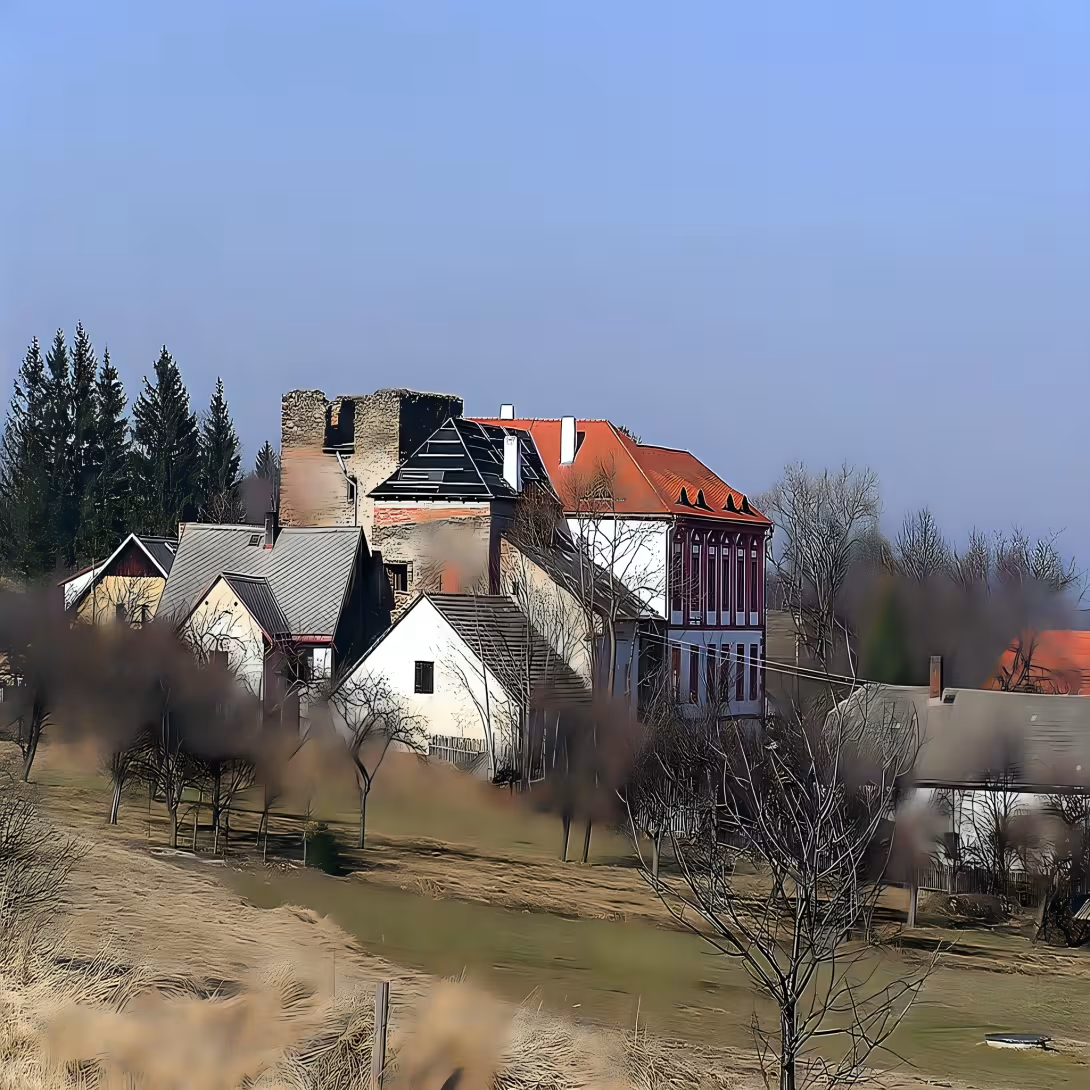
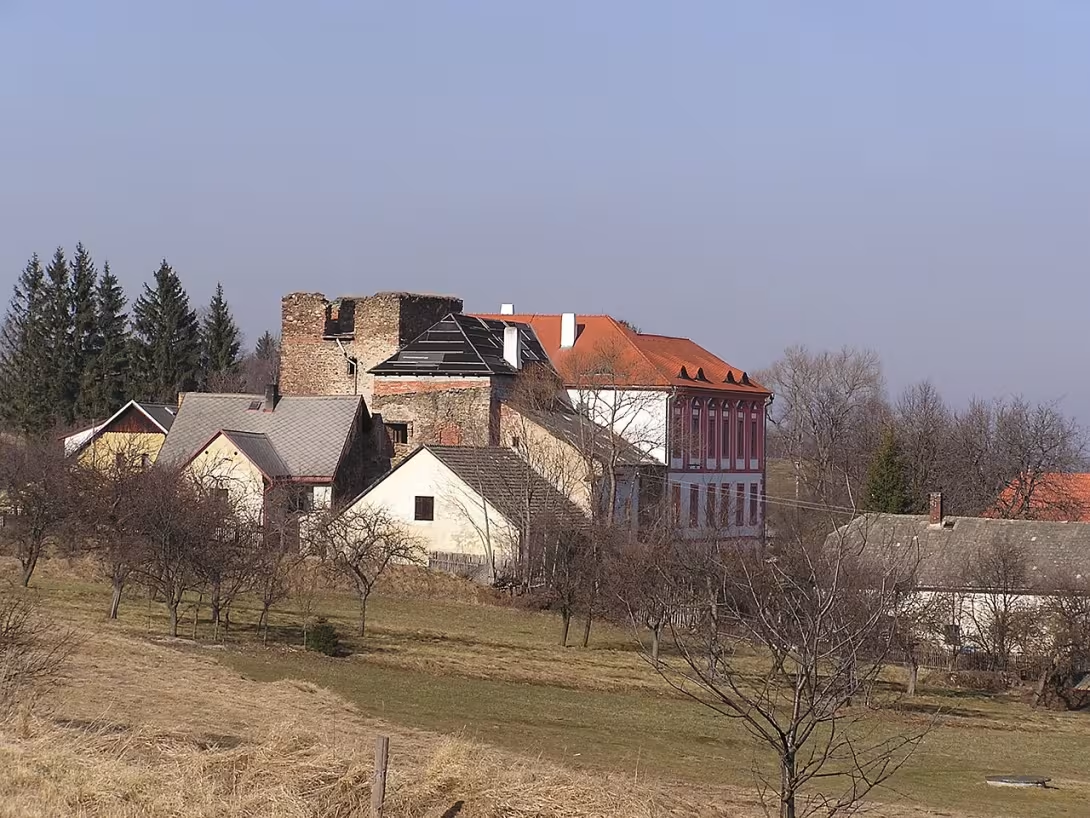
Dobrš is a partially preserved fortress located in Drážov village within the Strakonice District, South Bohemia. Originating from the 14th century, it has undergone significant transformations through Gothic, Renaissance, and Baroque architectural styles. The site holds cultural significance as it was declared a protected monument in 1963.
The documented history of Dobrš begins with its first written mention in 1377 by Přibík z Dobrše, known as Kocík. During the Hussite Wars, the fortress suffered heavy damage but was subsequently restored. In the early 16th century, it came under the ownership of Kryštof Koce, whose family served the Strakonice Johannites. The estate expanded to include several villages and a brewery during this period.
A significant architectural transformation occurred in 1597 when Václav Koc added a Renaissance castle to the existing Gothic structure. This addition marked a shift towards more elaborate designs, featuring arcades and sgraffito decorations on the facades. However, by 1608, the estate was divided among Václav's relatives, leading to frequent changes in ownership over the following century.
The Baroque era brought further modifications, particularly under Hubert Zikmund Althan in 1692, who initiated but did not complete a new baroque castle on the site. Later, Adam František ze Schwarzenberg acquired the estate in 1707 and used it as an administrative center until the early 19th century when economic functions were decentralized.
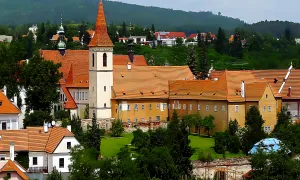
Architecturally, the original fortress featured a polygonal tower surrounded by a moat and wall. Over time, expansions during the late Gothic period transformed its shape into almost rectangular with new fortifications. The Renaissance era saw further embellishments, while Baroque influences primarily affected the eastern part of the site. Unfortunately, in 1845, a fire destroyed the roof of the tower, which was never restored.
Today, Dobrš remains a partially preserved testament to its rich history, though it is not accessible to the public. The fortress's layered architectural styles and historical significance make it an intriguing destination for those interested in Bohemian heritage. Visitors can explore the surrounding scenic landscapes typical of South Bohemia by following the yellow-marked tourist trail from Vacov. Despite its restricted access, Dobrš offers a unique glimpse into the past, inviting exploration through its storied walls and enduring legacy.
Then and now
Drag the slider to compare how the landmark may have looked when it was built with the view today.
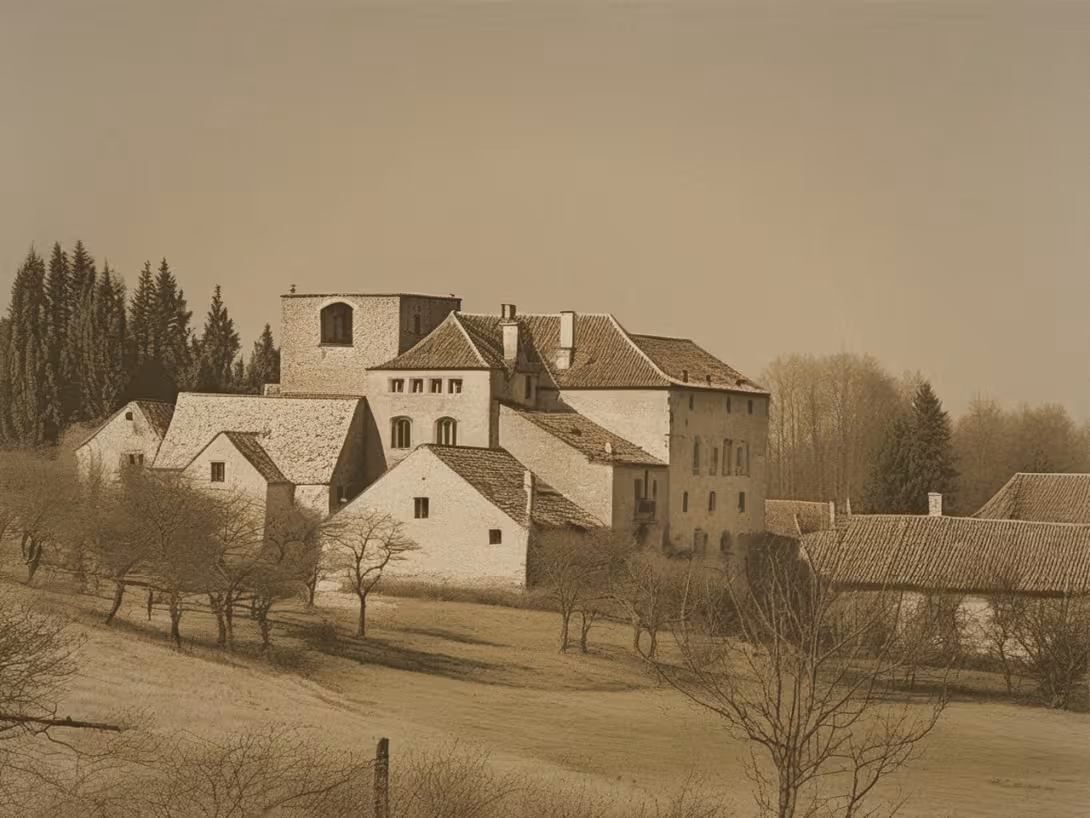
The historical appearance on the left is an AI-generated visualisation and serves as inspiration only.
Historical milestones
- 1377
- First written mention of Dobří.
- c. 1400
- Dobří suffered damage during the Hussite Wars.
- 1597
- Václav Koc added a Renaissance castle to the Gothic structure.
- 1608
- The estate was divided among Václav's relatives.
- 1692
- Hubert Zikmund Althan began construction of the Baroque castle.
- 1963
- Dobří was declared a protected cultural monument.
Architectural development
The original 14th-century fortress featured a polygonal tower surrounded by a moat and wall. During the late Gothic period, it expanded into an almost rectangular shape with new fortifications. The Renaissance era saw the addition of a castle with arcades and sgraffito decorations. Baroque modifications primarily affected the eastern part of the site.
Historical events
Tvrz was heavily damaged during the Hussite Wars.
In 1597, Václav Koc added a Renaissance castle to the Gothic fortress.
A significant fire in 1845 destroyed the roof of the tower.
Owners
Přibík z Dobrše (1377)
Kryštof Koce (16. století první polovina)
Václav Koc (1597)
Hubert Zikmund Althan (1692)
Adam František ze Schwarzenbergu (1707)
Points of interest
- The fortress of Dobrš was initially mentioned in historical records by Přibík z Dobrše, also known as Kocík, who played a significant role during the Hussite Wars, a period marked by religious conflict and social upheaval.
- In 1597, Václav Koc undertook an ambitious architectural project to add a Renaissance castle to the existing Gothic structure of Dobrš. This addition is notable for its arcades and sgraffito decorations, showcasing the transition in artistic styles during that era.
- The estate's division among Václav Koc’s relatives in 1608 led to frequent changes in ownership over the following century, illustrating the complex feudal dynamics and inheritance practices of the time.
- Hubert Zikmund Althan began a Baroque transformation at Dobrš in 1692 by starting construction on a new baroque castle. However, this project was never completed, leaving behind an intriguing example of architectural ambition from that period.
- A devastating fire in 1845 destroyed the roof of Dobrš's polygonal tower, and it was never restored, which adds to the fortress’s aura of historical mystery and decay, highlighting the challenges of maintaining such structures over centuries.
Guide
This guide is narrated by a synthetic voice generated by artificial intelligence.
Show guide text
This text was created by artificial intelligence and has not been editorially reviewed. It may contain inaccuracies.
Welcome to the historic site of Dobrš, a remarkable testament to centuries of architectural evolution and cultural significance nestled in the village of Drážov within the Strakonice District. As you stand here, imagine yourself stepping back into time amidst the remnants of this partially preserved fortress, where echoes of its storied past linger in the air.
Dobrš first emerged from historical obscurity with a mention by Přibík z Dobrše, also known as Kocík, around 1377. This period marked the beginning of an era when fortresses like Dobrš played crucial roles in regional defense and politics. As you take in your surroundings, picture the fortress during its early days—a stronghold built amidst the tumultuous times of the Hussite Wars. These conflicts left their mark on the landscape, with Dobrš suffering damage around 1400.
The architectural journey of this site began as a Gothic structure, reflecting the medieval style prevalent at that time. As you look around, notice how these early influences laid the groundwork for future transformations. In 1597, Václav Koc embarked on an ambitious project to integrate Renaissance elements into the existing Gothic framework, adding a layer of elegance and sophistication.
Fast forward to 1692, when Hubert Zikmund Althan initiated the construction of a Baroque-style palace, infusing the site with grandeur and opulence. This era brought about significant changes in design, evident in the sweeping lines and ornate details that characterize Baroque architecture. As you explore, try to envision these architectural shifts through the centuries.
Dobrš has been home to many notable figures, including Přibík z Dobrše (Kocík), a key player during the Hussite Wars, whose legacy is interwoven with this site's history. Another significant figure was Kryštof Koce in the 16th century, contributing to its storied past.
One intriguing aspect of Dobrš is how it encapsulates the dynamic shifts in architectural styles and historical narratives over time. Its declaration as a protected cultural monument in 1963 underscores its importance not only as an architectural relic but also as a keeper of regional history.
As you continue your exploration, take a moment to appreciate the atmosphere that surrounds this historic site—where each stone tells a story, and every corner holds a glimpse into the past. We invite you to delve deeper into its rich tapestry of history and architecture.
Thank you for joining us on this journey through time at Dobrš. May your exploration be filled with discovery and wonder as you uncover more about this fascinating fortress.
Frequently asked questions
Can the monument be visited?
This is a ruin. Such sites are often freely accessible, but some can only be visited with a guide or are closed for safety reasons. We have not verified the current situation – take care and respect any restrictions.
Where is the monument?
Location: Dobrš č.p. 38, Drážov, Jihočeský kraj. The map on this page shows the exact spot.
Why is the monument protected?
It is listed in the Central List of Cultural Monuments of the Czech Republic as a cultural monument (register no. 15543/3-4086).
Businesses nearby
Do you run a restaurant, accommodation, shop, museum, rental, wellness or other visitor service near this monument? Show yourself directly to the people heading to it — this is how they will see you in the app and on the web:
Events nearby

Zdroj akcí: otevřená data měst a obcí ČR (Národní katalog otevřených dat) a kalendář akcí Národního památkového ústavu.
Nearby
Dobrš is located on the southwestern edge of Drážov village at an elevation of 705 meters. The area features scenic landscapes typical of South Bohemia, though specific nearby monuments or natural features within a 5 km radius are not detailed.
Accommodation nearby
Themed route
Tematická výletní trasa Dobrš (tvrz) a okolí
1. Dobrš (Tvrz)
Typ: Historická památka
Proč stojí za návštěvu: Tato gotická tvrz, nacházející se na jihozápadním okraji vesnice Drážov, je nejen architektonickou perli, ale také důležitým kulturním centrem. Je známá jako místo narození Karla IV., což ji činí významnou pro historii České republiky. Vnitřní expozice nabízejí pohled na život a dobu této legendární postavy.
2. Nádvoří tvrze Dobrš
Typ: Historický parkový prostor
Proč stojí za návštěvu: Nádvoří je ideálním místem pro relaxaci a prohlídku v klidném prostředí. Zde si můžete užít krásné zelené plochy, které doplňují historickou atmosféru tvrze. Je to také místo, kde se konají různé kulturní akce a výstavy, což přináší další rozměr pro návštěvníky.
3. Věž Dobrš
Typ: Historická stavba
Proč stojí za návštěvu: Věž tvrze nabízí jedinečný pohled na okolní krajiny Jihočeského kraje. Je to vynikající místo pro fotografii a poskytuje návštěvníkům možnost si užít panoramatické zážitky, zejména během jasných dní.
4. Parkový prostor kolem tvrze
Typ: Zelená plocha pro rekreační aktivity
Proč stojí za návštěvu: Parkový prostor nabízí možnosti pro krátké procházky nebo relaxaci na přírodním pozadí. Je to místo, kde si můžete užít klidné chvilky v příjemném prostředí a zároveň se dozvědět více o historii a kulturním významu tvrze.
Tato trasa nabízí návštěvníkům komplexní pohled na Dobrš, od jeho historických stěn po klidné zelené prostory, které jej obklopují.
Seasonal recommendations
Spring: Visiting the Dobrš Castle ruins during spring offers a unique experience as nature begins to awaken from its winter slumber. The surrounding landscape is adorned with vibrant wildflowers and fresh greenery, creating a picturesque backdrop for exploring the historical site. As daylight extends into the evening, visitors can enjoy the soft, natural lighting that enhances the castle's ancient stones. Springtime often brings unpredictable weather, so it’s advisable to wear layers and bring an umbrella or raincoat. The early morning hours are ideal for visiting as they tend to be quieter before larger crowds arrive.
Summer: Summer is a popular time to visit Dobrš Castle due to its warm weather and extended daylight hours, which allow for prolonged exploration of the ruins. The lush greenery around the castle provides a refreshing atmosphere, perfect for picnics or leisurely strolls through nature trails nearby. However, this season also attracts more visitors, so arriving early in the day can help avoid larger crowds. Comfortable walking shoes and light clothing are recommended to stay cool during your visit.
Autumn: Autumn transforms Dobrš Castle ruins into a stunning canvas of warm colors as leaves change from green to shades of orange, red, and yellow. The cooler temperatures make for comfortable exploration, while the softer light creates an atmospheric setting ideal for photography or simply enjoying the serene environment. This season is less crowded than summer, offering a more peaceful experience. Visitors should dress in layers to accommodate fluctuating temperatures throughout the day.
Winter: Winter at Dobrš Castle offers a magical and tranquil atmosphere as snow blankets the ruins, creating a picturesque winter wonderland. The cold weather necessitates warm clothing, including coats, hats, gloves, and sturdy boots to navigate potentially icy paths. Despite fewer visitors, some areas might be inaccessible due to snow or ice, so checking current conditions before your visit is advisable.
Visualizations and artistic views


The visualisations are generated by artificial intelligence and serve as inspiration.
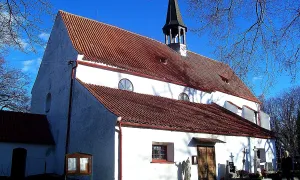
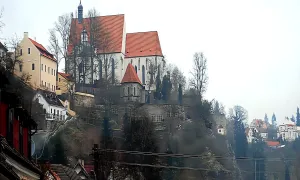
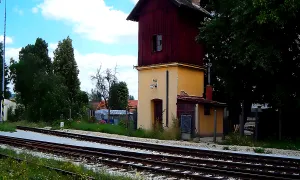
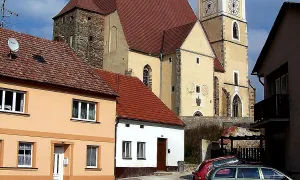
Photos from the area
Real photos taken near the monument


Zdroj a licence jsou uvedeny u každého snímku.
Tips from visitors
No tips yet. Be the first!
Log in and add your tip.
Sources and literature
Photos: JAn Dudík / Public domain, rozlišení zvýšeno umělou inteligencí — Wikimedia Commons. The author and licence also appear when you hover over the image.
Faktickým podkladem tohoto textu byl článek na Wikipedii, jehož autory jsou přispěvatelé Wikipedie. Článek je dostupný pod licencí CC BY-SA 4.0.
Location on the map

Příběhy a pověsti
Legendy, pověsti a příběhy spjaté s touto památkou
Fotografie návštěvníků
Zatím žádné fotografie. Buďte první, kdo přidá fotografii z návštěvy!
Log in a přidejte svou fotografii nebo hodnoťte.
Za ověřenou návštěvu v aplikaci získáte víc bodů — poznáme podle GPS, že jste na místě.
Reviews and comments