






Dolní Předměstí (Valašské Meziříčí) Settlement
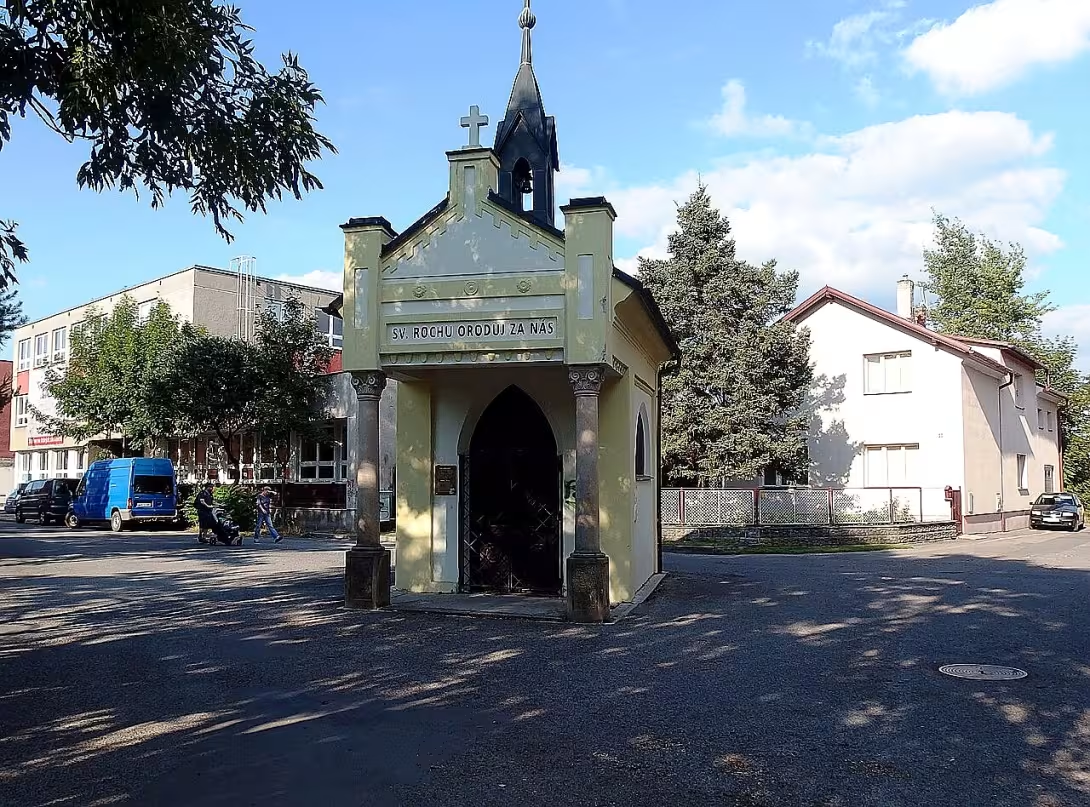
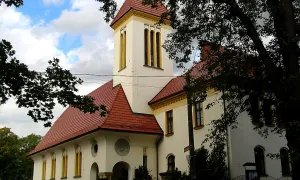
Dolní Předměstí, originally a suburb of Valašské Meziříčí in the Zlínský kraj region, stands as a testament to historical and architectural evolution. Established in the 16th century on the right bank of the Rožnovská Bečva river, it developed from an urban extension of Krásno nad Bečvou. The area is notable for its blend of traditional residential structures and significant architectural developments, including a chapel dedicated to Saint Roch constructed in 1831 and a functionalist family home by architect Bohumír Kupka built in 1933.
The origin of Dolní Předměstí dates back to the 16th century when it was established as an urban extension from Krásno nad Bečvou. During this period, Bohemia was part of the Habsburg Monarchy, a time marked by cultural and architectural advancements influenced by the Renaissance and later the Baroque era. The suburb's core area historically centered around today's Vrbenská and Kupkovy streets, reflecting broader European trends.
Architecturally, Dolní Předměstí began as a residential area featuring traditional structures. Over time, it saw additions like a baroque townhouse and a functionalist house by Bohumír Kupka in 1933. The mid-20th century brought significant industrial development to the suburb, leading to the demolition of much of its original core in the 1960s. This transformation replaced many traditional structures with factory buildings, marking a dramatic shift in the area's architectural landscape.
Throughout its history, Dolní Předměstí underwent several administrative changes. Initially recognized as a separate cadastral area until 1974, it was then merged with Krásno nad Bečvou. This change reflects broader regional administrative adjustments during that period.
Key events in the suburb's history include the construction of the chapel dedicated to Saint Roch in 1831 and the building of Bohumír Kupka's functionalist family home in 1933, highlighting significant architectural milestones. Additionally, mid-20th century industrialization led to the demolition of much of the original core, reshaping the suburb's identity.
Today, Dolní Předměstí is integrated into the urban fabric of Valašské Meziříčí. While much of its historical architecture has been replaced by industrial structures, remnants like the chapel and Kupka's house offer a glimpse into its past. These sites are accessible to visitors interested in exploring the architectural heritage and historical narrative of the area.
Dolní Předměstí offers a unique window into the architectural and cultural transformations that have shaped Valašské Meziříčí over centuries. Its blend of traditional and modern elements makes it a compelling destination for those keen to explore the layers of history embedded in its streets. Visitors are invited to delve into this rich historical tapestry, discovering the stories and structures that define Dolní Předměstí's enduring legacy.
Then and now
Drag the slider to compare how the landmark may have looked when it was built with the view today.
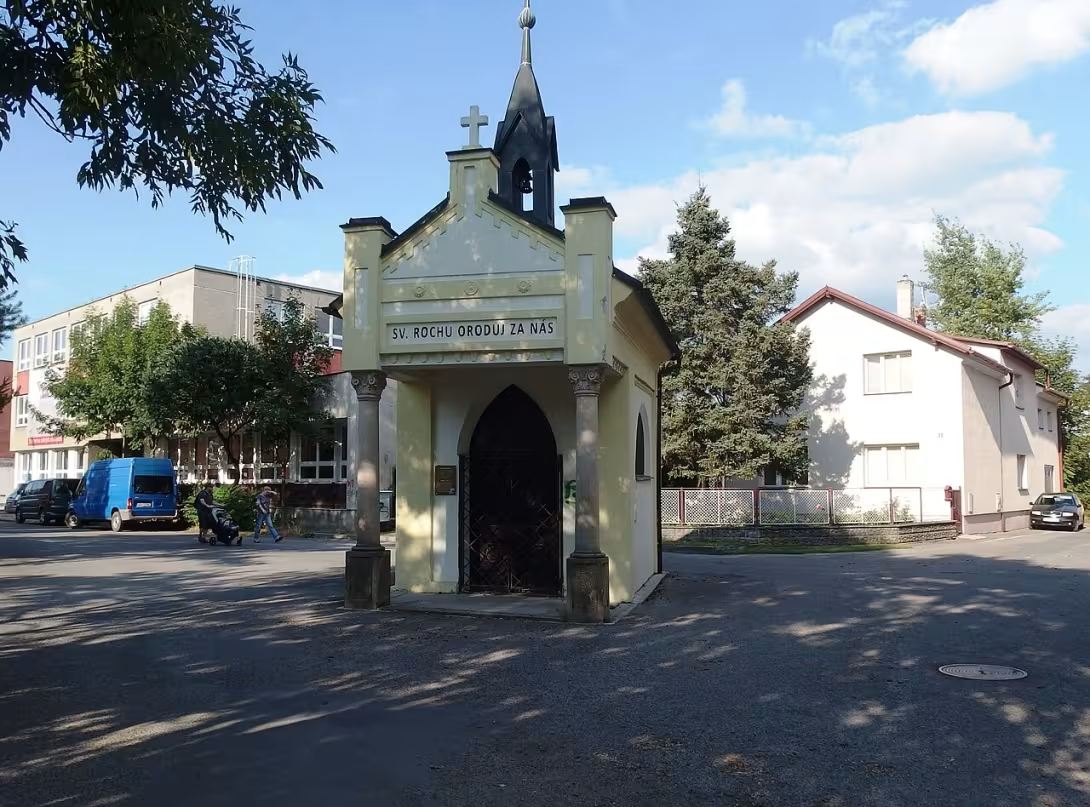
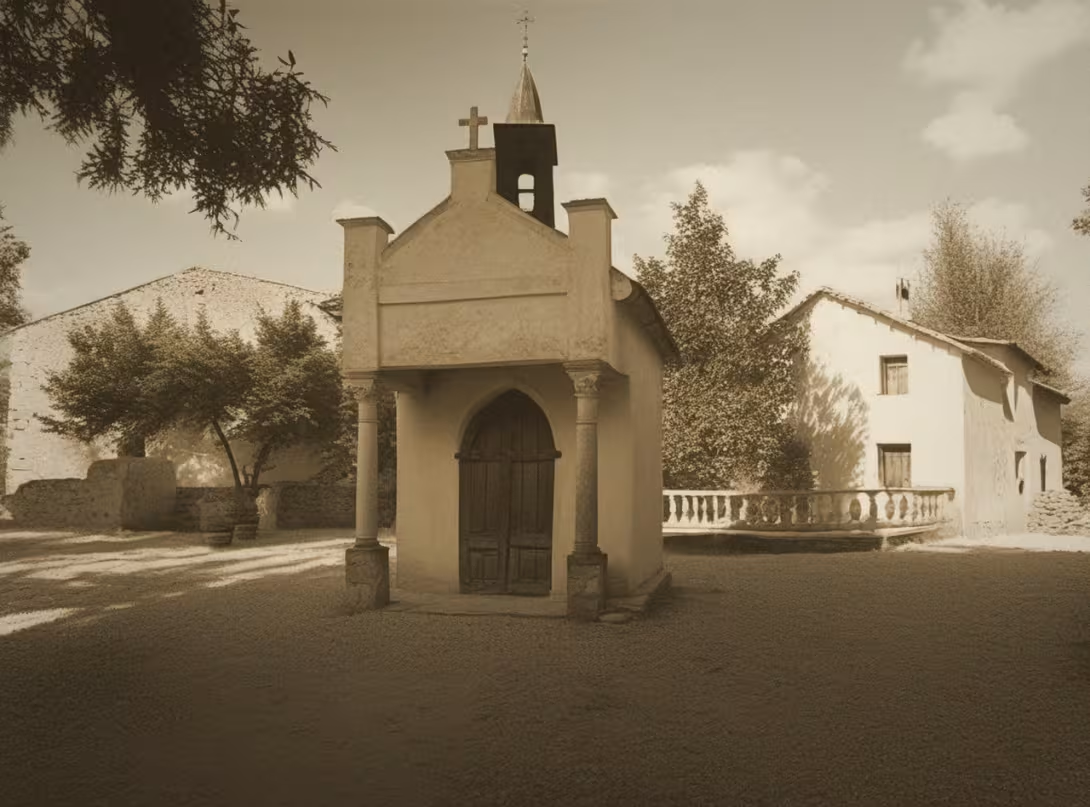
The historical appearance on the left is an AI-generated visualisation and serves as inspiration only.
Historical milestones
- 1831
- Construction of the chapel dedicated to Saint Roch.
- 1933
- Building of a functionalist family home by architect Bohumír Kupka.
Architectural development
Dolní Předměstí began as a residential area with traditional structures. Over time, it saw the addition of notable buildings such as a baroque townhouse and a functionalist house by Bohumír Kupka in 1933. The mid-20th century brought industrialization, replacing much of the original architecture with factory buildings.
Historical events
In 1831, a chapel dedicated to Saint Roch was constructed at the intersection of Vrbenská and Kupkovy streets.
The suburb underwent significant industrial development in the mid-20th century, leading to the demolition of much of its original core in the 1960s.
Points of interest
- Dolní Předměstí's establishment in the 16th century as an extension of Krásno nad Bečvou coincided with Bohemia being part of the Habsburg Monarchy, a period known for its cultural and architectural growth influenced by Renaissance and Baroque styles.
- The chapel dedicated to Saint Roch, constructed in 1831, stands out not only for its religious significance but also as one of the few remaining structures from Dolní Předměstí's original core, offering insight into the architectural style of that era amidst industrial changes.
- Architect Bohumír Kupka’s functionalist family home, built in 1933, represents a unique blend of modernist design within an area historically dominated by traditional and baroque architecture, showcasing the suburb’s evolving architectural narrative.
- The mid-20th century saw significant industrial development that led to the demolition of much of Dolní Předměstí's original core in the 1960s, transforming it from a residential area into one characterized by factory buildings, reflecting broader post-war economic shifts.
- Despite its integration into Valašské Meziříčí and the loss of many historical structures, Dolní Předměstí remains an intriguing site for exploring how industrialization reshaped small European suburbs during the 20th century.
Guide
This guide is narrated by a synthetic voice generated by artificial intelligence.
Show guide text
This text was created by artificial intelligence and has not been editorially reviewed. It may contain inaccuracies.
Welcome to Dolní Předměstí in Valašské Meziříčí, a charming historical suburb that unfolds before you with stories etched into its very fabric. As you stand here on the right bank of the Rožnovská Bečva river, imagine yourself stepping back into the 16th century when this area began as an urban extension from Krásno nad Bečvou.
Dolní Předměstí's roots are deeply intertwined with a period when Bohemia was part of the Habsburg Monarchy. This era was marked by cultural and architectural growth, influenced significantly by Renaissance and Baroque styles. The suburb developed around what is now Vrbenská and Kupkovy streets, forming its core area.
As you look around, take in the architectural evolution that has shaped this place over centuries. Notice the chapel dedicated to Saint Roch, constructed in 1831, standing as a testament to the community's spiritual heritage. Its presence here is a reminder of the historical significance and continuity of faith within Dolní Předměstí.
Moving forward in time, you'll find yourself captivated by the functionalist family home built in 1933 by architect Bohumír Kupka. This structure reflects the modernist architectural movement that swept through Europe during the early 20th century, offering a contrast to the earlier styles that dominate this area.
While specific historical figures associated with Dolní Předměstí may not be widely known, their influence is palpable in the enduring legacy of these structures. The suburb's establishment as part of Krásno nad Bečvou during the Habsburg Monarchy highlights a time when cultural and architectural innovations were embraced.
An intriguing aspect of this place lies in its ability to encapsulate different epochs within its boundaries, offering a unique glimpse into how communities evolve while preserving their heritage. The juxtaposition of Renaissance influences with modernist architecture creates a fascinating dialogue between past and present.
As you explore further, let the layers of history unfold before your eyes, inviting you to delve deeper into the stories that have shaped Dolní Předměstí. Each street corner, each building holds whispers of the past, waiting for you to listen.
Thank you for joining us on this journey through time and space. We encourage you to continue exploring and discovering more about the rich tapestry of history that Dolní Předměstí offers. Safe travels as you uncover more secrets hidden within Valašské Meziříčí's historic embrace.
Frequently asked questions
Can the monument be visited?
This is a structure in a public space that can usually be seen from outside free of charge. We have not verified that this particular one is freely accessible.
Where is the monument?
Location: Valašské Meziříčí, Zlínský kraj. The map on this page shows the exact spot.
Businesses nearby
Do you run a restaurant, accommodation, shop, museum, rental, wellness or other visitor service near this monument? Show yourself directly to the people heading to it — this is how they will see you in the app and on the web:
Accommodation nearby
Themed route
Tematická výletní trasa: Dolní Předměstí (Valašské Meziříčí)
1. Dolní Předměstí (Valašské Meziříčí) - Sídelní útvar We begin our journey in the heart of Valašské Meziříčí, where you'll find the historic settlement complex of Dolní Předměstí. This area is a representative of regional architecture and offers visitors a glimpse into the rich cultural past of the region. It's an ideal spot for those interested in history and the traditions of Valašsko.
2. Kostel svatého Jiljí Approximately 200 meters from Dolní Předměstí is the Church of Saint Giles, a significant sacred building that attracts attention with its architecture and historical value. This church serves not only as the spiritual center for the local community but also as a beautiful example of Baroque art in the region.
3. Městská knihovna Valašské Meziříčí We now head to the Municipal Library, just a short walk from the church. The library is not only a place for readers and researchers but also hosts various cultural events and exhibitions that bring lively atmosphere to the city.
4. Park u kostela svatého Jiljí Next, we visit the park located next to the Church of Saint Giles. This peaceful green space is an ideal spot for relaxation and a break after visiting historical sites. The park offers beautiful walks among trees and is a popular place for family outings.
This tour will allow you to discover not only the cultural richness of Valašské Meziříčí but also enjoy some quiet moments in the city's greenery.
Seasonal recommendations
Spring: Visiting Dolní Předměstí (Valašské Meziříčí) during spring offers a unique experience as nature begins to awaken from its winter slumber. The landscape around the historical site is adorned with vibrant colors, thanks to blooming flowers and lush greenery that create a picturesque backdrop for exploration. This season brings a gentle atmosphere, perfect for leisurely strolls through the area while enjoying the mild weather. Visitors should consider wearing layers as temperatures can vary throughout the day, and it's advisable to visit in the morning or late afternoon when crowds are smaller, allowing for a more intimate experience with the site.
Summer: Summer at Dolní Předměstí is characterized by its lively atmosphere, thanks to longer daylight hours that extend visiting times into the evening. The area becomes a hub of activity, making it ideal for those who enjoy exploring historical sites under the warm sun. However, this season also attracts more visitors, so arriving early in the day can help avoid larger crowds and ensure a more personal experience with the site's rich history. Lightweight clothing is recommended to stay comfortable during your visit, along with sunscreen to protect against the stronger summer rays.
Autumn: Autumn brings a magical transformation to Dolní Předměstí, with the changing leaves painting the landscape in shades of orange, red, and yellow. This season offers a unique opportunity to experience the site amidst a stunning natural display that enhances its historical charm. The cooler temperatures make for comfortable exploration, though visitors should be prepared for occasional rain showers by bringing appropriate clothing. Visiting during this time also means fewer crowds, allowing for a more peaceful visit. Late afternoon visits can provide beautiful lighting conditions for photography enthusiasts.
Winter: Winter at Dolní Předměstí offers a serene and enchanting atmosphere as the site is blanketed in snow, creating a picturesque winter wonderland that adds to its historical allure. The shorter days mean visiting times are limited, so planning ahead is essential to make the most of your visit. Wearing warm layers and sturdy footwear is crucial for comfort during this season. Despite potentially smaller crowds due to the cold weather, it's worth noting that some parts of the site may have restricted access or be closed, so checking in advance is advisable. Winter visits offer a unique perspective on the historical site, with its architecture standing out against the snowy landscape.
Visualizations and artistic views


The visualisations are generated by artificial intelligence and serve as inspiration.
Photos from the area
Real photos taken near the monument


Zdroj a licence jsou uvedeny u každého snímku.
Tips from visitors
No tips yet. Be the first!
Log in and add your tip.
Sources and literature
Photos: Palickap / CC BY-SA 4.0 — Wikimedia Commons. The author and licence also appear when you hover over the image.
Faktickým podkladem tohoto textu byl článek na Wikipedii, jehož autory jsou přispěvatelé Wikipedie. Článek je dostupný pod licencí CC BY-SA 4.0.
Location on the map


Příběhy a pověsti
Legendy, pověsti a příběhy spjaté s touto památkou

Fotografie návštěvníků
Zatím žádné fotografie. Buďte první, kdo přidá fotografii z návštěvy!
Log in a přidejte svou fotografii nebo hodnoťte.
Za ověřenou návštěvu v aplikaci získáte víc bodů — poznáme podle GPS, že jste na místě.
Reviews and comments