



Drahonice Fortress
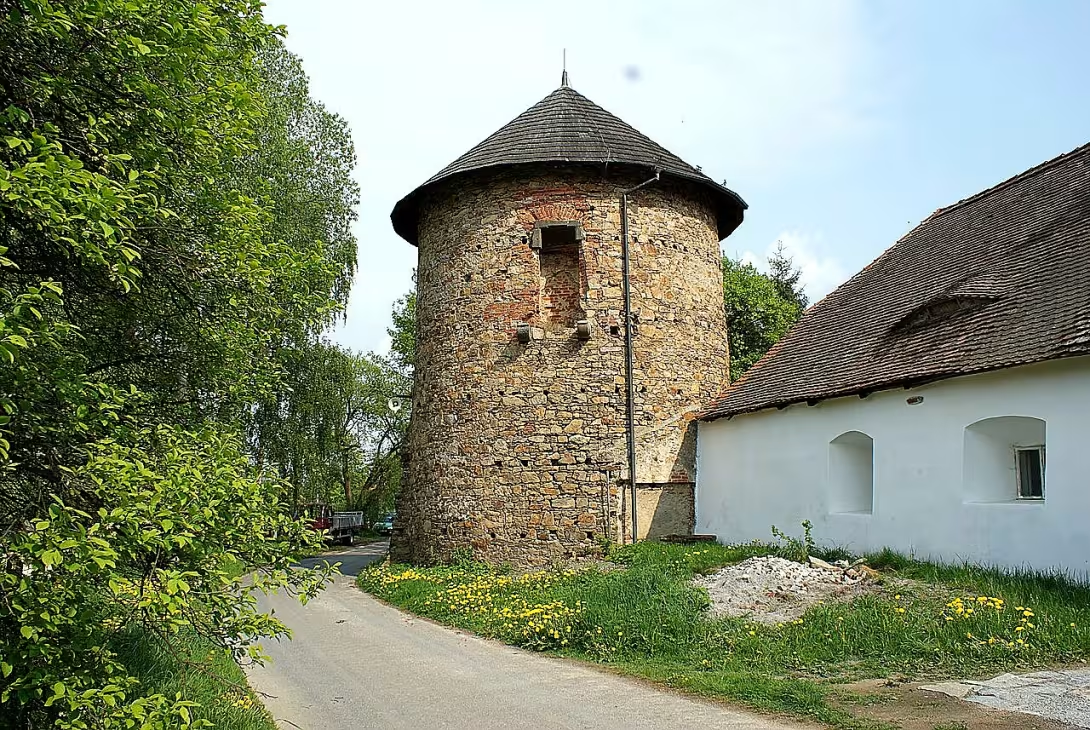
Drahonice is a historical site located in the village of Drahonice within the Strakonice District of the South Bohemian Region in the Czech Republic. This monument, notable for its late Gothic origins, features remnants of a once formidable fortress that played a significant role in regional history. The most prominent surviving structure is an impressive defensive tower, preserved as a cultural monument since 1963. Situated approximately 15 kilometers southeast of Strakonice and 39 kilometers northwest of České Budějovice, Drahonice offers insight into medieval Bohemia's architectural and historical landscape.
The origins of Drahonice trace back to the late Gothic period when regional lords were consolidating power and fortifying their estates. Brothers Jaroš and Racek ze Štěkně constructed the fortress after 1374, reflecting the era's trend of nobility seeking protection amidst political shifts. This strategic construction underscores Drahonice's importance in regional power dynamics.
Architecturally, Drahonice was initially built as a late Gothic fortress featuring a two-story defensive tower with a shingled conical roof. The tower includes remnants of an entrance portal and battlements, showcasing typical medieval fortification elements designed for defense. Unfortunately, the original structure suffered significant damage when it collapsed during a storm or fire in 1762. Following this event, the site was replaced by a Baroque chateau, marking a transition in architectural styles.
Over the centuries, Drahonice has seen a succession of notable owners who contributed to its historical significance. Initially built by Jaroš and Racek ze Štěkně, ownership passed through several influential figures such as Oldřich z Rožmberka in the early 15th century and Jan Brus in the mid-15th century. Zdeněk Lev z Rožmitálu ordered a reconstruction of the fortress in 1508, further emphasizing its strategic importance. Other notable owners included Václav Švihovec ze Švihova, Adam Lev z Rožmitálu, and Ferdinand Schwarzenberk, who acquired it from 1700 onwards. The fortress remained part of the Schwarzenberg estate until 1945.
Key events in Drahonice's history include its initial construction by Jaroš and Racek ze Štěkně after 1374 and the reconstruction ordered by Zdeněk Lev z Rožmitálu in 1508. The collapse of the tower in 1762 due to a storm or fire marks another significant event, leading to the eventual replacement with a Baroque chateau.
Today, Drahonice stands as a testament to its rich historical past. Visitors can explore the remnants of the late Gothic fortress and appreciate the architectural elements that have survived through centuries. The site's preservation as a cultural monument since 1963 highlights its importance in Czech history. For those interested in medieval architecture and regional history, Drahonice offers an intriguing glimpse into the past.
Drahonice remains a valuable historical site, offering insights into the architectural and political landscape of medieval Bohemia. Its well-preserved remnants invite visitors to explore and appreciate the legacy of its notable owners and the strategic significance it held over centuries. A visit to Drahonice is not only an opportunity to witness history but also to reflect on the enduring impact of regional fortifications in shaping cultural heritage.
Then and now
Drag the slider to compare how the landmark may have looked when it was built with the view today.
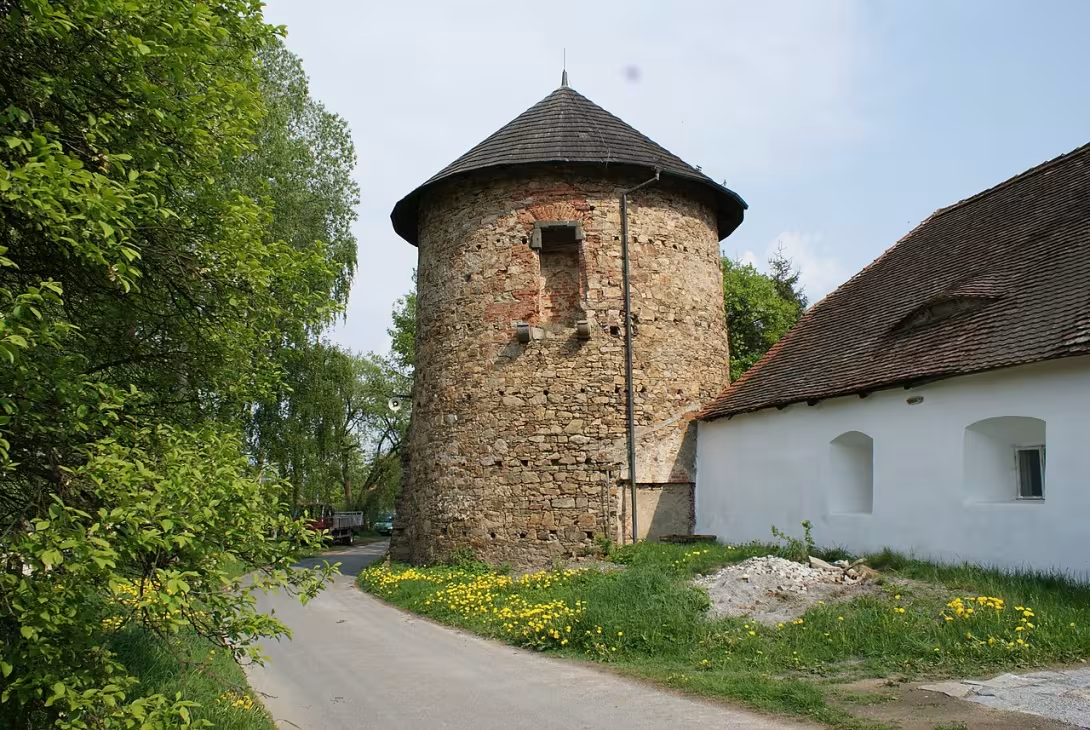
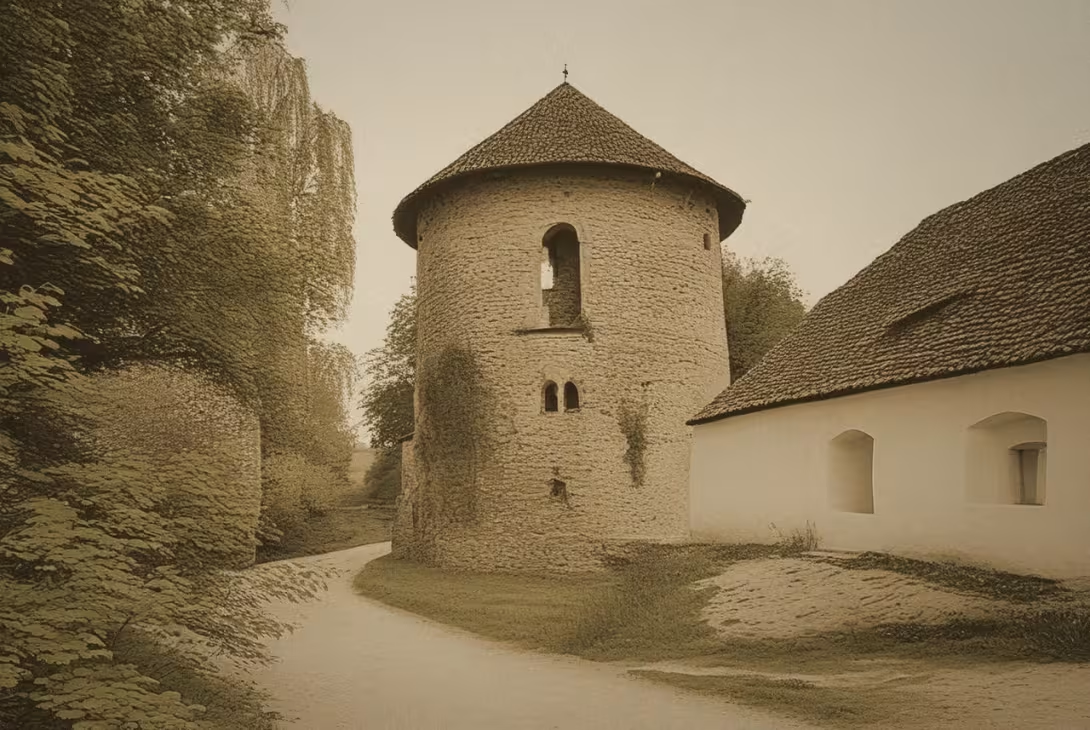
The historical appearance on the left is an AI-generated visualisation and serves as inspiration only.
Historical milestones
- 1374
- Construction began by Jaroš and Racek ze Štěkně.
- 1508
- Reconstruction ordered by Zdeněk Lev z Rožmitálu.
- 1762
- The tower collapsed during a storm or fire.
Architectural development
Drahonice was initially constructed as a late Gothic fortress featuring a two-story defensive tower with a shingled conical roof. The tower, which includes remnants of an entrance portal and battlements, is the only surviving part of the original structure. After its collapse in 1762 due to either a storm or fire, it was replaced by a Baroque chateau.
Historical events
Construction by Jaroš and Racek ze Štěkně after 1374.
Reconstruction ordered by Zdeněk Lev z Rožmitálu in 1508.
The tower collapsed during a storm or fire in 1762.
Owners
Jaroš and Racek ze Štěkně (after 1374)
Oldřich z Rožmberka (early 15th century)
Jan Brus (mid-15th century)
Zdeněk Lev z Rožmitálu (1508, reconstruction)
Václav Švihovec ze Švihova (1534, mortgage)
Adam Lev z Rožmitálu
Kateřina z Lípy, married to Hynk Radkovec z Mirovic
Salomena Radkovcová, rozená ze Žákavy (after 1614)
Mikuláš Diviš (until 1661)
Kateřina Konstancie, married to Ferdinand Leopold z Vrtby
Ferdinand Schwarzenberk (from 1700)
Points of interest
- The fortress of Drahonice was initially constructed by brothers Jaroš and Racek ze Štěkně after 1374, during a time when regional lords were fortifying their estates to consolidate power amidst political instability. This reflects the broader trend in medieval Bohemia where nobility sought protection against shifting allegiances.
- The collapse of Drahonice's defensive tower in 1762 due to either a storm or fire marked a significant turning point, leading to its replacement with a Baroque chateau. This transition highlights how architectural styles evolved over time and adapted to new aesthetic preferences and functional needs.
- Ownership of the fortress passed through several influential figures, including Oldřich z Rožmberka in the early 15th century and Jan Brus in the mid-15th century. These transitions illustrate the changing hands of power and influence within Bohemian nobility over centuries.
- Zdeněk Lev z Rožmitálu's order for reconstruction in 1508 underscores Drahonice's strategic importance during his time, reflecting how key figures invested in fortifications to maintain control and security in their regions.
- Despite its collapse in the 18th century, the preservation of Drahonice as a cultural monument since 1963 emphasizes its enduring significance in Czech history. This recognition highlights efforts to conserve medieval architecture and provide insights into regional historical narratives.
Guide
This guide is narrated by a synthetic voice generated by artificial intelligence.
Show guide text
This text was created by artificial intelligence and has not been editorially reviewed. It may contain inaccuracies.
From the fortress in Drahonice in the Strakonice region, only a defensive tower has been preserved. Since 1963, it has been protected as a cultural monument.
The fortress was built after 1374 by brothers Jaroš and Racek from Štěkně. From 1434, another Jaroš from Drahonice is known. He initially served Oldřich from Rožmberek, but later joined the side of the Hussite Táborite union. In the first half of the fifteenth century, Drahonice belonged to Jan Brus, and in the sixteenth century to the lords from Rožmitál. Zdeněk Lev from Rožmitál had the fortress rebuilt in 1508. In 1534, he pawned it to Václav Švihovec from Švihov.
Kateřina from Lípy, the wife of Hynek Radkovce from Mirovic, purchased Drahonice from Adam Lev from Rožmitál. In 1614, his second son Oldřich died. His widow Salomena Radkovcová, born Žákavy, then paid off the debt-ridden estate. It then included Albrechtice, Pivkovice, Bílsko and three farmsteads. The property was inherited by the elder son Mikuláš Diviš. After his death in 1661, it passed to his daughter Kateřina Konstancie, who married Count Ferdinand Leopold from Vrtby.
In 1700, Prince Ferdinand Schwarzenberg purchased the village and attached it to the Protivín estate. In the eighteenth century, only officials lived at the fortress and the building was in poor condition. In 1762, it collapsed in a storm. According to other sources, it was destroyed by fire the same year. The remains of the complex were then demolished and a Baroque chateau was built in their place, which is also a cultural monument. The local manor belonged to the Schwarzenbergs until 1945.
The preserved tower is late Gothic and two-storied. It stood at the corner of the fortress and is covered with a conical wooden-shingle roof. The entrance portal and corbels have been partially preserved. Light enters the interior only through small windows that resemble loopholes. On the north side of the tower, the place where the rampart connected to it is visible.
Frequently asked questions
Can the monument be visited?
This is a ruin. Such sites are often freely accessible, but some can only be visited with a guide or are closed for safety reasons. We have not verified the current situation – take care and respect any restrictions.
Where is the monument?
Location: Drahonice, Jihočeský kraj. The map on this page shows the exact spot.
Why is the monument protected?
It is listed in the Central List of Cultural Monuments of the Czech Republic as a cultural monument (register no. 28891/3-4099).
Businesses nearby
Do you run a restaurant, accommodation, shop, museum, rental, wellness or other visitor service near this monument? Show yourself directly to the people heading to it — this is how they will see you in the app and on the web:
Accommodation nearby
Themed route
Drahonice - Tvrz
1. Drahonice - tvrz, hlavní cíl: Tvrz Drahonice is a medieval chateau built in the 14th century. Its history is associated with the lords of Drahonic and later with the lords of Vřesovice. It is located within the chateau grounds, which feature an exhibition presenting the history and culture of the region.
2. Church of Saint Nicholas (0.5 km from the chateau): The Church of Saint Nicholas is a Gothic church built in the 14th century. It is known for its Gothic frescoes and stone crossway.
3. Chapel of Saint Anne (1.5 km from the chateau): The Chapel of Saint Anne is a small chapel built in the 18th century. It is renowned for its simple yet clean lines and tranquil atmosphere.
4. Drahonice Pond (2 km from the chateau): Drahonice Pond is a small pond that serves as a water source for surrounding agricultural production. It is surrounded by forests and offers a peaceful setting for hiking.
Seasonal recommendations
Jaro: In the spring, nature deepens in color and vibrancy. Drahonice is surrounded by blooming trees and flowers, creating a pleasant atmosphere. We recommend visiting from April to May when the weather is warmest and least rainy. It's best to come early in the morning or late afternoon to avoid visitors who come during the main summer season.
Léto: In the summer months, Drahonice is surrounded by lush vegetation and flowers. The atmosphere is relaxed and sunny. We recommend visiting from June to August when the weather is warmest. It's best to come early in the morning or late afternoon to avoid visitors who come during the main summer season. Don't forget to bring plenty of water and sun protection.
Podzim: In autumn, Drahonice is surrounded by the colors of mature leaves and sunlight. The atmosphere is calm and serene. We recommend visiting from September to November. It's best to come early in the morning or late afternoon to avoid visitors who come during the main summer season.
Zima: In winter, Drahonice is enveloped in snow and tranquility. The atmosphere is peaceful with a romantic touch added by the snow cover. We recommend visiting from December to March. It's best to come early in the morning or late afternoon to avoid visitors who come during the main summer season. Don't forget to bring warm clothing and suitable footwear for snowy conditions.
Visualizations and artistic views


The visualisations are generated by artificial intelligence and serve as inspiration.
Photos from the area
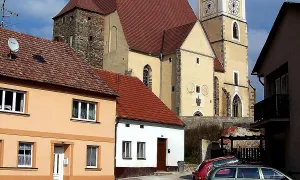
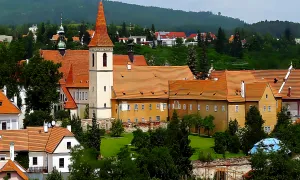
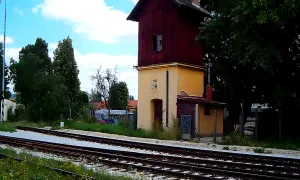
Real photos taken near the monument

Zdroj a licence jsou uvedeny u každého snímku.
Atmosphere of the place
This atmospheric visualisation of the place and period was generated by artificial intelligence. It is not real footage of the location.
Tips from visitors
No tips yet. Be the first!
Log in and add your tip.
Sources and literature
Photos: Feťour / Public domain — Wikimedia Commons. The author and licence also appear when you hover over the image.
Faktickým podkladem tohoto textu byl článek na Wikipedii, jehož autory jsou přispěvatelé Wikipedie. Článek je dostupný pod licencí CC BY-SA 4.0.
Location on the map


Příběhy a pověsti
Legendy, pověsti a příběhy spjaté s touto památkou
Fotografie návštěvníků
Zatím žádné fotografie. Buďte první, kdo přidá fotografii z návštěvy!
Log in a přidejte svou fotografii nebo hodnoťte.
Za ověřenou návštěvu v aplikaci získáte víc bodů — poznáme podle GPS, že jste na místě.
Reviews and comments