



Držkovice Castle
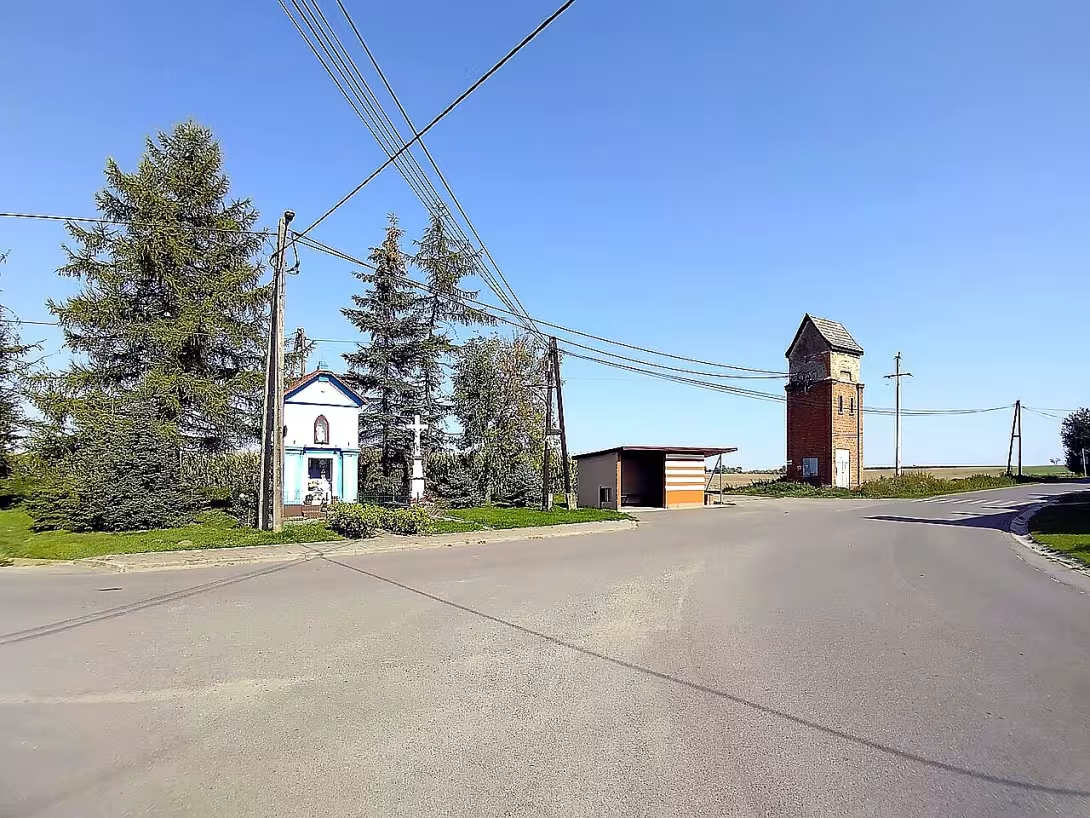
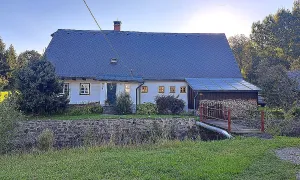
Držkovice Castle is a testament to the architectural evolution and changing ownership in Držkovice village, within the Opava District, Moravian-Silesian Region. Constructed after 1792 by Antonín Strahler, this classicist structure originally functioned as an administrative center rather than a noble residence. Its significance lies not only in its architectural style but also in its storied past and transformation over centuries.
The castle's origins date back to the late 18th century when Europe experienced significant political and social changes influenced by the Enlightenment. Antonín Strahler built it as a single-story building with a mansard roof, reflecting the classicist style of that era. At the time, the region was part of the Habsburg Monarchy, which underwent reforms and modernization.
Ownership of Držkovice Castle has changed several times. Initially constructed by Antonín Strahler post-1792, it came into the possession of Sedlničtí z Choltic in 1815. Around 1904, the Aškenazy family and Bartoňové z Bobolusk acquired it. In a notable shift in 1910, local residents purchased the castle to use as a school managed by Matica opavská. Since 1919, the Kuzmíkový family has owned it.
Key events include its first mention in connection with a manor house owned by Anna Kašová z Jankovic in 1567, located northwest of the current site. The original manor no longer exists, leaving only its site as a reminder of its past. In 1945, Držkovice Castle suffered damage during conflicts and lost many historical architectural elements during subsequent repairs. Further modernization efforts between 2002 and 2003 led to the loss of additional historical features.
Today, Držkovice Castle is near the border between the Czech Republic and Poland, close to Vávrovice. Although it no longer resembles its original form due to extensive modifications and damage over time, it remains a point of interest for those exploring cultural heritage sites in the Moravian-Silesian Region. The castle's transformation from a noble residence to an administrative center and then a school highlights its adaptive reuse throughout history.
Visiting Držkovice Castle offers insight into the architectural and historical shifts that have shaped this region. Despite losing much of its original structure, it stands as a symbol of resilience and change, inviting visitors to explore its rich past and appreciate its place in local heritage.
Then and now
Drag the slider to compare how the landmark may have looked when it was built with the view today.
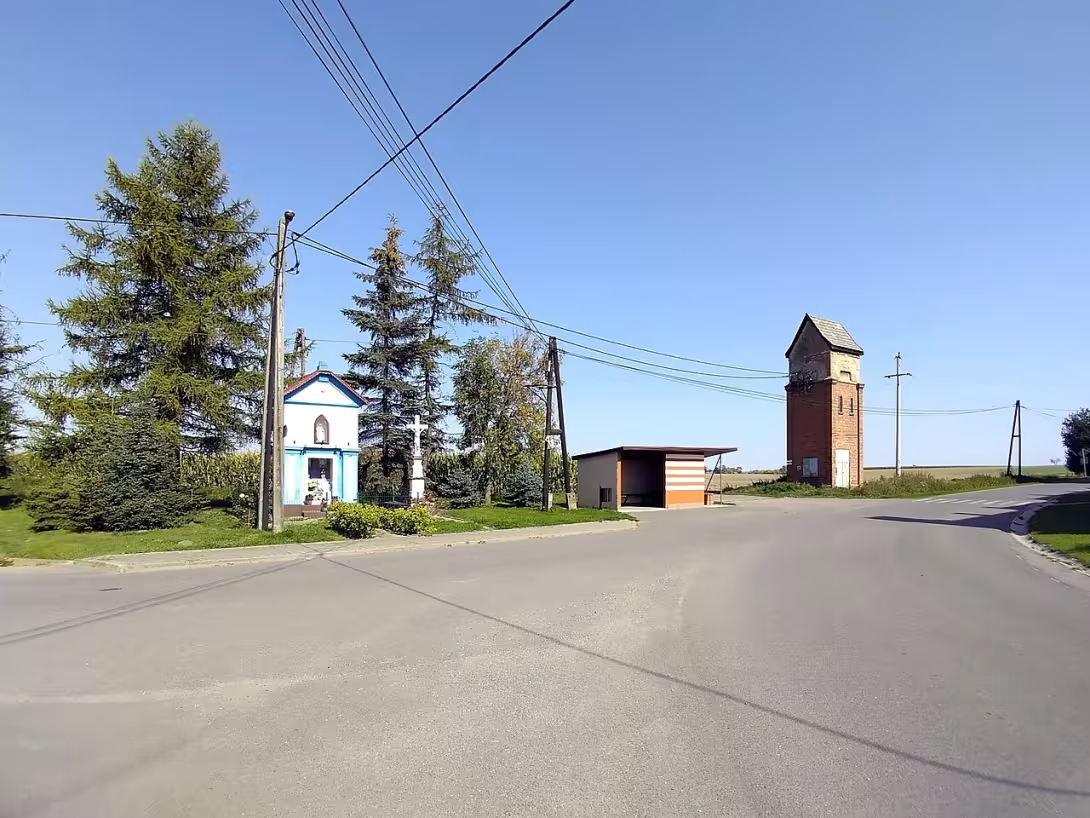
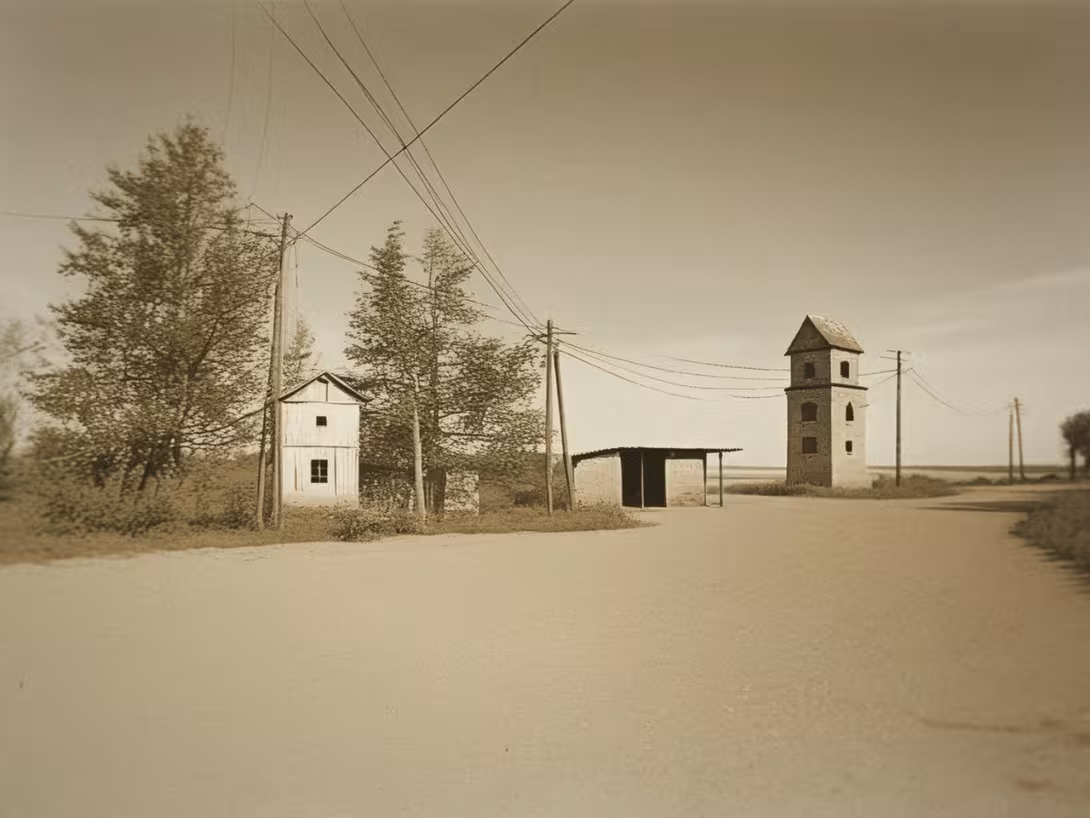
The historical appearance on the left is an AI-generated visualisation and serves as inspiration only.
Historical milestones
- 1567
- První zmínka o panství s tvrzí vlastněné Annou Kašovou z Jankovic.
- 1792
- Postavení Držkovice Castle Antonínem Strahlerem.
- 1815
- Převzetí vlastnictví Sedlničty z Choltic.
- 1904
- Koupě Aškenazy a Bartoňové z Bobolusk.
- 1910
- Převzetí místními obyvateli pro použití jako škola.
- 1945
- Zničení části zámku během konfliktů.
Architectural development
Držkovice Castle was constructed as a single-story classicist building with a mansard roof by Antonín Strahler after 1792. Over the years, it transitioned from being a noble residence to an administrative center for estate management. The castle underwent significant changes in 1910 when it was converted into a school and later suffered damage during conflicts in 1945.
Historical events
In 1567, Držkovice was first mentioned in connection with a manor house owned by Anna Kašová z Jankovic, located northwest of the current castle site.
The castle suffered damage during battles in 1945 and lost many historical architectural elements during later repairs.
Owners
After being built by Antonín Strahler post-1792, the castle came into the possession of Sedlničtí z Choltic in 1815. It was later owned by the Aškenazy family and Bartoňové z Bobolusk from around 1904 onwards. In 1910, local residents acquired it for use as a school, managed by Matica opavská. Since 1919, the Kuzmíkový family has been the owner.
Points of interest
- Držkovice Castle's initial construction as an administrative center rather than a noble residence reflects the Enlightenment-driven shift towards practicality and modernization in architecture during the late 18th century.
- The castle was once owned by Sedlničtí z Choltic, a notable family whose possession of it began in 1815, highlighting its significance within local aristocracy circles at that time.
- In an unusual turn of events for historical estates, Držkovice Castle was purchased by local residents in 1910 to serve as a school managed by Matica opavská, showcasing community-driven adaptive reuse during the early 20th century.
- The castle's first mention is tied to Anna Kašová z Jankovic and her manor house from 1567, which was located northwest of the current site, indicating an earlier settlement that has since vanished, leaving only its historical footprint.
- Despite suffering damage in 1945 during conflicts, Držkovice Castle underwent further modernization between 2002 and 2003, resulting in the loss of many original architectural elements, a testament to the ongoing tension between preservation and contemporary needs.
Guide
This guide is narrated by a synthetic voice generated by artificial intelligence.
Show guide text
This text was created by artificial intelligence and has not been editorially reviewed. It may contain inaccuracies.
Welcome to Držkovice Castle, a remarkable testament to the architectural evolution and historical transformations in this charming village within Opava District. As you stand here, surrounded by its classical elegance, take a moment to absorb the serene beauty of your surroundings. The castle's façade, though bearing the scars of time, still whispers tales from centuries past.
Držkovice Castle was constructed after 1792 by Antonín Strahler, an architect whose vision marked a significant shift in building philosophy during that era. Originally conceived as an administrative center rather than a noble residence, it reflects the Enlightenment's emphasis on practicality and modernization—a departure from the grandiose palaces of earlier times.
As you look around, notice how the structure harmonizes with its environment. Its classicist style is evident in the symmetry and proportionality that define its architecture. Although much of its original detail has been lost due to damage sustained during conflicts in 1945, what remains still speaks volumes about its storied past.
The castle's history is rich and varied. In 1567, it was first mentioned as property owned by Anna Kašová z Jankovic. Over the years, it changed hands several times, each owner leaving their mark on this historic site. By 1815, it had become part of the Sedlničtí z Choltic family's holdings—a notable lineage that contributed to its prominence in the region.
In 1904, a new chapter began when Aškenazy and Bartoňové z Bobolusk acquired the castle. This transition marked yet another shift in its purpose and use. By 1910, local residents had taken over, repurposing it as a school—a testament to its enduring utility and community significance.
One intriguing aspect of Držkovice Castle is how it encapsulates broader historical narratives beyond its walls. It stands as a symbol of the Enlightenment's impact on architecture and society, illustrating the move towards more functional spaces during that period.
As you continue your exploration, let your curiosity guide you through this historic site. Each corner holds potential stories waiting to be discovered. We invite you to delve deeper into its history, perhaps imagining the lives once intertwined with this remarkable structure.
Thank you for visiting Držkovice Castle. May your journey here inspire a deeper appreciation for the layers of history that connect us all. Safe travels as you continue exploring the wonders of Opava and beyond.
Tips for visitors
The best time to visit Držkovice Castle is during late spring or early autumn, when the weather is mild and pleasant. These seasons offer vibrant natural landscapes around the castle, making it an ideal setting for a leisurely stroll through its grounds. Additionally, visiting outside of peak summer months can mean fewer crowds, allowing you to enjoy the site more peacefully.
Visitors can drive their own vehicles or use local buses to reach the castle.
When planning your visit to Držkovice Castle, consider bringing comfortable walking shoes, as exploring the grounds may involve some walking on uneven surfaces. A camera is recommended for capturing the picturesque views of the castle and its surrounding landscapes. Additionally, carrying a light jacket or umbrella can be useful due to unpredictable weather changes.
For photography enthusiasts, the best spots around Držkovice Castle are those that capture the classicist architecture against the backdrop of natural scenery. Early morning or late afternoon light provides soft shadows and warm tones, ideal for highlighting the castle's features. Exploring different angles can also reveal unique perspectives of this historical site.
Nearby attractions within a 30-minute drive include Vávrovice, known for its charming village atmosphere and cultural heritage sites. Families with children might enjoy exploring these local areas to experience the region’s history and natural beauty. It's a great opportunity to combine castle visits with other explorations in the vicinity.
Frequently asked questions
Can the monument be visited?
Some buildings of this kind are open for guided tours, others serve another purpose or are privately owned. We have not verified whether and when this monument is open – please ask the operator. According to the heritage register the structure is in poor condition – do not enter it and take care nearby.
What are the opening hours and admission?
We have not verified the opening hours or admission. Current information is published by the operator.
Where is the monument?
Location: Opava, Moravskoslezský kraj. The map on this page shows the exact spot.
Businesses nearby
Do you run a restaurant, accommodation, shop, museum, rental, wellness or other visitor service near this monument? Show yourself directly to the people heading to it — this is how they will see you in the app and on the web:
Events nearby
Zdroj akcí: otevřená data měst a obcí ČR (Národní katalog otevřených dat) a kalendář akcí Národního památkového ústavu.
Nearby
Držkovice Castle is situated near the border between the Czech Republic and Poland, close to Vávrovice. The area features a mix of cultural heritage sites and natural landscapes typical of the Moravian-Silesian Region.
Accommodation nearby
Themed route
Thematic Tour Route: Držkovice Castle and Surroundings
1. Držkovice Castle - Type: Historical Castle - Why Visit: Explore the rich history of this 13th-century castle, which offers a glimpse into medieval architecture and strategic military design. The castle's location near the Czech-Polish border adds to its historical significance as a defensive stronghold.
2. Vávrovice - Type: Village - Why Visit: Just a short distance from Držkovice Castle, Vávrovice provides an authentic experience of rural life in the Moravian-Silesian Region. The village's traditional architecture and peaceful atmosphere make it a perfect spot for relaxation after exploring the castle.
3. Držkovice Nature Trails - Type: Natural Landscape - Why Visit: Enjoy scenic walks through trails surrounding Držkovice Castle, where lush greenery and serene landscapes offer a tranquil escape. These paths are ideal for nature enthusiasts looking to appreciate the natural beauty of the region.
4. Local Cultural Heritage Sites in Opava - Type: Cultural Landmarks - Why Visit: Discover the cultural heritage sites within the Opava district, which reflect the diverse history and traditions of the area. These sites provide insight into the local culture and historical influences that have shaped the region.
This route offers a balanced mix of historical exploration and natural beauty, perfect for those interested in both cultural heritage and scenic landscapes.
Seasonal recommendations
Spring: Visiting Držkovice Castle during spring offers a unique experience as nature begins to awaken, with blooming flowers and lush greenery surrounding the historic site. The soft morning light enhances the castle's architectural details, creating an enchanting atmosphere ideal for photography enthusiasts. This season tends to have moderate visitor numbers, allowing for a more intimate exploration of the grounds. Practical advice includes wearing comfortable walking shoes and layers, as temperatures can vary throughout the day.
Summer: Summer at Držkovice Castle is characterized by vibrant green landscapes and warm, sunny days that make it perfect for outdoor activities. The castle's gardens are in full bloom, providing a picturesque setting for visitors to enjoy picnics or leisurely strolls. However, this season also attracts larger crowds, especially during peak holiday periods, so arriving early can help avoid the busiest times. Light clothing and sun protection are recommended due to higher temperatures.
Autumn: Autumn brings a stunning display of colors as the leaves change, creating a breathtaking backdrop for Držkovice Castle's historic architecture. The cooler weather makes it pleasant to explore without the summer heat, although evenings can become chilly, so bringing a light jacket is advisable. This season often sees fewer visitors compared to summer, allowing for a more relaxed visit. Capturing photographs during this time can yield some of the most striking images due to the rich autumnal hues.
Winter: Winter transforms Držkovice Castle into a serene and mystical place with snow-covered grounds that add an ethereal quality to its historic charm. The shorter days mean visiting in daylight is essential, as the castle may close earlier than other seasons. Although visitor numbers are generally lower, it's wise to check opening times in advance due to potential winter closures or reduced hours. Dressing warmly and wearing sturdy boots will ensure a comfortable experience while exploring the castle during this quiet season.
Visualizations and artistic views


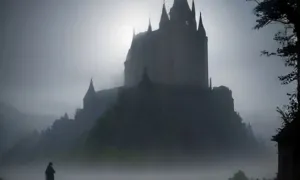
The visualisations are generated by artificial intelligence and serve as inspiration.
Photos from the area
Real photos taken near the monument

Zdroj a licence jsou uvedeny u každého snímku.
Tips from visitors
No tips yet. Be the first!
Log in and add your tip.
Sources and literature
Faktickým podkladem tohoto textu byl článek na Wikipedii, jehož autory jsou přispěvatelé Wikipedie. Článek je dostupný pod licencí CC BY-SA 4.0.
Location on the map

Příběhy a pověsti
Legendy, pověsti a příběhy spjaté s touto památkou
Fotografie návštěvníků
Zatím žádné fotografie. Buďte první, kdo přidá fotografii z návštěvy!
Log in a přidejte svou fotografii nebo hodnoťte.
Za ověřenou návštěvu v aplikaci získáte víc bodů — poznáme podle GPS, že jste na místě.
Reviews and comments