






Dubá (správní obvod obce s rozšířenou působností Česká Lípa) Municipality
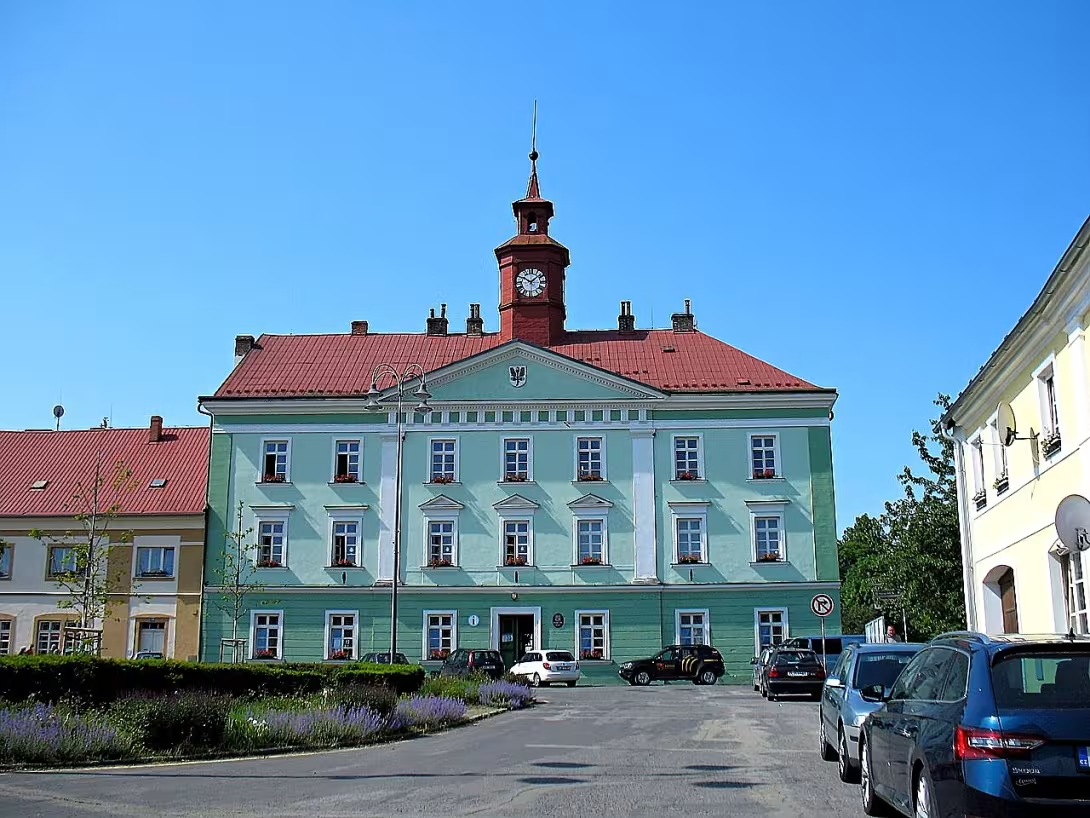
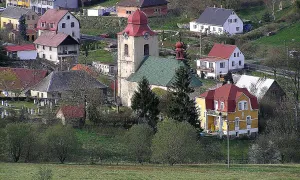
Dubá is a charming town in the Česká Lípa District within the Liberec Region of the Czech Republic. With around 1,700 inhabitants, it features a well-preserved historic town center protected as an urban monument zone. Located about 15 kilometers south of Česká Lípa and 48 kilometers north of Prague, Dubá sits in the picturesque Ralsko Uplands. The area's highest point is Korecký vrch at 465 meters above sea level, offering scenic views typical of this region. Notably, Dubá is part of the Kokořínsko – Máchův kraj Protected Landscape Area, enhancing its appeal as a destination rich in natural beauty and historical significance.
The origins of Dubá trace back to an old Slavic settlement from the first half of the 11th century. The town's documented history begins with a mention in 1253 under King Václav I., marking it as one of the older settlements in the region. Over the centuries, Dubá experienced various ownerships and architectural developments reflecting its dynamic past. Initially owned by the Ronovci family from 1257 for nearly four hundred years, the town later transitioned to Albrecht von Wallenstein after the Battle of White Mountain in 1620. Subsequently, Richard Walter Butler took control following Wallenstein's assassination in 1634. Ownership continued to change hands until Hrabě Karel Rudolf Sweerst-Sporck managed it from 1723 to 1806.
Architecturally, Dubá is renowned for its late Baroque style constructions, particularly during the tenure of Hrabě Karel Rudolf Sweerst-Sporck. The Church of the Finding of the Holy Cross stands as a prominent landmark, built between 1744 and 1760 with an interior adorned in rococo furniture. Additionally, Nový Berštejn Castle, constructed from 1553 to 1567, underwent significant changes over time. After being confiscated by the state post-World War II, it was adapted into a special boarding school before falling into disrepair. Fortunately, private ownership since 1991 has led to its restoration and current use as a hotel with a sports complex.
Throughout its history, Dubá faced several challenges, including large fires in 1692, 1711, and 1845, which prevented it from becoming a larger town. Despite these setbacks, the town remained an integral part of the region's cultural and historical landscape. Until 1918, Dubá was part of Austria-Hungary, serving as the head of the Dubá – Dauba district in Bohemia. During World War II, it was annexed by Nazi Germany and became a part of the Reichsgau Sudetenland, leading to the expulsion of its German population after the war.
Today, Dubá is accessible via the I/9 road connecting Česká Lípa to Mělník, making it an easy destination for visitors interested in exploring its historical sites. The town's well-preserved architecture and rich history make it a worthwhile visit for those keen on experiencing Czech heritage. Its twin-town relationship with Mirsk, Poland, further highlights its cultural connections within Europe.
Visiting Dubá offers a unique opportunity to immerse oneself in the blend of natural beauty and historical depth that characterizes this town. Whether exploring its architectural landmarks or enjoying the serene landscapes of the Kokořínsko – Máchův kraj area, Dubá promises an enriching experience for history enthusiasts and nature lovers alike.
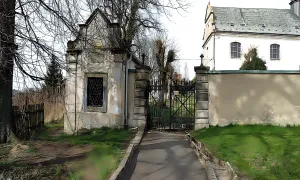
Then and now
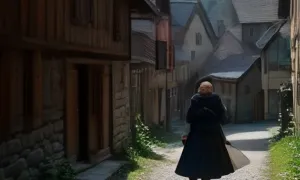
Drag the slider to compare how the landmark may have looked when it was built with the view today.
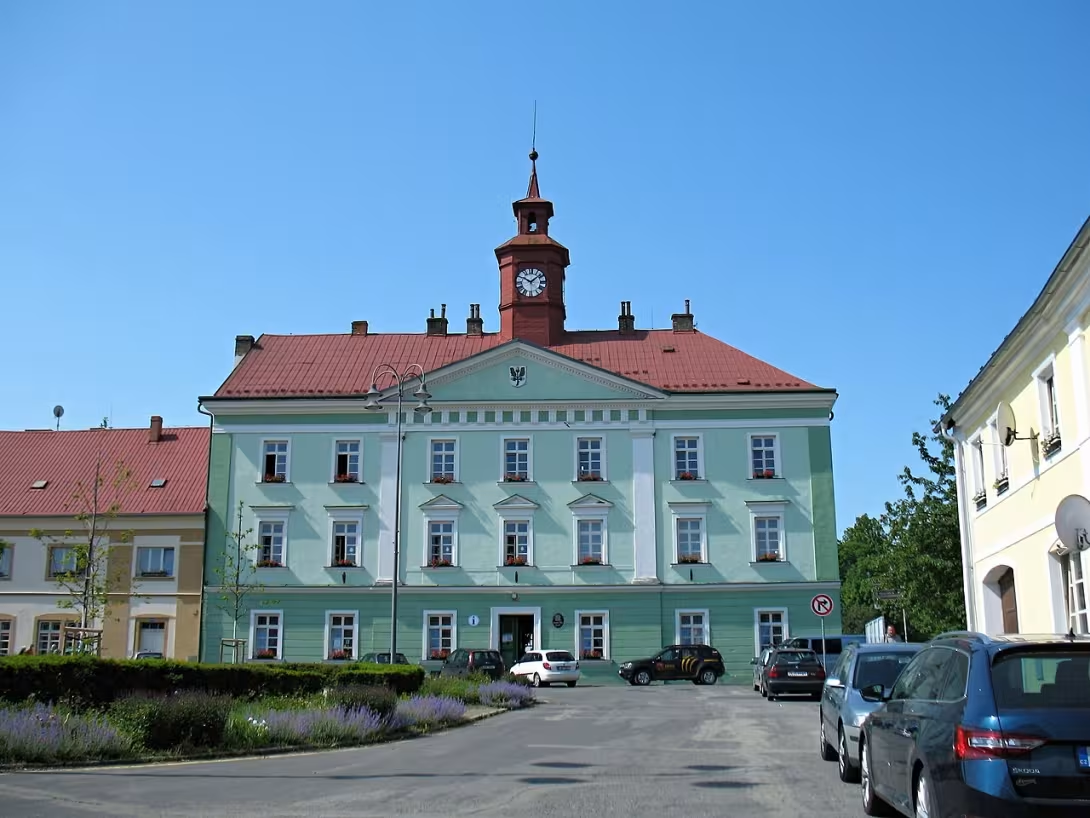
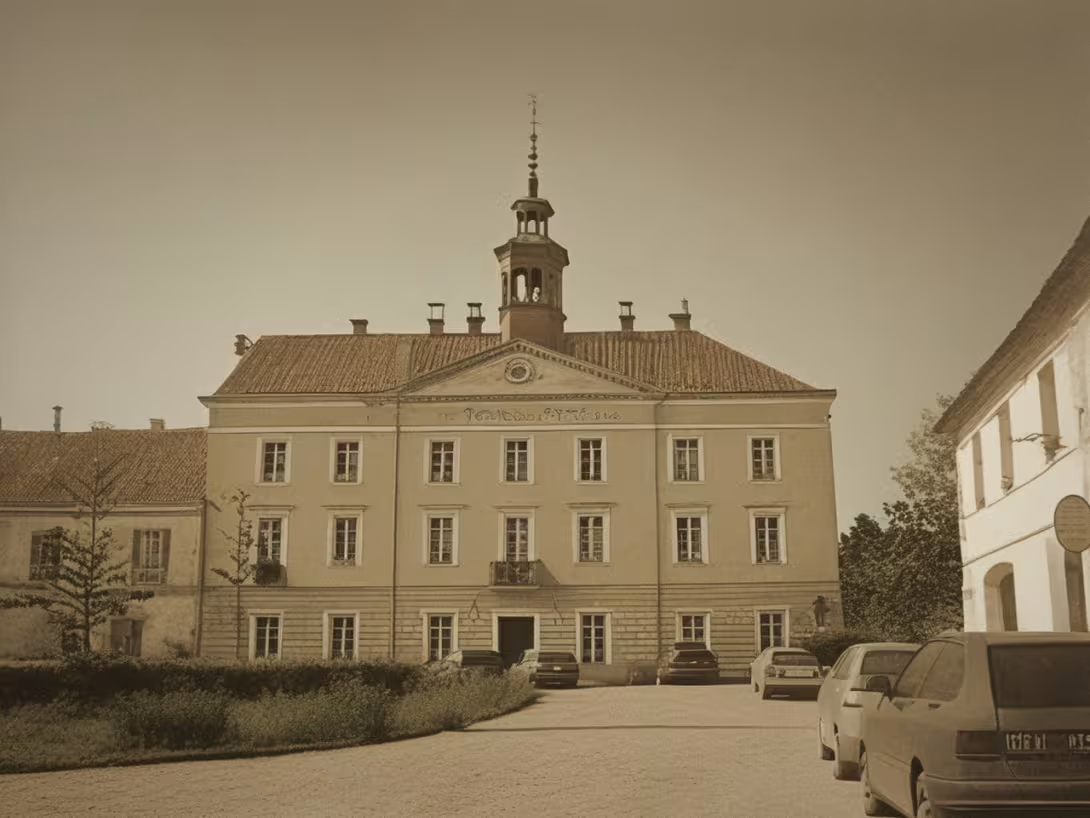
The historical appearance on the left is an AI-generated visualisation and serves as inspiration only.
Historical milestones
- 1253
- First documented mention by King Václav I.
- 1620
- Confiscation of the town after the Battle of White Mountain
- 1634
- Richard Walter Butler took control following Albrecht z Valdštejna's assassination
Architectural development
Dubá experienced significant architectural evolution, particularly during the Baroque period under Hrabě Karel Rudolf Sweerst-Sporck. Notable constructions include the Church of the Finding of the Holy Cross and various baroque buildings, chapels, and sculptures. The original medieval structures like Dubský hrad were lost over time.
Historical events
First documented in 1253 under King Václav I.
Conquered and confiscated after the Battle of White Mountain in 1620
Richard Walter Butler took control following Albrecht z Valdštejna's assassination in 1634
Owners
Founded under King Václav I., 1253
Owned by the Ronovci family from 1257 for nearly 400 years
Passed to Albrecht z Valdštejna after the Battle of White Mountain in 1620
Acquired by Richard Walter Butler post-1634 assassination of Valdštejn
Controlled by Anna Marie z Donína and her husband, Count Heissenstein, following Butler's death
Managed by Hrabě Karel Rudolf Sweerst-Sporck from 1723 to 1806
Points of interest
- The town of Dubá was originally part of an ancient Slavic settlement dating back to the 11th century, making it one of the oldest in the region with a rich pre-medieval history.
- Despite its historical significance and architectural beauty, Dubá never grew into a large city due to devastating fires in 1692, 1711, and 1845 that repeatedly destroyed much of its infrastructure.
- The Church of the Finding of the Holy Cross is notable not just for its late Baroque architecture but also for its interior rococo furniture, reflecting the artistic tastes during Hrabě Karel Rudolf Sweerst-Sporck's time in Dubá.
- Nový Berštejn Castle, a significant landmark, was repurposed into a special boarding school after World War II before being restored and converted into a hotel with a sports complex under private ownership since 1991.
- During the tumultuous period of World War II, Dubá was annexed by Nazi Germany as part of the Reichsgau Sudetenland, leading to significant demographic changes post-war when its German population was expelled.
Guide
This guide is narrated by a synthetic voice generated by artificial intelligence.
Show guide text
This text was created by artificial intelligence and has not been editorially reviewed. It may contain inaccuracies.
Welcome to Dubá, a charming town nestled within the Czech Republic's picturesque landscape, near the enchanting Máchovo jezero. As you stand here, surrounded by the natural beauty of the Kokořínsko – Máchův kraj protected area, take a moment to breathe in the serene atmosphere and prepare for a journey through time.
Dubá's origins can be traced back to an ancient Slavic settlement from the 11th century, making it one of the oldest towns in this region. Its historical roots were officially acknowledged in 1253 when King Václav I first documented its existence. Throughout the centuries, Dubá has witnessed significant events that have shaped its identity. In 1620, following the Battle of White Mountain, the town was confiscated as part of broader political shifts. By 1634, Richard Walter Butler took control after the assassination of Albrecht z Valdštejna, marking another pivotal moment in its history.
As you walk through Dubá today, notice how the architecture reflects its storied past. Although specific architectural styles are not detailed here, take a moment to appreciate the town's layout and buildings that have stood the test of time. Imagine the lives and stories that unfolded within these walls over centuries.
Dubá is also intertwined with notable historical figures such as Hynek Berka z Dubé, who played a significant role in its early development. King Václav I, whose documentation established Dubá's recorded history, and Albrecht z Valdštejna, whose assassination led to a change in ownership, are key personalities linked with this town.
One of the most fascinating aspects of Dubá is that despite its rich history and architectural allure, it never expanded into a large city. This was largely due to devastating fires that periodically swept through, leaving an indelible mark on its development trajectory. Such events have preserved its quaint charm and historical integrity, offering visitors like you a glimpse into the past.
As your visit draws to a close, I invite you to continue exploring Dubá's hidden gems and discover more about its unique history. Whether it's strolling along its streets or simply soaking in the atmosphere, there is always something new to uncover. Thank you for joining me on this journey through time, and may your exploration of Dubá be both enlightening and enjoyable. Safe travels as you continue your adventure!
Tips for visitors
The best time to visit Dubá is during the late spring or early autumn months, from May to September. During these times, the weather is typically mild and pleasant, making it ideal for exploring the natural beauty of Kokořínsko – Máchův kraj protected landscape area. The foliage in spring offers vibrant colors, while autumn provides a stunning display of changing leaves. Additionally, visiting during this period helps avoid the peak tourist season, allowing for a more peaceful experience.
Parking and transportation options are available to make your visit convenient. There is parking near Dubá, but it's advisable to check availability as spaces can be limited due to its popularity. Public transport also serves the area well; you can use regional buses or trains to reach Dubá from nearby cities like Česká Lípa. For those traveling by car, ensure your vehicle is in good condition for navigating rural roads.
When visiting Dubá, it's recommended to bring comfortable walking shoes and weather-appropriate clothing, as the terrain around the town can be uneven due to its forested areas and sandstone cliffs. A hat, sunscreen, and water are also advisable, especially during warmer months. For those interested in exploring historical sites or hiking trails, a map of the area or a guidebook could enhance your experience.
Photography enthusiasts will find several picturesque spots around Dubá. The best light for photography is typically early morning or late afternoon when the sun casts soft shadows and highlights the natural landscape. Máchovo jezero offers stunning reflections and scenic views that are perfect for capturing the beauty of the area. Additionally, exploring the sandstone cliffs provides unique perspectives and dramatic backdrops.
For families with children, Dubá offers a range of activities to enjoy together. The nearby Máchovo jezero is ideal for picnics and leisurely walks along its shores. Exploring the gorges and forests can be an exciting adventure for kids, offering opportunities for nature exploration and play. There are also historical sites that provide educational experiences about the region's past.
Businesses nearby
Do you run a restaurant, accommodation, shop, museum, rental, wellness or other visitor service near this monument? Show yourself directly to the people heading to it — this is how they will see you in the app and on the web:
Nearby
Dubá is surrounded by a diverse landscape featuring forests and gorges among sandstone cliffs. It lies within the Kokořínsko – Máchův kraj protected area, offering natural beauty and historical sites like the nearby Máchovo jezero.
Accommodation nearby
Themed route
Thematic Walking Tour: Dubá and Surroundings
1. Dubá Town Center - Type: Historic Town Square - Why Visit: Begin your journey in the heart of Dubá, where the charming town square offers a glimpse into its rich history with well-preserved architecture and quaint shops. The area serves as an excellent starting point to explore the cultural heritage of this picturesque town.
2. Kokořínsko – Máchův kraj Protected Area - Type: Natural Landscape - Why Visit: Venture into the enchanting Kokořínsko – Máchův kraj, a protected area known for its stunning sandstone cliffs and lush forests. This region provides breathtaking views and hiking opportunities that showcase the natural beauty surrounding Dubá.
3. Máchovo jezero - Type: Lake - Why Visit: A short journey from Dubá will lead you to Máchovo jezero, a serene lake nestled among dramatic cliffs. Named after the famous Czech poet Karel Hynek Mácha, this spot is perfect for relaxation and offers picturesque views that have inspired artists and poets alike.
4. Kokořínský důl - Type: Gorge - Why Visit: Explore the captivating Kokořínský důl, a deep gorge carved into the sandstone cliffs. This natural wonder is ideal for hiking enthusiasts seeking to experience its unique geological formations and lush greenery.
5. Return to Dubá Town Center - Type: Historic Town Square - Why Visit: Conclude your tour back in Dubá's town center, where you can reflect on the day’s adventures over a cup of coffee or local delicacy at one of the charming cafes and restaurants, enjoying the vibrant atmosphere of this historic locale.
This thematic walking tour offers a blend of cultural and natural experiences, highlighting the unique charm and beauty of Dubá and its surroundings.
Seasonal recommendations
Spring: The arrival of spring at Dubá is marked by a vibrant transformation as nature awakens with blooming flowers and lush greenery, offering an enchanting backdrop to the historical site. This season provides a refreshing atmosphere, perfect for leisurely strolls through the picturesque landscapes surrounding the castle. Visitors can enjoy the gentle warmth of the sun without the summer crowds, making it ideal for photography enthusiasts eager to capture the area's natural beauty in full bloom. Practical advice includes wearing comfortable layers as temperatures may vary, and arriving early to make the most of the daylight hours.
Summer: Summer at Dubá is characterized by its lively atmosphere, with longer days providing ample time to explore the historical site thoroughly. The lush greenery and warm weather create a perfect setting for outdoor activities, making it an ideal time for families and groups looking to enjoy picnics or casual walks around the castle grounds. However, this season also sees higher visitor numbers, so planning ahead is advisable—consider visiting during weekdays or early mornings to avoid crowds. Light clothing and sun protection are recommended due to the increased temperatures.
Autumn: Autumn brings a magical transformation to Dubá with its rich tapestry of warm colors as leaves change from green to shades of red, orange, and yellow. The cooler weather creates a cozy atmosphere ideal for exploring the historical site at a leisurely pace while enjoying the picturesque scenery. This season offers fewer visitors compared to summer, allowing for a more intimate experience. Practical tips include wearing layers to accommodate fluctuating temperatures and bringing a light jacket for the crisp evenings.
Winter: Winter in Dubá presents a serene and enchanting landscape, with snow often blanketing the castle grounds, adding a fairy-tale quality to the historical site. The cooler temperatures and shorter days create a quiet atmosphere, perfect for those seeking a peaceful retreat from the hustle and bustle of daily life. While some areas may have limited access due to weather conditions, this season offers unique opportunities for winter photography and enjoying the castle's charm in a different light. Visitors should dress warmly in layers, wear sturdy footwear, and check opening times as they may be reduced during this period.
Visualizations and artistic views


The visualisations are generated by artificial intelligence and serve as inspiration.
Photos from the area
Real photos taken near the monument


Zdroj a licence jsou uvedeny u každého snímku.
Tips from visitors
No tips yet. Be the first!
Log in and add your tip.
Sources and literature
Photos: Marie Čcheidzeová / CC BY-SA 4.0 — Wikimedia Commons. The author and licence also appear when you hover over the image.
Faktickým podkladem tohoto textu byl článek na Wikipedii, jehož autory jsou přispěvatelé Wikipedie. Článek je dostupný pod licencí CC BY-SA 4.0.
Location on the map
Příběhy a pověsti
Legendy, pověsti a příběhy spjaté s touto památkou
Fotografie návštěvníků
Zatím žádné fotografie. Buďte první, kdo přidá fotografii z návštěvy!
Log in a přidejte svou fotografii nebo hodnoťte.
Za ověřenou návštěvu v aplikaci získáte víc bodů — poznáme podle GPS, že jste na místě.
Reviews and comments