






Důl Kukla Lookout tower
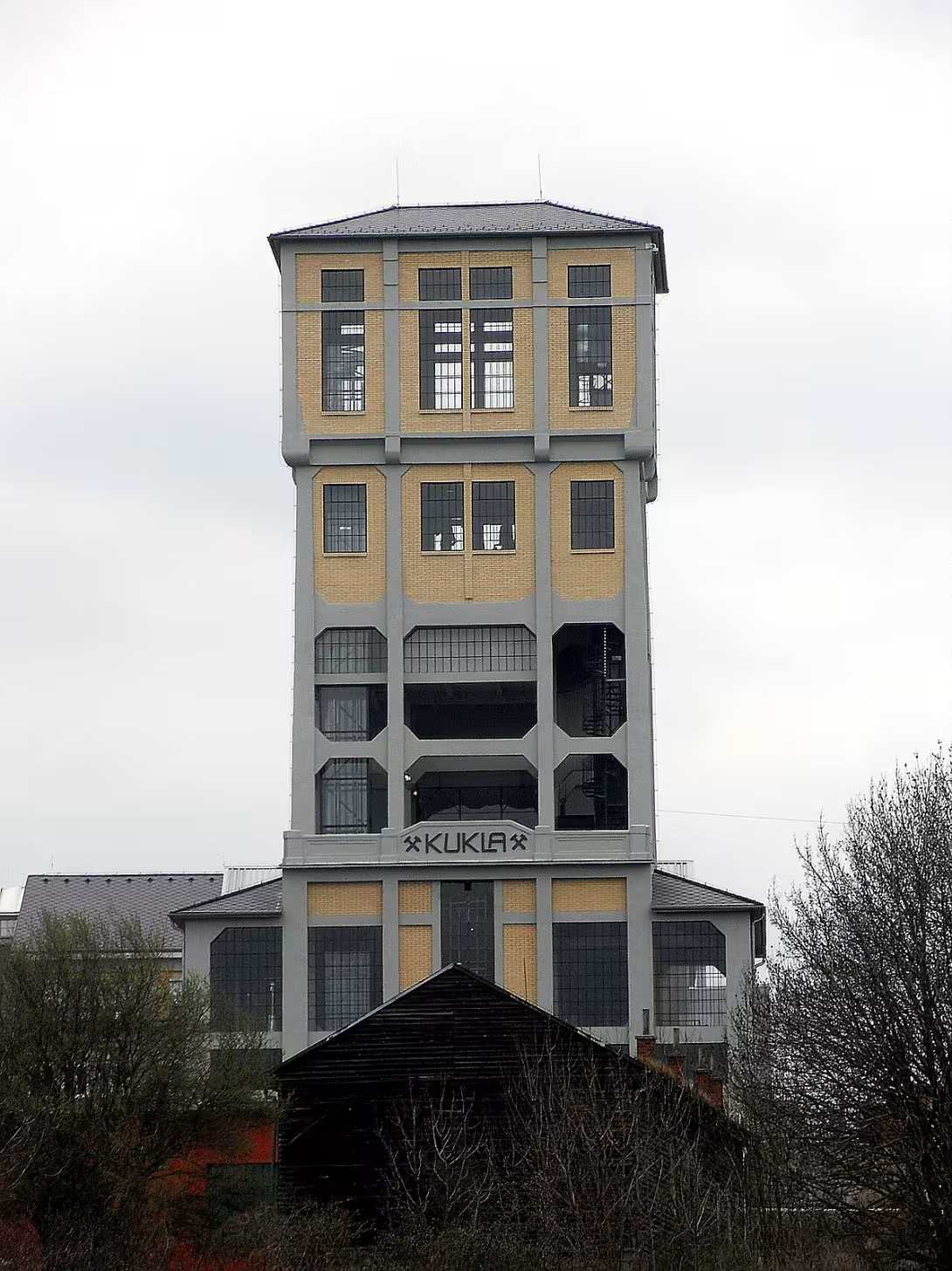
Důl Kukla, originally established as a coal mine in Oslavany within the Rosicko-oslavanské basin, has been transformed into a notable lookout tower and museum. This site began operations in 1865 and is significant for housing Europe's first electric mining hoist integrated into its shaft tower. After ceasing operations as a coal mine in 1973, it underwent substantial reconstruction between 2010-2011 to become the cultural monument it is today, featuring a viewing platform and museum dedicated to local legends.
The origins of Důl Kukla trace back to the mid-19th century when the original shaft, known as 'Nová', was constructed in 1861 and completed four years later. Initially serving various mining functions such as ventilation and drainage, it became central to the region's coal industry by the early 20th century. The decision to modernize this shaft between 1911-1913 led to the creation of a new concrete mining tower equipped with an electric hoist, marking a significant technological advancement in Austria-Hungary at that time.
Architecturally, Důl Kukla is distinguished by its 41-meter-high concrete mining tower. This structure was innovative for integrating the electric hoist directly into the shaft tower, setting it apart as the first of its kind in the region. The modernization efforts not only enhanced operational efficiency but also contributed to the site's historical significance.
Ownership and administration of Důl Kukla have seen several changes over the years. Initially operated by mining companies until 1973, the site was later acquired by Strojírna Oslavany in 1993. This transition marked a shift from industrial use to cultural preservation as the area was transformed into an industrial facility before becoming a monument.
Key events at Důl Kukla include a tragic explosion in 1921 that resulted in the death of 26 miners, commemorated by a memorial on the local cemetery. During World War II, a Jewish labor camp operated within the mine's premises until the end of the war, adding to its complex history.
Today, Důl Kukla stands as a cultural monument open to the public since May 1, 2012. Visitors can explore the lookout tower, which offers panoramic views and houses a museum dedicated to local legends and folklore. The site also features a recreational park named Permonium, developed on part of the former mine area. Its proximity to the Oslava River and other historical sites in the Rosicko-oslavanské basin enhances its appeal as a destination for those interested in industrial history and cultural heritage.
Důl Kukla's transformation from an industrial site to a cultural landmark underscores its enduring significance. It offers visitors a unique glimpse into the region's mining past while celebrating local stories and innovations that have shaped its legacy. This monument is not only a testament to historical progress but also a vibrant space for community engagement, making it well worth a visit.
Then and now
Drag the slider to compare how the landmark may have looked when it was built with the view today.
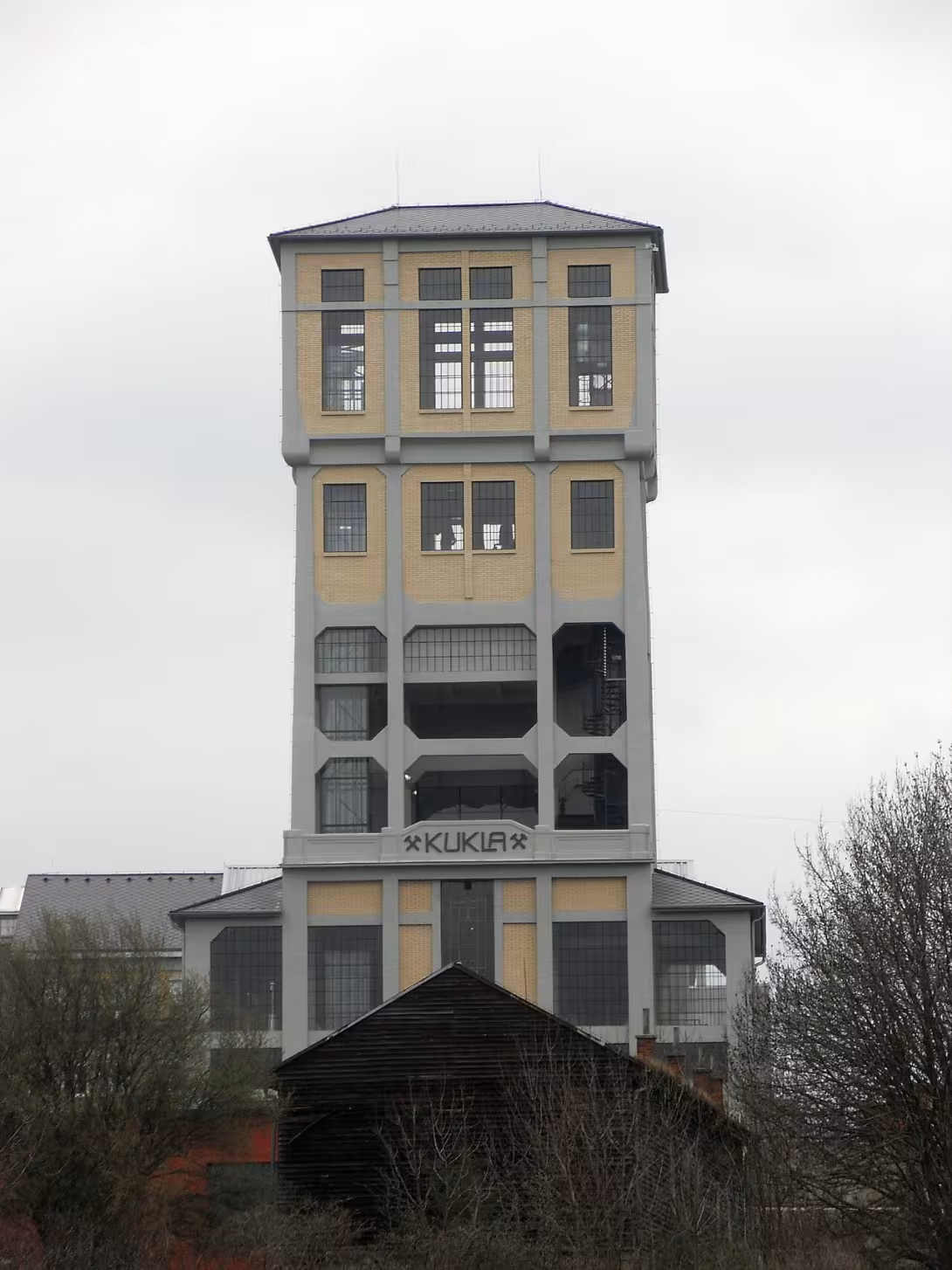

The historical appearance on the left is an AI-generated visualisation and serves as inspiration only.
Historical milestones
- 1861
- Construction of the original shaft 'Nová' began.
- 1865
- Důl Kukla started operations as a coal mine.
- 1911
- Modernization initiated with construction of concrete mining tower and electric hoist.
- 1921
- Tragic explosion resulted in the death of 26 miners.
- 1973
- Důl Kukla ceased operations as a coal mine.
- 2010
- Substantial reconstruction began to transform into cultural monument.
- 2011
- Reconstruction completed, becoming a lookout tower and museum.
- 2012
- Důl Kukla opened as a public cultural monument.
Architectural development
The original shaft was modernized between 1911-1913 with a new concrete mining tower featuring an electric hoist. This innovation marked it as the first in Austria-Hungary to integrate such technology into its structure.
Historical events
In 1861-1865, the original shaft known as 'Nová' was constructed and served various mining functions.
A significant explosion occurred in 1921, resulting in the death of 26 miners, commemorated by a memorial on the local cemetery.
During World War II, a Jewish labor camp operated within the mine's premises until the end of the war.
Owners
The site was initially operated by mining companies until its closure in 1973. It was later acquired by Strojírna Oslavany in 1993, which transformed the area into an industrial facility before it became a cultural monument.
Points of interest
- The tragic explosion at Důl Kukla in 1921 led to the death of 26 miners and is commemorated by a memorial on the local cemetery, highlighting the dangerous conditions faced during its operational years.
- During World War II, a Jewish labor camp was established within the premises of Důl Kukla, adding a layer of historical complexity and somber reflection to the site's past.
- The integration of Europe’s first electric mining hoist into the shaft tower at Důl Kukla in 1913 marked a significant technological leap for Austria-Hungary, showcasing early advancements in industrial technology.
- After ceasing operations as a coal mine in 1973, Důl Kukla underwent a transformation between 2010 and 2011 to become the cultural monument it is today, reflecting a shift from industrial use to cultural preservation.
- The recreational park named Permonium was developed on part of the former mine area at Důl Kukla, offering visitors an additional space for leisure and engagement with the site's historical context.
Guide
This guide is narrated by a synthetic voice generated by artificial intelligence.
Show guide text
This text was created by artificial intelligence and has not been editorially reviewed. It may contain inaccuracies.
Welcome to the historic site of Důl Kukla, a remarkable transformation from its origins as a coal mine in Oslavany to today's lookout tower and museum. As you stand here, imagine yourself stepping into a place where history is etched into every stone and story.
The journey of Důl Kukla began in 1861 with the construction of the original shaft known as 'Nová.' By 1865, it had become operational as a coal mine, playing a crucial role in the region's industrial development. The site gained particular significance in 1911 when modernization efforts introduced Europe’s first electric mining hoist integrated into its shaft tower—a testament to early 20th-century engineering innovation.
As you look around, take note of the robust structure that once housed this pioneering technology. Though the architects remain unknown, their work endures as a symbol of industrial progress and adaptation. The site's transformation over time is evident in its current form—a cultural monument offering panoramic views from its lookout tower.
The history of Důl Kukla is marked by both triumphs and tragedies. One of the most poignant events occurred in 1921 when a tragic explosion claimed the lives of 26 miners, leaving an indelible mark on the community. This somber chapter is commemorated by a memorial at the local cemetery, serving as a reminder of the dangerous conditions faced during its operational years.
During World War II, Důl Kukla witnessed another dark period when it became home to a Jewish labor camp within its premises. This aspect of its history underscores the broader narrative of struggle and resilience experienced across Europe during that era.
After ceasing operations as a coal mine in 1973, Důl Kukla underwent significant reconstruction between 2010 and 2011. Today, it stands not only as a monument to its industrial past but also as a beacon for cultural exploration and remembrance.
As you continue your visit, let yourself be drawn into the layers of history that surround you. Each step here is an opportunity to connect with the stories of those who came before us. We invite you to explore further, perhaps pausing at the lookout tower to appreciate the sweeping views—a modern testament to a site once dedicated to harnessing the earth's resources.
Thank you for joining us on this journey through time and transformation. May your visit inspire reflection on the past while encouraging discovery in the present.
Tips for visitors
The best time to visit Důl Kukla is during late spring through early fall, specifically from May to September. During these months, the weather is typically pleasant, making it ideal for exploring both the lookout tower and surrounding areas. The lush greenery along the Oslava River enhances the scenic beauty of the site, providing a perfect backdrop for visitors interested in history and nature alike.
It's advisable to check current transportation schedules online to plan your journey effectively.
When visiting Důl Kukla, it’s recommended to bring comfortable walking shoes as there are several walking paths around the site and along the Oslava River. A camera is also a must-have for capturing the stunning views from the lookout tower and the historical remnants of mining infrastructure. Don’t forget to carry water and snacks, especially if you plan on spending the whole day exploring.
For photography enthusiasts, the best spots are at the top of the lookout tower where panoramic views of the Rosicko-oslavanské basin can be captured, particularly during sunrise or sunset when the light is soft and golden. The remnants of mining infrastructure also offer unique photo opportunities with their historical significance adding depth to your shots.
Nearby attractions within a 30-minute drive include other historical sites in the Rosicko-oslavanské basin, which are rich in industrial heritage. These locations provide additional context to the history of coal mining in the area and are perfect for extending your exploration beyond Důl Kukla. For families with children, these sites offer educational experiences that engage young minds with interactive exhibits and informative displays.
Frequently asked questions
Can the monument be visited?
Some buildings of this kind are open for guided tours, others serve another purpose or are privately owned. We have not verified whether and when this monument is open – please ask the operator.
What are the opening hours and admission?
We have not verified the opening hours or admission. Current information is published by the operator.
Where is the monument?
Location: Oslavany, Jihomoravský kraj. The map on this page shows the exact spot.
Why is the monument protected?
It is listed in the Central List of Cultural Monuments of the Czech Republic as a cultural monument (register no. 103659).
Businesses nearby
Do you run a restaurant, accommodation, shop, museum, rental, wellness or other visitor service near this monument? Show yourself directly to the people heading to it — this is how they will see you in the app and on the web:
Nearby
Located near the Oslava River, the area features remnants of mining infrastructure and is close to other historical sites in the Rosicko-oslavanské basin.
Accommodation nearby
Trips and activities nearby
Guided tours, tickets and activities nearby from GetYourGuide
Affiliate link: if you buy from the partner, we may receive a commission. The price for you does not change.
Search tours and activities →Themed route
Tematická výletní trasa: Důl Kukla a okolí
1. Důl Kukla (Rozhledna)
Typ: Historické místo s rozhlednou
Proč stojí za návštěvu: Začněte svůj výlet na Důlu Kukla, kde můžete prozkoumat historii hornictví v této oblasti. Rozhledna nabízí pohledy na rozsáhlé pozůstatky doly a okolní krajinu, což poskytuje jedinečný vhled do minulosti regionu.
2. Pozůstatky hornických infrastruktur
Typ: Historické reliéfy
Proč stojí za návštěvu: Prozkoumejte blízké pozůstatky hornických struktur, které svědčí o bohaté historii těžby v Rosicko-oslavanském baséně. Tyto reliéfy poskytují fascinující pohled na technologický pokrok a životní podmínky horníků.
3. Řeka Oslava
Typ: Přírodní vodní tok
Proč stojí za návštěvu: Projděte se po březích řeky Oslavy, která průběžně tekla podél tohoto historického místa. Tento krok nabídne klidné okamžiky pro relaxaci a příležitost si užít pittoreskní krajinu, zatímco se dozvíte více o vlivu řeky na místní průmysl.
4. Další historická místa v Rosicko-oslavanském baséně
Typ: Historické lokalitě
Proč stojí za návštěvu: Zaverejte svůj výlet prohlédnutím dalších historických míst v okolí, která představují důležité kapitoly regionální historie. Tyto místa poskytují kontext k hornictví a jeho dopadu na rozvoj oblasti.
Tato trasa nabídne pohled do minulosti, kombinovaný s přírodním krásou řeky Oslavy, což vytváří vyrovnané zážitky pro každého návštěvníka.
Seasonal recommendations
Spring: Visiting Důl Kukla during spring offers a unique experience as the landscape begins to awaken from its winter slumber. The surrounding nature is adorned with blossoming flowers and fresh greenery, creating a vibrant tapestry of colors that enhances the historical ambiance of the site. The lighting conditions are softer due to the overcast skies typical of this season, which can add a mystical quality to your visit. Spring is an ideal time for those who prefer fewer crowds, allowing you to enjoy the tranquility and beauty of the area without the bustle of peak tourist seasons. It's advisable to wear layers as temperatures can vary significantly throughout the day. Early morning visits are recommended to fully appreciate the serene atmosphere before any potential increase in visitors.
Summer: Summer is a prime time for visiting Důl Kukla, with long days offering ample opportunity to explore both the rozhledna and the surrounding natural beauty. The lush greenery and vibrant wildflowers create a picturesque setting that complements the historical significance of the site. However, this season also attracts more visitors, so it's wise to arrive early in the morning to avoid crowds and secure a good spot at the viewpoint. Comfortable walking shoes are essential for navigating the terrain, and light, breathable clothing is recommended due to the warmer temperatures. Don't forget to bring sunscreen and plenty of water to stay hydrated during your exploration.
Autumn: Autumn brings a magical transformation to Důl Kukla with its stunning foliage display. The changing leaves provide a breathtaking backdrop that enhances the historical charm of the site, making it an ideal time for photography enthusiasts. Cooler temperatures make this season comfortable for walking and exploring without the summer heat. However, as autumn progresses into late fall, days become shorter, so plan your visit accordingly to maximize daylight hours. Layered clothing is advisable to adapt to fluctuating temperatures throughout the day. This is also a quieter period compared to summer, offering a more peaceful experience.
Winter: Winter at Důl Kukla offers a serene and almost mystical atmosphere as snow blankets the landscape, transforming the site into a picturesque winter wonderland. The stark beauty of the surroundings under the soft glow of winter light can be truly enchanting, providing a unique perspective on this historical landmark. However, visitors should be prepared for colder temperatures and shorter days, with some facilities potentially having reduced hours or being closed due to weather conditions. Warm clothing is essential, including thermal layers, gloves, and a hat, to ensure comfort during your visit. Winter can also mean fewer crowds, allowing for a more intimate experience of the site's historical allure.
Visualizations and artistic views


The visualisations are generated by artificial intelligence and serve as inspiration.
Photos from the area
Real photos taken near the monument


Zdroj a licence jsou uvedeny u každého snímku.
Tips from visitors
No tips yet. Be the first!
Log in and add your tip.
Sources and literature
Photos: Harold / CC BY-SA 3.0 — Wikimedia Commons. The author and licence also appear when you hover over the image.
Faktickým podkladem tohoto textu byl článek na Wikipedii, jehož autory jsou přispěvatelé Wikipedie. Článek je dostupný pod licencí CC BY-SA 4.0.
Location on the map



Příběhy a pověsti
Legendy, pověsti a příběhy spjaté s touto památkou

Fotografie návštěvníků
Zatím žádné fotografie. Buďte první, kdo přidá fotografii z návštěvy!
Log in a přidejte svou fotografii nebo hodnoťte.
Za ověřenou návštěvu v aplikaci získáte víc bodů — poznáme podle GPS, že jste na místě.
Reviews and comments