






zámek Oslavany Chateau
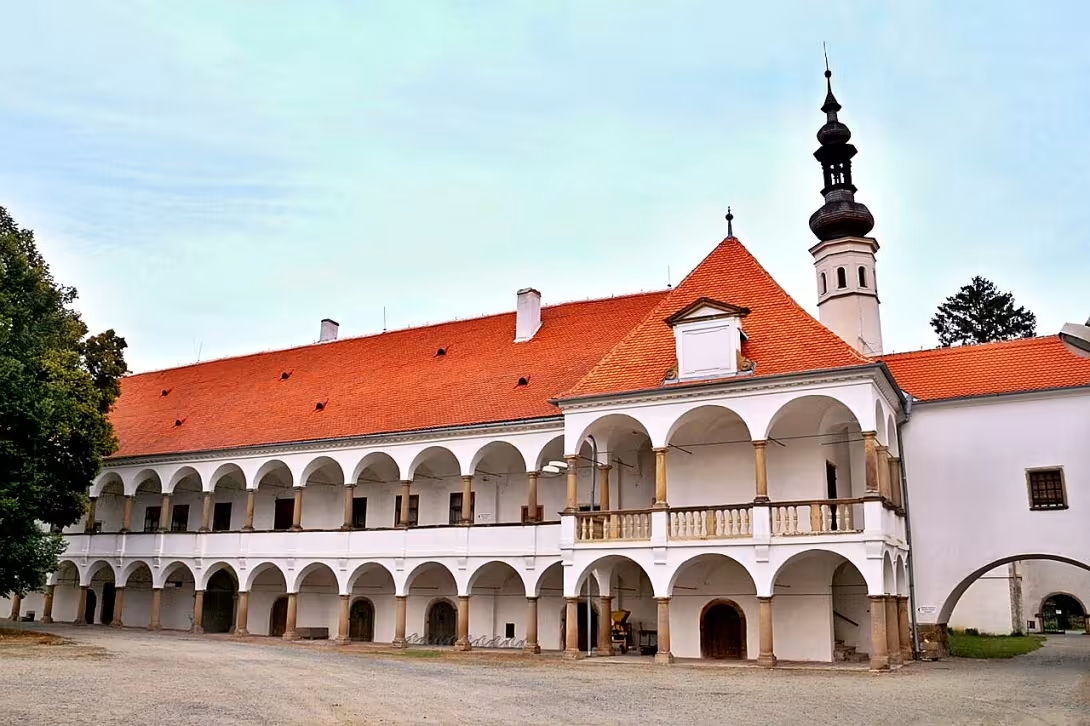
Oslavany Chateau, located in Oslavany within the South Moravian Region of the Czech Republic, is a Renaissance chateau that now functions as a museum. Originally constructed around 1300, it has undergone significant transformations over the centuries and stands today as a cultural monument of the Czech Republic. The chateau's historical significance is underscored by its architectural evolution and the notable figures associated with its history.
The origins of Oslavany Chateau trace back to when it was initially built as a Cistercian monastery around 1300. Over time, it transitioned into a secular estate, reflecting broader European trends during periods of religious reform and societal change. The chateau's transformation began in earnest in the late 16th century under the ownership of the Althan family, who developed it into a Renaissance palace with two arcaded wings featuring 102 sandstone columns. This period marked significant architectural advancements influenced by Italian art and architecture, which were prevalent during the European Renaissance.
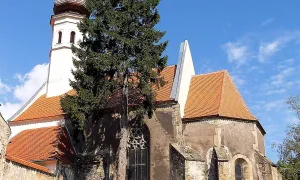
The architectural style of Oslavany Chateau is predominantly Renaissance, characterized by its grandiose design and use of sandstone columns. The Althans' contributions in the late 16th century included not only the construction of a Renaissance palace but also renovations to the monastery church. Subsequent owners made further modifications; for instance, an octagonal bell tower was added in 1712 under the ownership of the Králové v Brně monastery. During the communist era, restorations were carried out on the chateau's chapel and roof, reflecting ongoing efforts to preserve its historical integrity.
Ownership of Oslavany Chateau has changed hands several times throughout history. In 1526, it was transferred from the Brno city council to Jan Kuna z Kunštátu by King Ferdinand I. The Althans took ownership in 1577 and remained until 1783, during which they significantly developed the chateau's architecture. Following them, the Scharff family leased the property starting in 1789, and later purchased it outright. In 1885, the Gomperz family acquired the chateau, known for their extensive art collection. However, their ownership ended abruptly in 1939 when their property was confiscated by the Nazis during World War II.
Several key events have shaped the history of Oslavany Chateau. Notably, during World War II, it served as a military base for the German army. The chateau also witnessed significant changes post-war; after being nationalized by the Czechoslovak state, it experienced periods of neglect and varied use, including serving as an armory and housing multiple institutions. A notable curiosity is the removal of a large oak tree near the chateau's pond during the communist era due to its interference with tractors.
Today, Oslavany Chateau stands as a testament to its rich history and architectural evolution. It has been preserved through various restoration efforts, including those in 1996 when it was included in the state program for saving architectural heritage. The chateau now hosts a museum, a microbrewery, and a restaurant within its walls, making it an attractive destination for visitors interested in history and culture. Additionally, the annual Historical Oslavany Festivities held since 1999 add to its cultural significance.
Oslavany Chateau is not only a remarkable example of Renaissance architecture but also a living monument that continues to engage with contemporary audiences through its diverse functions and events. Its historical layers offer insights into the broader European context while inviting visitors to explore its storied past. Whether you are drawn by its architectural beauty, rich history, or vibrant cultural activities, Oslavany Chateau is undoubtedly worth visiting.
Then and now
Drag the slider to compare how the landmark may have looked when it was built with the view today.
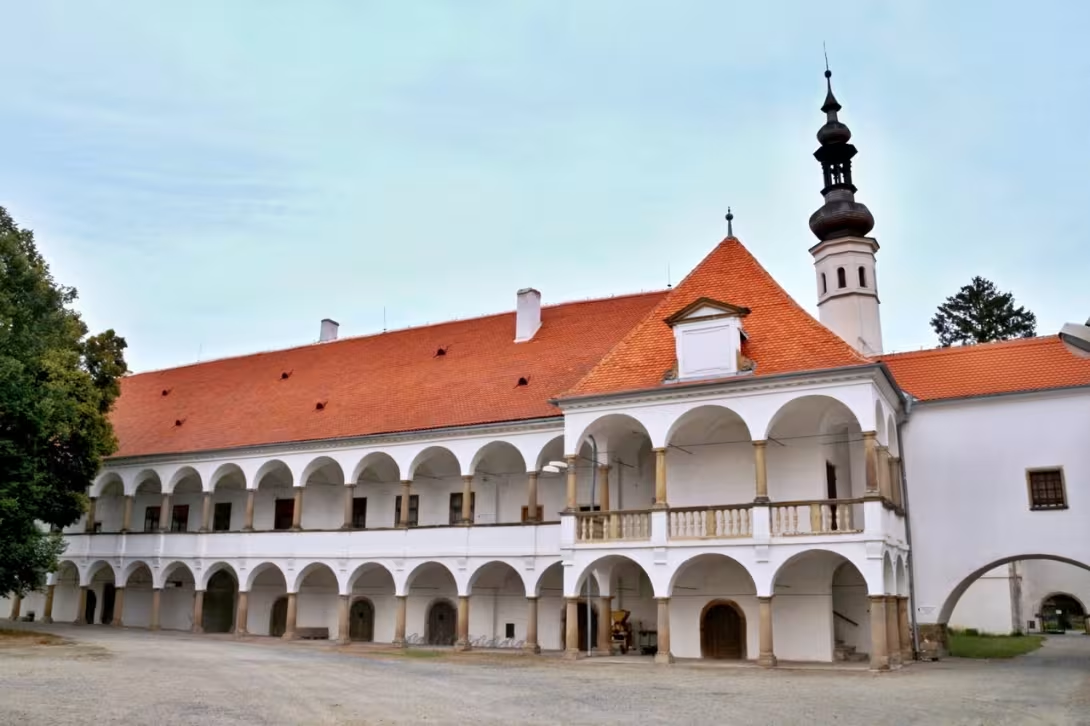
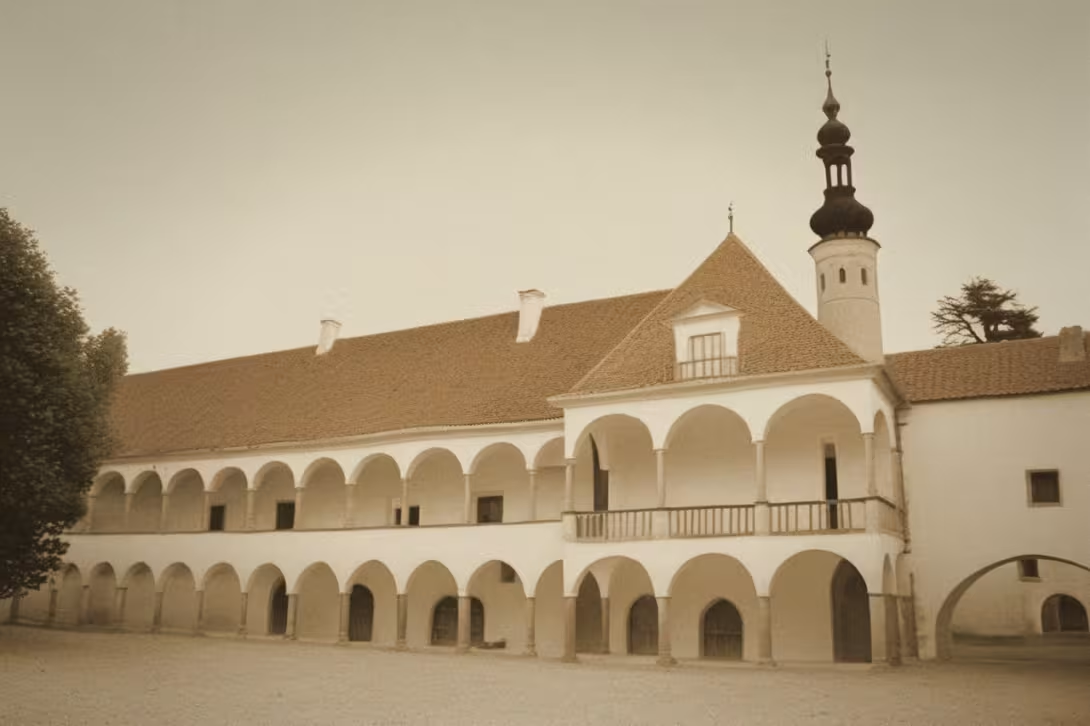
The historical appearance on the left is an AI-generated visualisation and serves as inspiration only.
Historical milestones
- 1583
- The Althans renovated the monastery church and built a Renaissance palace.
- 1789
- The chateau was leased to the Scharff family for 9200 gold annually.
- 1885
- The Gomperz family acquired the chateau and collected an extensive art collection.
Architectural development
The chateau began as a Cistercian monastery before transitioning into a secular estate. In the late 16th century, the Althans transformed it into a Renaissance palace with significant architectural additions. Over time, various owners made further modifications, including the construction of an octagonal bell tower in 1712 and several restorations during the communist era.
Historical events
1533: King Ferdinand I transferred the chateau from Brno city council to Jan Kuna z Kunštátu.
1583: Renovation of the monastery church and construction of a Renaissance palace by the Althans.
1939: The Gomperz family's property was confiscated by the Nazis during World War II.
Owners
1526: Brno city council; 1533: Jan Kuna z Kunštátu; 1577-1783: Althans; 1712: Králové v Brně monastery; 1789-1830: Scharffs; 1885-1939: Gomperz family; Post-WWII: Czechoslovak state.
Points of interest
- Oslavany Chateau's origins as a Cistercian monastery around 1300 highlight its initial religious significance before transitioning into a secular estate during periods of European religious reform. - The transformation of the chateau in the late 16th century by the Althan family included the development of two arcaded wings with 102 sandstone columns, reflecting Italian Renaissance influences that were prominent across Europe at the time. - A notable architectural addition to Oslavany Chateau was an octagonal bell tower constructed in 1712 under the ownership of Králové v Brně monastery, showcasing continued evolution and adaptation of the chateau's design over centuries. - During World War II, Oslavany Chateau served as a military base for the German army, marking its involvement in significant historical events beyond architectural developments. - In an unusual post-war event during the communist era, a large oak tree near the chateau’s pond was removed because it interfered with tractors, illustrating the practical challenges faced during that period.
Guide
This guide is narrated by a synthetic voice generated by artificial intelligence.
Show guide text
This text was created by artificial intelligence and has not been editorially reviewed. It may contain inaccuracies.
Welcome to the historic Oslavany Chateau, a remarkable Renaissance gem nestled in the heart of Oslavany, Jihomoravský kraj. As you stand before this majestic structure, take a moment to absorb its grandeur and imagine the centuries of history encapsulated within these walls.
Oslavany Chateau's story begins around 1300 as a Cistercian monastery, reflecting its initial religious significance during a time when monastic life was central to European spirituality. Over the years, it transformed into a secular estate, mirroring the broader shifts in societal and religious landscapes across Europe. By the late 16th century, the chateau underwent significant renovations under the Althan family, who infused it with Renaissance elegance by constructing a palace featuring two arcaded wings supported by 102 sandstone columns.
As you explore its architecture today, notice how the design elements speak to its storied past. The sandstone columns and arcaded wings are not just structural feats but also artistic expressions of the era's architectural aspirations. These features invite you to appreciate the craftsmanship that has withstood the test of time.
The chateau's history is intertwined with notable figures such as Jan Kuna z Kunštátu, members of the Althan family, and Carlo Abbate, whose contributions have left an indelible mark on its legacy. In 1583, the Althans transformed the monastery church into a Renaissance palace, marking a pivotal moment in the chateau's evolution.
An intriguing aspect of Oslavany Chateau is how it reflects broader historical narratives, such as the transition from religious to secular power during periods of European reform. This transformation highlights its role not just as a residence but as a witness to changing times and ideologies.
As you continue your journey through this historic site, let curiosity guide you. Each corner holds stories waiting to be discovered, each room echoes with whispers of the past. We invite you to delve deeper into its history and explore all that Oslavany Chateau has to offer.
Thank you for visiting, and may your exploration inspire a lasting appreciation for this remarkable piece of heritage.
Tips for visitors
The best time to visit Oslavany Chateau is during the late spring or early autumn months, from May to September. During this period, the weather is typically mild and pleasant, making it ideal for exploring both the chateau grounds and the surrounding landscapes. Additionally, visiting in these months allows you to enjoy outdoor events and exhibitions that are often held at the chateau, providing a richer cultural experience.
It's advisable to check current routes and schedules through an online travel planner or local transportation websites before your visit.
When visiting Oslavany Chateau, it is recommended to bring comfortable walking shoes as you will likely spend time exploring both indoors and outdoors. A hat and sunscreen are also wise for protection against the sun during outdoor tours. Additionally, carrying a water bottle can help stay hydrated throughout your visit, especially if you plan on spending a full day at the site.
Photography enthusiasts will find several spots around Oslavany Chateau ideal for capturing stunning images. The chateau's architecture is best photographed in the early morning or late afternoon when the light is softer and more flattering. Additionally, the surrounding landscapes offer picturesque views that can be enhanced during these times of day. Don't forget to capture the historical details inside the museum sections as well.
For families with children visiting Oslavany Chateau, there are several nearby attractions within a 30-minute drive that enhance the experience. The area around Oslavany offers various cultural monuments and natural features that can be explored together. These include other historic sites and scenic parks where kids can enjoy outdoor activities. Planning a day trip to these locations can provide both educational and recreational opportunities for the whole family.
Frequently asked questions
Can the monument be visited?
Some buildings of this kind are open for guided tours, others serve another purpose or are privately owned. We have not verified whether and when this monument is open – please ask the operator. According to the heritage register restoration is under way, so access may be restricted.
What are the opening hours and admission?
We have not verified the opening hours or admission. Current information is published by the operator.
Where is the monument?
Location: Zámecká 1/16, Oslavany, Jihomoravský kraj. The map on this page shows the exact spot.
Why is the monument protected?
It is listed in the Central List of Cultural Monuments of the Czech Republic as a cultural monument (register no. 14508/7-864).
Businesses nearby
Do you run a restaurant, accommodation, shop, museum, rental, wellness or other visitor service near this monument? Show yourself directly to the people heading to it — this is how they will see you in the app and on the web:
Nearby
The chateau is situated in Oslavany, surrounded by picturesque landscapes and historical sites within a 5 km radius. The area includes other cultural monuments and natural features that enhance its appeal.
Accommodation nearby
Trips and activities nearby
Guided tours, tickets and activities nearby from GetYourGuide
Affiliate link: if you buy from the partner, we may receive a commission. The price for you does not change.
Search tours and activities →Themed route
Tematická výletní trasa zámek Oslavany
1. Zámek Oslavany (zámek) Start your journey at the chateau itself, which is the most prominent historical monument in the town of Oslavany. This baroque noble residence is renowned for its architectural beauty and rich history. Visit the interior with its beautifully preserved rooms, galleries, and views of the surrounding landscape. The chateau is not only an important cultural heritage site but also an excellent place to understand the region's history.
2. Kostel svatého Jiljí (kostel) A short distance from the chateau lies the Church of St. Giles, a significant religious and architectural landmark. This baroque church is worth exploring for its richly decorated interiors and history that dates back to the town's past. Its interior features artistic elements representing local traditions and spiritual life.
3. Kaple svatého Jana Nepomuckého (kaple) Next, visit the Chapel of St. John of Nepomuk, another important religious and historical site. This small chapel is known for its peaceful atmosphere and beautifully decorated elements that attract visitors seeking tranquility and immersion in the town's history. It is an ideal spot to rest after exploring other landmarks.
4. Nádvoří zámku Oslavany (park) After visiting the church and chapel, return to the chateau courtyard where you can enjoy a peaceful moment in the park. This area offers beautiful views of the chateau and surrounding landscape and is perfect for relaxing after a day full of exploring historical sites. The park serves as a place to reflect on your impressions from the tour and appreciate the natural beauty of the area.
This route offers a comprehensive view of Oslavany's cultural and historical richness, with an emphasis on the main heritage sites in the vicinity.
Seasonal recommendations
Spring: Visiting the Oslavany Chateau during spring offers a unique experience as nature awakens around this historic site still under reconstruction. The chateau grounds are adorned with blooming flowers and lush greenery, creating a picturesque setting that enhances its architectural beauty. Spring light is particularly enchanting, casting soft shadows and highlighting details of the chateau's structure. Visitors should be prepared for occasional rain showers, so wearing waterproof shoes or carrying an umbrella is advisable. This season tends to attract fewer crowds, making it an ideal time for those seeking a more tranquil exploration.
Summer: Summer at Oslavany Chateau provides vibrant energy with longer daylight hours and warm weather, perfect for exploring the expansive grounds. The chateau's architecture stands out against the bright summer sky, while the surrounding gardens are in full bloom, offering lush landscapes to wander through. This is one of the busiest times due to school holidays, so arriving early can help avoid larger crowds. Comfortable walking shoes and light clothing are recommended, along with sunscreen and a hat for sun protection. The chateau's open-air spaces provide an excellent setting for picnics or leisurely strolls.
Autumn: Autumn brings a warm, golden hue to the Oslavany Chateau, as falling leaves create a serene and picturesque atmosphere around this historic site still under reconstruction. The cooler temperatures make it a pleasant time for walking through the chateau's grounds without the summer heat. Visitors can enjoy the changing colors of nature while exploring the architecture, which is beautifully framed by autumn foliage. It's advisable to wear layers, as mornings can be chilly with warmer afternoons. This season also tends to have fewer visitors compared to summer, offering a more peaceful experience.
Winter: Winter at Oslavany Chateau offers a unique charm with its snow-covered grounds and the chateau's architecture standing majestically against the stark winter landscape. The shorter days mean that visiting earlier in the day is recommended to make the most of the daylight hours. Visitors should dress warmly, as temperatures can be quite cold, and wear comfortable footwear suitable for walking on potentially icy paths. Despite its quieter atmosphere during this season, it's important to check opening times as they may vary due to weather conditions. The chateau provides a magical setting for those who appreciate the beauty of winter landscapes.
Visualizations and artistic views


The visualisations are generated by artificial intelligence and serve as inspiration.
Photos from the area
Real photos taken near the monument


Zdroj a licence jsou uvedeny u každého snímku.
Tips from visitors
No tips yet. Be the first!
Log in and add your tip.
Sources and literature
Photos: VitVit / CC BY-SA 4.0 — Wikimedia Commons. The author and licence also appear when you hover over the image.
Faktickým podkladem tohoto textu byl článek na Wikipedii, jehož autory jsou přispěvatelé Wikipedie. Článek je dostupný pod licencí CC BY-SA 4.0.
Location on the map



Příběhy a pověsti
Legendy, pověsti a příběhy spjaté s touto památkou
Fotografie návštěvníků
Zatím žádné fotografie. Buďte první, kdo přidá fotografii z návštěvy!
Log in a přidejte svou fotografii nebo hodnoťte.
Za ověřenou návštěvu v aplikaci získáte víc bodů — poznáme podle GPS, že jste na místě.
Reviews and comments