



Důl Nevřeň Mine
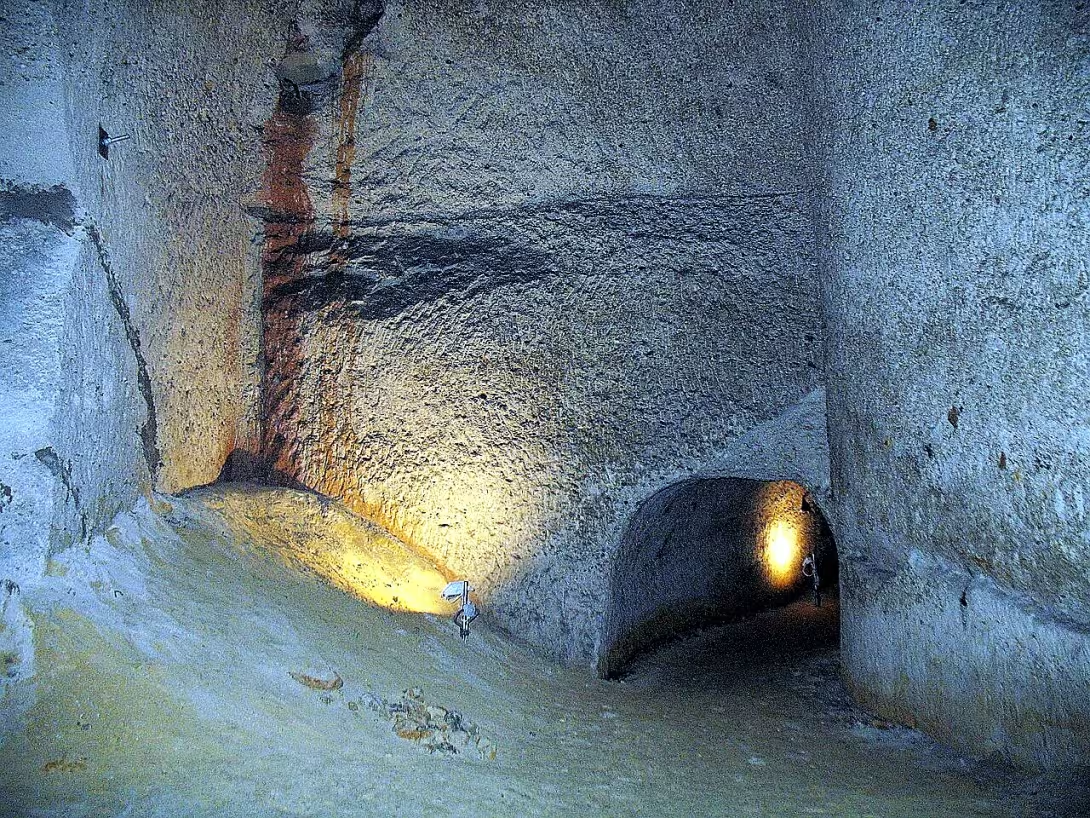
Důl Nevřeň is a historical deep mine located in the Plzeň-sever district of the Czech Republic, specifically within the kaolin arkose deposits near Nevřeně. Preserved as a cultural monument since April 2023, it highlights its significant role in regional mining history. The site offers insights into both industrial past and early 20th-century geological exploration efforts. It features remnants of surface operations, a retention pond, and former processing areas, making it intriguing for those interested in historical and industrial heritage.
The origins of Důl Nevřeň trace back to the late 19th century when deep mining began under Süsse in 1870. This period marked significant industrial growth in Bohemia, reflecting broader technological advancements across Europe. Initially developed for kaolin extraction—a mineral essential for various industries—the mine changed ownership from Süsse to Wimperger, Marcel, and Pinkas, before being acquired by Wedell in 1884. Under Wedell's management, the site underwent substantial modernization, including a steam engine and rail transport systems.
Architecturally, Důl Nevřeň was notable for its extensive underground network, with shafts reaching depths of up to 26 meters. The tunnels were wide enough to accommodate rail transport, facilitating material movement despite challenging terrain and low kaolin yield. These innovations marked a significant phase in the mine's industrial history.
Ownership saw dramatic changes over its operational years. After Wedell modernized the site, it became part of an estate owned by JUDr. Stanislav Wopršálk's family in the early 20th century. Despite efforts to further explore and exploit kaolin deposits, including geologic surveys between the 1920s and 1930s, the mine closed in 1897 when operations moved to Ledce.
Key events include its closure in 1897 and reopening to the public in June 2019. Although abandoned for nearly a century, adventurous individuals occasionally explored it, leaving graffiti and debris behind. The site also holds historical significance due to coal extraction activities that began around 1915 but ceased by the end of 1925.
Today, Důl Nevřeň is accessible to the public, offering a unique glimpse into its rich industrial past. Situated amidst forested hills along the Třemošná River and near the natural reserve Stejskalský les, it blends natural beauty with historical exploration. Its preservation as a cultural monument underscores its importance in understanding regional mining history.
Visiting Důl Nevřeň offers a rare opportunity to explore well-preserved industrial heritage. Its combination of historical significance, architectural features, and natural surroundings makes it a worthwhile destination for those interested in the intersection of industry and nature. Whether drawn by historical narratives or underground exploration, Důl Nevřeň invites visitors to step back in time and discover the legacy of mining in the Czech Republic.
Historical milestones
- 1870
- Beginning of deep mining under Süsse.
- 1884
- Mine passed into the ownership of Wedella, who implemented modernization.
- 1897
- Closure of the mine due to relocation of mining operations to Ledce.
- c. 1915
- Start of coal mining, which ended by the end of 1925.
- between 1920 and 1930
- Geological surveys for further use of kaolin.
- 2023
- The mine was recognized as a cultural monument.
Architectural development
Důl Nevřeň underwent significant development during its operational years, with mining shafts reaching depths of up to 26 meters. The mine featured wide tunnels and introduced rail transport for material movement. Despite the challenging terrain and low kaolin yield, these innovations marked a notable phase in its industrial history.
Historical events
In 1870, Süsse initiated deep mining operations at Důl Nevřeň.
Wedell modernized the mine with a steam engine and rail transport by the late 19th century.
The mine was closed in 1897 when operations were moved to Ledce.
The site was reopened to the public in June 2019.
Owners
In the late 19th century, the mine was owned by Süsse (1870-1873), followed by Wimperger (1873-1876), Marcel (1876-1879), and Pinkas (1879-1884). In 1884, Wedell acquired the site and modernized operations. The property later became part of the estate owned by JUDr. Stanislav Wopršálk's family in the early 20th century.
Points of interest
- Despite its closure in 1897, Důl Nevřeň experienced a brief revival of coal extraction activities around 1915, highlighting the mine's adaptability to changing industrial demands despite its primary focus on kaolin.
- The site was part of an estate owned by JUDr. Stanislav Wopršálk’s family in the early 20th century, indicating that it became a significant asset within private holdings and reflecting broader trends of land ownership during this period.
- Between the 1920s and 1930s, geologic surveys were conducted at Důl Nevřeň to explore further kaolin deposits. This effort underscores the ongoing interest in its mineral potential despite earlier challenges with low yields.
- During its long period of abandonment, adventurous individuals explored the mine, leaving graffiti and debris behind. These unauthorized visits highlight the site's allure as a mysterious relic of industrial history, drawing curiosity even when officially closed.
- The steam engine installed under Wedell’s management was part of significant modernization efforts that included rail transport systems. This innovation not only improved operational efficiency but also marked Důl Nevřeň as an early adopter of advanced mining technologies in the region.
Guide
This guide is narrated by a synthetic voice generated by artificial intelligence.
Show guide text
This text was created by artificial intelligence and has not been editorially reviewed. It may contain inaccuracies.
Welcome to the historical site of Důl Nevřeň, a remarkable testament to the rich industrial past nestled in the Plzeň-sever district near Nevřeně. As you stand here, take a moment to absorb the serene landscape that belies the bustling activity once associated with this deep mine. The remnants of surface mining operations are subtly integrated into the natural surroundings, complemented by features like a retention pond and former processing areas, offering a glimpse into the site's industrious past.
The story of Důl Nevřeň begins in 1870 when it started its journey as a deep mine under Süsse. This period marked the beginning of an era focused on extracting kaolin from the rich arkose deposits that characterize this region. By 1884, the mine had transitioned into the hands of Wedella, who introduced significant modernization efforts to enhance its operations. However, by 1897, a pivotal shift occurred as mining activities were relocated to Ledce, leading to Důl Nevřeň's closure.
Despite this closure, the site witnessed a brief resurgence in coal extraction around 1915, illustrating its adaptability and resilience amidst changing industrial demands. This period of activity, however, was short-lived, concluding by the end of 1925. Between the 1920s and 1930s, geologists explored the potential for further kaolin utilization, showcasing the site's enduring significance in industrial history.
As you explore this area, notice how the landscape has been shaped by its mining legacy. Although specific architectural details from the mine itself are not visible today, the surrounding features reflect a bygone era of industry and innovation. The retention pond and remnants of processing areas serve as silent witnesses to the site's vibrant past.
A key figure associated with Důl Nevřeň is JUDr. Stanislav Wopršálk, whose family owned the estate encompassing this site. His involvement underscores the personal stories intertwined with the mine's history, adding depth to our understanding of its impact on local communities and industries.
One intriguing aspect of Důl Nevřeň's story is its brief revival for coal extraction in 1915 after an initial closure. This unexpected turn highlights the site's flexibility and the broader shifts in industrial practices over time, despite its primary focus on kaolin mining.
As you conclude your visit to this fascinating site, we invite you to reflect on the layers of history that have unfolded here. Důl Nevřeň is not just a monument to the past but also a reminder of human ingenuity and adaptability in the face of changing times. We hope this journey has enriched your understanding and appreciation for the industrial heritage preserved at this location. Thank you for joining us on this exploration, and we encourage you to discover more about the stories that lie beneath our feet.
Tips for visitors
The best time to visit Důl Nevřeň is during the late spring or early autumn months, when the weather is mild and pleasant for exploring both the mine and its surrounding natural beauty. During these times, you can enjoy a comfortable walk through the forested hills along the Třemošná River without the summer crowds or winter chill.
This ensures you have the most up-to-date information for your journey.
When planning your visit, consider bringing comfortable walking shoes as there are several trails around Důl Nevřeň that offer beautiful views of the surrounding landscape. A camera is also recommended to capture the picturesque scenery and unique features of the mine itself. Since weather conditions can change rapidly in this region, packing a light raincoat or umbrella could be beneficial.
For photography enthusiasts, early morning or late afternoon provides the best natural lighting for capturing Důl Nevřeň's dramatic landscapes and architectural details. The forested hills along the Třemošná River offer excellent vantage points for panoramic shots, especially during sunrise or sunset when the light is soft and warm.
This area features diverse forests such as Dlouhý and Smrčí, perfect for nature walks or bird watching. Families with children will enjoy the open spaces and trails suitable for all ages, making it a great addition to your itinerary.
Frequently asked questions
Can the monument be visited?
Some buildings of this kind are open for guided tours, others serve another purpose or are privately owned. We have not verified whether and when this monument is open – please ask the operator.
What are the opening hours and admission?
We have not verified the opening hours or admission. Current information is published by the operator.
Where is the monument?
Location: Nevřeň, Plzeňský kraj. The map on this page shows the exact spot.
Why is the monument protected?
It is listed in the Central List of Cultural Monuments of the Czech Republic as a cultural monument (register no. 107027).
Businesses nearby
Do you run a restaurant, accommodation, shop, museum, rental, wellness or other visitor service near this monument? Show yourself directly to the people heading to it — this is how they will see you in the app and on the web:
Nearby
Důl Nevřeň is surrounded by forested hills along the Třemošná River. The area features a natural reserve known as Stejskalský les, which includes several forests such as Dlouhý and Smrčí.
Accommodation nearby
Trips and activities nearby
Guided tours, tickets and activities nearby from GetYourGuide
Affiliate link: if you buy from the partner, we may receive a commission. The price for you does not change.
Search tours and activities →Themed route
Tematická výletní trasa: Důl Nevřeň a okolí
1. Důl Nevřeň (Historické místo) - Začni svou cestu u samotného důlu Nevřeň, kde se můžeš ponořit do historie hornictví v této oblasti. Důl je známý pro svou minulost a představuje zajímavé místo pro ty, kteří chtějí pochopit průmyslové dědictví regionu.
2. Stejskalský les (Přírodní rezervace) - Odtud se vydávejte do přírodní rezervace Stejskalský les, která je domovem několika chráněných lesních oblastí. Tato trasa nabídne krásné pohledy a klidné chvíle v zeleň, což je skvělá příležitost pro relaxaci a pozorování divoké flóry a fauny.
3. Dlouhý les (Chráněná oblast) - Pokračujte v prozkoumávání chráněné oblasti Dlouhý les, která je součástí Stejskalského lesa. Tento lesní úsek nabízí pěkné stezky a příležitosti k pochopení ekologických procesů v regionu.
4. Smrčí (Chráněná oblast) - Nakonec se podívajte do Smrčího, další části Stejskalského lesa. Tato oblast je známá svými hustými smrkovými porosty a poskytuje ideální prostředí pro milovníky přírody a fotografií.
Tato trasa nabízí kombinaci historického zážitku s přírodou, což ji činí perfektní volbou pro ty, kteří chtějí objevit jak kulturní, tak přírodní krásy okolí důlu Nevřeň.
Seasonal recommendations
Spring: Spring at Důl Nevřeň offers a unique experience as the landscape begins to awaken from winter's slumber, with fresh greenery and blossoming wildflowers creating a vibrant backdrop for exploration. The soft morning light enhances the historical features of the mine, casting long shadows that add depth and mystery to your visit. This season is ideal for enjoying nature without the crowds typical in peak tourist months. Visitors are advised to wear comfortable walking shoes suitable for uneven terrain and bring a light jacket as temperatures can be mild but unpredictable.
Summer: Summer at Důl Nevřeň is characterized by long days filled with warm sunlight that illuminates the mine's interiors, highlighting its historical architecture and intricate details. The lush surroundings are perfect for those who appreciate natural beauty, though it’s wise to visit early in the morning or later in the afternoon to avoid the midday heat and larger crowds attracted during this peak tourist season. Dressing in light, breathable clothing is recommended, along with bringing plenty of water to stay hydrated.
Autumn: Autumn transforms Důl Nevřeň into a picturesque site as the foliage shifts through shades of red, orange, and gold, creating a stunning contrast against the mine's historic structures. The cooler temperatures make it an ideal time for leisurely exploration without the summer heat. However, visitors should be prepared for shorter daylight hours by planning their visit earlier in the day. Layered clothing is advisable to accommodate fluctuating temperatures throughout the day.
Winter: Winter at Důl Nevřeň offers a serene and atmospheric experience as snow blankets the landscape, adding a magical quality to the mine's historic setting. The cooler air inside the mine provides relief from the chilly outdoor temperatures, making it an ideal time for those who enjoy exploring in solitude.
Visualizations and artistic views


The visualisations are generated by artificial intelligence and serve as inspiration.
Tips from visitors
No tips yet. Be the first!
Log in and add your tip.
Sources and literature
Photos: Marie Čcheidzeová / CC BY-SA 4.0 — Wikimedia Commons. The author and licence also appear when you hover over the image.
Faktickým podkladem tohoto textu byl článek na Wikipedii, jehož autory jsou přispěvatelé Wikipedie. Článek je dostupný pod licencí CC BY-SA 4.0.
Location on the map
More monuments – Nevřeň
Show all in the municipality


Příběhy a pověsti
Legendy, pověsti a příběhy spjaté s touto památkou

Fotografie návštěvníků
Zatím žádné fotografie. Buďte první, kdo přidá fotografii z návštěvy!
Log in a přidejte svou fotografii nebo hodnoťte.
Za ověřenou návštěvu v aplikaci získáte víc bodů — poznáme podle GPS, že jste na místě.
Reviews and comments