






Dům čp. 105 Mill
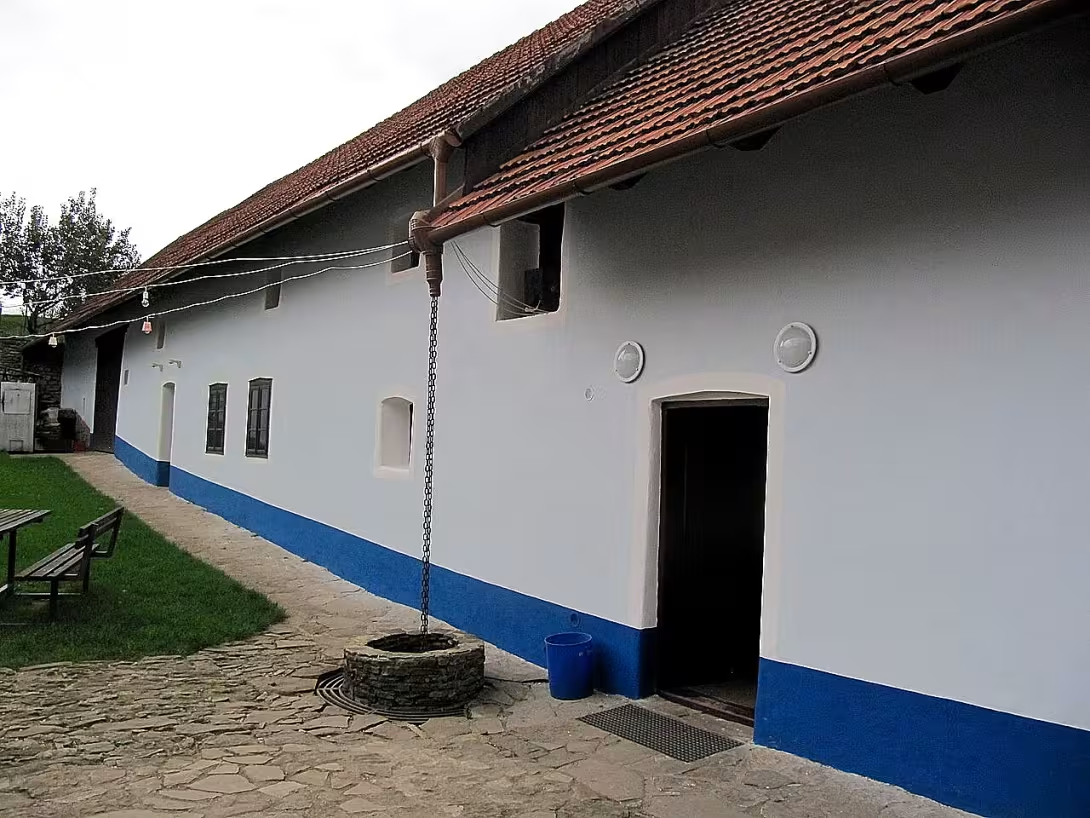
Stojaspalův mlýn in Dolní Němčí, located within the Uherské Hradiště district, stands as a testament to traditional Czech folk architecture and industrial history. Constructed in 1720, this water mill is notable for its robust brick construction and gabled roof characteristic of the Horňácko region. Although it ceased operations following a fire in 1914 and was not restored as a functioning mill, Stojaspalův mlýn has been preserved as a cultural monument and adapted into a museum dedicated to showcasing the heritage of the area.
The origins of Stojaspalův mlýn date back to the early 18th century when Bohemia was part of the Habsburg Monarchy. This period was marked by Baroque influences in art and architecture, alongside significant developments in agriculture and industry across Europe. The construction of water mills like Stojaspalův mlýn during this time supported local economies by harnessing natural resources for milling operations.
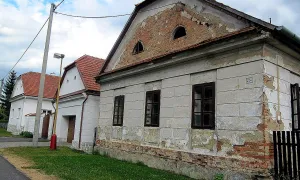
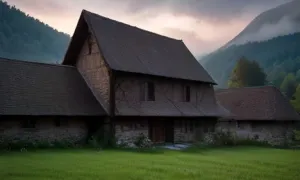
Architecturally, Stojaspalův mlýn is a prime example of folk architecture from the Horňácko region. It consists of residential and economic sections with vaulted cellars, showcasing elements typical of the area's traditional building style. The robust brick structure is topped by a gabled roof, while the interior retains barrel-vaulted ceilings. Originally, water was channeled to its wheel via a mill race, although the original milling technology has not been preserved.
Throughout its history, Stojaspalův mlýn experienced significant events that shaped its current state. Constructed in 1720, it served as an essential part of local industry until a fire in 1914 led to its cessation as a functioning mill. Despite this setback, the site has been adapted into a museum, preserving its cultural significance and architectural integrity.
Today, Stojaspalův mlýn is accessible to visitors who wish to explore its historical and architectural value. As a protected cultural monument of the Czech Republic, it offers insights into traditional Czech rural life and industrial practices from the 18th century. The site's adaptation as a museum ensures that its legacy continues to educate and inspire future generations.
Stojaspalův mlýn stands not only as a preserved piece of history but also as an invitation to delve into the rich cultural tapestry of the Czech Republic. Its transformation into a museum allows visitors to appreciate the architectural beauty and historical significance of this remarkable site, making it a worthwhile destination for those interested in exploring the heritage of Dolní Němčí and beyond.
Then and now
Drag the slider to compare how the landmark may have looked when it was built with the view today.
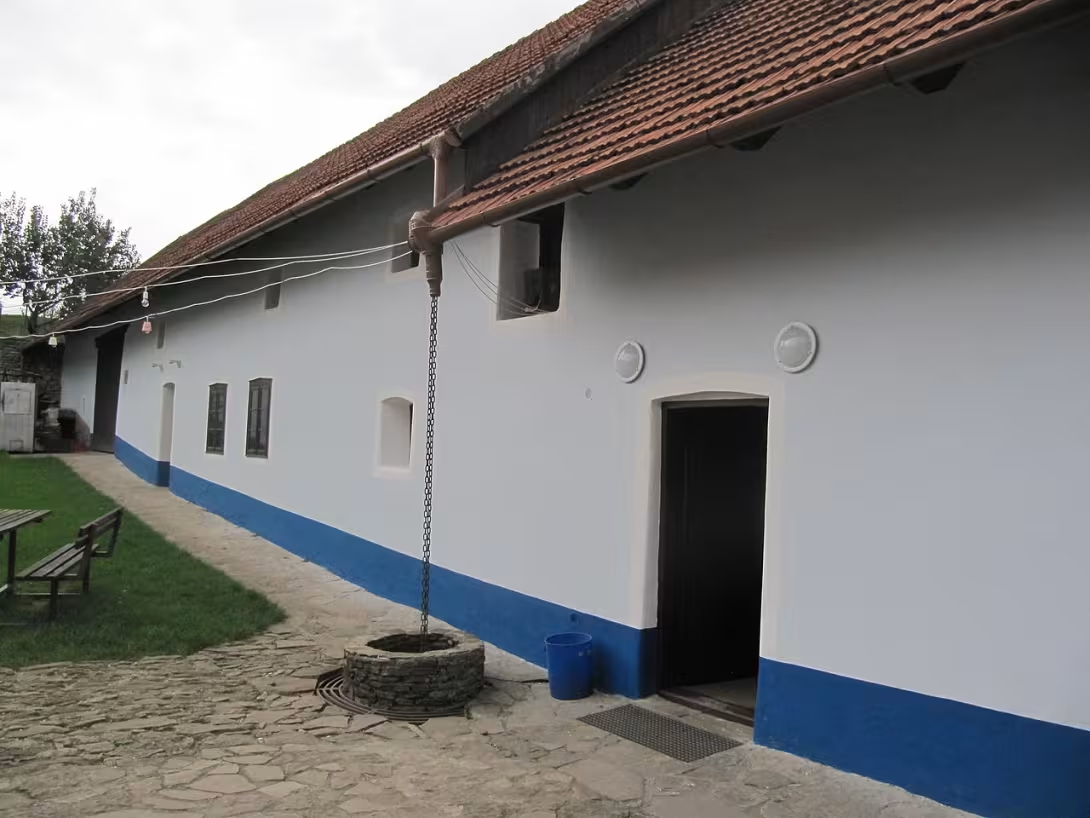
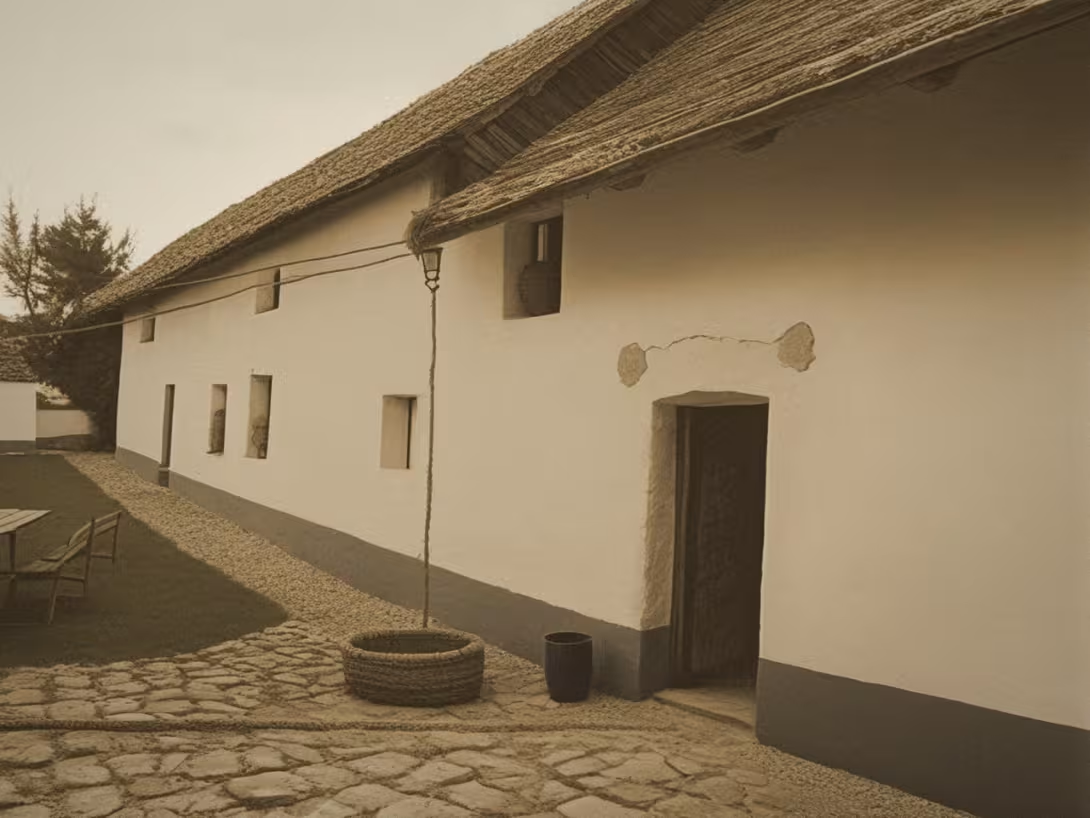
The historical appearance on the left is an AI-generated visualisation and serves as inspiration only.
Historical milestones
- 1720
- Construction of Stojaspalův mlýn began.
- 1914
- Fire led to the cessation of mill operations.
- 20th century
- Museum adaptation preserved cultural significance.
Architectural development
Stojaspalův mlýn consists of residential and economic sections with vaulted cellars, showcasing elements of folk architecture. The robust brick structure is topped by a gabled roof, while the interior retains barrel-vaulted ceilings. Originally powered by water channeled to its wheel via a mill race, the original milling technology has not been preserved.
Historical events
The mill was constructed in 1720.
It suffered a fire in 1914 and ceased operations.
Guide
This guide is narrated by a synthetic voice generated by artificial intelligence.
Show guide text
This text was created by artificial intelligence and has not been editorially reviewed. It may contain inaccuracies.
Stojaspalův Mill, descriptive number 105, stands in Dolní Němčí in the Uherské Hradiště district. It is a water mill on the Okluky stream and is protected as a cultural monument.
The mill was built in 1720. In 1914 it burned down and was never restored. Its premises today serve as a museum.
The structure belongs to folk architecture monuments and bears features typical of Horňácko. It consists of a residential and farm part. Beneath it is a vaulted cellar. The robust brick building is covered by a hip roof. Inside, boarded ceilings have been preserved.
Water flowed to the mill wheel through a mill race. However, the mill machinery itself has not survived to the present day.
Tips for visitors
The best time to visit Stojaspalův mlýn is during the late spring or early autumn months, when the weather is mild and pleasant for exploring both the mill itself and its surrounding natural beauty. These seasons offer a perfect balance of comfortable temperatures and vibrant landscapes, making it ideal for walking tours around the Hornácko region. Additionally, visiting outside of peak summer can provide a more tranquil experience, allowing you to appreciate the traditional Czech architecture without large crowds.
The mill is accessible by both car and public transport; however, specific routes and schedules should be checked in advance through a reliable travel planner. This ensures you can plan your visit smoothly without any last-minute surprises regarding how to reach the site.
When planning your visit, it's recommended to bring comfortable walking shoes as exploring the mill and its surroundings involves some walking on uneven paths. Additionally, consider bringing a camera or smartphone for capturing photos of the picturesque landscape and architectural details. A light jacket might also be useful, especially if visiting in early spring or late autumn when temperatures can vary throughout the day.
For photography enthusiasts, the best spots around Stojaspalův mlýn are near the stream Okluky where the natural lighting is soft during the golden hours of sunrise and sunset. These times provide beautiful illumination that enhances the rustic charm of the mill's brickwork and surrounding foliage. Capturing images from different angles can also highlight the unique features of traditional Czech rural architecture.
Within a 30-minute drive, visitors can explore additional attractions such as other historic mills in the Dolní Němčí area or take a leisurely walk along the scenic trails that offer breathtaking views of the countryside. These nearby sites provide further insight into the region's cultural heritage and are perfect for extending your day trip.
The surrounding area is suitable for family-friendly activities like picnicking or short nature walks, making it a delightful outing that combines education with recreation.
Frequently asked questions
Can the monument be visited?
Some buildings of this kind are open for guided tours, others serve another purpose or are privately owned. We have not verified whether and when this monument is open – please ask the operator. According to the heritage register the structure is in poor condition – do not enter it and take care nearby.
What are the opening hours and admission?
We have not verified the opening hours or admission. Current information is published by the operator.
Where is the monument?
Location: Zlínský kraj. The map on this page shows the exact spot.
Why is the monument protected?
It is listed in the Central List of Cultural Monuments of the Czech Republic as a cultural monument (register no. 1000160851).
Businesses nearby
Do you run a restaurant, accommodation, shop, museum, rental, wellness or other visitor service near this monument? Show yourself directly to the people heading to it — this is how they will see you in the app and on the web:
Nearby
Stojaspalův mlýn is situated near the stream Okluky in Dolní Němčí. The surrounding landscape of the Hornácko region offers cultural insights into traditional Czech architecture and rural life.
Accommodation nearby
Themed route
Tematická výletní trasa kolem Stojaspalova mlýna
1. Stojaspalův mlýn (Dům čp. 105)
Typ: Historická památka
Navštivte toto klíčové místo, kde si můžete užít pohledu na tradiční českou architekturu a pochopit dědictví mlýnského života v regionu Hornácko. Tento historický objekt je nejen krásným příkladem místní kultury, ale také nabízí vhled do způsobů života na venkově.
2. Potok Okluky
Typ: Přírodní atrakce
Procházejte se podél potoka Okluky, který dodává mlýnu svou energii a zároveň poskytuje klidnou příležitost pro relaxaci. Toto místo je ideální pro ty, kdo chtějí užít si tiché okolí a přírodní krásy regionu.
3. Dolní Němčí (Místní obec)
Typ: Kulturní zážitek
Prozkoumejte místní čtvrti Dolního Němcí, kde se nachází Stojaspalův mlýn. Tato oblast nabízí pohled na tradiční venkovské domy a umožňuje pochopit každodenní život v regionu Hornácko. Navštěvujte místní trhy nebo prozkoumejte obecní budovy, které představují důležité kulturní prvky.
4. Nádvoří Stojaspalova mlýna
Typ: Historický areál
Znovu se vrátíme k hlavnímu cíli, abyste prozkoumali nádvoří a okolní prostor. Tento vnitřní areál nabízí další pohled na historii mlýna a jeho architektonické prvky. Je to ideální místo k odpočinku a prohlídce, které doplňuje celkovou zkušenost.
Tato trasa vám nabízí komplexní pohled na region Hornácko prostřednictvím jeho kulturních a přírodních atrakcí.
Seasonal recommendations
Spring: Visiting the historic millhouse during spring offers a unique experience as nature awakens around it. The surrounding landscape is adorned with blooming flowers and lush greenery, creating a picturesque setting that enhances the charm of this historical site. Gentle rains may sometimes enhance the ambiance by bringing out vibrant colors in the foliage, though they can also lead to muddy paths. It's advisable to wear comfortable walking shoes and layers to accommodate fluctuating temperatures typical of spring weather. Visiting early in the morning or later in the afternoon can help avoid larger crowds that gather during peak daylight hours.
Summer: Summer is an ideal time for exploring the millhouse, as the long days provide ample opportunity to enjoy its historical details under bright sunlight. The warm weather invites visitors to spend extended periods outdoors, appreciating both the architecture and the surrounding natural beauty. However, this season also attracts more tourists, so it's wise to arrive early in the morning or late afternoon to avoid crowds. Light, breathable clothing is recommended due to higher temperatures, along with sun protection like hats and sunscreen.
Autumn: Autumn brings a magical atmosphere to the millhouse, as the surrounding landscape transforms into a tapestry of warm hues from reds to golds. The cooler weather makes for comfortable exploration without the summer heat, and the air often carries a crispness that enhances the historical ambiance. This season tends to be less crowded than summer, making it an excellent time for those who appreciate tranquility. Layered clothing is advisable as temperatures can vary significantly throughout the day.
Winter: Winter offers a serene and enchanting setting for visiting the millhouse, especially if there's snowfall that blankets the landscape in white, creating a picturesque scene reminiscent of historical paintings. The shorter days mean fewer visitors, allowing for a more intimate experience with the site. However, it's important to dress warmly, as temperatures can be quite low, and some facilities may have reduced hours or closures due to weather conditions. Wearing insulated clothing and sturdy boots is essential for comfort during your visit in this chilly season.
Visualizations and artistic views


The visualisations are generated by artificial intelligence and serve as inspiration.
Photos from the area
Real photos taken near the monument


Zdroj a licence jsou uvedeny u každého snímku.
Tips from visitors
No tips yet. Be the first!
Log in and add your tip.
Sources and literature
Photos: palickap / CC BY 3.0 — Wikimedia Commons. The author and licence also appear when you hover over the image.
Faktickým podkladem tohoto textu byl článek na Wikipedii, jehož autory jsou přispěvatelé Wikipedie. Článek je dostupný pod licencí CC BY-SA 4.0.
Location on the map
More monuments – Zlínský kraj
Show all in the region

Příběhy a pověsti
Legendy, pověsti a příběhy spjaté s touto památkou
Fotografie návštěvníků
Zatím žádné fotografie. Buďte první, kdo přidá fotografii z návštěvy!
Log in a přidejte svou fotografii nebo hodnoťte.
Za ověřenou návštěvu v aplikaci získáte víc bodů — poznáme podle GPS, že jste na místě.
Reviews and comments