






Dvoreček Castle
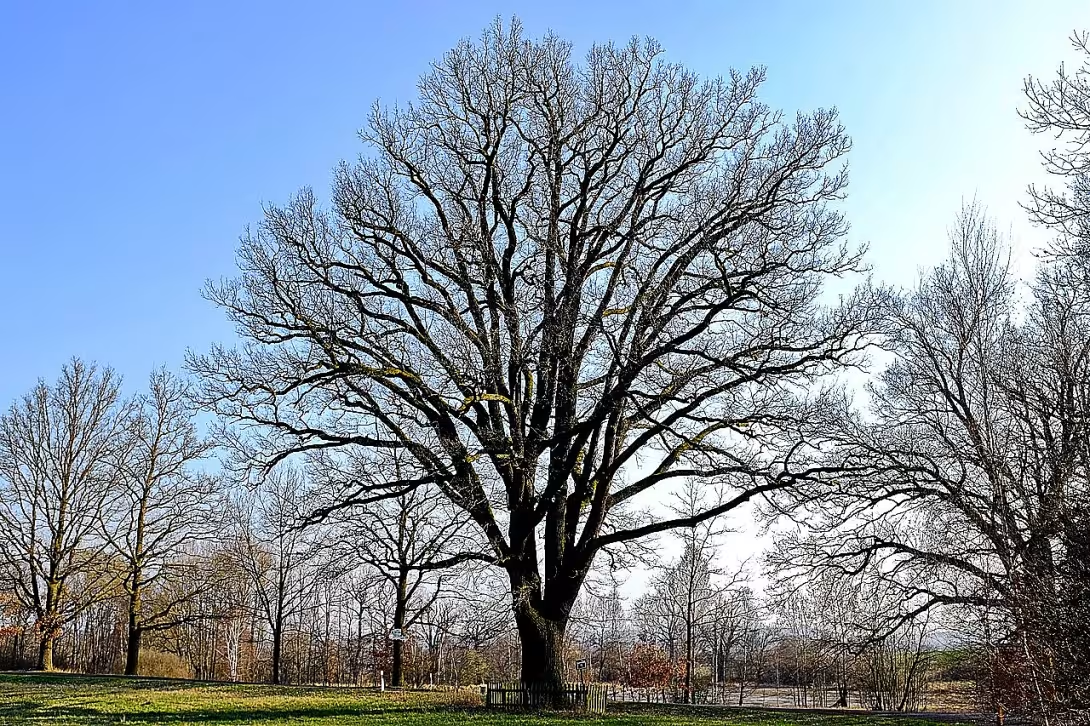
Dvoreček is a historical site located in Krapice, within the Cheb District of Karlovarský kraj, Czech Republic. Originally mentioned as a fortress in the 14th century, it evolved into a baroque chateau known as Höfflass by 1712. This transformation was initiated by the city of Cheb, which acquired the estate along with Poustka and Krapice. Today, only remnants of agricultural buildings remain, alongside a notable summer oak tree, dub letní ve Dvorečku. The site's historical significance is rooted in its architectural evolution and its connection to regional history.
The origins of Dvoreček trace back to the 14th century when it was first mentioned as Höfelein, a manor house that likely began as a fortress. During this period, Bohemia was part of the Holy Roman Empire, experiencing significant political and religious changes leading up to the Hussite Wars. The estate later became associated with the Wirsperger family from 1467 to 1590, who were notable for their role in the region's Lutheran history.
Architecturally, Dvoreček underwent a significant transformation when it was converted into a baroque chateau by the city of Cheb in 1712. This period saw the addition of agricultural buildings, a sheepfold, and a hunting lodge, reflecting the baroque style prevalent across Europe at the time. By 1835, changes continued with the sale of the hunting lodge, which led to further modifications.
Ownership of Dvoreček changed hands several times throughout its history. Initially mentioned as Höfelein in 1392, it was owned by the Wirsperger family from 1467 until 1590. In 1712, the city of Cheb acquired the estate and initiated its transformation into a baroque chateau. After World War II, in 1945, the estate came under state management, marking another significant shift in its administration.
Key events at Dvoreček include its initial mention as Höfelein in 1392 and its ownership by the Wirsperger family between 1467 and 1590. The transformation into a baroque chateau in 1712 stands out as a pivotal moment, reflecting broader cultural trends of the era. Additionally, the presence of the summer oak tree adds to the site's historical allure.
Today, Dvoreček is characterized by its remaining agricultural buildings and the notable summer oak tree. Although officially dissolved in 1980, the site remains accessible and offers insights into regional history. Its proximity to a cycling trail and Antonínova Výšina enhances its appeal as a destination for those interested in exploring historical landscapes.
Dvoreček's value lies in its rich historical narrative and architectural evolution from a fortress to a baroque chateau. Visitors are invited to explore this site, where the remnants of its past offer a tangible connection to the region's history and cultural heritage.
Then and now
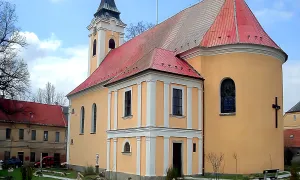
Drag the slider to compare how the landmark may have looked when it was built with the view today.
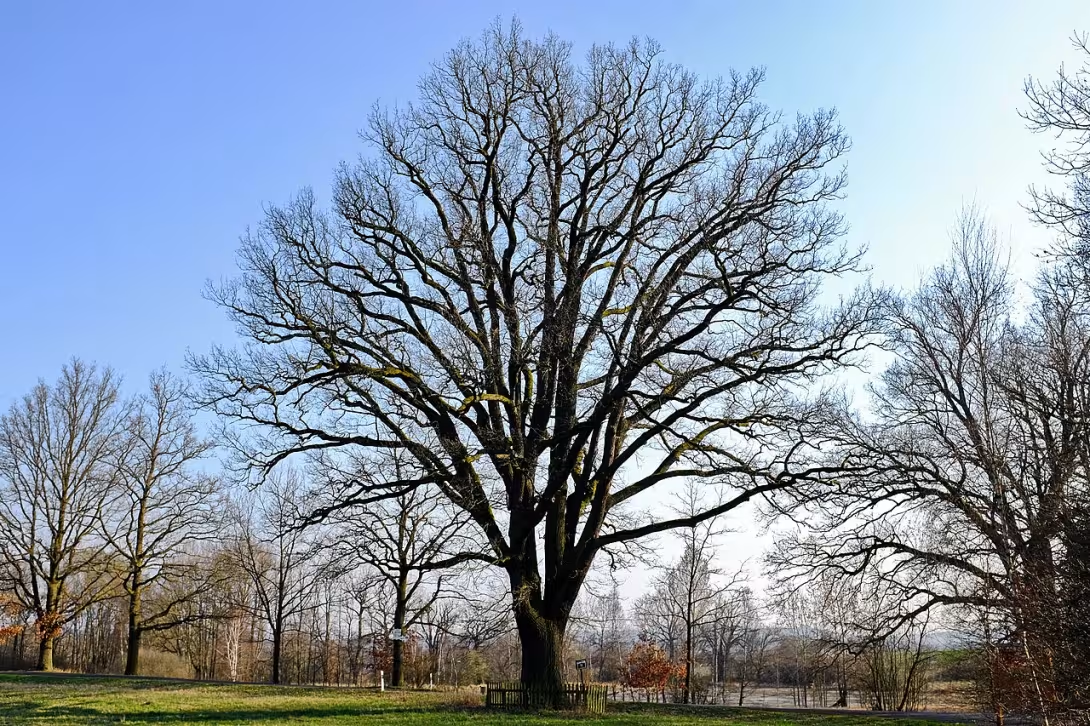
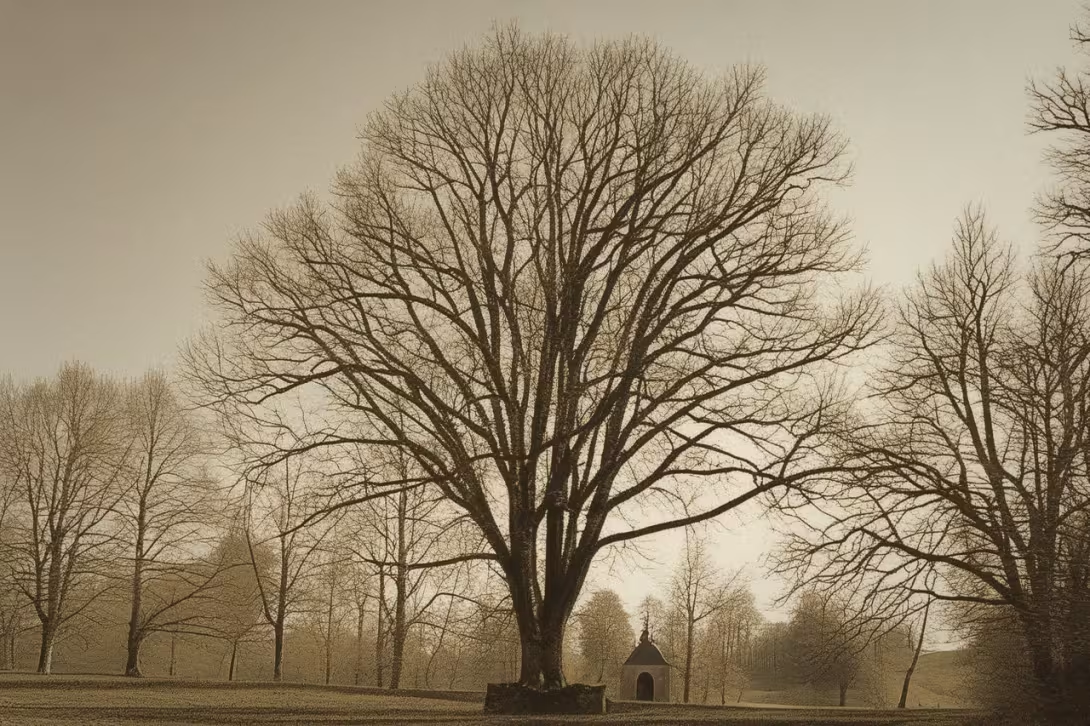
The historical appearance on the left is an AI-generated visualisation and serves as inspiration only.
Historical milestones
- 1392
- First mention as Höfelein.
- 1467-1590
- Owned by the Wirsperger family.
- 1712
- Transformed into a baroque chateau by the city of Cheb.
Architectural development
Dvoreček evolved from an initial fortress in the 14th century to a baroque chateau known as Höfflass by 1712. The transformation included the addition of agricultural buildings, a sheepfold, and a hunting lodge. By 1835, the hunting lodge was sold, leading to further changes.
Historical events
In 1392, Höfelein was first mentioned as a manor house.
Between 1467 and 1590, the Wirsperger family owned the estate.
In 1712, the city of Cheb purchased the estate and transformed it into a baroque chateau.
Owners
The manor was first mentioned as Höfelein in 1392. It belonged to the Wirsperger family from 1467 to 1590. In 1712, the city of Cheb acquired it along with Poustka and Krapice. After 1945, it came under state management.
Points of interest
- Dvoreček's transformation from a fortress to a baroque chateau reflects the broader European architectural shift during the 18th century, mirroring cultural trends that emphasized ornate design and symmetry.
- The estate's association with the Wirsperger family highlights its role in the spread of Lutheranism in Bohemia, as this family was influential in promoting Protestant ideas during a time of significant religious upheaval.
- Despite being officially dissolved in 1980, Dvoreček remains accessible to visitors, offering a unique glimpse into regional history through its remaining agricultural structures and the notable summer oak tree, dub letní ve Dvorečku.
- The site's strategic location near a cycling trail and Antonínova Výšina not only enhances its appeal as a historical destination but also integrates it into modern recreational activities, blending past and present experiences for visitors.
- Ownership changes throughout history, including the transition to state management post-World War II in 1945, illustrate the broader political shifts affecting property and heritage sites across Europe during tumultuous periods.
Guide
This guide is narrated by a synthetic voice generated by artificial intelligence.
Show guide text
This text was created by artificial intelligence and has not been editorially reviewed. It may contain inaccuracies.
Welcome to the charming Dvoreček in Krapice, a gem nestled within the Karlovarský kraj. As you stand here, surrounded by the gentle embrace of nature and history, take a moment to absorb your surroundings. The remnants of this historical site whisper tales from centuries past, inviting you on an intriguing journey through time.
Dvoreček's story begins in the 14th century when it was first mentioned as Höfelein—a fortress that stood proudly amidst the evolving landscape. Over the years, its ownership passed to notable families, including the Wirspergerové between 1467 and 1590. This period marked a significant chapter in its history, reflecting both local influence and broader regional dynamics.
In 1712, the city of Cheb transformed this fortress into a baroque chateau known as Höfflass. This transformation is a testament to the architectural evolution that swept across Europe during the 18th century—a time when ornate design and symmetry became cultural hallmarks. As you explore Dvoreček today, notice how its architecture mirrors these broader trends, even if the original architects remain anonymous.
As we delve deeper into this site's history, consider the Wirsperger family's role in shaping its legacy. Their influence is a reminder of how individual families and local figures contributed to the cultural tapestry of their time. While specific stories may not be detailed here, imagine the lives that unfolded within these walls, from bustling gatherings to quiet moments of reflection.
One intriguing aspect of Dvoreček is its architectural evolution—a journey from fortress to chateau reflecting broader European trends. This transformation highlights a period when aesthetics and functionality intertwined, creating spaces that were both beautiful and practical.
As we conclude our visit here at Dvoreček, I invite you to continue exploring this fascinating area of Krapice. There's much more to discover, each corner holding its own story waiting to be uncovered. Thank you for joining me on this journey through history, and may your curiosity lead you to many more discoveries. Safe travels as you venture further into the rich tapestry of Karlovarský kraj!
Frequently asked questions
Can the monument be visited?
This is a ruin. Such sites are often freely accessible, but some can only be visited with a guide or are closed for safety reasons. We have not verified the current situation – take care and respect any restrictions.
Where is the monument?
Location: Krapice, Karlovarský kraj. The map on this page shows the exact spot.
Businesses nearby
Do you run a restaurant, accommodation, shop, museum, rental, wellness or other visitor service near this monument? Show yourself directly to the people heading to it — this is how they will see you in the app and on the web:
Nearby
Dvoreček is located near a cycling trail and close to Antonínova Výšina. The surrounding area includes natural landscapes and historical sites within a 5 km radius.
Accommodation nearby
Themed route
Thematic Tour Route: Krapice Castle Garden
1. Dvoreček (Castle) - Type: Historical Site - Why Visit: Begin your journey at the charming Dvoreček, a picturesque castle nestled in the heart of Krapice. This historical gem offers visitors an intimate glimpse into the region's rich past with its beautifully preserved architecture and serene gardens.
2. Cycling Trail - Type: Recreational Path - Why Visit: Just a short walk from Dvoreček, this cycling trail invites you to explore the natural beauty surrounding Krapice. Ideal for leisurely rides or walks, it provides stunning views of the landscape and serves as a perfect way to unwind after your castle visit.
3. Antonínova Výšina - Type: Historical Site - Why Visit: Located nearby, Antonínova Výšina is a must-see for history enthusiasts. This site offers fascinating insights into the area's historical significance and features intriguing remnants that tell tales of times gone by.
This route provides a balanced mix of cultural exploration and nature appreciation, all within easy reach from each other, ensuring an enriching experience in Krapice.
Seasonal recommendations
Spring: Visiting the Krapice Chateau Ruins during spring offers a unique experience as nature begins to bloom around the site. The surrounding landscape is painted with vibrant wildflowers and fresh greenery, creating an enchanting atmosphere that complements the historical ambiance of the ruins. As daylight extends into the evening, visitors can enjoy the soft natural lighting that enhances the textures and details of the crumbling architecture. This season typically sees moderate visitor numbers, making it a pleasant time to explore without excessive crowds. For comfort, wear layers as temperatures can vary, and bring a light jacket for cooler evenings.
Summer: Summer is an ideal time to visit the Krapice Chateau Ruins due to long daylight hours that illuminate the site beautifully, highlighting its historical details. The lush greenery and blooming flora create a picturesque backdrop, enhancing the overall experience. However, this season also attracts more visitors, so it's advisable to arrive early in the morning or later in the afternoon to avoid crowds. Wear light, breathable clothing, and don't forget sunscreen and a hat for protection against the sun. Staying hydrated is crucial during your visit.
Autumn: The autumn months transform the Krapice Chateau Ruins into a captivating scene with fiery reds, oranges, and yellows of fallen leaves surrounding the historic site. This season offers a serene atmosphere as visitor numbers dwindle compared to summer, allowing for more peaceful exploration. The cooler temperatures provide comfortable conditions for walking around the ruins, though it's wise to bring an extra layer or a light jacket in case of chilly winds. The soft autumnal lighting creates a warm and inviting ambiance perfect for photography.
Winter: Winter brings a unique charm to the Krapice Chateau Ruins with its snow-covered landscape offering a stark yet beautiful contrast against the ancient stones. Dress warmly in layers, including thermal clothing and waterproof outerwear, as temperatures can drop significantly. Snowshoes or sturdy boots with good traction are recommended for safe navigation on potentially icy paths. The quietness of the site during winter provides a tranquil experience, allowing visitors to appreciate its history amidst the serene snowscape.
Visualizations and artistic views


The visualisations are generated by artificial intelligence and serve as inspiration.
Photos from the area
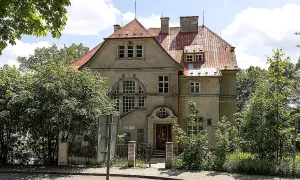
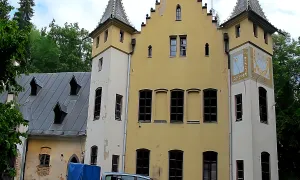
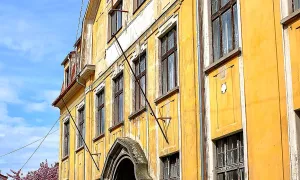
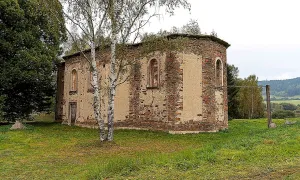
Real photos taken near the monument


Zdroj a licence jsou uvedeny u každého snímku.
Tips from visitors
No tips yet. Be the first!
Log in and add your tip.
Sources and literature
Photos: Lubor Ferenc / CC BY-SA 4.0 — Wikimedia Commons. The author and licence also appear when you hover over the image.
Faktickým podkladem tohoto textu byl článek na Wikipedii, jehož autory jsou přispěvatelé Wikipedie. Článek je dostupný pod licencí CC BY-SA 4.0.
Location on the map
Příběhy a pověsti
Legendy, pověsti a příběhy spjaté s touto památkou
Fotografie návštěvníků
Zatím žádné fotografie. Buďte první, kdo přidá fotografii z návštěvy!
Log in a přidejte svou fotografii nebo hodnoťte.
Za ověřenou návštěvu v aplikaci získáte víc bodů — poznáme podle GPS, že jste na místě.
Reviews and comments