






evangelický kostel v Kynšperku nad Ohří Church
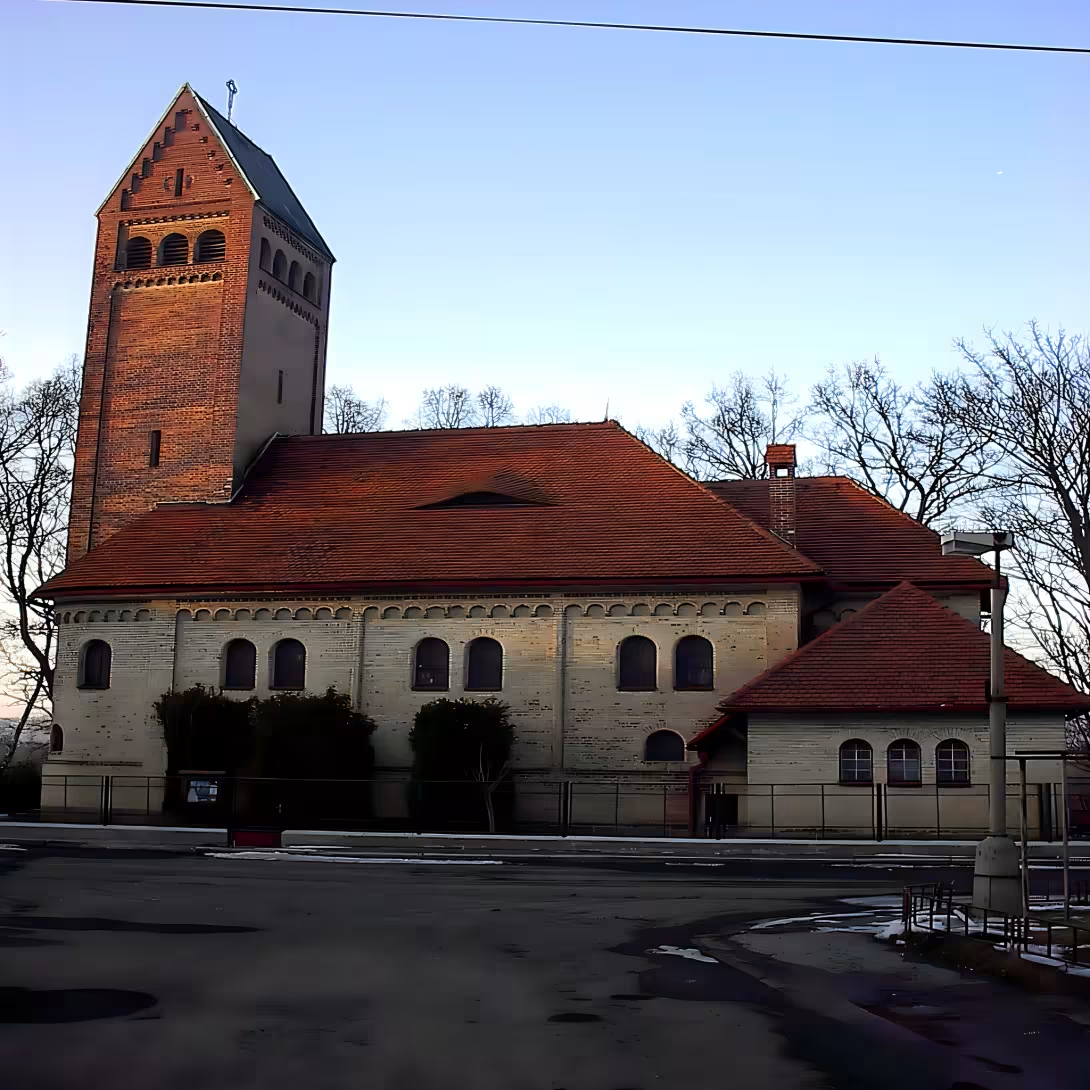
The Evangelical Church of the Redeemer in Kynšperk nad Ohří is an outstanding example of early 20th-century architectural innovation and religious transformation. Situated in Kynšperk nad Ohří, within the Karlovarský kraj region, this church stands out for its Secessionist style combined with Romanesque elements and Scandinavian influences. Architects Ludwig Eisenlohr and Carl Weigle designed it, and it was consecrated on December 8, 1905. It is recognized as a cultural monument of the Czech Republic.
The origins of the Evangelical Church in Kynšperk nad Ohří are linked to religious shifts at the turn of the 20th century. Movements like "Away from Rome" strengthened Protestant influence across Bohemia during this period. In April 1899, 18 believers converted to the Evangelical Church, leading to a preaching station established on May 14, 1899. By August 21, 1904, they had laid the cornerstone for their church.
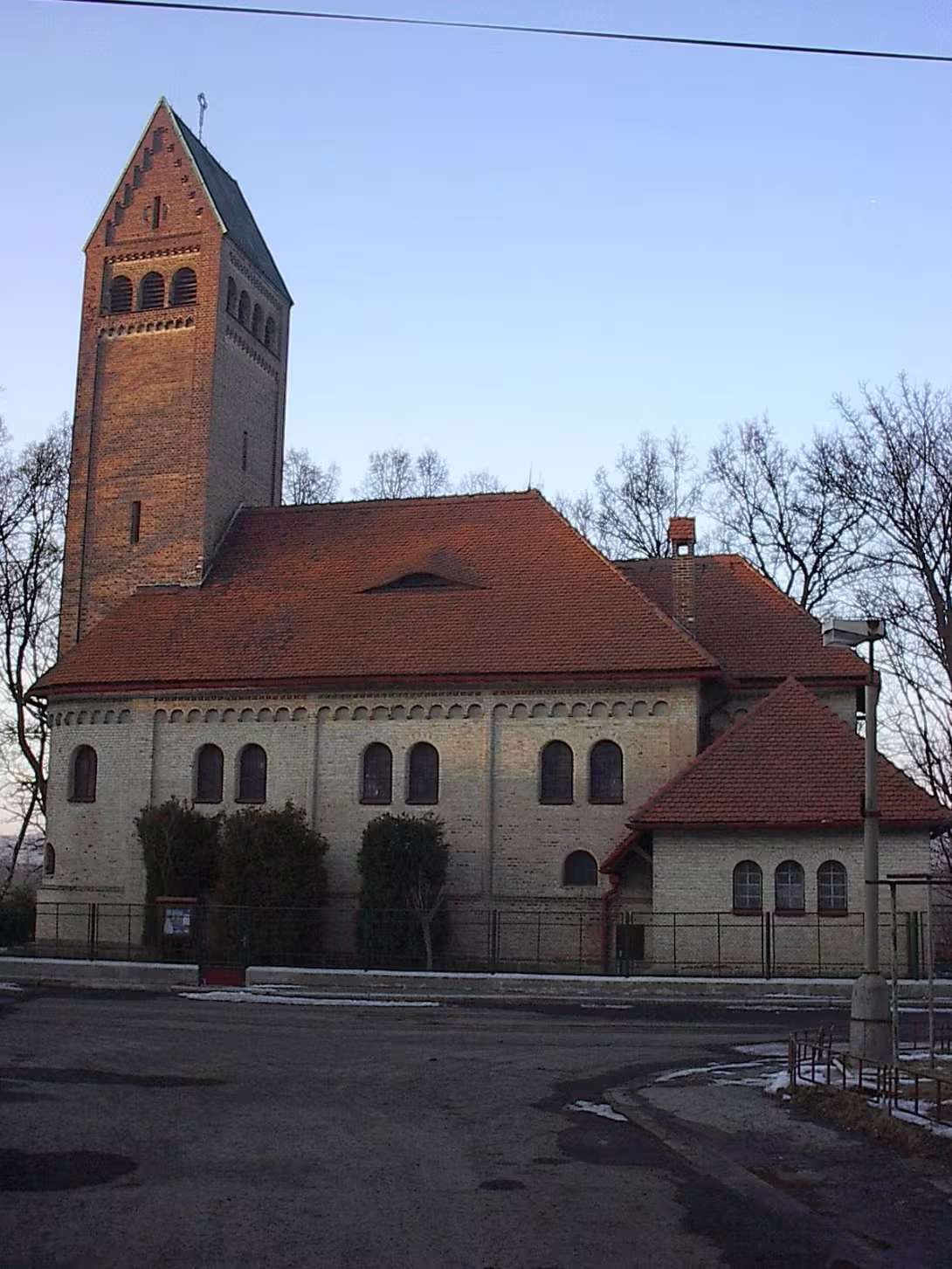
Architecturally, the church reflects its era's innovative spirit. Built primarily in Romanesque style with Secessionist elements, it features a single-nave design and a striking red brick tower. Scandinavian influences are evident in the tower's exterior design. Inside, original artistic craftsmanship is preserved, characterized by Secessionist decor and folk motifs on the ceiling and pulpit.
Throughout its history, the church has seen changes in administration and ownership. Initially serving as a parish church, it became a preaching station for the Českobratrská církev evangelická after World War II when German-speaking Evangelicals left Kynšperk nad Ohří. This marked a new chapter, aligning it with the Farní sbor Československé církve evangelické v Sokolově.
Several key events and curiosities highlight its unique narrative. Notably, the church's organ has an intriguing past; originally from Weimar, where it served in a theater, it was transported to Kynšperk nad Ohří in 1904. Despite its age, the organ underwent restoration in November 2004 due to previous unskilled interventions, ensuring its continued use and preservation.
Today, the Evangelical Church of the Redeemer remains an accessible cultural monument, inviting visitors to explore its rich history and architectural beauty. Its significance lies not only in its design but also as a symbol of religious transformation during a pivotal era in Bohemia's history. Visitors are encouraged to experience this remarkable site firsthand, appreciating both its historical context and artistic achievements.
Then and now
Drag the slider to compare how the landmark may have looked when it was built with the view today.
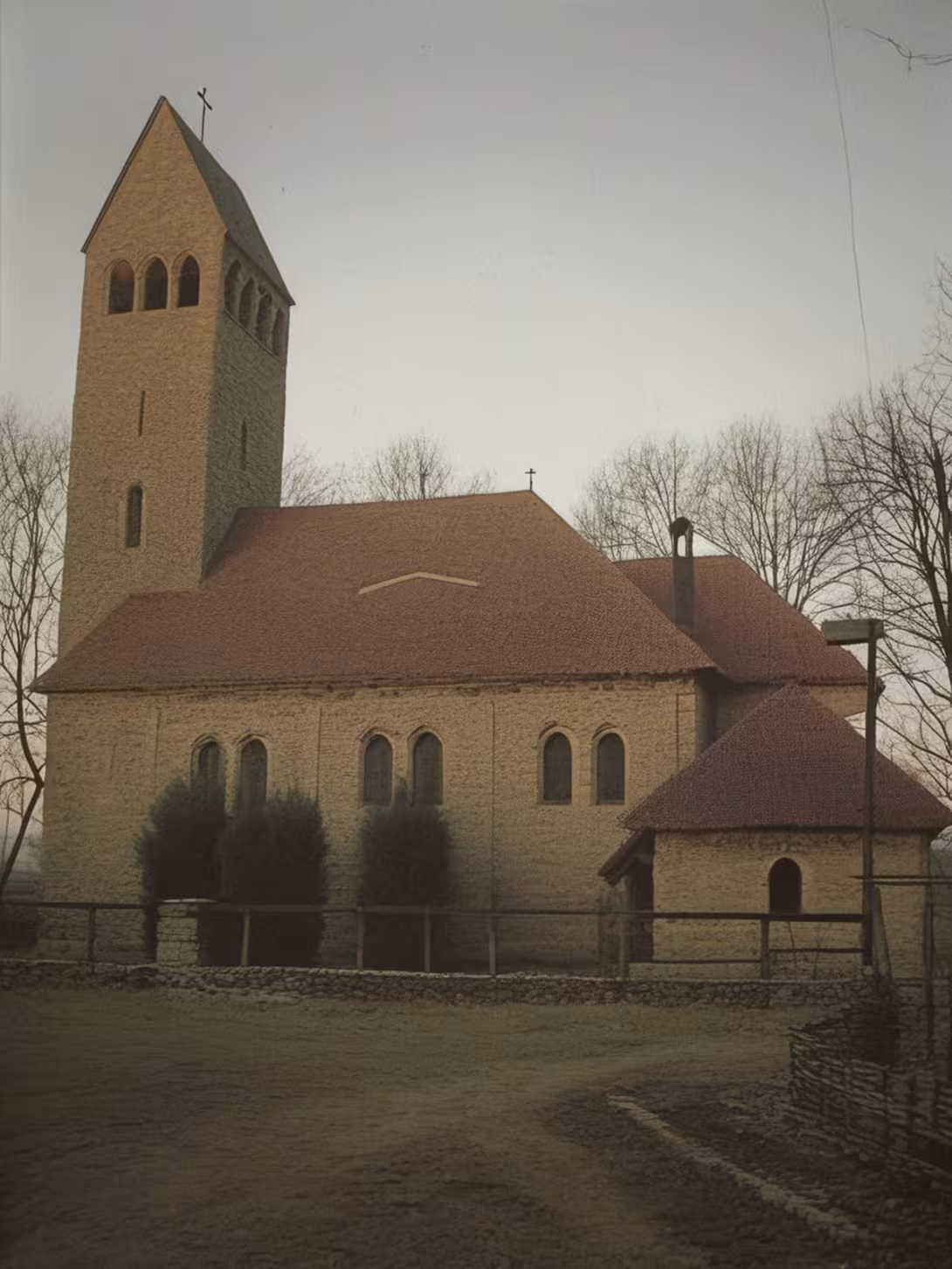
The historical appearance on the left is an AI-generated visualisation and serves as inspiration only.
Historical milestones
- 1899
- Establishment of a preaching station in Kynšperk nad Ohří.
- 1902
- Formation of an association for building the church.
- 1904
- Laying of the cornerstone for the church.
- 1905
- Consecration of the church.
Architectural development
Constructed in a Romanesque style with Secessionist elements, the single-nave church features a tower made of red bricks. The interior retains its original artistic craftsmanship with Secessionist decor and folk motifs. In 2004, the roof and organ were restored as part of the centennial celebrations.
Historical events
In April 1899, 18 believers converted to the Evangelical Church in Kynšperk nad Ohří, leading to the establishment of a preaching station on May 14, 1899.
The cornerstone for the church was laid on August 21, 1904, and it was consecrated on December 8, 1905.
Points of interest
– The Evangelical Church of the Redeemer's organ has a theatrical past, originally serving in Weimar before being transported to Kynšperk nad Ohří in 1904. This adds a unique cultural layer to its history.
– Despite suffering from unskilled restoration attempts, the church’s organ was meticulously restored in November 2004, highlighting ongoing efforts to preserve its historical integrity and functionality.
– The church's architectural style is an eclectic mix of Secessionist design with Romanesque elements and Scandinavian influences, reflecting early 20th-century innovation and cross-cultural artistic exchange.
– Initially established as a preaching station in 1899 due to the "Away from Rome" movement, the church became a symbol of Protestant influence strengthening across Bohemia at that time.
– After World War II, when German-speaking Evangelicals left Kynšperk nad Ohří, the church transitioned into serving the Českobratrská církev evangelická, marking a significant shift in its religious and community role.
Guide
This guide is narrated by a synthetic voice generated by artificial intelligence.
Show guide text
This text was created by artificial intelligence and has not been editorially reviewed. It may contain inaccuracies.
Welcome to the Evangelical Church of the Redeemer in Kynšperk nad Ohří. As you stand before this remarkable structure, take a moment to absorb its grandeur and the subtle interplay of light on its surfaces. This church is not just an architectural marvel but also a beacon of early 20th-century innovation and religious transformation.
The story of this church begins in 1899 with the establishment of a preaching station in Kynšperk nad Ohří, marking the start of a spiritual journey for the community. By 1902, a dedicated association was formed to bring the vision of a new church to life. The cornerstone was laid in 1904, and just a year later, in 1905, the church was consecrated, ready to serve its congregation.
The architects Ludwig Eisenlohr and Carl Weigle crafted this masterpiece with a unique blend of styles. As you look around, notice the Secessionist style that defines much of the structure, complemented by elements of Romanesque architecture and Scandinavian influences. The tower stands out with its red brickwork and slate roof, creating a striking silhouette against the skyline.
Now, let's delve into some fascinating stories associated with this place. One of the church’s most intriguing features is its organ, which has a theatrical past. Originally serving in Weimar, it found its way to Kynšperk nad Ohří in 1904, adding a unique cultural layer to the church's history. Despite challenges from unskilled restoration attempts, this organ was meticulously cared for, preserving its rich sound and heritage.
As you continue your exploration, let these stories inspire you to delve deeper into the layers of history and artistry that surround you. The Evangelical Church of the Redeemer is not just a building; it's a testament to human creativity and resilience. We invite you to take your time, wander through its surroundings, and perhaps even listen for the distant echoes of music once played within these walls.
Thank you for joining us on this journey. May your visit here inspire curiosity and wonder as you continue exploring Kynšperk nad Ohří and beyond.
Frequently asked questions
Can the monument be visited?
Religious buildings are usually open mainly during services; at other times a visit is normally arranged with the parish or the operator. We have not verified specific times.
Where is the monument?
Location: Mistra Jana Husa 62, Kynšperk nad Ohří, Karlovarský kraj. The map on this page shows the exact spot.
Why is the monument protected?
It is listed in the Central List of Cultural Monuments of the Czech Republic as a cultural monument (register no. 106925).
Businesses nearby
Do you run a restaurant, accommodation, shop, museum, rental, wellness or other visitor service near this monument? Show yourself directly to the people heading to it — this is how they will see you in the app and on the web:
Events nearby



Zdroj akcí: otevřená data měst a obcí ČR (Národní katalog otevřených dat) a kalendář akcí Národního památkového ústavu.
Accommodation nearby
Trips and activities nearby
Guided tours, tickets and activities nearby from GetYourGuide
Affiliate link: if you buy from the partner, we may receive a commission. The price for you does not change.
Search tours and activities →Themed route
Thematic Walking Tour: Kynšperk nad Ohří and its Surroundings
1. Evangelický kostel v Kynšperku nad Ohří (Church) Begin your journey at the heart of Kynšperk nad Ohří with a visit to the Evangelical Church, an architectural gem that stands as a testament to the town's rich religious history. This church is renowned for its stunning Baroque interior and historical significance in the region. Explore the intricacies of its design and learn about its role in the local community.
2. Stará radnice (Old Town Hall) A short walk from the Evangelical Church, visit the Stará radnice, a beautifully preserved example of Renaissance architecture. This historic building offers insight into the civic life of Kynšperk nad Ohří throughout the centuries and is notable for its elegant façade and historical importance as the administrative center of the town.
3. Kostel svatého Jiljí (St. Giles' Church) Continue your exploration with a visit to the charming Kostel svatého Jiljí, located nearby. This church is admired for its serene atmosphere and historical architecture that reflects the religious diversity of the area. It provides an opportunity to appreciate the town's spiritual heritage and enjoy peaceful contemplation.
4. Náměstí Míru (Peace Square) Conclude your tour at Náměstí Míru, a central square in Kynšperk nad Ohří that offers a glimpse into the everyday life of this historic town. The square is surrounded by traditional buildings and serves as a communal gathering place for locals and visitors alike. It's an ideal spot to reflect on your journey through the town’s history and architecture.
This tour provides a comprehensive look at Kynšperk nad Ohří, focusing on its historical and cultural landmarks within the immediate vicinity of the Evangelical Church.
Seasonal recommendations
Spring: Visiting the Evangelical Church in Kynšperk nad Ohří during spring offers a unique experience as nature begins to awaken around this historic site. The surrounding landscape is adorned with blooming flowers and lush greenery, creating a picturesque backdrop that enhances the architectural beauty of the church. This season often brings mild weather, making it ideal for leisurely exploration without the summer crowds. Visitors are advised to wear comfortable layers, as temperatures can vary throughout the day. Arriving early in the morning is recommended to enjoy the tranquil atmosphere before larger groups arrive.
Summer: Summer at the Evangelical Church in Kynšperk nad Ohří is characterized by vibrant greenery and warm sunshine that highlights the church's historic architecture. This season attracts more visitors, especially during peak tourist times, so planning ahead is essential. To fully appreciate the site without the hustle of crowds, consider visiting early in the morning or later in the afternoon. Light, breathable clothing is advisable to stay comfortable under the sun, and carrying a hat and sunscreen can help protect against UV rays.
Autumn: Autumn brings a magical transformation to the Evangelical Church in Kynšperk nad Ohří as the surrounding landscape turns into a tapestry of warm colors with golden leaves. The cooler temperatures make it an ideal time for exploring without the summer heat, while still enjoying the natural beauty that autumn offers. This season can see fewer visitors compared to summer, allowing for a more intimate experience. Dressing in layers is recommended due to fluctuating temperatures, and carrying an umbrella might be wise as rain showers are common.
Winter: The Evangelical Church in Kynšperk nad Ohří takes on a serene and almost mystical quality during winter, with snow blanketing the landscape and creating a quiet atmosphere around this historic site. Visitors should dress warmly in layers, including hats, gloves, and waterproof boots, to stay comfortable while exploring. Early visits are advisable as daylight is shorter, allowing more time to appreciate the site's beauty under winter skies.
Visualizations and artistic views


The visualisations are generated by artificial intelligence and serve as inspiration.
Photos from the area
Real photos taken near the monument


Zdroj a licence jsou uvedeny u každého snímku.
Atmosphere of the place
This atmospheric visualisation of the place and period was generated by artificial intelligence. It is not real footage of the location.
Tips from visitors
No tips yet. Be the first!
Log in and add your tip.
Sources and literature
Photos: Zacatecnik / CC0, rozlišení zvýšeno umělou inteligencí — Wikimedia Commons. The author and licence also appear when you hover over the image.
Faktickým podkladem tohoto textu byl článek na Wikipedii, jehož autory jsou přispěvatelé Wikipedie. Článek je dostupný pod licencí CC BY-SA 4.0.
Location on the map


Příběhy a pověsti
Legendy, pověsti a příběhy spjaté s touto památkou

Fotografie návštěvníků
Zatím žádné fotografie. Buďte první, kdo přidá fotografii z návštěvy!
Log in a přidejte svou fotografii nebo hodnoťte.
Za ověřenou návštěvu v aplikaci získáte víc bodů — poznáme podle GPS, že jste na místě.
Reviews and comments