






Kostel Nanebevzetí Panny Marie (Kynšperk nad Ohří) Church
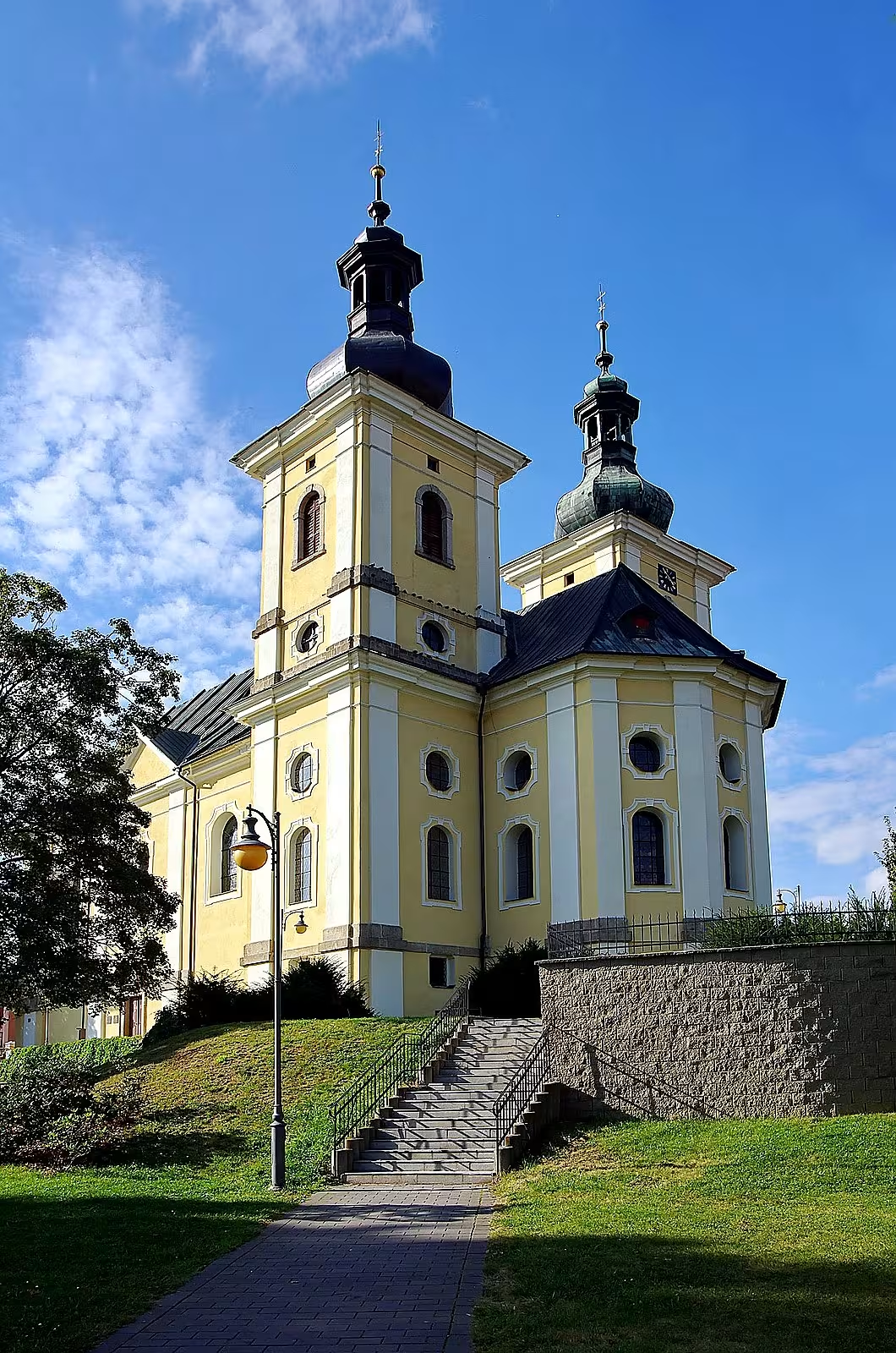
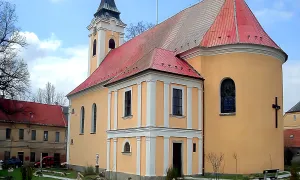
The Church of the Assumption of the Virgin Mary in Kynjejnik nad Ohří is a Baroque church of significant historical and architectural values. Located in the city of Karlovarský kraj, reflects the rich cultural heritage of the region. Built between 1721 and 1727, she replaced older medieval structures which are considered inappropriate for further use. It has been recognized as a cultural monument of the Czech Republic since 1963, its permanent value is obvious.
Origin Church The Assumption of the Virgin Mary is somewhat mysterious. The exact location and appearance of the original church remain unknown, but probably close to the historical chateau. Historical sources suggest that King Wenceslas II granted patronage to the Czech Order of Knights Hospital in 1286. These rights were transferred to the Waldsassen monastery in 1290 and later recovered by knights in 1311. The present Baroque building was built in a new place and replaced the previously medieval church dedicated to St. Kunhuta.
Architectural, Church of the Assumption of the Virgin Mary represents the beginning of the 18th century Czech Baroque style. Johann Wolfgang Braunbock, an experienced builder known for his regional work, led his construction. The church has one boat with polygonal presbytery and a double tower, typical of baroque design. These elements are complemented by pilastered facades and a western portal decorated with pilasters, windows and built-in properties. In particular, the interior includes a vaulted ceiling with lunettes and pendants based on the elaborate decorated capital city of Anta.
The ownership has changed considerably over time. Originally under the auspices of the Czech Order of Knights Hospital, he was transferred to the Waldsassen monastery in 1290 before he was regenerated by knights in 1311. Today the church is owned by the city of Kynšperk nad Ohří, with its spiritual administration managed by members of the Knights Empire who run with the member country.
Several key events and curiosities mark the history of this church. In 1824 the fire damaged the original bell tower which was subsequently removed during repairs in 1854. The church houses significant works of art, including the late Gothic statue of Madonna from the late 15th century and the important statue of Assumpta, depicting Mary standing on the crescent moon. These pieces highlight the rich artistic heritage of the church.
Today, the Church of the Assumption of the Virgin Mary remains a place of cultural and historical interest. Its Baroque architecture and important works of art make it a useful visit for interested people interested in architectural evolution of Bohemia. The church is accessible to visitors who want to explore their historical past and appreciate its art treasures.
The Church of the Assumption of the Virgin Mary is a remarkable example of baroque architecture, embodying the cultural and historical stories of Kynbrilk nad Ohří. Its preservation as a cultural monument underlines its importance and invites visitors to explore its rich history and architectural beauty.
Then and now
Drag the slider to compare how the landmark may have looked when it was built with the view today.
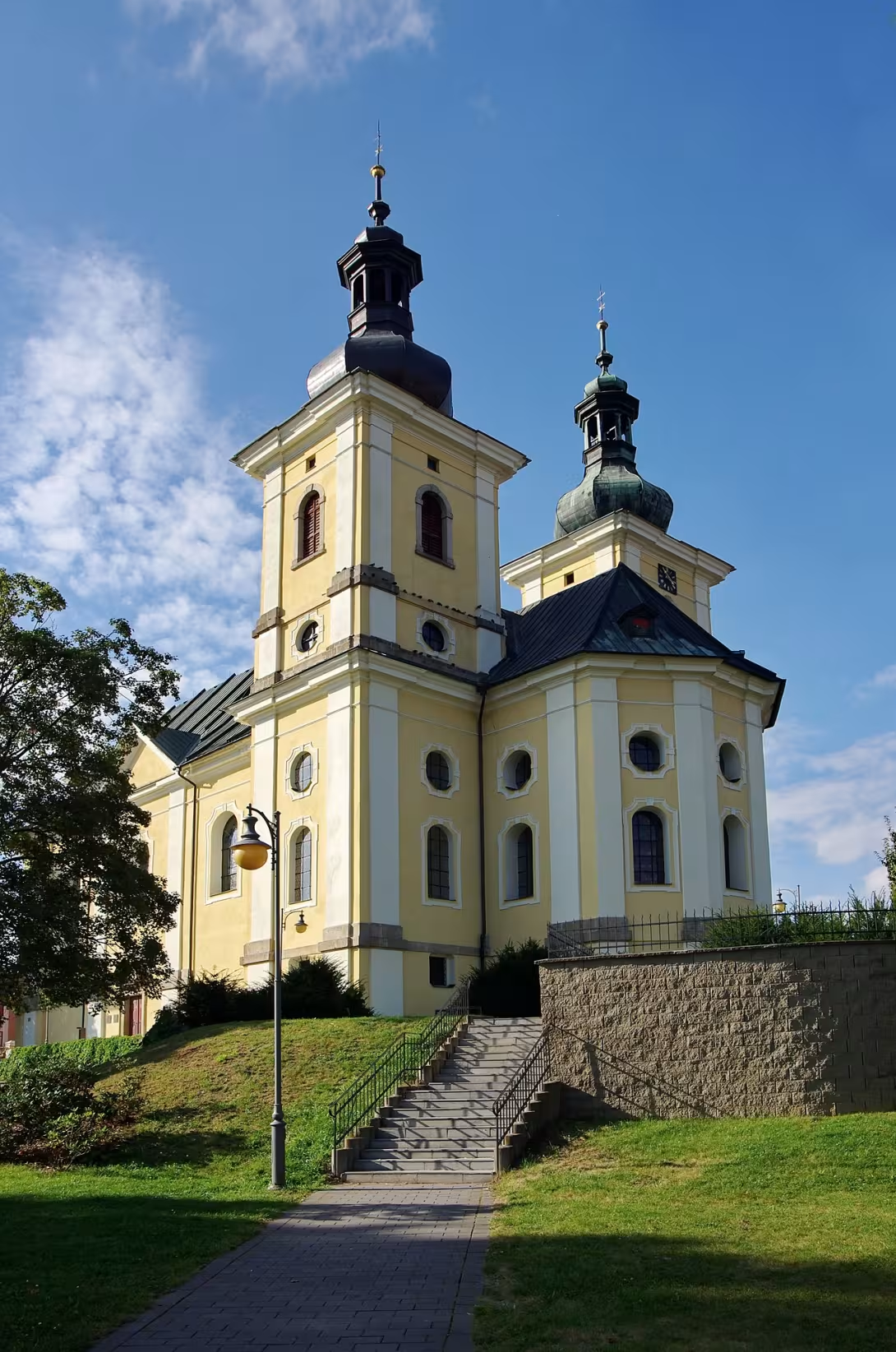
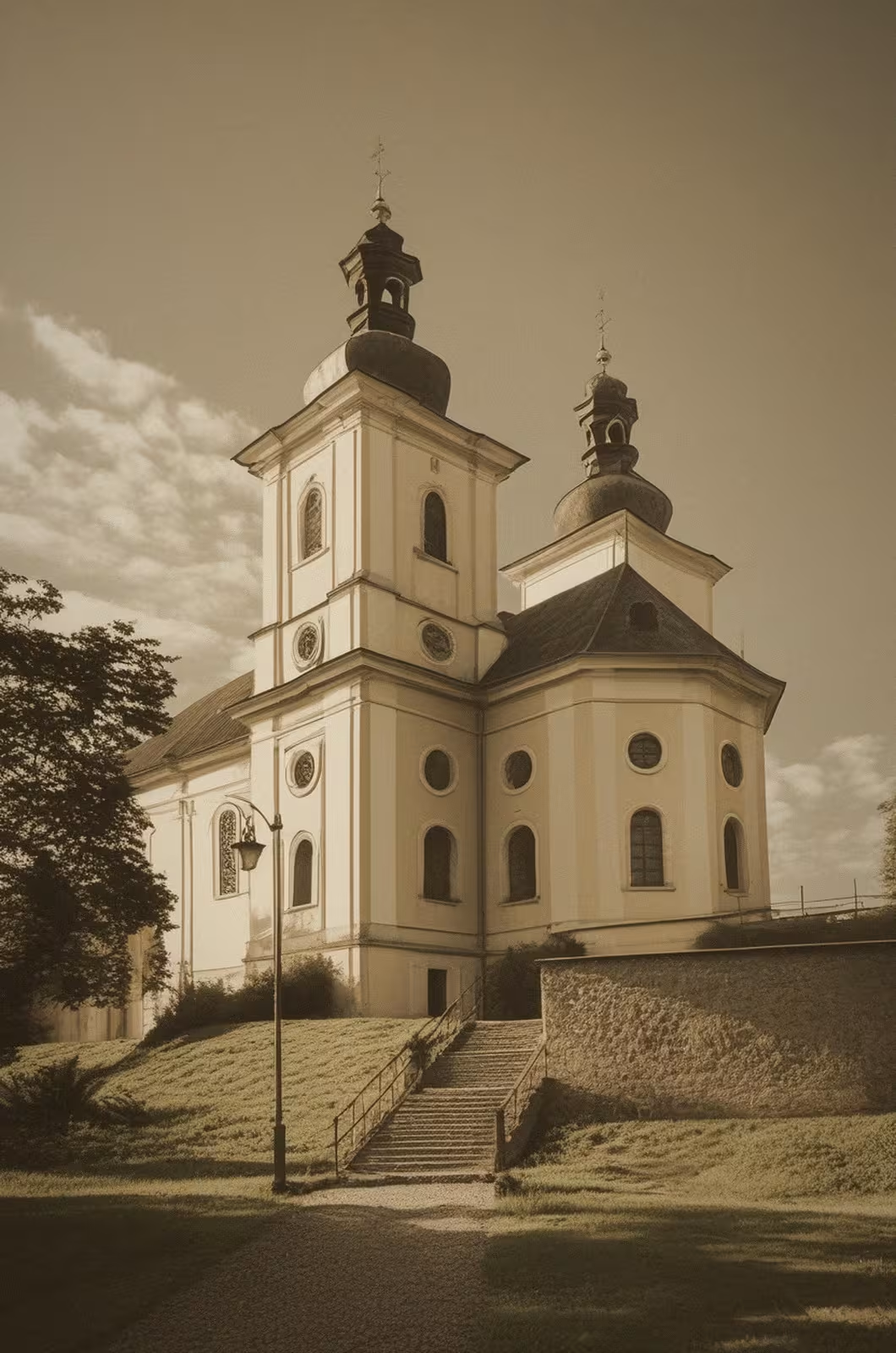
The historical appearance on the left is an AI-generated visualisation and serves as inspiration only.
Historical milestones
- X1286
- King Václav II granted the right to patronage to the Czech Order of Knights Hospital.
- 1290
- Patronage rights transferred to the Waldsassen monastery.
- 1311
- The Knights have acquired the right to patronage from the monastery.
- 1721
- Construction of the present Baroque church has begun.
- 1727
- Construction of the present Baroque church is complete.
- 1963
- Recognized as a cultural monument of the Czech Republic.
Architectural development
The original medieval church was replaced by a new Baroque building in the early 18th century. Johann Wolfgang Braunbock, known for its architectural work on the churches of the region, led this construction. The church has one boat with polygonal presbytery and a double tower, which represents typical baroque elements.
Historical events
In 1286, King Wenceslas II granted the church to the Czech Order of Knights of the Hospital Patronat.
The present Baroque building was built between 1721 and 1727.
Owners
the church was initially under the auspices of the Czech Order of Knights Hospital, which was transferred to the Waldsassen monastery in 1290, but it recovered the knights in 1311. Currently owned by the city Kynšperk nad Ohří.
Points of interest
- The exact location and appearance of the original medieval ancestor of the church remains a mystery, which suggests that it was probably near an ancient chateau that adds scheming to its historical narrative.
- In 1824 the fire damaged the original bell tower Church of the Assumption of the Virgin Mary; this led to its removal during repairs in 1854, which meant a significant change in the structure and history of the church.
- The church has a late Gothic statue of Madonna from the end of the 15th century, which emphasizes its connection with former artistic traditions, even though she is mainly a Baroque builder.
- In history, the church has played a decisive role in ownership crossings; After the initial contribution of the Czech Order of Knights of Hospital and the subsequent transfer to the Waldssasen monastery, the Knights regained it before finally becoming the property of the city.
- The statue of Assumpta in the church depicts Mary standing on the crescent, symbolizing her assumption to heaven, which is an important artistic representation reflecting religious motives from the period.
Guide
This guide is narrated by a synthetic voice generated by artificial intelligence.
Show guide text
This text was created by artificial intelligence and has not been editorially reviewed. It may contain inaccuracies.
Welcome to the historic place of the Church of the Assumption of the Virgin Mary in Kynbrilk nad Ohří. As you stand before this beautiful Baroque church, take a moment to absorb its nobility and elegance. The impressive facade church commands attention to its two towers reaching the sky, which is proof of the architectural fitness Johann Wolfgang Braunbock, which oversaw its construction between 1721 and 1727.
Let's immerse ourselves in history that led to this remarkable structure. Originally built on the site of an inappropriate medieval church, the Church of the Assumption of the Virgin Mary has roots dating back to the end of the 13th century, when King Wenceslas II granted patronage to the Czech knighthood Hospital in 1286. This connection was short because the rights were transferred to the Waldsassen monastery only four years later, only for the knights to get back to 1311. The construction of the present church began in 1721 when a new era was marked in Baroque style, which will be completed seven years later.
As you're at the crime scene, notice the single nave leading to the polygonal presbytery. This design option reflects functionality and aesthetic attraction typical of the Baroque period. The twins that add a symmetrical beauty to the church are particularly remarkable because they control the panorama and invite you to look up and appreciate their craftsmanship.
Several key characters and stories are linked to this site. King Václav The First Patronage II shows the meaning of church in the Middle Ages. Later Johann Wolfgang Braunbock played a key role in its transformation into the baroque masterpiece that we see today. The involvement of the Waldsassen monastery also underlines the shift in control and influence on religious sites at this time.
An interesting aspect of the Church of the Assumption of the Virgin Mary is the mystery surrounding its original medieval predecessor, who remains undiscovered. It is believed that it is located near the ancient chateau, adding a layer of historical scheming when we think about what secrets it might hold beneath our feet.
As you continue your research, consider how this church not only served religious purposes, but also stood as a symbol of cultural and architectural evolution in the region. Recognized as a cultural monument in 1963, its importance is undeniable.
We invite you to further explore the Kynjewelry above the Fire and reveal other stories in its historical structure. Thank you for joining us on this journey through time at the Church of the Assumption of the Virgin Mary.
Tips for visitors
The best time to visit the Church of the Assumption of the Virgin Mary is at the end of spring or early autumn, namely from May to September. During these months the weather is pleasant, so visitors can conveniently explore both the church and its surroundings. In addition, this period often coincides with local festivals and events that can improve your experience from the rich cultural heritage area.
Parking at Kynjewelry above Ohří is generally available, but it is advisable to check all restrictions or availability in advance. The city centre usually offers the possibility of parking, although spaces can be limited during the top tourist season. Public transport is available and can provide a comfortable alternative, local buses connect the city with nearby areas, making it easier to explore without difficulty in finding parking.
When visiting the Church of the Assumption of the Virgin Mary, consider with you comfortable walking shoes as you wish to explore the surroundings. A camera is recommended to capture stunning architecture and peaceful landscape. In addition, carrying a light jacket or sweater can be useful, especially in the evening when temperatures might drop.
For lovers of photography are the best places around the Church of the Assumption of the Virgin Mary during the golden hours - shortly after sunrise or before sunset. Soft lighting increases Baroque architecture and provides warmth of the surrounding landscape. Inside the church, the natural light filtering through the window window stained creates beautiful patterns that are ideal for photography.
Near attractions within 30 minutes include the chapel of the Olivet Mountain and the statue of the Virgin Mary Immaculate Conception, both recognized as cultural monuments. These pages offer other historical views and picturesque views, which is the perfect extension of your visit. For families with children, these sites provide educational opportunities and the involvement of outdoor space for exploration.
Businesses nearby
Do you run a restaurant, accommodation, shop, museum, rental, wellness or other visitor service near this monument? Show yourself directly to the people heading to it — this is how they will see you in the app and on the web:
Events nearby

Zdroj akcí: otevřená data měst a obcí ČR (Národní katalog otevřených dat) a kalendář akcí Národního památkového ústavu.
Nearby
Near is the chapel of the Olivet Mountain and the statue of the Virgin Mary of Immaculate Conception, both known as cultural monuments. The church is located near the historical site of the old chateau.
Accommodation nearby
Trips and activities nearby
Guided tours, tickets and activities nearby from GetYourGuide
Affiliate link: if you buy from the partner, we may receive a commission. The price for you does not change.
Search tours and activities →Themed route
Thematic walking tour: Kynšperk nad Ohří
1. Church of the Assumption of the Virgin Mary (Church of the Assumption of the Virgin Mary) - * Type: * Church - * Why to visit: * Start a tour in this amazing Baroque church, centerpiece Kynšperk nad Ohří religious and architectural heritage. The church is famous for its complex design and historical significance and offers visitors a view of the spiritual life of the region.
2. Chapel of Olivet Mountain - * Type: * Chapel - * Why Visit: * This chapel is located nearby, is an important cultural monument that complements your visit to the church. Its peaceful environment provides a peaceful retreat and offers a view of local religious traditions and artistic manifestations of the past centuries.
3. Statue of the Virgin Mary of Immaculate Conception - * Type: * Statue - * Why Visit: * This statue is another important cultural monument in the surroundings that celebrates Marian's devotion. It is proof of the rich spiritual history of the area and offers an opportunity to think about its religious topics.
4. Historical site of the old chateau - * Type: * Historic site - * Why Visit: * Close your tour in this nearby historical place that once served as a chateau. Although only ruins remain, they provide a fascinating view of the medieval past and the strategic importance of Kynjewelry over Ohří in regional history.
This thematic walking tour offers a comprehensive survey of the cultural and religious monuments of Kynjejnik nad Ohří and provides a view of its historical importance and architectural beauty.
Seasonal recommendations
Spring: Kynšperk nad Ohří offers in the spring district a live contribution to the Church of the Ascension Virgin Mary, where meadows are intended and which are shrubs of the best services for photography. Sunshine days take turns with these rains, which means the living part is new and new. This is an ideal which, on the basis of this fact, can be used, which can be used in the manufacture of these products, regardless of whether it is another product. Inventories should be converted into promotional services and not fully clothed, which are easy to gain. Despite the nature of the tourist activities at this time, the church was less visited by the general before they were published, offering a quiet and intimate experience.
Summer: In summer Kynšperk nad Ohří celebrates its main tourism zone, where there is a colic event in some forces. A sunny day and a warm spirit, which are intended for the Church of the Assumption of the Virgin Mary a attraction for the milestones of the countryside and history. The atmosphere is full of life, with tourists who are advised of the beauty of views and peace outside the main station. They should survive early in the morning or late in the afternoon to avoid the top of the crowd during the day. The warm rounded and sun protection are lofty to ensure a late overview of the sightseeing.
Autumn: Autumn in Kynjejk nad Ohří encourage a single atmosphere where forests and surrounding landscapes are coloured into living red, orange and light pasts. This season is wrapped with survivors for milestones of nature, which can be placed on other than superior items. The church appears in a romantic flood of state and public, meaning the ideal measure for photography. Inventory enterprises should be converted into cold conditions with production products and can carry out rainwork, in particular, which passes in numerous cases. Despite the low sweat of tourists in the confluence with summer facilities church available and offered liquid facilities for use.
Winter: The winter essentials of Kynjewellery over the Fire recalculating their own magic, when the Church of the Ascension of the Virgin Mary is dressed in a snow coat and illuminated by bright world rays. The atmosphere is calm and quiet, allowing its own beauty to historical monuments without superior crowds. Winter of data transfer of traffic opening and, inter alia, includes heart equipment, enumeration and gloves, for use in the context of the specified facts. Despite the cold, it is ideal for those listed in the Annex to this Decision.
Visualizations and artistic views


The visualisations are generated by artificial intelligence and serve as inspiration.
Photos from the area
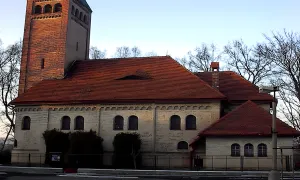
Real photos taken near the monument


Zdroj a licence jsou uvedeny u každého snímku.
Tips from visitors
No tips yet. Be the first!
Log in and add your tip.
Sources and literature
Fotografie: Lubor Ferenc / CC BY-SA 4.0 — Wikimedia Commons. The author and licence also appear when you hover over the image.
Faktickým podkladem tohoto textu byl článek na Wikipedii, jehož autory jsou přispěvatelé Wikipedie. Článek je dostupný pod licencí CC BY-SA 4.0.
Location on the map

Příběhy a pověsti
Legendy, pověsti a příběhy spjaté s touto památkou

Fotografie návštěvníků
Zatím žádné fotografie. Buďte první, kdo přidá fotografii z návštěvy!
Přihlaste se a přidejte svou fotografii nebo hodnoťte.
Za ověřenou návštěvu v aplikaci získáte víc bodů — poznáme podle GPS, že jste na místě.
Reviews and comments