






evangelický kostel ve Veselí Church
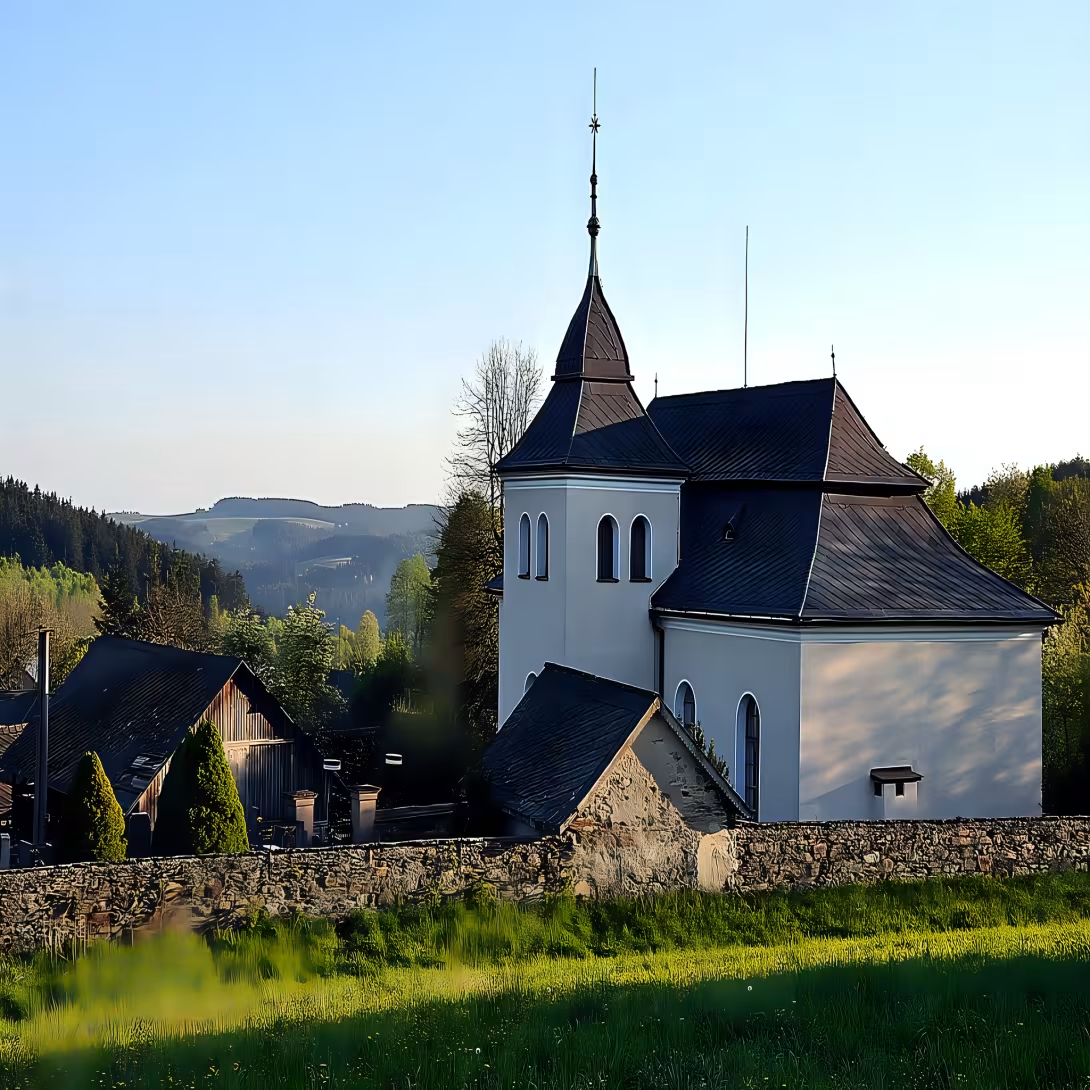
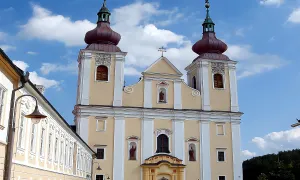
The Evangelical Church in Veselí is a significant historical monument located in Veselí u Dalečína, within the Žďár nad Sázavou district of Vysočina Region, Czech Republic. Constructed in 1782, this Protestant chapel symbolizes religious tolerance during the Habsburg era and reflects the resilience and growth of its community over centuries. As one of Moravia's oldest surviving structures, it holds historical richness despite its simple architectural style.
The church emerged from a period marked by significant changes within the Habsburg Monarchy, particularly following the issuance of the Tolerance Patent in 1781. This decree allowed non-Catholic Christians to practice their faith openly, marking a shift towards religious tolerance across Europe. In Veselí and its surroundings, secret non-Catholics registered for the Reformed confession shortly after this patent was issued. The first services were held under a linden tree at the end of May 1782, leading to the establishment of the Reformed congregation that same year. Tomáš Juren, a local folk preacher and teacher, played an instrumental role in guiding these developments.
Architecturally, the Evangelical Church was constructed according to guidelines set forth by the Tolerance Patent in 1783. It features flat windows and a mansard roof, typical of the period's design principles. The building underwent several expansions due to the growing number of congregants. By 1810, a second gallery had been added to accommodate more worshippers. Further enlargement and heightening occurred in 1840, accompanied by changes to the entrance location. In 1877, during renovations, the original flat windows were modified with half-circular arches. A significant renovation took place in 1928 when the surrounding area was lowered to prevent moisture intrusion, and a four-sided tower designed by architect Bohumír Kozák was added to the longer side of the church.
Throughout its history, the church has seen various changes in its interior arrangement and furnishings. Initially, the pulpit was positioned opposite the entrance but was relocated to one of the longer sides at the beginning of the 19th century. This adjustment contributed to a spatial layout typical for churches from the era of religious tolerance. The church retains original features such as a stone altar and baptismal font. In 1841, organs crafted by František Svítile, a member of the renowned organ-building Svítil family from Nové Město na Moravě, were installed.
The church's associated structures also reflect its historical significance. The first wooden parsonage was erected in 1783, with an annexed barn added in 1814. A new brick parsonage followed in 1830 and underwent modifications in 1908 when it was raised by one floor. Additionally, the cemetery established in the late 18th century saw expansions and renovations over time, including a stone wall erected around it in 1820.
Today, the Evangelical Church in Veselí stands as an enduring symbol of religious tolerance and community resilience. Its historical significance is underscored by its status as one of Moravia's oldest surviving Protestant chapels. Visitors can appreciate not only its architectural simplicity but also its rich history that reflects broader societal changes during a pivotal era in European history. The church remains accessible to those interested in exploring the legacy of religious tolerance and community development in this region.
Then and now
Drag the slider to compare how the landmark may have looked when it was built with the view today.
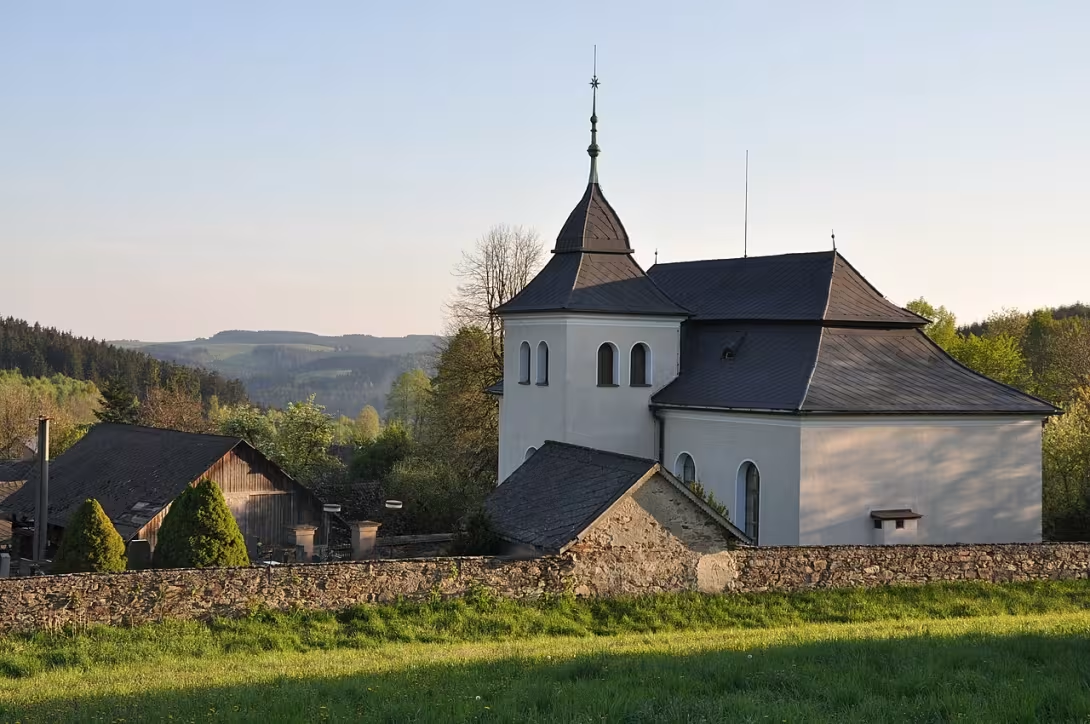

The historical appearance on the left is an AI-generated visualisation and serves as inspiration only.
Historical milestones
- 1781
- Vydání Patentu o Toleranci umožňující nekatolickým křesťanům volně praktikovat svou víru.
- 1782
- První služby pod lípou a založení reformovaného sboru v Veselím.
- 1783
- Postavení evangelického kostela podle pokynů Patentu o Toleranci.
- 1810
- Přidání druhé galerie pro zvýšení kapacity kostela.
- 1840
- Rozšíření a zdvižení stavby s změnou umístění vchodu.
- 1877
- Renovace s přestavbou plochého okna na polokruhové oblouky.
Architectural development
Originally built according to the Tolerance Patent in 1783, this chapel is one of Moravia's oldest surviving structures. Initially featuring flat windows and a mansard roof, it underwent several expansions due to increasing congregational size. Notable changes include the addition of a second gallery by 1810, enlargement and heightening in 1840, and significant renovations in 1877 and 1928 which included a new tower designed by Bohumír Kozák.
Historical events
In 1781, following the issuance of the Tolerance Patent, secret non-Catholics in Veselí and its surroundings registered for the Reformed confession.
The first services were held under a linden tree at the end of May 1782, marking the establishment of the Reformed congregation that year.
Points of interest
- The Evangelical Church in Veselí was initially used for services held under a linden tree at the end of May 1782, highlighting its humble beginnings before construction.
- Tomáš Juren, a local folk preacher and teacher, played an instrumental role in establishing the Reformed congregation in Veselí, reflecting his significant influence on the community's religious development.
- The church’s original flat windows were replaced with half-circular arches during renovations in 1877, indicating changes in architectural style over time while preserving historical elements.
- Organs installed in 1841 by František Svítile are a notable feature of the church, showcasing craftsmanship from the renowned organ-building Svítil family and adding to its cultural heritage.
- The cemetery associated with the Evangelical Church was expanded and enclosed by a stone wall in 1820, demonstrating ongoing community investment in maintaining sacred spaces.
Guide
This guide is narrated by a synthetic voice generated by artificial intelligence.
Show guide text
This text was created by artificial intelligence and has not been editorially reviewed. It may contain inaccuracies.
Welcome to the historic Evangelical Church in Veselí, a beacon of religious tolerance and community resilience nestled in the heart of Kraj Vysočina. As you stand before this modest yet significant structure, take a moment to absorb its serene presence—a testament to centuries of faith and perseverance.
The story of this church begins with an important decree: the Patent on Tolerance issued in 1781. This pivotal document allowed non-Catholic Christians to freely practice their religion within the Habsburg Empire. Just a year later, in 1782, the first services were held under a linden tree at the end of May, marking the humble beginnings of what would become a cornerstone for the Reformed congregation in Veselí.
Construction of the church followed shortly after these initial gatherings, completed in 1783 as per the guidelines set forth by the Patent on Tolerance. This structure stands today not only as one of the oldest surviving Protestant chapels in Moravia but also as a symbol of the community's enduring spirit and growth over the centuries.
As you gaze upon its architecture, notice the simplicity that belies its historical richness. The church underwent several modifications to accommodate its growing congregation: a second gallery was added in 1810, followed by an expansion and elevation of the building with a new entrance location in 1840. In 1877, it saw further renovation with the transformation of flat windows into semi-circular arches.
One cannot speak of this church without mentioning Tomáš Juren, a local folk preacher and teacher whose dedication was instrumental in establishing the Reformed congregation here in Veselí. His legacy is woven into the very fabric of this community, echoing through time as a reminder of passion and commitment to faith.
A fascinating tidbit about this church is its initial use for services held under a linden tree—a humble precursor to its current form. This detail highlights not only the resourcefulness but also the deep-rooted connection between nature and spirituality that characterized early Protestant gatherings in the region.
As you conclude your visit, I invite you to reflect on the layers of history encapsulated within these walls. Each stone tells a story, each beam holds a memory. Let this church inspire you to explore further, to delve deeper into the rich tapestry of Veselí's past and present. Thank you for joining us today; may your journey continue with curiosity and wonder.
Farewell until we meet again in another chapter of history.
Tips for visitors
The best time to visit the Evangelical Church in Veselí is during late spring or early autumn, when the weather is pleasant for exploring outdoor spaces without the summer crowds. These seasons offer a serene atmosphere that enhances your appreciation of the church's architecture and its surroundings. Additionally, visiting on weekdays can provide a more tranquil experience compared to weekends.
For those preferring public transport, there are options within reach; however, it's advisable to check current routes online for the most efficient journey. Bicycles are also a viable option given the area’s scenic routes.
When planning your visit, consider bringing comfortable walking shoes as you may want to explore the church and its immediate surroundings thoroughly. A camera is recommended to capture the architectural details of the church, especially during golden hour when the light beautifully illuminates its façade. Don’t forget a water bottle and perhaps a hat or sunscreen for protection against the sun.
For photography enthusiasts, the best spots are around the front entrance and the surrounding gardens where the morning and late afternoon light accentuates the church’s features. The soft natural lighting during these times highlights the intricate details of its architecture.
It's an excellent place to explore after visiting the church, offering cultural insights and picturesque landscapes.
Families with children will find the visit enjoyable as there are open spaces around the church suitable for a leisurely walk or picnic. The area’s peaceful environment is conducive to family bonding, and it can be a great opportunity to discuss local history and architecture in an engaging way.
Frequently asked questions
Can the monument be visited?
Religious buildings are usually open mainly during services; at other times a visit is normally arranged with the parish or the operator. We have not verified specific times.
Where is the monument?
Location: Veselí, Kraj Vysočina. The map on this page shows the exact spot.
Why is the monument protected?
It is listed in the Central List of Cultural Monuments of the Czech Republic as a cultural monument (register no. 37303/7-3994).
Businesses nearby
Do you run a restaurant, accommodation, shop, museum, rental, wellness or other visitor service near this monument? Show yourself directly to the people heading to it — this is how they will see you in the app and on the web:
Accommodation nearby
Themed route
Tematická výletní trasa: Evangelický kostel ve Veselí
1. Evangelický kostel ve Veselí
Typ: Náboženská památka
Proč stojí za návštěvu: Tento historický kostel je významnou architektonickou památkou s bohatou historií, která přitahuje návštěvníky svým jedinečným barokním stylom a duchovní atmosférou. Je to ideální místo pro ty, kteří mají zájem o historii místního evangelického kostela.
2. Obecní úřad Veselí
Typ: Městský úřad
Proč stojí za návštěvu: Navštívte obecní úřad, abyste se dozvěděli více o historii a současném fungování vesnice. Zde můžete získat cenné informace o místních událostech a aktivitách, které přispívají k životu obyvatel Veselí.
3. Náves ve Veselí
Typ: Veřejný prostor
Proč stojí za návštěvu: Náves je centrem vesnického života, kde se setkávají lidé a probíhají různé místní akce. Je to ideální místo pro relaxaci a pozorování každodenního života v Veselí.
4. Vesnický kostel
Typ: Náboženská památka (pokud se liší od hlavního cíle)
Proč stojí za návštěvu: Pokud existuje další kostel v Veselí, nabízí další pohled na místní architekturu a historii. Je to příležitost prohlédnout si jiné duchovní místo a porovnat je s hlavním cílem trasy.
5. Místní park nebo zelená plocha
Typ: Veřejný prostor
Proč stojí za návštěvu: Prozkoumejte místní park nebo zelenou plochu pro relaxaci a užití přírody. Je to ideální místo pro krátké procházky, pikniky či prostě pro odpočinek v klidu vesnického prostředí.
Tato trasa nabízí komplexní pohled na Veselí, kombinující historickou architekturu s místním životem a přírodou.
Seasonal recommendations
Spring: The arrival of spring breathes new life into the Evangelical Church in Veselí, with its surroundings adorned by blooming flowers and lush greenery that enhance the natural beauty of the area. This season offers a gentle atmosphere as the weather begins to warm up, making it an ideal time for outdoor photography enthusiasts who wish to capture the church against a vibrant backdrop of spring colors. Visitors are advised to bring comfortable walking shoes for exploring the surrounding nature trails and perhaps light layers in case of cool breezes. While the number of visitors is moderate, arriving early can provide more tranquil moments to appreciate both the church's architecture and its serene environment.
Summer: During summer, the Evangelical Church in Veselí becomes a popular destination due to its inviting atmosphere and longer daylight hours that allow for extended exploration. The lush landscape around the church reaches its peak vibrancy, offering picturesque settings for visitors. This is also the time when local flora is most abundant, adding to the charm of the area. Visitors should plan their visit earlier in the day or later in the afternoon to avoid crowds and enjoy a more peaceful experience. Comfortable clothing suitable for warm weather, along with sun protection such as hats and sunscreen, is recommended to ensure an enjoyable outing.
Autumn: Autumn presents a unique opportunity to witness the Evangelical Church in Veselí amidst a tapestry of golden hues and rich earthy tones as the leaves change color. The cooler temperatures create a cozy atmosphere that enhances the historical ambiance of the church. This season offers fewer visitors, making it an excellent time for those seeking a more intimate experience with the architecture and history of the site. Wearing layers is advisable to accommodate fluctuating temperatures throughout the day. Exploring nearby trails can be particularly rewarding during this period when nature’s palette provides stunning vistas.
Winter: Winter transforms the Evangelical Church in Veselí into a serene, almost mystical destination as snow blankets the landscape, creating a picturesque setting that highlights its architectural details. The shorter days mean visitors should plan their visit earlier to make the most of daylight hours and capture the church's beauty against the stark winter backdrop. Due to cooler temperatures, it is essential to dress warmly with layers, including hats, gloves, and scarves, to ensure comfort during your exploration. While fewer people venture out in this season, those who do often find a peaceful and reflective atmosphere that enhances their connection to history and nature alike.
Visualizations and artistic views


The visualisations are generated by artificial intelligence and serve as inspiration.
Photos from the area
Real photos taken near the monument

Zdroj a licence jsou uvedeny u každého snímku.
Tips from visitors
No tips yet. Be the first!
Log in and add your tip.
Sources and literature
Photos: Ben Skála / CC BY-SA 3.0, rozlišení zvýšeno umělou inteligencí — Wikimedia Commons. The author and licence also appear when you hover over the image.
Faktickým podkladem tohoto textu byl článek na Wikipedii, jehož autory jsou přispěvatelé Wikipedie. Článek je dostupný pod licencí CC BY-SA 4.0.
Location on the map


Příběhy a pověsti
Legendy, pověsti a příběhy spjaté s touto památkou
Příběh: evangelický kostel ve Veselí
Bylo to v pondělí ráno, kdy Jakub Zelenka zjistil, že jeho srdce vážně nevydrželo další okamžik. Slzy se mu tiskly do očí a skrz temné pláště padaly první pa…
Číst příběh
Pověst: evangelický kostel ve Veselí
Traduje se, že Tomáš Juren v onu památnou jarní noc roku 1782 nespal. Chodil od okna k oknu své chalupy a naslouchal, jak vítr přebírá listy na starých třešn…
Číst příběhFotografie návštěvníků
Zatím žádné fotografie. Buďte první, kdo přidá fotografii z návštěvy!
Log in a přidejte svou fotografii nebo hodnoťte.
Za ověřenou návštěvu v aplikaci získáte víc bodů — poznáme podle GPS, že jste na místě.
Reviews and comments