



Fara (Kbel) Parish house
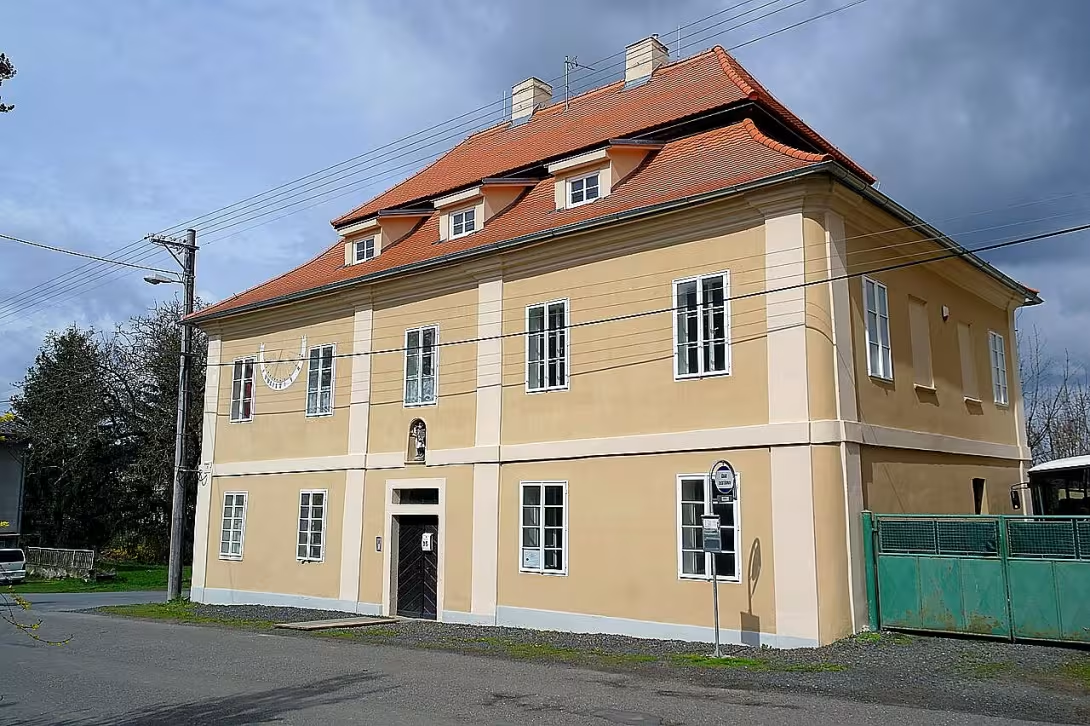
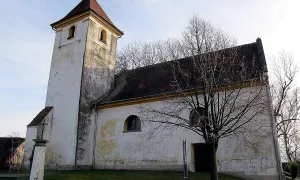
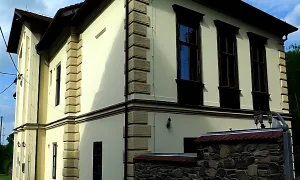
Fara in Kbel is a late Baroque building in the middle of the village in the Pilsen-south district. It belongs to the cultural monuments of the Czech Republic. The building from 1764-1765 is remarkable in its architectural style and historical value. Františka Augusta z Törring-Jettenbachu, who restored the parish administration in the area, was responsible for its creation.
The history of the rectory is closely linked to the Baroque period. At that time, churches and paras were expanded and reconstructed throughout Europe. In the Czech Republic, the Baroque was a dominant architectural direction, which is reflected in the form of a Kbel rectory. The construction was originally built on four and five window axes. However, the exact date of its establishment is questionable and varies in historical sources.
The architectural parish in Kbel represents a late Baroque. The single-storey construction is covered with a Mansard roof, which gives the building a characteristic look. The facade is divided into corners and ends with a crown ledge. A statue of Jan Nepomuk was placed above the stone portal with the skylight, but later removed. Ground floor spaces are decorated with a rolling vault with lunettes, while upstairs are flat-ceiling rooms.
Property and farm management have undergone several changes. The original investor was Františka Augusta z Törring-Jettenbachu, which restored the parish administration in Kbel in the 18th century. Over the years, the building belonged to the Roman Catholic parish of Máčín and later managed the parish of Švihov near Klatov before it eventually became part of the parish in Přeštice. In 2006 the building was offered for sale and is now privately owned.
Key events include construction in 1764-1765, repairs to chimneys and window boards in 1897 or electrification in 1941. In 1913, Father František Frydrych complained about the bad condition of the building. After failed reconstruction attempts, the National Heritage Institute issued the necessary permission for further repairs in 2007.
Today the Kbel rectory is a cultural monument, which is behind the visit due to its historical value and architectural features. The building is an interesting example of the late Baroque and is an important element of the local heritage. Visiting this monument helps to better understand the history and architecture of the area, which makes the Kbel rectory a valuable destination for culture lovers.
Historical milestones
- 1764-1765
- Construction of the late Baroque farm building
- 1897
- Repair of chimneys and windows
- 1913
- _
- 1941
- Execution of electrification of the object
- 2006
- Offer of the object for sale
- 2007
- Issue of permission for repairs from the National Heritage Institute
Architectural development
Fara was built in the late Baroque style between 1764 and 1765. In the 1930s, there were minor structural modifications, while damaged chimneys and window tables were repaired in 1897. At the beginning of the 20th century, the building was in poor condition, which led to the complaints of the priest František Frydrý in 1913.
Historical events
- 1764
- The beginning of the rectory.
- 1897
- Repair damaged chimneys and window boards.
- 1941
- The electrification of the object.
Owners
Františka Augusta z Törring-Jettenbachu (18th century), Roman Catholic parish Mecchín, Švihov u Klatov, at the same time under parish in Příštice
Points of interest
- The Kbel rectory is a late Baroque building from 1764-1765. - It is a cultural monument of the Czech Republic and belongs to its historical monuments. - The Františka Augusta z Törring-Jettenbachu was responsible for its creation, which restored the parish administration. - Architecturally it represents a late Baroque with a single-storey structure and a Mansard roof. - Owning and administration have undergone several changes, now privately owned.
Guide
Show guide text
This text was created by artificial intelligence and has not been editorially reviewed. It may contain inaccuracies.
Welcome to the Kbel. Stop for a moment, take a deep breath and forget the rush of today. Right now, you're standing in front of one of the silent but very important witnesses of local history. In front of you is the rectory building, which, by its presence and appearance, defines the very center of the village. If you look at her, you may see the peace and stability that this house has been radiating for hundreds of years. It is a place where, for centuries, spiritual administration has been confronted with the daily life of the village, where important community issues have been addressed and where the person responsible for the spiritual leadership of the local population has found refuge.
Let us now go back in time for more than two centuries together, to a time when everything was perceived differently, both globally and aesthetically. This building was built in the years of seven hundred sixty-four and those of seven hundred sixty-five. It was a time when in the European space and in our countries it culminated and slowly moved into a late stage style called the Baroque. The late baroque brought some nobility to the landscape, but also an effort for harmony and balance. The creation of the Kbel rectory was not a random construction project. A person named Františka Augusta z Törring-Jettenbachu took credit for its construction and overall restoration of the parish administration in this area. Thanks to her influence, support and will, this house could have been created and served as a dignified seat for the vicar. Imagine how at that time this new, white building in the centre of the village had to affect the people at that time. It was a symbol of order, stability and care for the spiritual needs of the community.
Now pay full attention to the very appearance of the building in front of you. Look at its overall structure. It is a single-storey object that is very balanced. Notice the roof first. It's a so-called Mansard roof. If you look at it carefully, you'll see that it's not a simple straight slope, but it's characteristic broken. This type of roof was very popular at the time because it made it possible to use the space under the roof more efficiently, which could serve as a residential or storage room, while also supplying a specific, elegant and slightly urban profile to the building.
Now look at the facade, the front wall of the house. Notice how the corners of the building are broken down. These details in the corners are not only an ornament, but provide the facade with depth, rhythm and feeling of strength. The entire upper edge of the building ends with a crown ledge. It's the fine, rising hem that, like a frame, closes the wall towards the sky and separates it from the roof. Now please look down to the stone portal, the main entrance to the building. It was here in the past that one of the most important ornaments of the whole house was found. There was a statue of St. John Nepomuk standing over the entrance, here in the stone, watching over all who entered the parish. Although this statue was later removed and will not be found here today, in your mind you can imagine it as a silent guardian who welcomed visitors and parishioners.
When you stand in front of these walls, remember how many generations of people have passed through them over the centuries. The parish building is not only a static piece of stone and plaster, but a living organism that has been changing and adapting to the times. Historical records tell us interesting stories about the maintenance and care of this house, which reveal even the minor details of life back then. Around the year a thousand eight hundred and ninety-seven were here to repair the chimneys and replace the glass in the windows. It may sound like a banal thing, but at the time, it meant a major improvement in comfort, so that in the winter months in the house the heat would remain and clean light would enter the rooms.
A little later, in the year one thousand nine hundred and thirteen, however, time proved to work relentlessly against the building. The priest then filed a complaint about the poor technical condition of the building. Try to imagine what wet walls, bursting plaster or wobbly floors were like at the time, calling for help and repair. It was a period when Baroque beauty began to struggle with the reality of wear and tear. Another big break in the life of the building came in a thousand nine hundred forty-one. That's when the electricity was put in the rectory. Imagine the moment when electric bulbs first lit up in these old Baroque spaces and replaced old candles, kerosine lamps or oil lights. It was a real entry into the modern age that changed the way the house lived and worked.
In the newer days of the rectory, it has undergone other changes that reflect changes in our social system. In the year two thousand and six, the building was offered for sale, which opened up discussions about its future role in the village and how to preserve its historical value. A year later, in the year two thousand seven, a repair permit was issued from the National Heritage Institute. This is a very important detail because it confirms that the Kbel parish is not just an ordinary old house, but is officially recognised as a cultural monument of the Czech Republic. It is therefore one of the historical treasures of our country to be protected and maintained for future generations. It is fascinating to think that this building, which survived the Great War, changes in state regimes and periods of technical decline, is still in the centre of the village and reminds us of the time of the late Baroque and the importance of the parish administration.
This building carries secrets for many years. Who went through all the silent passages? What did the priests talk to the locals about? What hopes and fears were expressed in these walls? Although the statue of St. John Nepomuk is no longer above the portal, the spirit of this place remains. Fara in Kbel is a bridge between the past and the present, a silent witness to how a small village became the place we know today.
Now that you know the story of this building, and you know what to focus on, I suggest you go around it quietly again. Feel the atmosphere of this place, touch the facade with a look at the details and think about how many prayers, joy and worries have taken place in these walls. Look again at the broken roof and the stone entrance, and imagine how life was unfolding here two years ago.
Thank you for accompanying me on this short trip to the history of the Kbel rectory. I hope this view of the building helped you see it in a new light. Now invited to further explore the surroundings, to walk through the streets of the village and to discover other hidden corners and monuments that carry inside the stories of our ancestors. I wish you a pleasant continued journey and many new discoveries. Say goodbye to this baroque pearl and go on to the beauty of the Earth and the clergy that Kbel and its surroundings offer you. Goodbye.
Tips for visitors
The best time to visit is the season around spring or autumn when the light for shooting the facade is most suitable. To capture details of baroque architecture and the Mansard roof, we recommend a visit when the sun directly illuminates the corner of the building.
You can reach the monument by car or via public transport. Please check current connections and traffic options in internet search engines or mobile applications before travelling.
For a comfortable experience we recommend taking drinking water and shoes suitable for walking around the village. It is good to be prepared to walk within the historical centre.
For the best photos we recommend looking for a position from which it is good to see the layout of the facade in corners. Soft daylight highlights the shape of the roof and the historical structure of the building.
For families with children, a tour of the surrounding area of this historic building is a quiet activity within a short trip. Since there are no other places to visit in the immediate vicinity, we recommend paying attention to the architecture of the building itself.
Frequently asked questions
Can the monument be visited?
This is a residential or farm building, not a museum with opening hours. Please view it from public space and respect the owners' privacy. We have no information about access to the interior.
Why is the monument protected?
It is listed in the Central List of Cultural Monuments of the Czech Republic as a cultural monument (register no. 1000123063).
Businesses nearby
Do you run a restaurant, accommodation, shop, museum, rental, wellness or other visitor service near this monument? Show yourself directly to the people heading to it — this is how they will see you in the app and on the web:
Events nearby
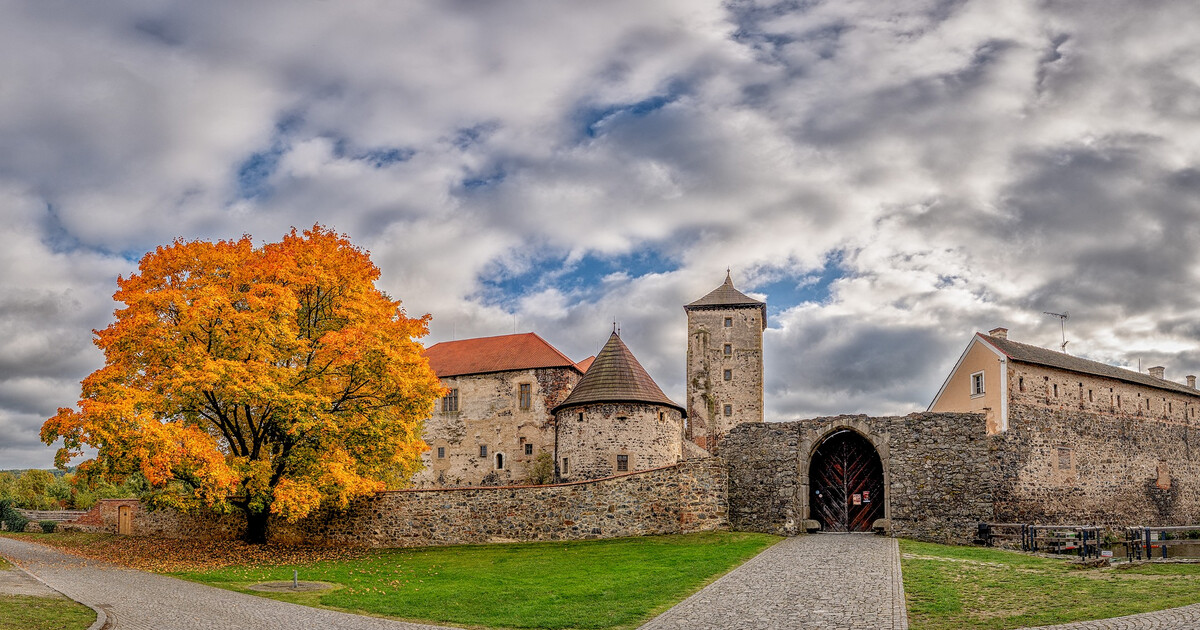
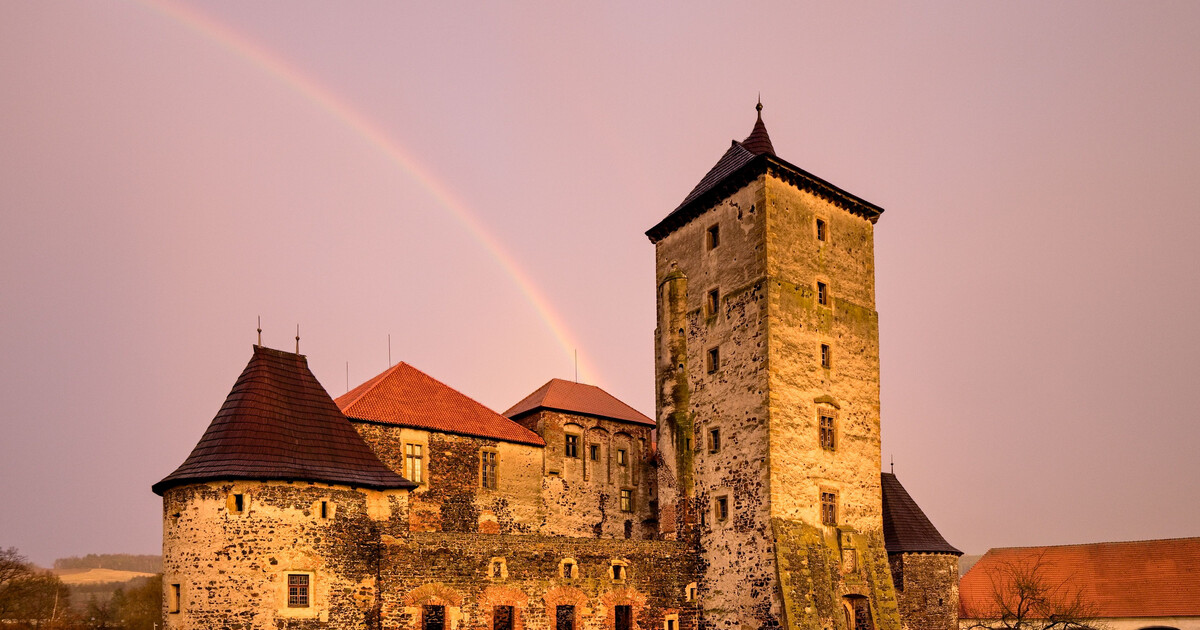
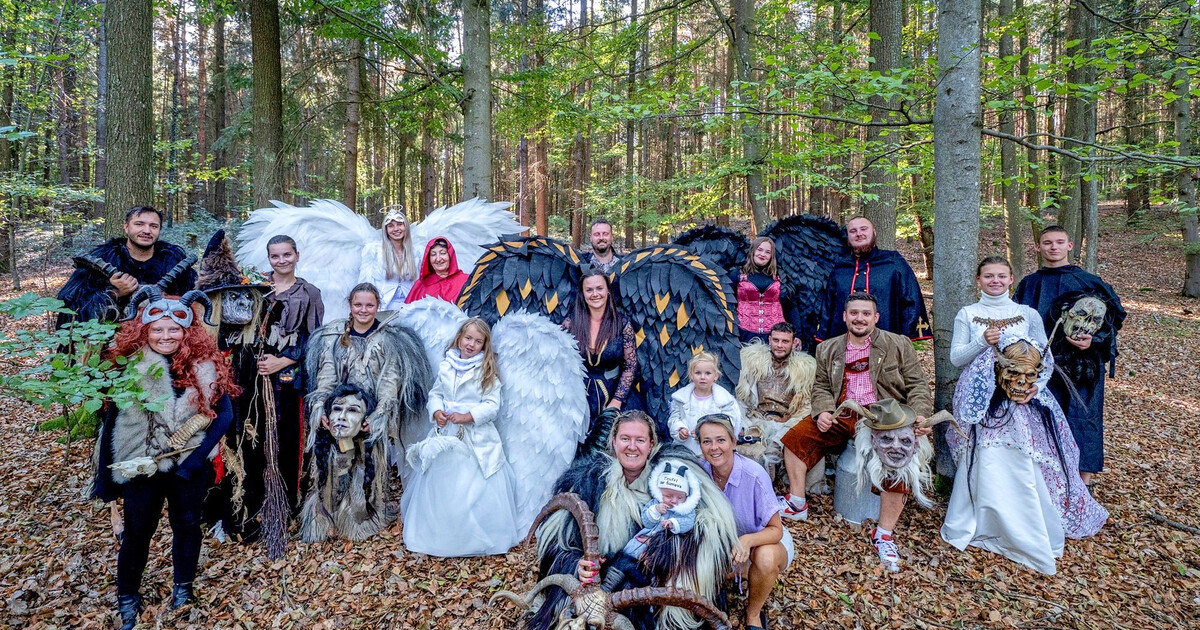
Zdroj akcí: otevřená data měst a obcí ČR (Národní katalog otevřených dat) a kalendář akcí Národního památkového ústavu.
Nearby
🏰 Historic sites (106)
- Zámek Měčín 3.0 km
- Svatý Jan Nepomucký 3.2 km
- Svatý Jan Nepomucký 4.9 km
- Skála 5.0 km
- Oběti 2. sv. války 5.1 km
- Zámek Červené Poříčí 5.1 km +420 376 393 022 web
- sv. Jan Nepomucký 5.1 km
- 1.sv. 5.3 km
- Zámek Újezd 5.5 km
- Zámek Otín 5.5 km
- sv. Jan Nepomucký 5.6 km
- Starý zámek Mecholupy 5.8 km web
- Pomník Českolovenské armádě 5.8 km
- sv. Jan Nepomucký 6.0 km
- Hradiště Jindřín 6.1 km
- sv. Jan Nepomucký 6.8 km
- Zámek Josefa Hlávky v Lužanech 6.8 km
- Kokšín 7.0 km
- Celtic oppidum 7.5 km
- Zámek v Příchovicích 7.7 km
🍽️ Restaurants and dining (107)
- Hostinec Lázně Zálesí 4.7 km +420724905052
- Hospoda na koupališti 4.9 km +420776014538
- Hospoda u Kaiserů 4.9 km +420 773 446 161;+420 773 830 940 web
- Česká koruna 5.3 km
- U Trnků 5.5 km
- U Lišků 5.8 km +420 721 462 295
- Švihovský dvůr 5.9 km nám. Dr. E. Beneše 200
- Švihovský dvůr 5.9 km
- Restaurace U Hradu 6.0 km +420 604 567 603
- Hradní krčma U Zdeničky 6.0 km +420 723 158 504 web
- Kulturní Dům 6.3 km
- Restaurace 7.5 km
- Občerstvení na koupališti Letiny 7.6 km +420731390745
- Restaurace Letiště 8.8 km
- Klub U dědy 9.0 km
- Café Volf 9.0 km
- Restaurace a pivovar U Přeška 9.2 km Masarykovo nám. 311 +420736111133 web
- U Zlatého jelena 9.2 km
- Přeštická stodola - hudební bar 9.2 km +420 777 574 476
- Bolešinská hospoda 9.4 km
🏨 Accommodation (22)
- Švihovský dvůr 5.9 km nám. Dr. E. Beneše 200
- Švihovský dvůr 5.9 km nám. Dr. E. Beneše 200
- Středisko Letiny 6.7 km +420 775 552 922 web
- Václav Král - ARVEX 8.9 km +420 602 421 866
- Hotel Volf 9.0 km
- Penzion U Jezu 9.1 km +420 603 252 249
- Ubytování Žinkovy U Zlatého jelena 9.2 km Žinkovy 29 +420 705 001 426 web
- U Franty 9.4 km Poděbradova 393 web
- Statek česká lípa 9.8 km
- Rozvoj 11.7 km +420 376 311 609 web
- Rozvoj 11.7 km +420 376 311 609 web
- Beránek 11.8 km +420 376 312 348;+420 604 285 942 web
- Hotel Ennius 12.1 km +420376320567 web
- Nový Rybník 12.1 km
- Kemp Nový rybník 12.3 km +420371591336 web
- Autocamping Klatovy 12.4 km
- U Parku 12.5 km +420 376 310 083
- Klatovský Dvůr 12.6 km +420 376 321 517 web
- Sport 12.8 km Domažlická 609/III +420 376 310 910; +420 376 310 751; +420 602 429 413; +420 602 439 809 web
- Hotel Karafiát 13.1 km +420 376 310 321
🚲 Rentals and sport (10)
- Velovis 6.0 km
- sportovní hala 11.6 km
- Cyklosport-pitstop.cz 11.7 km
- Jizdni 11.8 km
- Husky 11.9 km
- Krytý plavecký areál Klatovy 12.4 km
- Intersport 12.5 km
- Mercandinovy sady 12.7 km web
- Centrum míčových sportů 13.2 km +420 376 361 813 web
- Vodní nádrž Ptenín 14.6 km
🥾 Hiking and nature (150)
- Luh 2.0 km
- Holý vrch 3.1 km
- Loupensko 3.4 km
- Stará Pec 3.6 km
- Na Smetu 3.8 km
- Ošupaná 3.9 km
- Ptín 4.2 km
- Černý les 4.3 km
- Chlumec 4.5 km
- Skalka 4.5 km
- Na Hůrce 4.7 km
- Úlehle 5.1 km
- Vosavsko 5.2 km
- Taneček (Lužanská Hora) 5.4 km
- Nevěrná 5.5 km
- Stramchyně 5.9 km
- Jindřín 6.1 km
- V Držalech 6.4 km
- Rampich 6.4 km
- Špitál 6.5 km
Accommodation nearby
Trips and activities nearby
Guided tours, tickets and activities nearby from GetYourGuide
Affiliate link: if you buy from the partner, we may receive a commission. The price for you does not change.
Search tours and activities →Themed route
Trip path to Fara (Kbel)
1.Fara (Kbel) - Type: Religious construction - Why is it worth visiting: This parish is an example of Baroque architecture with rich history and beautiful interior. It's a central point for understanding local spiritual life and culture.
2. Kbel Garden - Type: Green area - Why it is worth a visit: This garden is an ideal place for a quiet moment near nature, where you can enjoy beautiful flower orchards and a view of the surrounding countryside. It's the perfect place to relax after visiting the rectory.
3. Kbel Park - Type: Local park - Why is it worth a visit: The park offers beautiful pavement and views that are ideal for walking or picnic. It is also a place where you can see local animals and enjoy the peace of nature.
4. Kbel Library - Type: Cultural institutions The library is a great place for those who want to know more about Kbel's history and culture. It offers various books and materials about the region that may be a source of inspiration or knowledge.
5. Kbel Church - Type: Religious construction - Why is it worth visiting: In addition to the rectory it is another important religious monument in the area. Its architecture and history add the depth of understanding of local spiritual life.
This route offers a comprehensive view of the cultural, religious and natural aspects of Kbel.
Seasonal recommendations
In the spring, the Kbela rectory shines new greenery and blossoming trees. The atmosphere is full of hope and the morning light gently hits the historic walls. We recommend arriving in the morning when the air is the cleanest. Put on a lighter jacket because it can still be cold in the shade of old buildings.
The summer season brings radiant sun and deep shadows around the building. The environment is quiet and sleepy, which is ideal for short walks. Light, breathable clothing and head protection are suitable.
Autumn covers the memory with golden colours of leaves and morning fog, which give the place a mysterious touch. Light is soft and warm at this time, which highlights the details of the facade. It is practical to wear moisture resistant shoes and a warm sweater. The best time to visit is late afternoon when nature looks the most colorful.
In winter, there is silence in the Kbels and a freezing calm that can be underlined by a layer of snow. The atmosphere is cramped and intimate, especially in advent time. Don't forget very warm clothes and tight shoes. Due to the shorter day and limited traffic, we recommend checking the actual time of entry in advance.
Visualizations and artistic views

The visualisations are generated by artificial intelligence and serve as inspiration.
Photos from the area
Real photos taken near the monument


Zdroj a licence jsou uvedeny u každého snímku.
Tips from visitors
No tips yet. Be the first!
Log in and add your tip.
Sources and literature
Photos: Jklamo / CC BY-SA 4.0 — Wikimedia Commons. The author and licence also appear when you hover over the image.
Faktickým podkladem tohoto textu byl článek na Wikipedii, jehož autory jsou přispěvatelé Wikipedie. Článek je dostupný pod licencí CC BY-SA 4.0.
Location on the map
More monuments – Plzeňský kraj
Show all in the region

Příběhy a pověsti
Legendy, pověsti a příběhy spjaté s touto památkou
Fotografie návštěvníků
Zatím žádné fotografie. Buďte první, kdo přidá fotografii z návštěvy!
Log in a přidejte svou fotografii nebo hodnoťte.
Za ověřenou návštěvu v aplikaci získáte víc bodů — poznáme podle GPS, že jste na místě.
Reviews and comments