



Fara (Mcely) Parish house
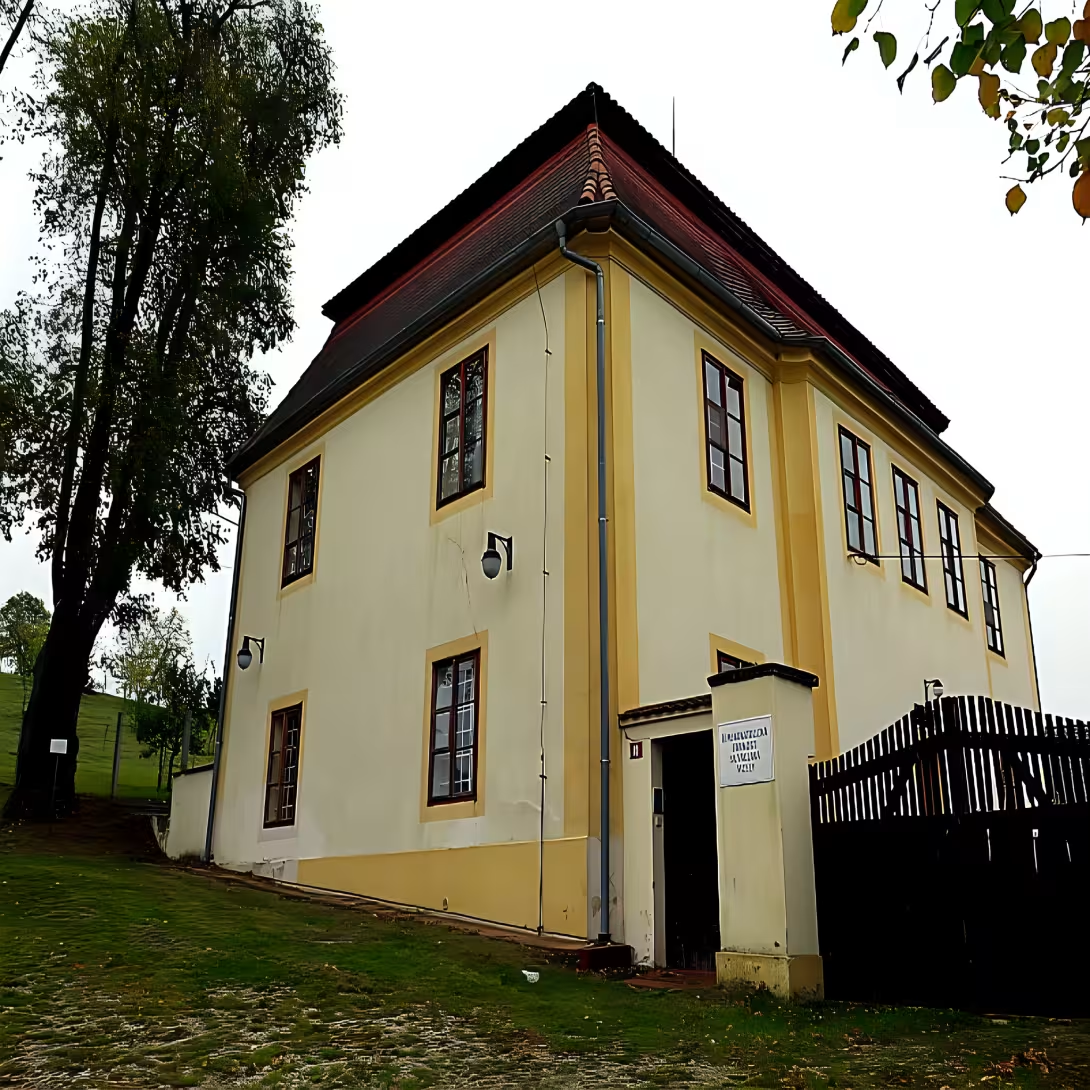
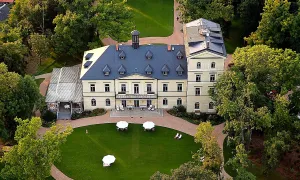
The Fara in Mcely is a historic parish house located in the village of Mcely, near the Church of St. Wenceslas in the Nymburk district. Built in the 16th century, this Baroque-style building has undergone significant transformations over the centuries. Declared a cultural monument in 1965, the Fara is a notable example of Czech architecture and history.
The Fara was built in the 16th century, a time of great change in Bohemia, as the Protestant Reformation swept through the region. The original construction is not well-documented, but it underwent a Baroque reconstruction reflecting the cultural and architectural trends of the time. This transformation is evident in the building's design and features.
The Fara's architecture features a rectangular floor plan, a southern entrance with a sandstone portal, and a mansard roof with a profiled facade. The interior boasts a cross-vaulted entrance hall and other rooms with vaulted or cross-vaulted ceilings. A wooden staircase with a profiled facade leads to the upper floor and the cellar with brick vaults.
The Fara has undergone significant changes over the centuries, but little is recorded about its earliest history. Its current state is a result of its Baroque reconstruction and subsequent restorations. In 2000, the facade underwent repairs to ensure the building's continued preservation.
Located in the village of Mcely, near the Church of St. Wenceslas, the Fara is an integral part of the local community. Today, it remains an important cultural monument, offering a glimpse into the region's rich history and architectural heritage. Visitors can explore the building's interior and appreciate its unique design and features.
The Fara's significance lies in its ability to showcase the evolution of Czech architecture and the impact of historical events on the region. As a cultural monument, it serves as a reminder of the country's complex past and its continued importance in the present. Visitors to the Fara can experience the rich history and cultural significance of this remarkable building, making it a must-visit destination for those interested in Czech history and architecture.
Then and now
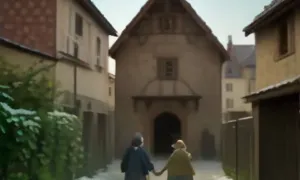
Drag the slider to compare how the landmark may have looked when it was built with the view today.
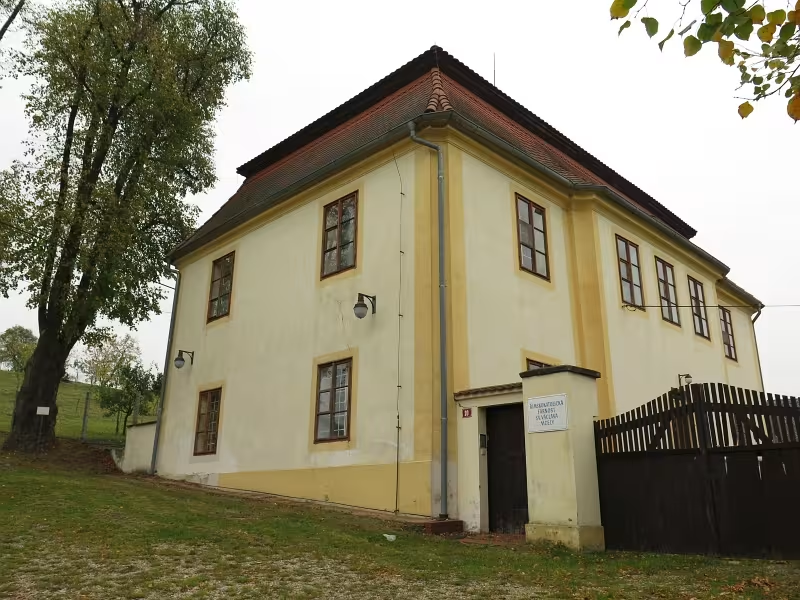
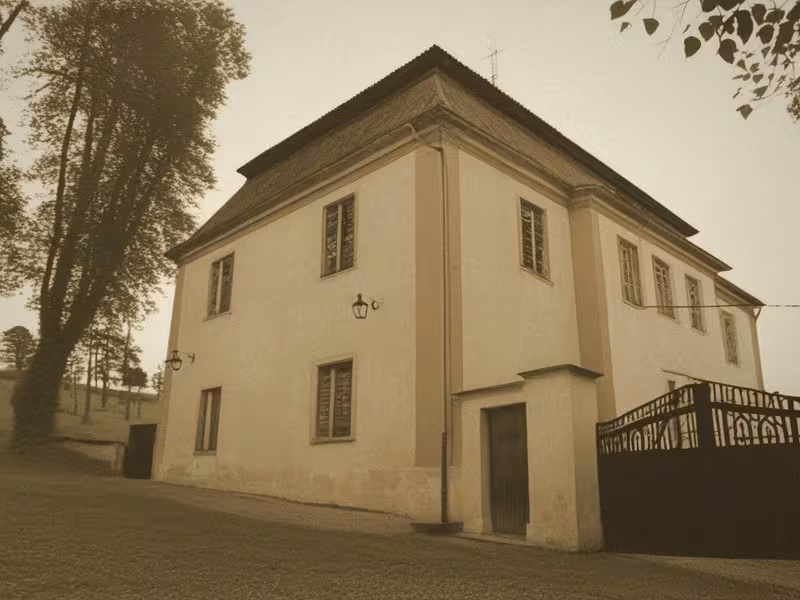
The historical appearance on the left is an AI-generated visualisation and serves as inspiration only.
Historical milestones
- 16th century
- Built in the 16th century
- 1965
- Declared a cultural monument
- 2000
- Facade underwent repairs
Architectural development
The building underwent a Baroque reconstruction after its initial construction in the 16th century. The facade features a sandstone portal and a mansard roof with a profiled facade. The interior includes a cross-vaulted entrance hall and other rooms with vaulted or cross-vaulted ceilings.
Historical events
- 16th century
- Built in the 16th century
- 1965
- Declared a cultural monument on December 31, 1965
- 2000
- The facade was repaired in the year 2000
Points of interest
– The Fara in Mcely is a historic parish house located in the village of Mcely, near the Church of St. Wenceslas in the Nymburk district.
– Built in the 16th century, this Baroque-style building has undergone significant transformations over the centuries.
– The Fara was built in the 16th century, a time of great change in Bohemia, as the Protestant Reformation swept through the region.
– The Fara's architecture features a rectangular floor plan, a southern entrance with a sandstone portal, and a mansard roof with a profiled facade.
– In 2000, the facade underwent repairs to ensure the building's continued preservation.
Guide
Show guide text
This text was created by artificial intelligence and has not been editorially reviewed. It may contain inaccuracies.
Welcome to the historical memory of Mcely, where you are now in front of an important parish, whose beautiful lines and rich history await them to be discovered. This sacral building, which stands close to St. Wenceslas's Church, is an excellent example of the architectural changes and historical events that shaped this place. What do you see in front of you? The Mansard roof is covered with bobbies with windows'.
Let's go into history. This rectory has its roots in the sixteenth century, when it was built at a time when the local community sought a new home for its faith and traditions. Later, she witnessed a baroque reconstruction, which transformed her architecture fundamentally into the form we know today. In 1965, this building was officially recognized as a cultural monument and has since become not only a place of religious importance, but also a historical value for the whole area.
Look up on the roof. Mansard construction with beaver is a characteristic element that gives the building its distinctive identity. On the south side, notice the sandstone portal and the triple risotto with walled windows, which are details that contribute to its unique facade. The interior of the rectory offers wealth of architectural solutions: various types of vaults - cross, rolled and flat - which increase its aesthetic and structural value.
Although particular architects are not known, it is undoubtedly that this rectory is the work of many anonymous artists and craftsmen whose work has left a permanent print on the landscape of Mcely. Although specific historical figures are not directly connected to this building, it is clear that many generations of the local community have walked through its doors and shared their most important moments here.
The interesting thing about this monument is its ability to overcome the time period when it was built. Although they carry traces of six centuries, they remained alive and functional thanks to careful repairs such as the reconstruction of the facade carried out in 2000. This monument not only maintains its historical essence, but also serves as a local centre of spiritual life and culture.
Now that you've noticed its key elements, by inviting them to explore the surroundings. Think about the historical context in which this rectory evolved, and imagine the lives of the people who served or prayed here. It's a place full of stories and traditions that await discovery.
Thank you for your visit to this historic monument in Mcely. We hope that you felt at home here and that you will love every moment you spend in front of this beautiful parish. May your next adventure in Central Bohemia fill you with the same sense of appreciation and wonder. We look forward to meeting you again!
Frequently asked questions
Can the monument be visited?
This is a residential or farm building, not a museum with opening hours. Please view it from public space and respect the owners' privacy. We have no information about access to the interior.
Where is the monument?
Location: Mcely, Středočeský kraj. The map on this page shows the exact spot.
Why is the monument protected?
It is listed in the Central List of Cultural Monuments of the Czech Republic as a cultural monument (register no. 1000144317).
Businesses nearby
Do you run a restaurant, accommodation, shop, museum, rental, wellness or other visitor service near this monument? Show yourself directly to the people heading to it — this is how they will see you in the app and on the web:
Nearby
The Fara is situated in the village of Mcely, near the Church of St. Wenceslas.
Accommodation nearby
Themed route
Mcely Heritage Trail
The main attraction of this trail is Fara (Mcely), a historic landmark situated in the heart of Mcely village, near the Church of St. Wenceslas.
1. Church of St. Wenceslas: This beautiful church dates back to the 18th century and is an essential part of Mcely's cultural heritage. Its stunning architecture and peaceful atmosphere make it a must-visit. 2. Village Square: The charming village square is surrounded by picturesque cottages, offering a glimpse into traditional Czech life. Take a stroll around the square to soak up the local charm. 3. Fara (Mcely): This historic fara, or farmhouse, has been beautifully preserved and now serves as a museum showcasing the region's agricultural heritage. Explore its exhibits to gain insight into the lives of rural communities.
This trail offers a unique glimpse into Mcely's rich history and culture, with each stop providing a fascinating experience for visitors.
Seasonal recommendations
In spring, the Fara in Mcely is surrounded by awakening nature and fresh greenery, creating a vibrant and hopeful atmosphere. The soft, morning light is ideal for capturing the architectural details of the building. Visitors should wear layered clothing to adapt to fluctuating temperatures and are encouraged to arrive early to enjoy the peace before the weekend crowds arrive.
During the summer, the site is bathed in intense sunlight, highlighting the well-maintained condition of the structure against a backdrop of lush, deep green foliage. The atmosphere is lively and warm, making it a great time for a leisurely stroll. To avoid the peak midday heat and the largest crowds of the high season, it is best to visit in the early morning hours while wearing light, breathable fabrics.
Autumn brings a nostalgic mood to Mcely, as the surrounding trees turn golden and orange, complementing the historical character of the Fara. The misty mornings and soft, golden hour light provide a dramatic setting for photography. Practical footwear and a waterproof jacket are recommended for the damp ground, and late afternoon visits are ideal for experiencing the most colorful scenery.
In winter, the Fara takes on a quiet, contemplative character, often framed by frost or a blanket of snow. The atmosphere is serene, especially during the advent period when the site feels particularly cozy.
Visualizations and artistic views


The visualisations are generated by artificial intelligence and serve as inspiration.
Photos from the area
Real photos taken near the monument

Zdroj a licence jsou uvedeny u každého snímku.
View from the area
This animation was generated by artificial intelligence from a real photograph of the surroundings. The motion and details are not real footage of the location.
Tips from visitors
No tips yet. Be the first!
Log in and add your tip.
Sources and literature
Photos: Sovicka169 / CC BY-SA 4.0, rozlišení zvýšeno umělou inteligencí — Wikimedia Commons. The author and licence also appear when you hover over the image.
Faktickým podkladem tohoto textu byl článek na Wikipedii, jehož autory jsou přispěvatelé Wikipedie. Článek je dostupný pod licencí CC BY-SA 4.0.
Location on the map



Příběhy a pověsti
Legendy, pověsti a příběhy spjaté s touto památkou
Fotografie návštěvníků
Zatím žádné fotografie. Buďte první, kdo přidá fotografii z návštěvy!
Log in a přidejte svou fotografii nebo hodnoťte.
Za ověřenou návštěvu v aplikaci získáte víc bodů — poznáme podle GPS, že jste na místě.
Reviews and comments