






Kostel svatého Václava (Mcely) Church
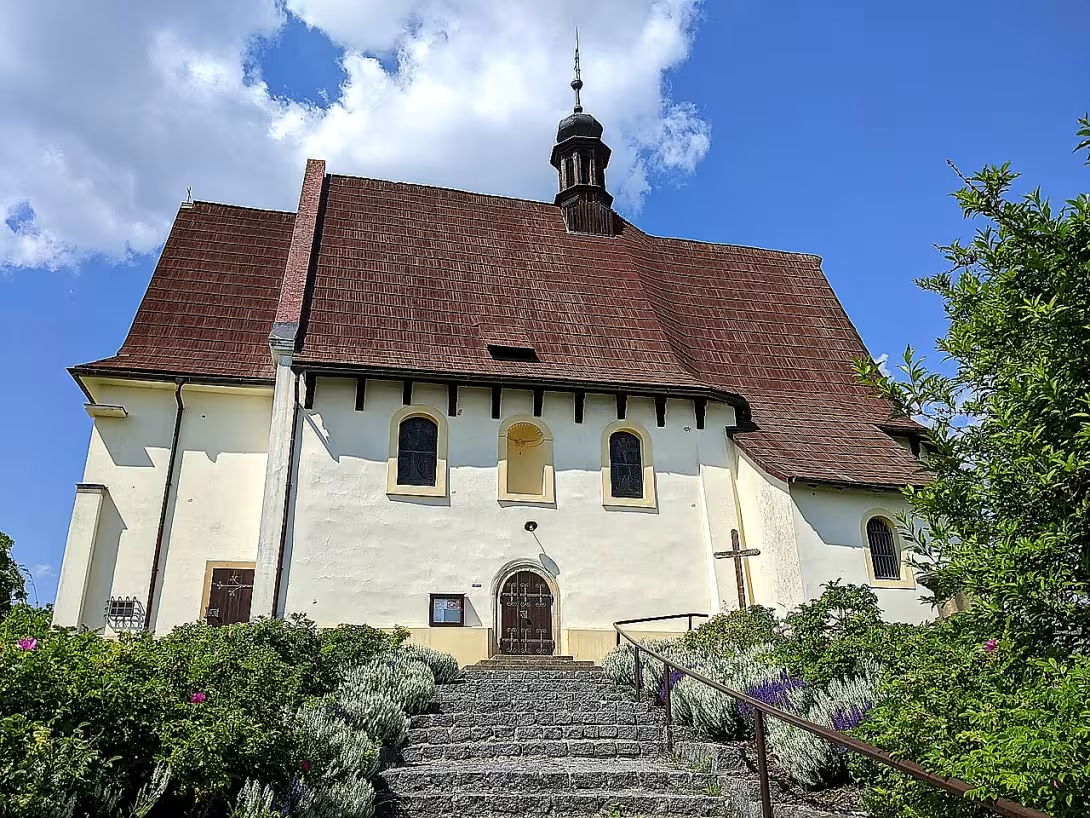
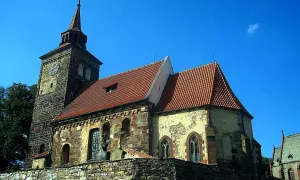
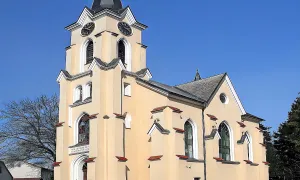
St. Wenceslas Church is one of the oldest buildings in Mcelí. It is believed to have been built around 1384. During his existence he recorded major events - in 1652 he burned down, but already in the following year his renewal started. In the restoration of 1653, the church ship, which adopted the elements of Baroque architecture, made changes.
The construction is a one-ship rectangular construction with a gothic presbytery closed by five sides. The presbytery is glazed with a beautifully preserved cross rib arch, at which end are radiant arc broken arches. The church ship is covered with a wooden beam ceiling. The Baroque portal in the south side of the ship dates back to 1653 and has a niche with a statue of St. Wenceslas from 1700. The stained windows in the church are a modern piece - they were created in 1930 according to the design of Cyril Bouda.
Next to the church stands a separate wooden bell tower with wooden floor and walled ground floor. In the past, the ground floor served as a morgue. There is a Wenceslas bell in the bell stool on the floor, which was in 1631 in the workshop Václav Hytych in Mladá Bloslav from the remains of the original bell destroyed by the fire. There used to be a smaller Vojtěch bell, which was lost during World War II and has been missing ever since.
The church keeps a number of sights. In the ship used to be a statue of Madonna and Jesus, which is linked to a case from 1834 when a small fire broke out in the church. The vitrine in which the statue stood was damaged, but nothing happened to the statue itself, and some times it was referred to as a miracle. The statue remained in the church until 1991 when it was damaged by thieves. It was subsequently transferred to a diocesan depository in Litoměřice for security purposes. Today, a photograph of the statue is framed. The main altar in the church is baroque with a classical mensa.
Under the church there is a rectory, and on the village stands a statue of St. John Nepomuk and crucifix from 1830. The church is oriented towards the east and still serves the faithful - services are held here on Saturday at 8 a.m. and Sunday at 7 p.m..
Then and now
Drag the slider to compare how the landmark may have looked when it was built with the view today.
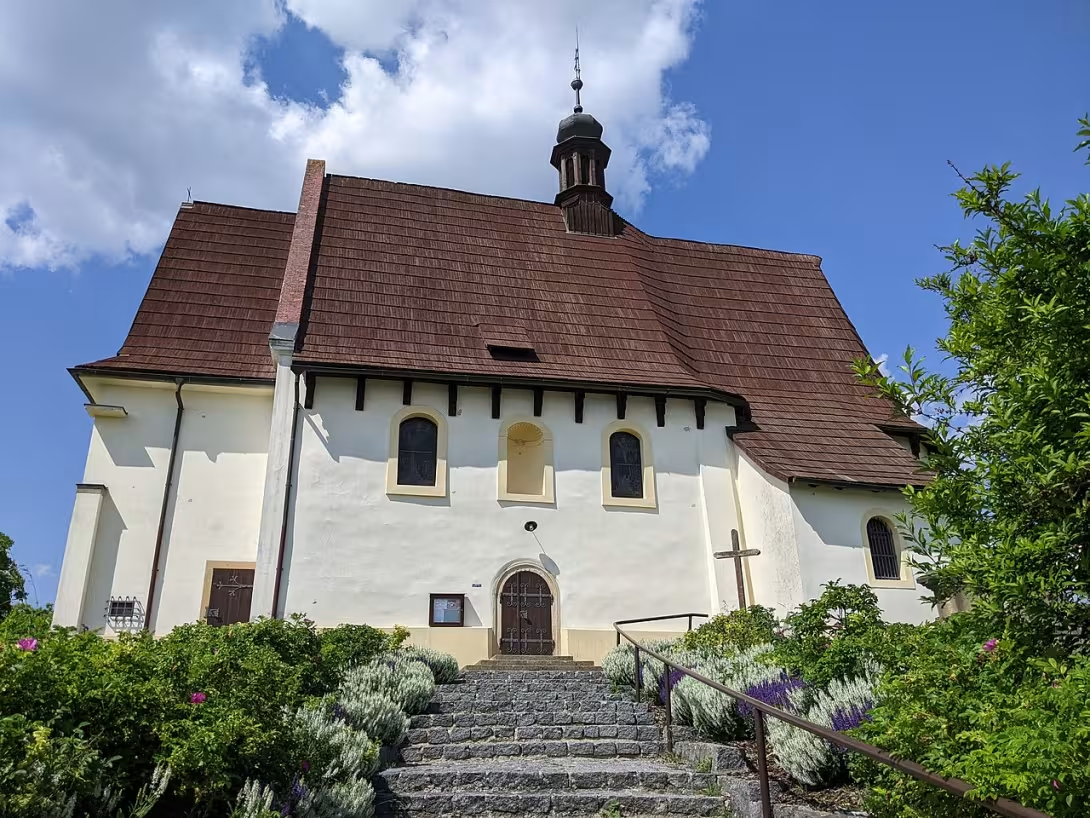
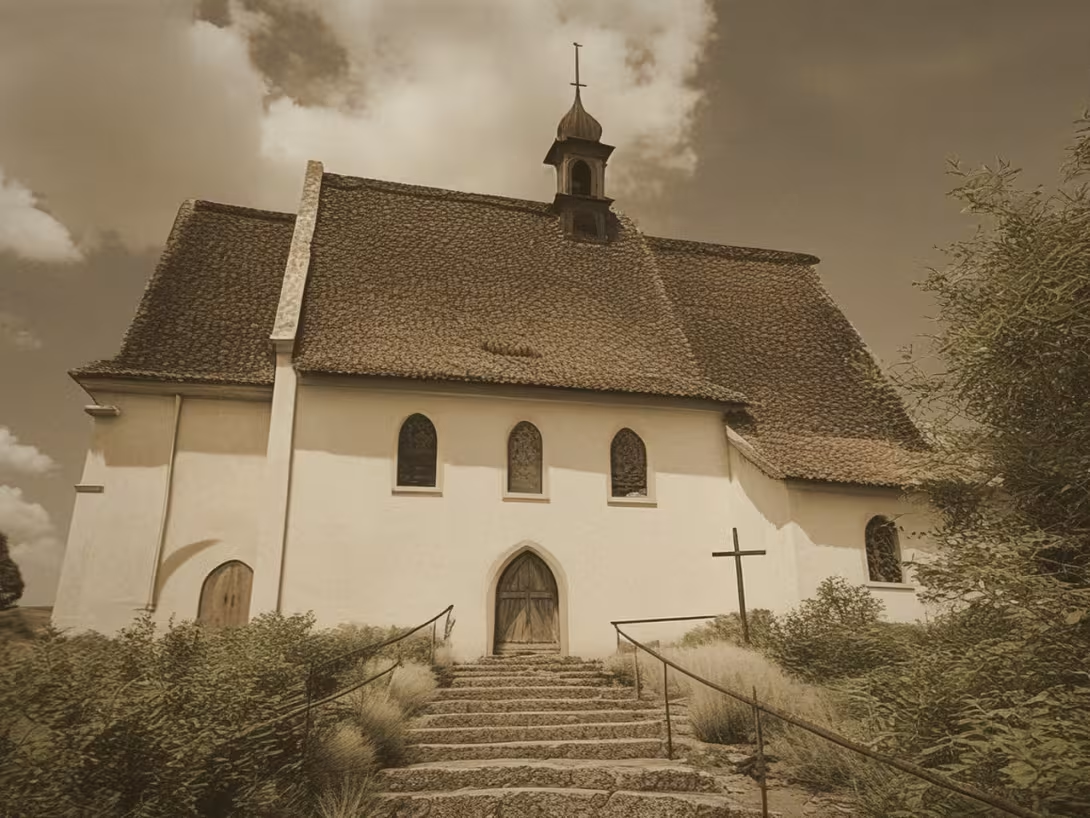
The historical appearance on the left is an AI-generated visualisation and serves as inspiration only.
Historical milestones
- 1384
- The first written mention of the church, a probable year of its foundation as a Gothic building.
- 1652
- The church burned down, subsequently restored and the boat rebuilt in Baroque style.
- 1653
- The creation of a Baroque portal with a niche of the statue of St. Wenceslas.
- 1930
- The stained glass windows were created according to the design of Cyril Bouda.
Architectural development
Original Gothic single-boat construction with five-sided presbytery and sacristy on the north side. After the fire in 1652 the boat was rebuilt in Baroque style, the Baroque portal and the niche with the statue of St. Wenceslas were added. The presbytery preserved the gothic vault, the ship has a wooden beam ceiling. The stained glass from 1930 is a modern addition.
Historical events
1384 - First written mention of the church, likely year of its foundation.
1652 - The church burned down, subsequently rebuilt and rebuilt in Baroque style.
1631 - Destroyed by the fire of the original bell, replaced by the bell Václav from 1653.
1930 - Made stained glass windows according to the design of Cyril Bouda.
Points of interest
- The church of St. Wenceslas in Mcelí is a one-ship building with a gothic presbytery which is glassed by a preserved rib arch with radiant broken arches at the end.
- The Baroque portal from 1653 on the south side of the ship has a niche with a Baroque statue of St. Wenceslas from 1700.
- The bell Václav was smoked in 1631 in Mladá Bloslav the remnants of the original bell which burned in the fire in 1652.
- There was a statue of Madonna and Jesus in the church's boat, linked to the story of a small fire in 1834, where the statue was supposedly saved as a "miracle.".
Guide
This guide is narrated by a synthetic voice generated by artificial intelligence.
Show guide text
This text was created by artificial intelligence and has not been editorially reviewed. It may contain inaccuracies.
Welcome to the mill. Stop for a moment, take a breath and feel the peace and quiet of this place. You are standing in front of the parish church of St. Wenceslas, which is a silent witness to centuries of history in the heart of the Central Bohemia Region. In front of you is a building that carries traces of various epoch, from strict Gothic to playful Baroque and modern elements of the twentieth century. The first impression this building is likely to give you is a sense of stability and endurance. It's a place where a spiritual dimension has come together with human work and where every layer of masonry tells its own story.
Let us now return together in time to make this monument clearer. Imagine a landscape over six styles ago. The first written mention of this church dates back to 1384. It is this year that we consider the probable time to establish it. At that time, goth was in fashion, a style that was directed toward heaven, to divine light and to nobility. The church was then built as a one-ship building, which means that its main space consists of one spacious ship that led the believers directly to the altar. This simplicity was typical in those times for parish temples in smaller settlements, but at the same time deep symbolism of man's journey to God was stored in it.
Now, I want to ask you to focus on the architecture you see before you. If you look at the eastern part of the building, you'll see a presbytery. That's the end part of the church where the altar is located. Notice it's five-sided. It is in this part that the most significant elements of the original Gothic architecture are preserved. If you could look inside at this point, you would see a fascinating rib arch. It's a so-called arched ceiling where the stone ribs cross and carry the weight of the ceiling. At the end of this vault are then radiated broken arches that provide space for dynamics and lightness. It is the real jewel of the medieval craft that survived centuries in almost original form.
But history is not only about creation, but often about testing and restoration. Let's move forward in time to the mid-seventeenth century. In 1652, the church met a tragic event when it burned down. The fire left deep wounds in the building, but it also opened the way for a new era. The church was subsequently renewed and there were significant baroque modifications at this time. The Baroque brought new emotions, decorating and a sense of victory to architecture. The church ship was rebuilt during this period to fit the new spirit of the time.
Now please focus on the south side of the ship. Notice the portal here, the entrance to the temple. This Baroque portal was created in 1653, shortly after the Great Fire. It is a detail that is worth paying attention because in it you will find a niche with a statue of St. Wenceslas. This statue dates back to 1700 and represents the patron saint of Czech countries in its noble form. When you look at it, see how baroque art could express faith and authority through plastic shapes and a game of light and shadow on the surface of the material.
When you go around the church like that, you might wonder if there are even newer layers of history. The answer is aphromatic. Although the foundation of the building is medieval and baroque, the church breathes also for the 20th century. In 1930, stained windows were created. Their author was a respected artist named Cyril Bouda. The stained glass is a fascinating element because it changes the inner atmosphere of the temple depending on the position of the sun. The light that passes through the coloured glass creates a game of colors and shadows in space, which helps visitors to reflect and to relax. It's a beautiful contrast to robust Gothic vaults and baroque statues.
In addition to architecture and art, this place has been associated with one sound interest that has accompanied the life of the inhabitants of Mcel for years. It's a bell called Václav. The church bell is not just a tool to ring for worship, but a voice of the community. The bell Václav refers to the same saint who guards the entrance to the temple. Imagine how this sound lay through the countryside for centuries, announcing joy, sadness, and warning of danger. It's an invisible but powerful element of the identity of this place.
Now, when you look around you, you realize that this church is not just a building of stone and mortar. It's a layered record of time. From 1384, through the ashes of a fire from 1652, through the baroque enthusiasm of the late seventeenth century to the modern vision of Cyril Bouda from 1930. All these layers coexist here in harmony. It is fascinating how the gothic rigour of the presbytery completes with the baroque tenderness of the portal and how modern glass vitrates connect the past with the present.
Now that you know the story of this place, I suggest you go all the way around the church. Feel the light changing on the walls and look for the details we talked about. Look again at the five-sided presbytery oriented towards the east, towards the sun, which in Christian architecture was a symbol of hope and resurrection. Notice the Baroque portal and try to imagine the people who entered the temple with it 300 years ago.
That concludes our short journey through the history of St. Wenceslas' church in Mcelí. I hope this interpretation helped you see more than just an old building in this building and that you found traces of human effort, faith and art in it. Now, you're left with space for your own examination. You can stop in silence in front of the statue of St. Wenceslas, or just be inspired by the atmosphere of this historic place.
I wish you a pleasant rest of the journey and many other discoveries in our beautiful region. Goodbye.
Tips for visitors
{'name': 'Best time to visit', 'text': 'Church of St. Wenceslas is the most pleasant to visit in the morning when there is a quiet and pleasant light. The ideal period for visiting is in spring or autumn, when there is a pleasant temperature outside and nature around the church is full of beauty. In summer you can expect more visitors, so book more time to visit this time. In winter, the church is interesting thanks to its inner facilities and quiet atmosphere.'}
{'name': 'Parking and transport', 'text': 'The church is easily accessible by car, since there are plenty of parking places in the vicinity of Mcel. It is recommended to park in a rectory or on a village where there are plenty of vacancies. If you arrive by public transport, the stop is close to the church, but the current connection should be checked in the traffic search engine. In the vicinity of the church there are no specific parking lots reserved only for visitors of monuments, so it is good to arrive on time.'}
{'name': 'What to take with you', 'text': 'When visiting the church take on comfortable clothes and shoes because the inside of the church is often colder than the outside temperature. It is also recommended to take a small towel or handkerchief because some parts of the church may be wet. If you are planning to take pictures, bring a larger focus lens that allows you to capture the details of the inner device. Do not forget also the money for any admission fee that is paid on site.'}
{'title': 'Photography - best places and light', 'text': 'Best places for photography are presbytery with its Gothic cross vault and the main ship of the church where the original architecture is preserved. For quality images, natural light from window holes is ideal, which emits soft light. It is recommended to take pictures in the morning or at sunset when the light is most pleasant. The inside of the church is well lit, but for detailed pictures of old stonework details it is advisable to use a tripod and longer exposure time'}
{'name': 'What to visit in the surroundings (within 30 minutes drive)', 'text': 'In the vicinity of St. Wenceslas church in Mceles is worth visiting several interesting places. The interesting thing is a wooden bell tower with a walled floor, which served as a morgue. Near the church is a statue of St. John Nepomuk and crucifix from 1830, which are located on the village. Another interesting thing is the rectory under the church, which can offer more information about the history of the place. If you have time, you can also visit the chateau in Mcelí, which is located in the vicinity of the church.'}
{'name': 'Tips for families with children', 'text': 'For families with children, a visit to St. Wenceslas's Church in Mcelí is interesting because of its historic atmosphere and possibilities for discovery. Children can explore Gothic architecture and try to estimate the age of the church. There is plenty of room around the church for short walks and games. The bell tower and statue of St. John Nepomuk can be an interesting topic for conversations about history and religion. It is also recommended to visit the rectory where children can obtain further information and perhaps even meet the local vicar.'}
Frequently asked questions
Is Kostel svatého Václava (Mcely) open to the public?
Yes, the church is open to the public. The best visiting time is from 9: 00 to 5: 00.
How do I get to the place by car / public transport?
The location is available by car on road III / 0005, which leads from Mělnik. Parking is possible in front of the church or nearby area. Urban transport is not available.
How much is the entrance fee and is it paid on the spot?
Payment is made inside the church.
Is the tour suitable for children and seniors?
Yes, the tour is also suitable for families with children and seniors. The church has flat stairs which are accessible to all visitors.
How long does the tour take?
The tour takes approximately 30 minutes. You can also sit down and relax in the nearby area.
What are the opening times and booking is required?
The church is open daily from 9: 00 a.m. to 5: 00 p.m. Reservation is not necessary, but if you want to visit the church with a guide, you must order it in advance.
What's interesting in the immediate vicinity?
In the immediate vicinity there is a mill cemetery where other historical monuments can be found. The town of Mělík with its historical centre is also nearby.
For kids
Imagine coming back 642 years, until the church of St. Wenceslas was still young and full of life. A day like this would be called 1384.
How did it look here? The church stood in the cemetery above the rectory as if it were the Queen's coronation. And who lived here? Pilgrims who came from all over the country to pray and seek comfort in difficult times. These people valued the church because it was their refuge from danger.
Businesses nearby
Do you run a restaurant, accommodation, shop, museum, rental, wellness or other visitor service near this monument? Show yourself directly to the people heading to it — this is how they will see you in the app and on the web:
Nearby
Bell tower - wooden prism tower with brick floor (morgue) and wooden floor.
Statue of St. John Nepomuk and crucifix from 1830 on the village.
The rectory under the church.
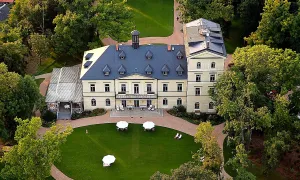
Chateau in Mcelí (the exact location around the church is not mentioned, but is mentioned in official annotation).
Accommodation nearby
Themed route
I propose a thematic walk in the village Mcely, which connects the main destination and all available attractions from the surroundings.
1.Kostel svatého Václava (Mcely) Type: church Why it is worth a visit: This main objective is the dominant of the whole village and represents the historical and spiritual centre of the place. Its architecture forms the picturesque landscape of Podblanicka and Nymburska.
2. Zvolnice - wooden prism tower with brick floor (morgue) and wooden patrem Type: Bell tower and morgue Why it is worth a visit: Located in the immediate vicinity of the church and captures its unique combination of walled ground floor and wooden floor. It is an example of traditional folk construction.
3. Fara under churches Type: rectory Why is it worth a visit: The building is located just below the church and historically completes the church background of the parish. It's a valuable part of a local historical development.
4. Statue of St. John of Nepomuk and crucifix from 1830 on the vyxZ0ZX Type: sacral monument Why is it worth visiting: These monuments at the village commemorate the deep godliness of our ancestors. The crucifix from 1830 together with the statue forms an important artistic element of public space.
5. Chateau in Mcelích Type: lock Why is worth a visit: The chateau is located near the church and surrounded by a large area. It is an ideal place to end a walk through historical monuments of the village.
Seasonal recommendations
Spring in Mcelí brings awakening nature, when the surrounding forests and the chateau park shine with lush greenery and flowering messengers of spring. The lighting is clear and clean thanks to the lengthening days, which gives the Church of St. Wenceslas an optimistic atmosphere and a calm atmosphere after winter sleep. During this period you will not meet large crowds of tourists, so you will enjoy the tour in complete privacy. Get ready with solid shoes because the forest roads in the area can be soaked after rain, and a light jacket against spring breeze. The best time to visit is in the morning when the sun is warm and Mcely is still waking up to a new day.
Summer offers lush vegetation full of rich colors and thick shading vegetation in the surrounding area, which provides a welcome refuge from hot rays. The lighting in the afternoon creates dramatic shadows on the historical facade and the golden hour before sunset directly encourages photography. The main season attracts more tourists, but the church still retains its peaceful spiritual face. We recommend arriving early in the morning or in the evening to avoid the biggest temperatures of the day. Wear breathtaking clothes, don't forget the headgear and bottle of drinking water as you will spend longer walking time in the village.
Autumn turns the landscape around Mcel into a colorful palette of shades from yellow to dark red, creating a melancholy and extraordinarily photogenic atmosphere. Low sun and frequent morning fog provide the church of St. Wenceslas with mysterious and noble character. The tourist frequency is falling considerably, which is appreciated by all lovers of calm and contemplation. Because the weather is usually fickle, the foundation is layered clothing, waterproof jacket and a warm cap in case of colder winds. The best time to visit is around noon, when the fog breaks apart and the warm rays light up the whole building for a while.
Winter covers the Mcely into silence and snow sheets, with early dimming and earlier night darkness giving the place a chamber and intimate atmosphere, especially in advent time. The lighting is muted and melancholy, amplified by snow on the roof of the church. Visitors are minimal, which guarantees an undisturbed experience. The need is quality winter clothes, hats, gloves and firm non-slippery shoes due to frozen roads. In view of the short day, plan to arrive in the morning or early afternoon to be able to admire the exterior in daylight.
Visualizations and artistic views


The visualisations are generated by artificial intelligence and serve as inspiration.
Photos from the area
Real photos taken near the monument


Zdroj a licence jsou uvedeny u každého snímku.
Tips from visitors
No tips yet. Be the first!
Log in and add your tip.
Sources and literature
Fotografie: MartinVeselka / CC BY-SA 4.0 — Wikimedia Commons. The author and licence also appear when you hover over the image.
Faktickým podkladem tohoto textu byl článek na Wikipedii, jehož autory jsou přispěvatelé Wikipedie. Článek je dostupný pod licencí CC BY-SA 4.0.
Location on the map
Příběhy a pověsti
Legendy, pověsti a příběhy spjaté s touto památkou
Fotografie návštěvníků
Zatím žádné fotografie. Buďte první, kdo přidá fotografii z návštěvy!
Přihlaste se a přidejte svou fotografii nebo hodnoťte.
Za ověřenou návštěvu v aplikaci získáte víc bodů — poznáme podle GPS, že jste na místě.
Reviews and comments