



Fara s hospodářskými budovami Parish house
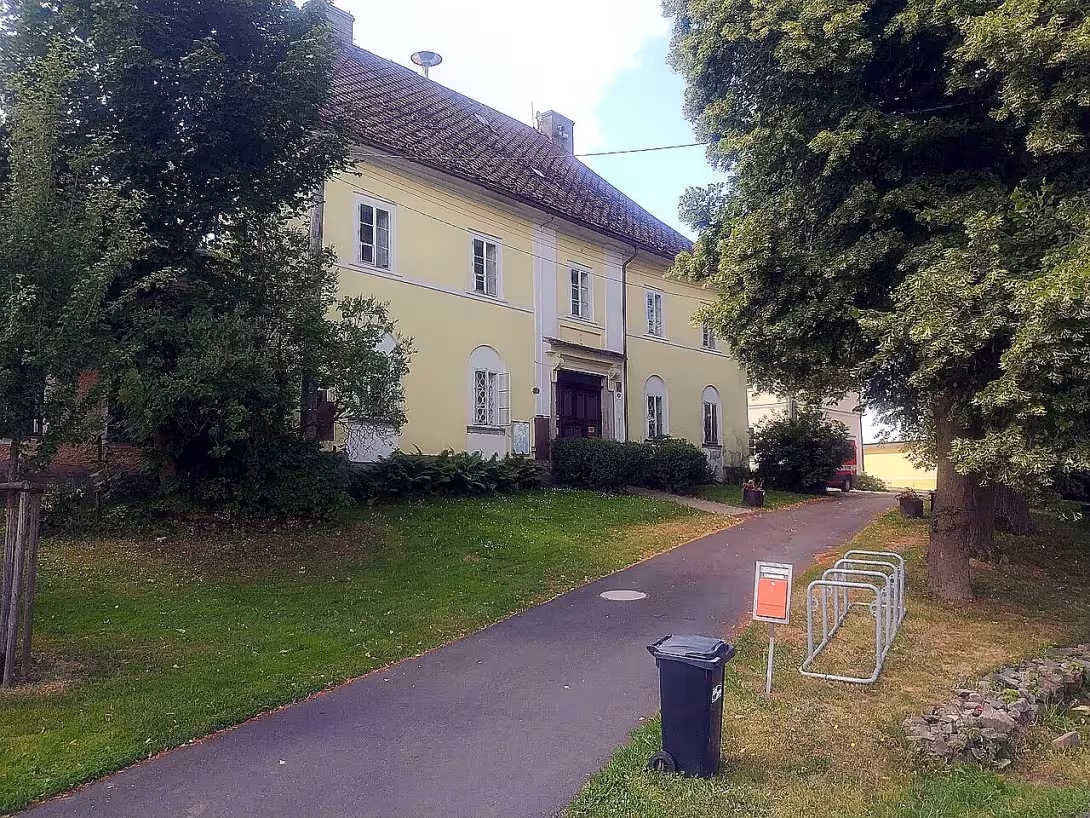
Fara s hospodářskými budovami in the village Ovesné Kladruby is a classic monument from the first half of the 19th century, which represents an important example of rural architecture. This building, located in Cheb district, has been declared a cultural monument of the Czech Republic since 2000.
Ovesné Kladruby has been a parish centre since 1242. The historical records of 1385 show the exchange of priests, when the new spiritual Heinrich replaced the late priest Lorenz. In 1611 there was a great tragedy when a huge fire in the village destroyed the parish building at the time. The current construction was built only in 1830, its builder was Anton Thurner. At the time of its construction, industrialisation and infrastructure development took place in the Czech Republic, while reorganization after the Napoleon wars took place on a European scale.
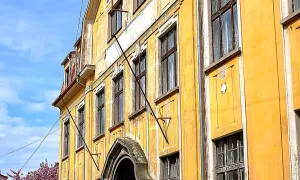
The farm building is two storey, walled from brick and stone, and its main facade is oriented parallel to communication. The architecture is divided by five window axes. In the middle axis there is a classical rectangular portal with a ledge carrying volutes. The interior contains arched living spaces in which architectural details are preserved in the form of shambrans, stone lining of portals and tiled stove. The roofs of the objects are covered with eternity.
Kolmo on the residential building in the direction of the yard is built an economic building which served as a horse-house and a barn. Separate entrances with stone sides and above-lights lead to these spaces. The rooms are surrounded by flat and passports. There was a barn on the south side of the compound earlier.
Currently, the rectory is partly inhabited and part of its premises serves as a municipal office. The ground floor of the building is used as a background in ongoing church events.
This monument is a valuable witness to the history and architecture of the region. Her visit offers insight into the former way of life and the building tradition of the area.
Historical milestones
- 1242
- Ovesné Kladruby acts as a parish center.
- 1385
- Replaced by the vicars, the new spiritual Heinrich replaced Lorenzo.
- 1611
- There was a big fire in the village that destroyed the parish building at the time.
- 1830
- The current construction of the farm and farm buildings was created, its builder was Anton Thurner.
Architectural development
The original parish burned down in 1611 and a new parish was built in 1830. The building is classical with brick and stone building material, covered with eternity. Economic buildings include a horse-house and stables with passport-sealed rooms.
Historical events
- 1242
- Ovesné Kladruby listed as a parish centre.
- 1385
- A written document of the exchange of priests is retained.
- 1611
- In a huge fire, even the parish building burned down.
- 2000
- Declared as a cultural monument of the Czech Republic.
Points of interest
- Fara s hospodářskými budovami is a classic monument from the first half of the 19th century. - This building has been declared a cultural monument of the Czech Republic since 2000. - The present farm construction was created in 1830, its builder was Anton Thurner. - The farm building is two storey, walled from brick and stone, with a classic rectangular portal. - The rectory serves partly as a municipal office and its ground floor is used for church events.
Guide
Show guide text
This text was created by artificial intelligence and has not been editorially reviewed. It may contain inaccuracies.
Welcome to the Oatmeal Clubs! You are standing in front of the parish centre, which is witnessed by many centuries of history and traditions of this village. Look up at the classic farm construction with an economic building whose elegant lines welcome you as a symbol of resistance and endurance. This building, built after a great fire in 1611, is an important element of local cultural heritage.
Let's dive into his history. Ovesné Kladruby has been a parish centre since 1242, suggesting a long and rich past in this place. In 1385 there was an exchange of priests, when the new spiritual Heinrich replaced Lorenzo. This similar exchange reflects the dynamics and changes that shaped the history of this rectory.
In 1611 there was a big fire in the Oval Kladrub which destroyed the parish building at the time. After these tragic events, the rectory was rebuilt and its builder was Anton Thurner. His work, created in 1830, is a classic happiness that still reminds us of the resilience and renewal of the community.
Now pay attention to the architecture. The farm with an economic building is a two-storey brick and stone building, which contributes to its solid and durable appearance. The interior boasts preserved champagne and stone walls of portals that attract every visitor with elegance.
Although particular historical figures associated with this monument are not known, their spirit and work are still present. Each stone element bears a trace of the past generations that have lived and worked here.
The interesting thing is that this parish building has been declared a cultural monument of the Czech Republic since 2000. This status not only protects its historical value, but also underlines the importance of preserving the local heritage.
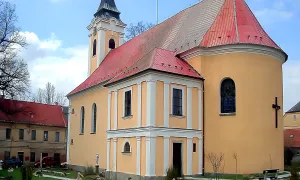
By inviting you to further explore, I will leave you to enjoy the serenity and beauty of the Oat Kladrub. Let them charm you with their history and take time to walk around the church of St. Lawrence, which stands next to this excellent monument. By the time you get back, you'll have more stories and impressions from this beautiful place.
Tips for visitors
The best time to visit is spring or autumn, when the weather is mild, the traffic is smaller and the light for photography is pleasant. Lawrence; the place is usually enough. The location is available by car and by public transport; Check the current connection in the connection locator. When visiting, take comfortable shoes, a bottle of water, an umbrella or a camera or a mobile phone for images. The best places for photography are the front facade of far in the morning sun, side view along with the church and inner spaces, if accessible; The afternoon shadow can create interesting contrasts. In the area within 30 minutes is worth visiting the church of St. Vavrnice and typical landscape of Cheb district, where you can take a short walk with the children and picnic on free areas near the monument.
Frequently asked questions
Can the monument be visited?
This is a residential or farm building, not a museum with opening hours. Please view it from public space and respect the owners' privacy. We have no information about access to the interior.
Where is the monument?
Location: Ovesné Kladruby. The map on this page shows the exact spot.
Why is the monument protected?
It is listed in the Central List of Cultural Monuments of the Czech Republic as a cultural monument (register no. 1000163926).
Businesses nearby
Do you run a restaurant, accommodation, shop, museum, rental, wellness or other visitor service near this monument? Show yourself directly to the people heading to it — this is how they will see you in the app and on the web:
Nearby
Fara se nachází ve středu obce Ovesné Kladruby vedle kostela svatého Vavřince. Okolní krajina je typická pro okres Cheb.
Accommodation nearby
Seasonal recommendations
Spring: In the spring season, the rectory in the Oval Clubs is revived by sunlight, which shines on roofs and decorated windows. The flowers around the rectory are beginning to bloom, which adds colored shine to the atmosphere. We recommend wearing friendly clothes with the possibility to add a warm quilt, because evening cold can be felt.
Summer: In the summer, the rectory of the Oats is full of life. Sunshine days and long days bring ideal conditions for tours, but at the same time, the site may be burdened with visitors. The best time to visit is in early mornings or late afternoons to avoid major spikes. We recommend wearing light clothes and sunglasses as well as getting ready to drink enough water.
Autumn: In autumn, the rectory in the Oval Kladruba grows melancholic beauty. Tree leaves colour the landscape, and sunlight turns into great colors, adding the atmosphere to the tour. It is advisable to visit the place on the early days because the weather can be unpredictable and the traffic is decreasing. We recommend to wear a warm jacket with the possibility to add a sun bucket in case the day is clear.
Winter: The winter season brings peace and quiet to the rectory of the Oval Clubs. The landscape is covered with snow, which creates an idyllic environment for visiting. It is necessary to wear warm clothes with protective elements against snow and frost such as hat and gloves.
Visualizations and artistic views

The visualisations are generated by artificial intelligence and serve as inspiration.
Photos from the area
Real photos taken near the monument


Zdroj a licence jsou uvedeny u každého snímku.
Tips from visitors
No tips yet. Be the first!
Log in and add your tip.
Sources and literature
Photos: Juandev / CC BY-SA 3.0 — Wikimedia Commons. The author and licence also appear when you hover over the image.
Faktickým podkladem tohoto textu byl článek na Wikipedii, jehož autory jsou přispěvatelé Wikipedie. Článek je dostupný pod licencí CC BY-SA 4.0.
Location on the map
Příběhy a pověsti
Legendy, pověsti a příběhy spjaté s touto památkou
Fotografie návštěvníků
Zatím žádné fotografie. Buďte první, kdo přidá fotografii z návštěvy!
Log in a přidejte svou fotografii nebo hodnoťte.
Za ověřenou návštěvu v aplikaci získáte víc bodů — poznáme podle GPS, že jste na místě.
Reviews and comments