






Fara (Valkeřice) Parish house
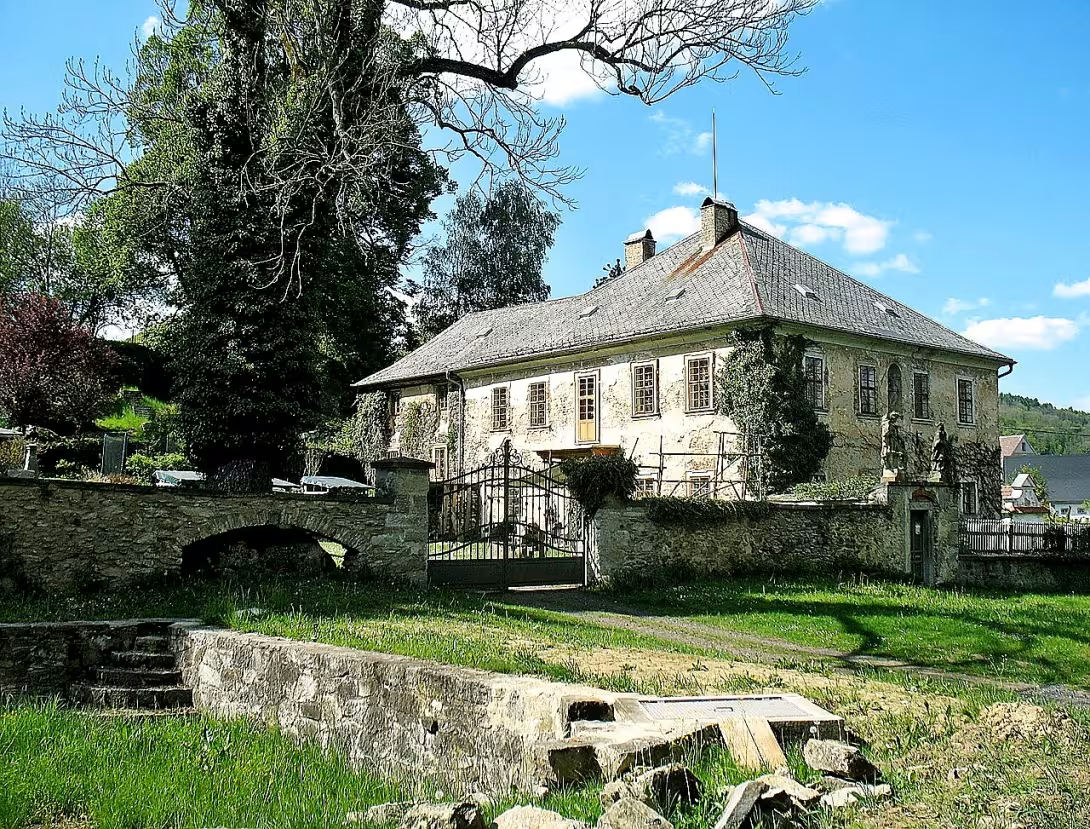
The Fara in Valkerice, in the village of Dechina, is a Baroque monument from the beginning of the 18th century. It is one of the few preserved buildings from the time Valkeřice was part of the extensive cannabis estate. The building represents not only a significant cultural monument of the Czech Republic, but also the last rest of the Baroque complex, which once included a hunting castle and a terraced garden. Her history is closely linked to important noble families, especially her owner František Antonín Špork, a well-known minor of art.
The creation of the building is linked to the history of the Konojese estate. At the beginning of the 16th century, Valkeřice was connected to it. In 1622 the estate went through confiscation and became the property of Adam Gottfried Berka of Dubé. After his death, he was inherited by Zdeněk Lev Libštejnský z Kolovrat, who sold part of the inheritance to Austrian General Jan Šporka in 1650. After the death of Jan Špork in 1679, his nephew František Antonín Špork passed over the estate, who became the main patron of the local parish. In 1704 at the initiative of F. A. Šporka was built a large stone rectory designed and implemented by the lithomeric architect of Swiss origin Petr Versa.
The architectural building represents a typical Baroque style. Originally, the square plan was extended in the first half of the 18th century by a storey extension, giving the object the shape of the letter "L." The construction is made of quarry stone and has a valb roof. The entrance facade with a support pillar and a low crown ledge is headed towards the southwest, allowing for a view of the surrounding garden. On the southeast facade there is a statue of St. Barbara on a scale below life size, which is one of the few preserved decorative elements of the building.
The history of ownership of farms and surrounding lands has undergone many changes. After the death of František Antonín Špork in 1738, his younger daughter Anna Kateřina, together with her husband Franz Karl Rudolf Sweerts- Sport, inherited extensive property including Valkeric. The House of Swéerts- Sports held the estate until 1802 when it was sold. After 1945, when the original German population was displaced, the gradual decline of farms and surrounding buildings took place, leading to the loss of many historical monuments.
Today, the Valkerice rectory is owned by a private owner who gradually repairs it and uses it as a background for his art. Although regular services are not held in the parish because of the destruction of St. Barbara's church during normalisation, the building still represents an important cultural and historical whole. Its preservation is crucial for understanding the Baroque architecture and history of the region.
Fara in Valkerice is not only a monument to the past, but also a living testimony about changes in Czech countries. Its visit offers a unique view of the history and culture of the region of Děčín and recalls the importance of protecting cultural heritage for future generations.
Historical milestones
- beginning of the 16th century
- Connection of the village Valkeřice to the Konojese estate
- 1622
- Confiscation of the estate and its subsequent transfer to Adam Gottfried Berk from Dubé
- 1650
- Sale of part of the inheritance to Austrian General Jan Špork
- 1679
- Transfer of the estate to František Antonín Špork
- 1704
- The position of the large stone rectory at the initiative of František Antonín Špork
- 1802
- Selling the manor to the Swéerts- Sports-
Architectural development
In 1704, a large stone building was built for the original wooden dwelling. In 1731, the building was expanded with a walled annex.
Historical events
In 1704 a stone rectory was built. In 1731, the building was supplemented with a brick annex.
Owners
Konojedský z Pojetic (to 1623), Adam Gottfried Berka z Dubé (from 1623), Zdeněk Lev Libštejnský z Kolovrat, Jan Špork (from 1650), František Antonín Špork (from 1679), Anna Kateřina Swéerts-Sporck (from 1738), the family of Swéerts-Sportsky (to 1802).
Points of interest
- The Fara in Valkerice is a Baroque monument from the beginning of the 18th century and belongs to few preserved buildings from the time Valkeřice was part of the extensive cannabis estate. - The object represents not only an important cultural monument of the Czech Republic, but also the last rest of the Baroque complex, which once included hunting castle and terraced garden. - The creation of the building is related to the history of the Konojese estate and its owner František Antonín Špork, a well-known minor of art. - The architecture of the rectory includes a typical Baroque style with an extension of the floor plan with a storey extension in the first half of the 18th century, which gave the building the shape of the letter "L." - After 1945 there was a gradual decline of the rectory and surrounding buildings due to the destruction of St. Barbara's church during normalisation, which led to the loss of many historical monuments.
Guide
Show guide text
This text was created by artificial intelligence and has not been editorially reviewed. It may contain inaccuracies.
Welcome to Valkerice. Right now, you're facing one of the most important witnesses to the history of this place. Before we go into deeper exploration, let yourself stand for a moment and perceive the atmosphere surrounding you. Before your eyes, the Baroque rectory, a building that carries the weight of centuries and the stories of many people who lived here, ruled and worked. Do you feel the peaceful presence of a stone that resists time? This building is not just an ordinary house, it is part of a larger whole, a cultural monument that allows us to look into the ancient times when the fate of the entire estate was formed here.
Let's go back together to when everything started to change. Imagine this space a few centuries ago. All this has its roots deep in the 16th century, when the municipality of Valkeřice was connected to the cannabis estate. This was the beginning of a long and difficult journey that this region had taken. But what you're seeing right now is the result of a much later period. Before there was this massive stone structure, there was only a simple wooden dwelling by the vicar. Imagine the fragility of the wood compared to the strength of the stone you now have in front of you. The transition from wood to stone construction was a symbol of stability, wealth and endurance. This fundamental transformation occurred at the beginning of the eighteenth century, namely in the year one thousand seven hundred and four.
Now you may wonder who was behind this magnificent change. The answer lies in the figures of powerful generations and noble masters who have held dominion over this country these days. The whole story of this place is accompanied by changes in ownership and political upheavals. In the seventeenth century, the fate of the estate changed very quickly. In the year of a thousand and six hundred and twenty-two confiscation took place and the estate went into the hands of Adam Gottfried Berka of Dubé. A few decades later, in the year six hundred and fifty, part of this inheritance was sold to Austrian General Jan Špork. And it is the House of Sporks that plays one of the most important roles in the history of this place. In the year of a thousand and six hundred seventy china the entire transfer of the estate was completed in favour of František Antonín Špork. It was his initiative and his vision that led to this vast stone rectory being built. He was the one who decided that instead of an old wooden house, there should be a monumental baroque building that reflects the meaning and power of the then estate.
Now pay attention to the architecture itself, which is right in front of you. Even if you look at the building as a whole, try to perceive its baroque character. The Baroque is not just a style, it's the way people tried to express grandeur and order back then. This building was a work of architects called Petr Versa and Petr Antonín Versa. Even if we don't look at every detail, you can perceive the harmony and strength these creators breathed into the building. Feel how the building fits into its surroundings. Its existence is closely linked to the whole area, which includes the beautiful terraced garden you can see in the surroundings. The garden was not just for decoration, it was part of the whole baroque world, which was situated here at the time.
Looking at this memory, we cannot avoid other human destinies that are inextricably linked to this place. History revolved around powerful families. After František Antonín Špork, the inheritance continued to change. In a thousand and eight hundred and two, the estate was sold to the Swéerts-Sportsk family, where it was called Anna Kateřina Swéerts-Sporck, for example. Every name you hear here represents a certain era, a certain way of seeing the world and a certain ambition. This rectory was the heart of spiritual and social life within a wider estate that once included much more than just this one place.
Now I want to tell you one interesting thing that might interest you. This baroque rectory that you are currently observing is not just an ordinary building. It's one of the few real remnants that we have left from the baroque site at the time. Imagine the ancient glory, the vast connections, and the whole rich structure that was once part of the Conejo estate. Today, this building is the last piece of the puzzle that allows us to understand how huge and complex the world that once existed here was. It's like a quiet little bit of ancient size that has endured centuries and remained a reminder of what was once here.
You're facing something really rare. This building is not only an important cultural monument to our country, but it is also a living story about the transition from brittle wood to hard stone, the rise and fall of powerful generations and architects who tried to capture the spirit of their time. Before you go any further, I suggest you pay close attention to the surrounding area and the terraced garden. Try to imagine how people moved in it 300 years ago.
Thank you for joining us on this short journey through time. We hope that this view of the Baroque parish in Valkerice has brought you new views and that you will enjoy the rest of your walk in this beautiful and historically rich environment. We wish you a pleasant further discovery of surrounding monuments and beautiful landscape elements. Goodbye.
Tips for visitors
The best time to visit is late afternoon, when the sun best highlights the Baroque details of the building. The spring season also offers pleasant weather for walks around.
The monument can be reached by car and public transport. Please check the current parking and timetables in advance in internet search engines.
We recommend taking drinking water and shoes suitable for walking around.
For photo lovers, the best light is early in the morning or just before sunset. Great shots can be taken by looking at the building through the lime alley.
Families with children can take advantage of the proximity of the local stream and the alleyway for a pleasant walk. In the surroundings you can also explore the church of St. Barbara, the Konojedský castle or hunting castle.
Businesses nearby
Do you run a restaurant, accommodation, shop, museum, rental, wellness or other visitor service near this monument? Show yourself directly to the people heading to it — this is how they will see you in the app and on the web:
Events nearby
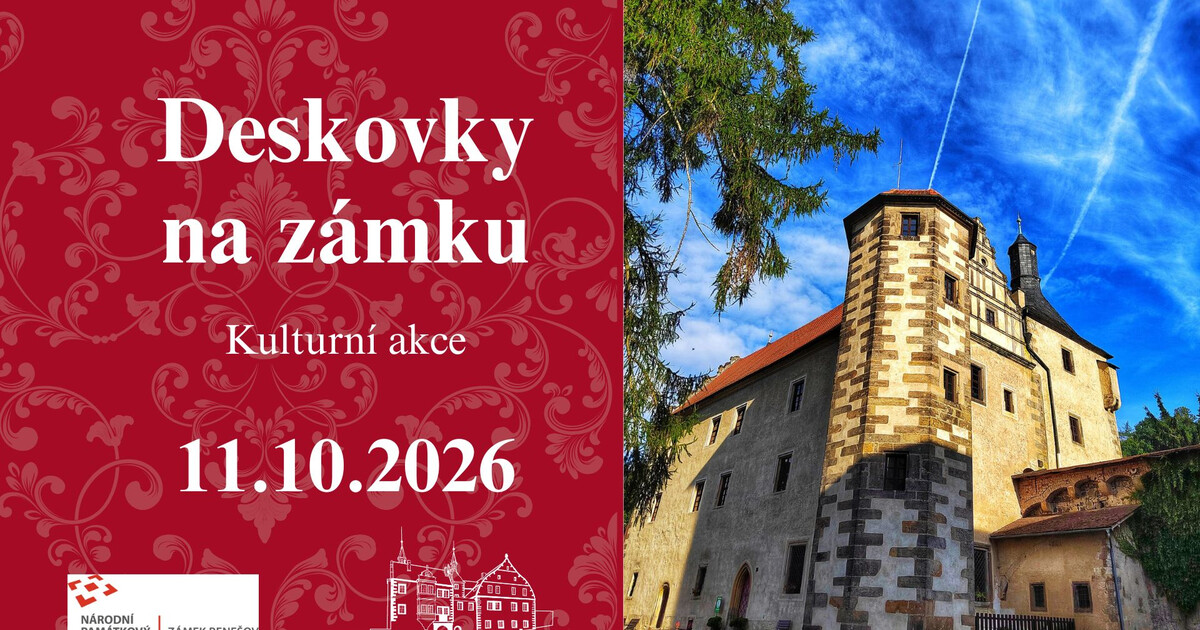
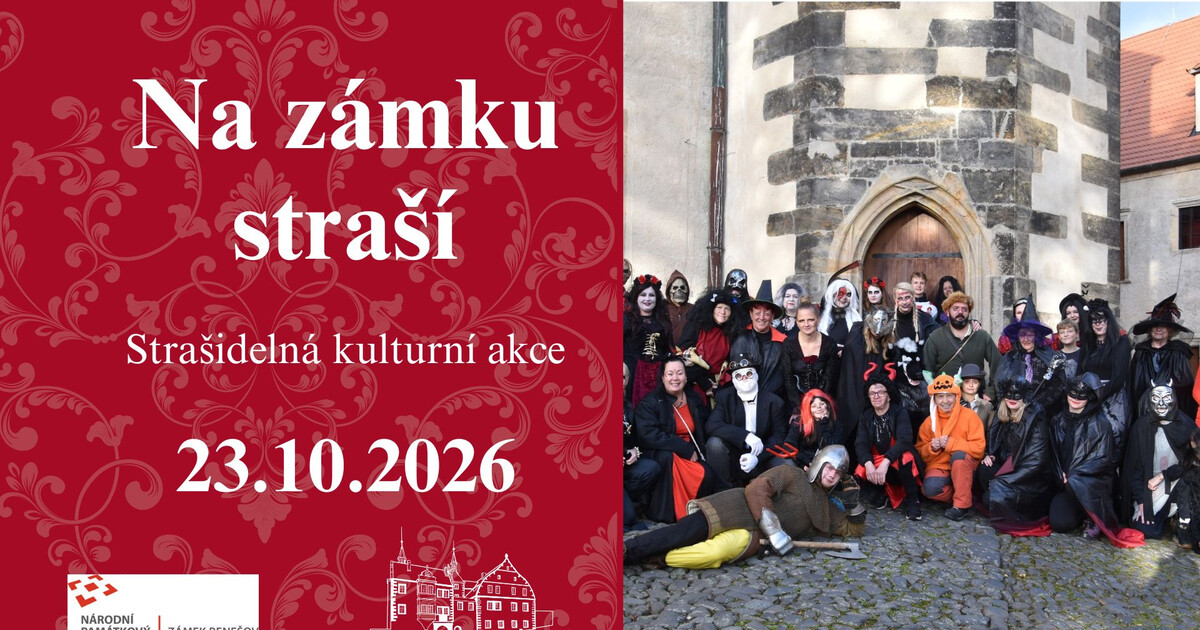
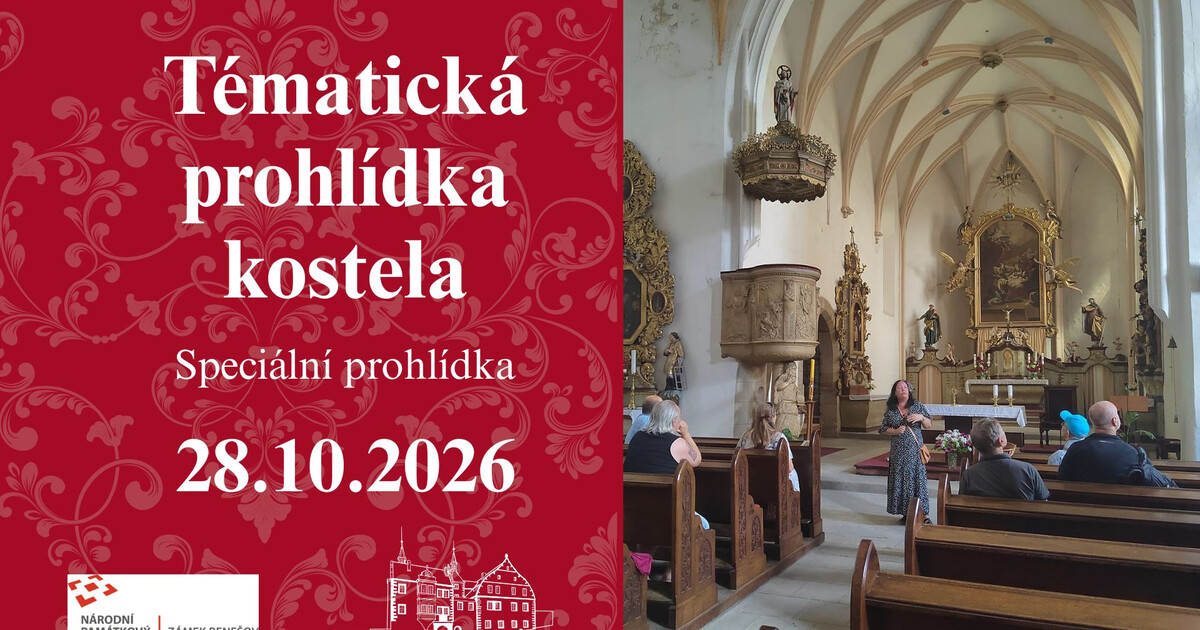
Zdroj akcí: otevřená data měst a obcí ČR (Národní katalog otevřených dat) a kalendář akcí Národního památkového ústavu.
Nearby
Kostel svaté Barbory, konojedský zámek, lovecký zámek, lipová aleje a místní potok.
Accommodation nearby
Trips and activities nearby
Guided tours, tickets and activities nearby from GetYourGuide
Affiliate link: if you buy from the partner, we may receive a commission. The price for you does not change.
Search tours and activities →Themed route
1. Konojedský castle, castle - Dominant building, which represents the historical centre of the surroundings. 2. Hunting castle, castle - Smaller building designed for relaxation during hunting. 3. Lip alleys, natural way - Beautiful way for relaxation and walking in nature. 4. Church of St. Barbara, Church - Architectural gem with deep spiritual history. 5. Fara, Fara - The main destination of the trip, which complements the collection of local monuments.
Seasonal recommendations
Spring brings new beginnings and freshness around the rectory. Nature is awakening, the trees are growing and the surrounding garden is turning green. The light is fine in this period, which is ideal for observing historical details of the building. I recommend visiting the morning when the air is the cleanest. Dress with layers because morning temperatures can still be low.
In summer, the atmosphere is the most lively and the days are the longest. The dense greenery and intense sun highlight the beauty of a historic place. Due to the high temperatures and possible larger number of people, I recommend that you come immediately after opening to enjoy peace and shade. Prepare light summer clothes and don't forget to protect yourself from the sun.
Autumn brings peace and color to the surroundings. Leaves turn shades into gold and brown, which creates a beautiful frame for old construction. The morning mist can give the place a mysterious atmosphere. It is advisable to carry with you stronger shoes in case of wet terrain and warmer jacket, because it cools faster after sunset.
Zimą near the monument is deeply quiet and quiet. If snow falls, the whole place looks like a fairy tale, but the lights are low. The visit period is limited in this period, so check in advance. Get ready for very warm clothes and the best time for a tour is around noon when daylight is the most distinctive.
Visualizations and artistic views


The visualisations are generated by artificial intelligence and serve as inspiration.
Photos from the area
Real photos taken near the monument


Zdroj a licence jsou uvedeny u každého snímku.
Tips from visitors
No tips yet. Be the first!
Log in and add your tip.
Sources and literature
Photos: Marie Čcheidzeová / CC BY-SA 4.0 — Wikimedia Commons. The author and licence also appear when you hover over the image.
Faktickým podkladem tohoto textu byl článek na Wikipedii, jehož autory jsou přispěvatelé Wikipedie. Článek je dostupný pod licencí CC BY-SA 4.0.
Location on the map
More monuments – Valkeřice
Show all in the municipality
Příběhy a pověsti
Legendy, pověsti a příběhy spjaté s touto památkou
Fotografie návštěvníků
Zatím žádné fotografie. Buďte první, kdo přidá fotografii z návštěvy!
Log in a přidejte svou fotografii nebo hodnoťte.
Za ověřenou návštěvu v aplikaci získáte víc bodů — poznáme podle GPS, že jste na místě.
Reviews and comments