






Kostel svaté Barbory (Valkeřice) Church
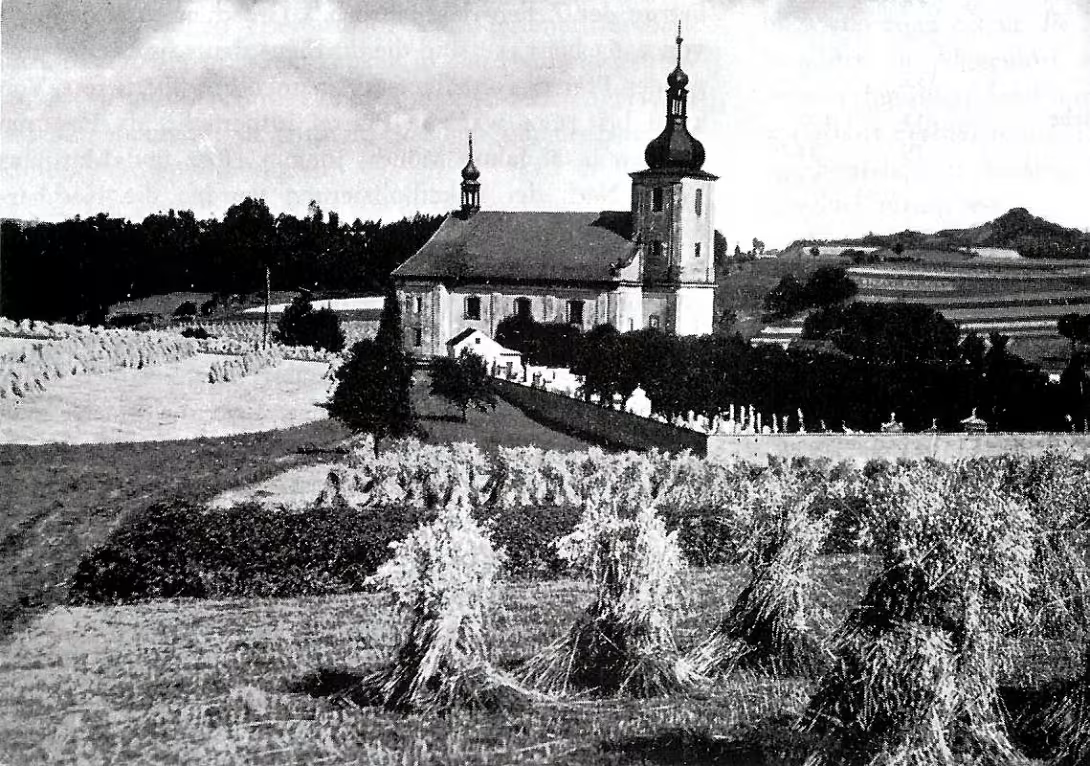
The Church of St. Barbara in Valkerice is a remarkable historical monument. Built between 1724 and 1728 by architect Zacharias Hoffmann, he served as a Roman Catholic parish church during the Czech flourishing Baroque period under the Habsburg monarchy. This building is located in the region of the Ústí Region, which replaced the previously medieval church, which contains materials from the local hunting lodge.
The construction was supported by František Antonín Špork, owner of Konojeda property and donor of the project. Architecturally, it illustrates baroque design with one-ship structure, semi-circular presbytery and western tower. In the interior there were robust pilasters which supported arched ceilings divided into three barrel vaults.
Accessories church was mostly baroque, obtained in the second half of the 18th century. The remarkable artistic elements included the works of Christopher Wilhelm Tietz and Matthias Bernard Braun, which are now located elsewhere.
Property and administration have changed dramatically over time. Originally a parish church, its wealth fell after World War II because of displaced inhabitants. It got worse in the '70s. The District National Committee in Děčín first reduced repairs and later tried to remove the status of cultural heritage. The demolition took place on July 11, 1975.
The history of the church includes several key events and curiosities. The main altar of Portica was decorated with the painting of Christopher Wilhelm Tietz and the statues of the saints, as well as the lifetime crucifix of Matyš Bernard Braun from 1720. The organ, created in 1729 by Tobias Fleck Jr., was lost during demolition.
Today, the Church of St. Barbara no longer exists, but its legacy will continue through historical records and scattered artifacts that are now located elsewhere. Owned by the Roman Catholic parish Valkeřice, is controlled by excurrendo. Although the church cannot be visited, its history offers a riveting reflection of cultural heritage and political impacts on architectural monuments.
The Church of St. Barbara remains an important part of the historical story of Valkeřice, which invites visitors to explore the rich history of the region and to appreciate the artistic contributions that once decorated this Baroque masterpiece.
Then and now
Drag the slider to compare how the landmark may have looked when it was built with the view today.
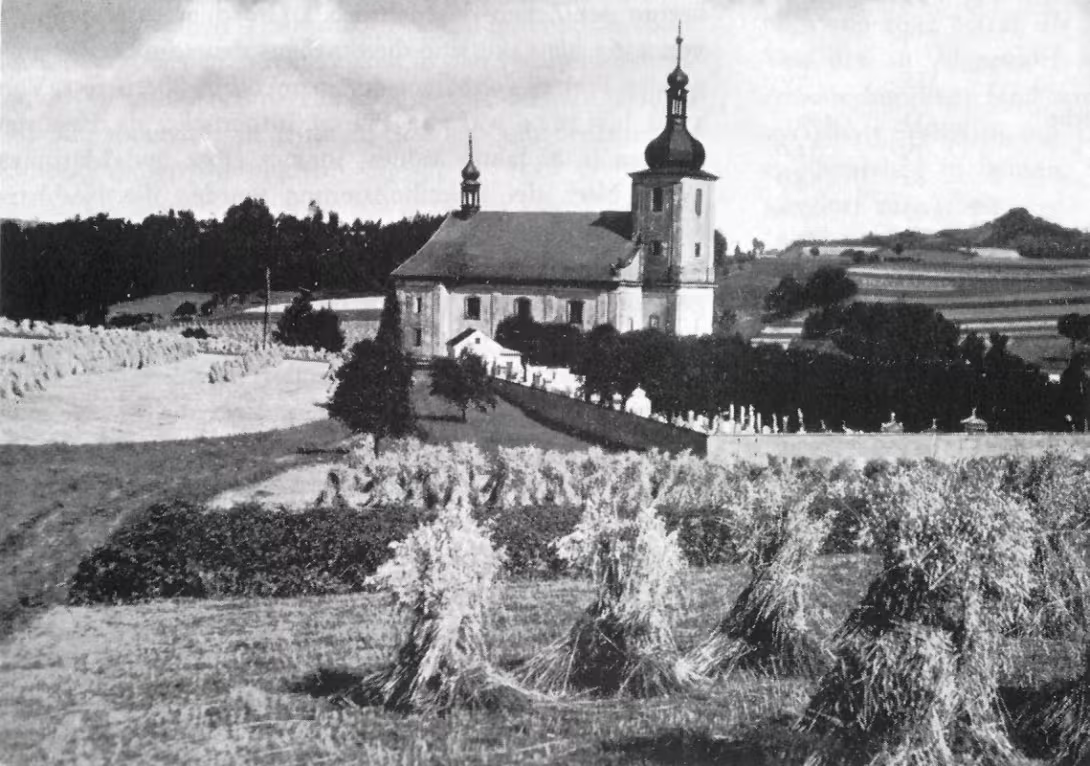
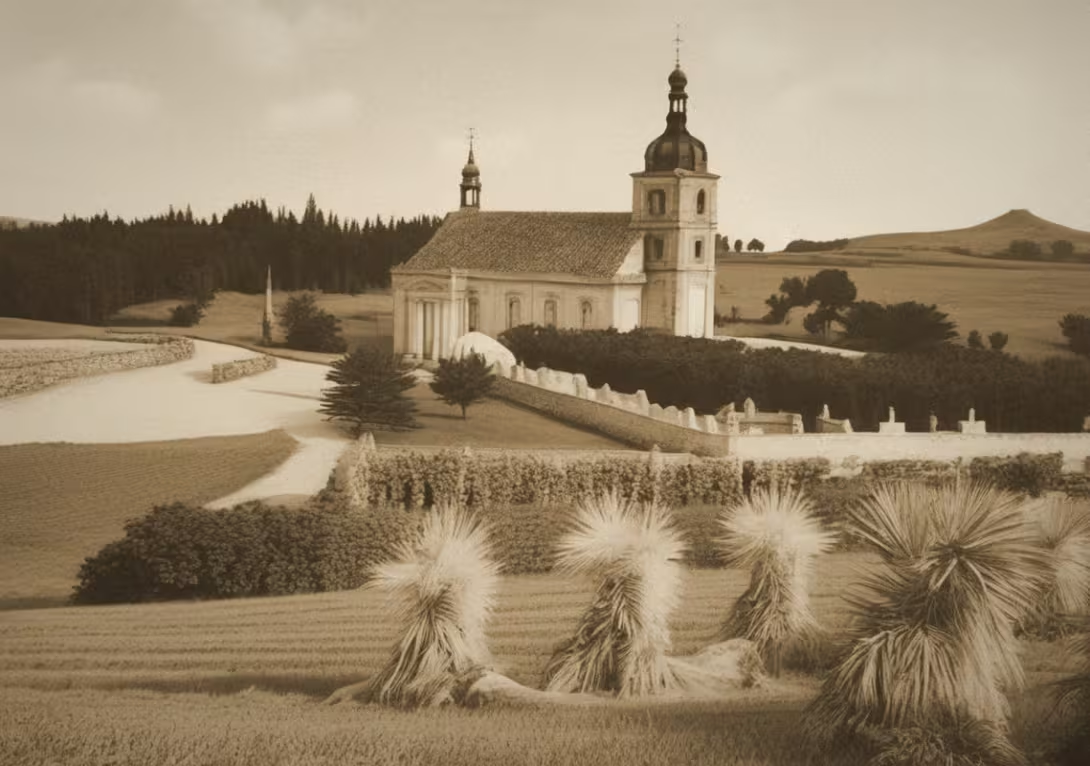
The historical appearance on the left is an AI-generated visualisation and serves as inspiration only.
Historical milestones
- 1724
- The beginning of the building of St. Barbara's church in Valkerice.
- 1728
- Subsidy for the construction of St. Barbara's Church.
- Around 1750
- Live Baroque furniture for church.
- 1729
- The production of organ law by Tobias Flek I'm younger.
- 1975
- The demolition of St. Barbara's Church on 11 July.
Architectural development
The church of Saint Barbara was built between 1724 and 1728 and replaced the former medieval structure. It represented baroque architectural elements such as a one-ship arrangement with semi-circular presbytery and a tower on the western facade. The interior of the church included robust pilasters that supported arched ceilings, and its equipment was mostly baroque, obtained gradually in the second half of the 18th century.
Historical events
- 1724-1728
- Construction of St. Barbara's Church Zacharias Hoffmann.
- 11. July 1975
- Demolition church after decision of the District Republic in Děčín.
Points of interest
- The Church of Saint Barbara was built using materials from a local hunting lodge, which represents an interesting mix of resources and history in its construction. - František Antonín Špork, who supported the church building, was not only owner of Konojeda estate, but also a significant patron of Baroque architecture in Bohemia.
- The original organ created by Tobias Fleck younger in 1729 is considered lost after demolition church, leaving behind a gap in understanding his acoustic history and craft work.
Guide
This guide is narrated by a synthetic voice generated by artificial intelligence.
Show guide text
This text was created by artificial intelligence and has not been editorially reviewed. It may contain inaccuracies.
Welcome to St. Barbara's Church in Valkerice, a place rich in history and architectural beauty. As you stand here, imagine the peaceful presence of this building that once stood within its walls. The church, now skinny memory in the landscape, was built between 1724 and 1728 Zacharias Hoffmann, an architect known for his skilful designs.
The story of this church begins with František Antonín Špork, the remarkable patron who imagined this sacred space. His support contributed to replacing the former medieval structure which included materials from the local hunting lodge into a new design. This mixture of history and ingenuity is now visible in the remains surrounding you.
How to view the site, for a while appreciate its baroque architecture, characterized by a one-ship arrangement and semicircular presbyters. The church once performed on the western facade with a tower that would be a remarkable view of the sky. Although most of it has disappeared, the spirit of its design remains tangible in this peaceful environment.
The history of the church is also marked by fascinating stories and personalities. Around 1750 he received baroque equipment which added to its size. In 1729 Tobias Fleck Young created a remarkable organ for the church, which contributed to his musical heritage. These elements point to the living cultural life that once prospered here.
An interesting aspect of this site is the way the materials from the local hunting lodge were redesigned under construction. This unique mix of resources tells the story of adaptation and continuity, linking the past and the presence of unexpected ways.
As you continue your journey through Valkeřice, let the history of this church inspire you to further explore. There's a lot more to learn about the people and stories that shaped this place. Thank you for joining us on this audio tour, and we hope that you will find here in the Ústí Region another fascination with the rich tapestry of history.
Businesses nearby
Do you run a restaurant, accommodation, shop, museum, rental, wellness or other visitor service near this monument? Show yourself directly to the people heading to it — this is how they will see you in the app and on the web:
Events nearby
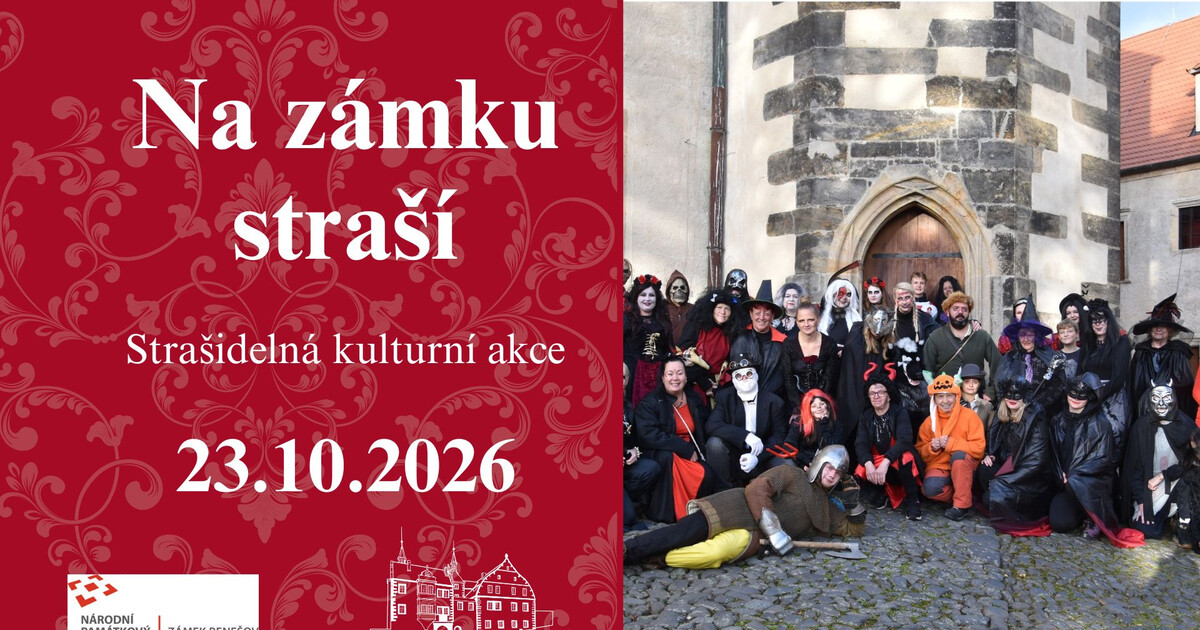
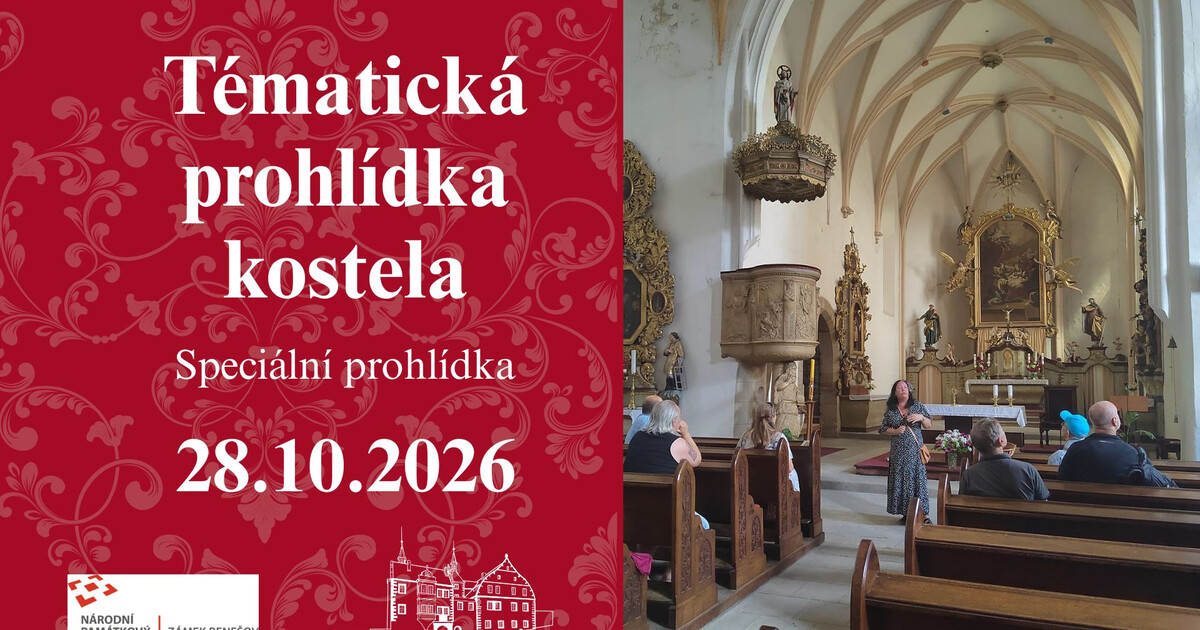
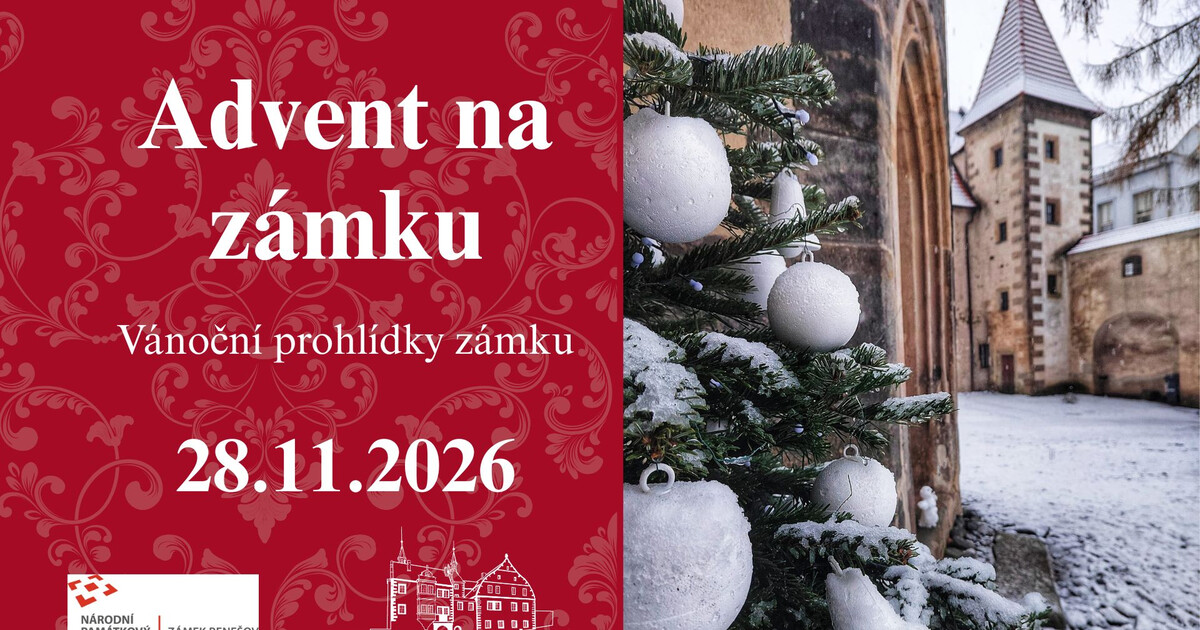
Zdroj akcí: otevřená data měst a obcí ČR (Národní katalog otevřených dat) a kalendář akcí Národního památkového ústavu.
Nearby
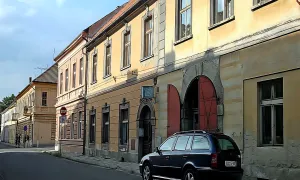
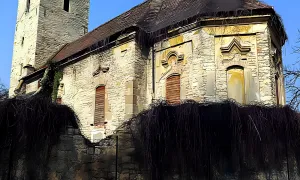
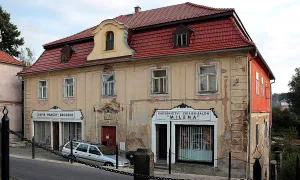
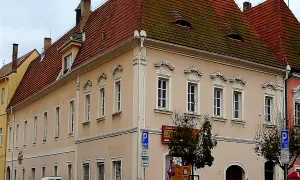
Originally surrounded by a cemetery bounded by stone walls, near the church also a Baroque rectory from 1704. The landscape around Valkeric is characterized by rural space in the Ústecký kraj region.
Accommodation nearby
Trips and activities nearby
Guided tours, tickets and activities nearby from GetYourGuide
Affiliate link: if you buy from the partner, we may receive a commission. The price for you does not change.
Search tours and activities →Themed route
Thematic walking tour: Valkeřice
1. Kostel svaté Barbory (Valkeřice) - Church Start your journey in the heart of Valkeric with the historic Church of St. Barbara, a stunning example of church architecture that goes back centuries. This church is not only a place of worship, but also proof of the region's rich cultural heritage. Its quiet atmosphere and architectural beauty make it a crucial stop for anyone interested in history or architecture.
2. Baroque Park (Valkeřice) - Historical building A short walk from the church, a visit to the Baroque parish built in 1704. This beautifully preserved structure offers a view of the past and shows the architectural style of its time. The garden is an important cultural monument that reflects the historical lifestyle and leadership of the community in Valkerice.
3. Former cemetery Grounds - Historical site Explore the area that once surrounded the Church of St. Barbara, originally bounded by stone walls for the cemetery. This site provides a view of historical practices of burial and memorization in rural communities. Walk through this space allows visitors to think about the time and continuity of social life in Valkerice.
This thematic tour offers a immersed experience in the history and culture of Valkeřice, which focuses on the most important monuments in a short walking distance from each other.
Seasonal recommendations
Spring: The bridge of the destroyed cube of St. Barbara in Valkeric offers a clear command on its own source, which counts the historical ruin. Green meadows and decision shrubs surrounding place, providing life color contrasting to surrounding the skeleton. Sunshine days are ideal for photography, because light harms texture and grain structure. This season is usually less corner is not in the summer, which increases the calm profile. We recommend that you wear comfortable shoes on uneven terrain and hand-deliver a designated umbrella because the sun can be strong.
Summer: During the summer, this change in the condition of the saints Barbara in Valkeric is full of life and resettlement. Warm sunny days and long evenings offered ideal support for counterparts, but also national value. Due to the atrocities, it is advisable to cross early in the morning or later in the evening to avoid the peak of the crowd. Please put on a round and wear plenty of drinking water, because temperatures can be rough. While the story around it is the most vivid in the sun, the shadow of the church's apartments offers refuge from the sunlight.
Autumn: In autumn torture, the demanding production of St. Barbara's in Valkeric offers a view of a place that is covered with a colourful palette of leaves. The atmosphere is calm and melancholic, with measuring sunlight, which gives a romantic sense of historical rendition. In this case, these are acts which should be determined if measures are necessary, which should lead to an assessment of whether the measure would be contrary to the findings. It is not necessary to examine the conditions which should be laid down and which should be allocated.
Winter: The chateau of the destroyed church of St. Barbara in Valkerice during winter offers a different view when the place is covered with snow or study skyscrapers. This season of recalculating calmness and silence, with a currency of essentials and possibilities to examine yourself in peace. Sundry benefits are granted only in respect of the grain structure, but the amounts should be passed on at their own expense. Hot round and secure shoes are persistent for use, and since opening times may be shorter, it is married to inform about the current times.
Visualizations and artistic views


The visualisations are generated by artificial intelligence and serve as inspiration.
Tips from visitors
No tips yet. Be the first!
Log in and add your tip.
Sources and literature
Fotografie: autor neuveden / Public domain — Wikimedia Commons. The author and licence also appear when you hover over the image.
Faktickým podkladem tohoto textu byl článek na Wikipedii, jehož autory jsou přispěvatelé Wikipedie. Článek je dostupný pod licencí CC BY-SA 4.0.
Location on the map

Příběhy a pověsti
Legendy, pověsti a příběhy spjaté s touto památkou

Fotografie návštěvníků
Zatím žádné fotografie. Buďte první, kdo přidá fotografii z návštěvy!
Přihlaste se a přidejte svou fotografii nebo hodnoťte.
Za ověřenou návštěvu v aplikaci získáte víc bodů — poznáme podle GPS, že jste na místě.
Reviews and comments