






Františkánský klášter v Bechyni Monastery
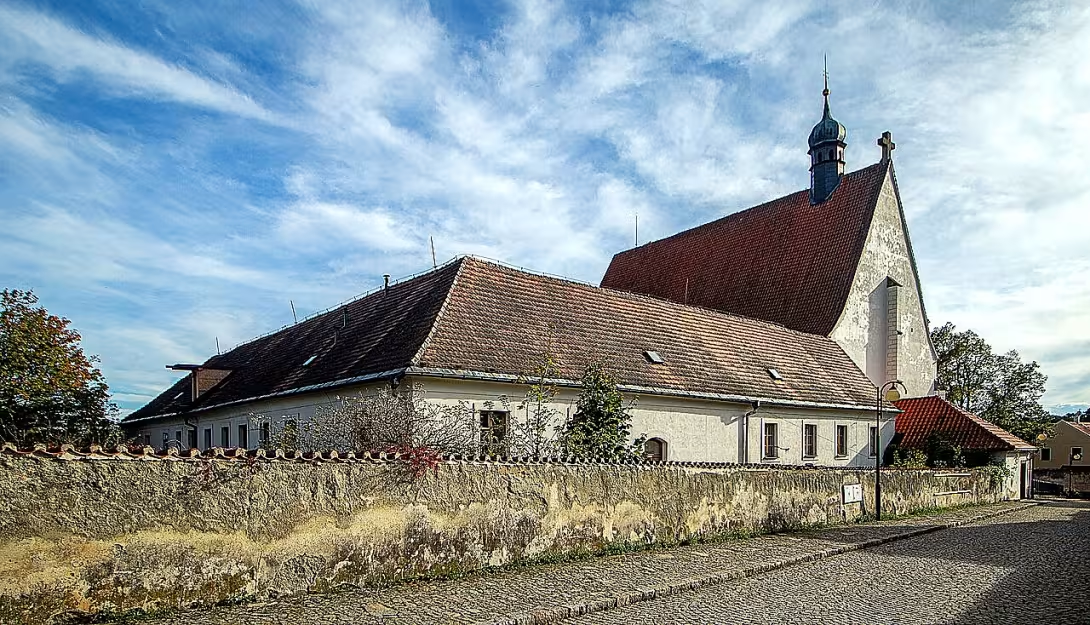
The Františkánský Klášter v Bechyni is an impressive complex of late Gothic buildings located on a rock by the Lužnice River in Bechyně, Jihočeský kraj. Its architectural form primarily dates from the end of the 15th and beginning of the 16th centuries, featuring a church dedicated to the Assumption of the Virgin Mary. This monastery is notable for its historical significance and cultural heritage, protected as a cultural monument.
The site's earliest history traces back to when ancient Slavs occupied it around the 7th century, evidenced by archaeological findings such as an old hearth beneath what is now known as the "Rajská zahrada" (Paradise Garden). The original Franciscan monastery began construction in 1281, with its first church established that year. However, it was destroyed during the Hussite Wars in 1422, leading to a period of abandonment.
Reconstruction commenced at the end of the 15th century under the Sternberks, who initiated the creation of a new Gothic complex. This included a main church and other structures such as an ambulatory with star vaults, a dining hall, workshops, and dormitories for monks. The architectural style reflects the late Gothic period's influence during a time when Bohemia was experiencing significant religious and political changes.
Ownership of the monastery transitioned through several notable families. After the Sternberks, it came under the Rožmberk family in the 16th century. During this era, Peter Vok of Rožmberk established a hospital around 1570, significantly expanding the complex. Later, the Paar family managed the site, overseeing further modifications and expansions.
Throughout its history, the monastery has witnessed several key events and curiosities. Notably, during the looting by Buquoy's troops in the 17th century, several miracles were reported to have occurred, attracting numerous pilgrims. This influx necessitated architectural changes to accommodate visitors, including a new chapel dedicated to St. Charles Borromeo and a baroque chapel added in 1673.
Today, the Františkánský Klášter v Bechyni stands as a well-preserved cultural monument, accessible to the public. After being returned to the Franciscan order post-1989, it is currently managed by the Nadační fond Konvent Pax. The site houses the Bechyně Basic Art School and continues to serve as a place of historical interest and spiritual reflection.
Visitors are invited to explore this architectural gem, where history and spirituality converge amidst the serene backdrop of the Lužnice River. Its rich past and enduring beauty make it a worthwhile destination for those interested in Gothic architecture and Czech cultural heritage.
Then and now
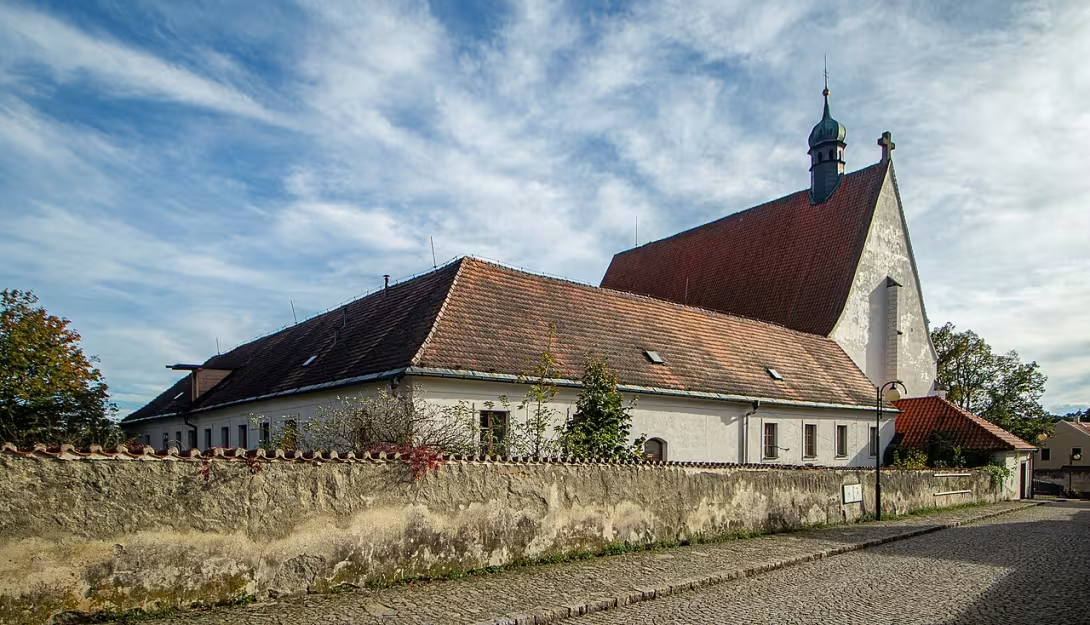
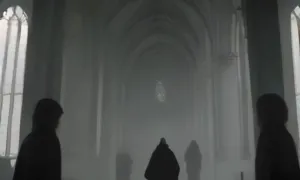
Drag the slider to compare how the landmark may have looked when it was built with the view today.
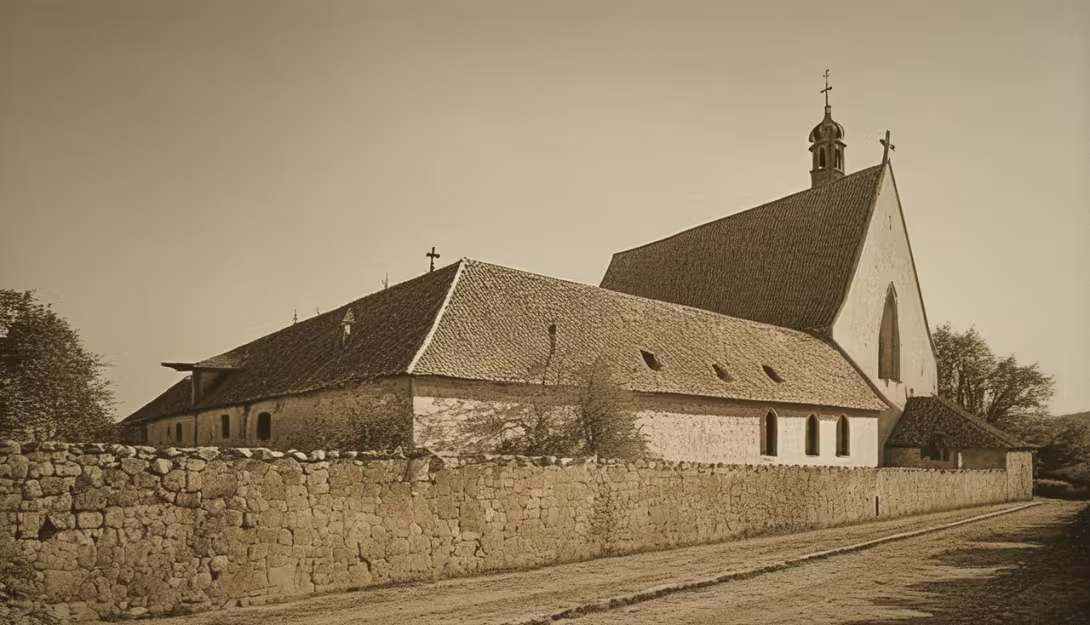
The historical appearance on the left is an AI-generated visualisation and serves as inspiration only.
Historical milestones
- 1281
- Construction of the original church began.
- 1422
- The monastery was destroyed during the Hussite Wars.
- 1491
- Reconstruction started under the Sternberks with a new Gothic complex.
- 1570
- Establishment of a hospital by Peter Vok of Rožmberk.
Architectural development
The original Franciscan monastery, established in the late 13th century, was destroyed during the Hussite Wars. Reconstruction began at the end of the 15th century under the Sternberks, resulting in a new Gothic complex including a church and other structures. Significant expansions occurred in the 16th century with the addition of a hospital by Peter Vok of Rožmberk.
Historical events
1281: Construction of the original church began.
1422: The monastery was destroyed during the Hussite Wars.
1491: Reconstruction started under the Sternberks with a new Gothic complex.
1570: Establishment of a hospital by Peter Vok of Rožmberk.
Owners
The site was initially owned by the Sternberks in the late 15th century, followed by the Rožmberk family in the 16th century, and later managed by the Paar family. After various historical events, it returned to the Franciscan order post-1989.
Points of interest
- The site where the Františkánský Klášter v Bechyni stands was originally occupied by ancient Slavs around the 7th century, as indicated by archaeological discoveries like an old hearth beneath the "Rajská zahrada" (Paradise Garden).
- During the Hussite Wars in 1422, the original Franciscan monastery and church were destroyed, leading to a prolonged period of abandonment before reconstruction began at the end of the 15th century.
- In the 17th century, following looting by Buquoy's troops, several reported miracles occurred at the site, drawing numerous pilgrims. This led to architectural changes, including the addition of a chapel dedicated to St. Charles Borromeo and a baroque chapel in 1673.
- The monastery was managed by various notable families over time, with significant contributions from the Sternberks who initiated its Gothic reconstruction, and later the Rožmberk family, under whom Peter Vok established a hospital around 1570, expanding the complex significantly.
Guide
This guide is narrated by a synthetic voice generated by artificial intelligence.
Show guide text
This text was created by artificial intelligence and has not been editorially reviewed. It may contain inaccuracies.
Welcome to the Františkánský klášter v Bechyni, a remarkable testament to history and architecture nestled on a rocky outcrop by the Lužnice River in Bechyně, Jihočeský kraj. As you stand here, imagine yourself stepping into a world where late Gothic grandeur meets centuries of stories waiting to be discovered.
The origins of this site trace back to 1281 when construction began for an original church. However, the monastery as we see it today was born from the ashes of destruction during the Hussite Wars in 1422. It wasn't until 1491 that a new chapter commenced under the Sternberks. They envisioned and reconstructed a Gothic complex that would stand the test of time, with its current architectural form primarily dating from the end of the 15th and beginning of the 16th centuries.
As you take in your surroundings, notice the church dedicated to the Assumption of the Virgin Mary. Its presence is a focal point amidst the complex, embodying both spiritual significance and architectural beauty. The monastery's design invites you to explore its intricate details—a testament to the visionaries like Zdislav ze Šternberka and Ladislav ze Šternberka who played pivotal roles in its creation.
The story of this place is enriched by notable historical figures such as Petra Vok z Rožmberk, who established a hospital here in 1570. This act of compassion highlights the monastery's role not just as a religious site but also as a beacon of community care and support throughout history.
A fascinating tidbit that adds to the allure of this location is its ancient roots. Archaeological discoveries beneath the "Rajská zahrada" (Paradise Garden) reveal an old hearth, indicating that Slavs occupied this area around the 7th century. This layer of prehistory invites you to ponder the countless generations who have walked these grounds.
As we conclude our journey through time and stone at the Františkánský klášter v Bechyni, I invite you to linger a little longer, explore every nook, and let your imagination roam. Each corner of this complex holds a story, waiting for those who seek to uncover them.
Thank you for joining me on this exploration. May the history and beauty of Bechyně inspire you long after today's visit. Farewell, until our paths cross again in another chapter of discovery.
Tips for visitors
The best time to visit the Františkánský klášter v Bechyni is during late spring or early autumn, when the weather is mild and pleasant for exploring both indoors and outdoors. These seasons offer beautiful natural lighting that enhances the architectural details of the Gothic buildings. Additionally, visiting outside peak tourist season can provide a more serene experience with fewer crowds.
Parking near the Františkánský klášter v Bechyni is generally accessible, but it's advisable to plan ahead as spaces can be limited during busy times. Public transportation options are available and may include buses that connect to Bechyně; checking a local transport website or app for current schedules will help ensure a smooth journey. Walking from the town center to the monastery is also an option if you prefer not to drive.
When visiting, it's recommended to bring comfortable walking shoes as exploring the site involves some walking on uneven paths. A hat and sunscreen are advisable due to exposure to sunlight, especially in warmer months. Don't forget a camera or smartphone for capturing the stunning views of the Lužnice River and the monastery’s architecture. Bringing water is also wise to stay hydrated throughout your visit.
For photography enthusiasts, some of the best spots include the exterior facades of the late Gothic buildings, which are beautifully illuminated during sunrise or sunset. The view from the riverbank offers a picturesque backdrop for photos. Inside, capturing the intricate details of the monastery’s interiors can be rewarding, especially in natural light that filters through stained glass windows.
Nearby attractions within a 30-minute drive include other historical sites and natural landscapes around Bechyně. Exploring these areas provides additional context to the region's rich history and offers opportunities for leisurely walks or picnics by the Lužnice River. These nearby spots are perfect for extending your visit and experiencing more of what Jihočeský kraj has to offer.
For families with children, the Františkánský klášter v Bechyni offers a fascinating glimpse into history that can be both educational and entertaining. Engaging kids with stories about the monastery's past or having them participate in a scavenger hunt for architectural details can make the visit more interactive. The surrounding natural areas provide ample space for children to play and explore, making it an ideal family outing.
Businesses nearby
Do you run a restaurant, accommodation, shop, museum, rental, wellness or other visitor service near this monument? Show yourself directly to the people heading to it — this is how they will see you in the app and on the web:
Nearby
Located on a rock by the Lužnice River, the area around Bechyně features natural landscapes and historical sites within a 5 km radius.
Accommodation nearby
Themed route
Františkánský klášter v Bechyni Thematic Tour
1. Františkánský klášter v Bechyni (Klášter) Begin your journey at the heart of Bechyně with a visit to the Františkánský klášter. This historic monastery, perched on a rock by the Lužnice River, offers stunning views and architectural beauty. Explore its serene cloisters and rich history, making it an essential stop for anyone interested in religious architecture or seeking tranquility.
2. Lužnice River Promenade (Natural Landscape) A short walk from the monastery leads you to the picturesque banks of the Lužnice River. This natural landscape offers a peaceful setting ideal for relaxation and reflection. Stroll along the river promenade, enjoying the gentle flow of water and lush surroundings that highlight the area's natural beauty.
3. Bechyně Historical Sites (Historical Site) Within a 5 km radius from the monastery, discover various historical sites in Bechyně. These locations provide insights into the town’s rich past and cultural heritage. Each site offers unique stories and architectural details that reflect the area's history, making them worthwhile stops for history enthusiasts.
4. Cloister Gardens (Garden) Return to the Františkánský klášter to explore its beautifully maintained cloister gardens. These tranquil spaces are perfect for a leisurely walk or simply sitting and enjoying the peaceful atmosphere. The gardens showcase a variety of plants and offer a serene environment that complements the monastery's spiritual ambiance.
This thematic tour provides a balanced experience of history, nature, and tranquility, all within the charming surroundings of Bechyně.
Seasonal recommendations
Spring: Visiting the Franciscan Monastery in Bechyne during spring offers a unique experience as nature awakens around this historic site. The monastery grounds are adorned with blooming flowers and lush greenery, creating an enchanting atmosphere that enhances the serene beauty of the architecture. Gentle sunlight filters through the trees, casting warm hues across the ancient stones. It's advisable to visit in the morning when temperatures are mild, allowing you to enjoy a leisurely stroll without the crowds. Opt for comfortable walking shoes and layers, as mornings can be cool but afternoons may become warmer.
Summer: Summer at the Franciscan Monastery is marked by vibrant colors and longer daylight hours, ideal for exploring the extensive gardens and enjoying outdoor activities. The monastery's open spaces offer a tranquil retreat from the summer heat, with shaded areas perfect for relaxation. This season attracts more visitors, so arriving early in the morning or later in the afternoon can help avoid peak crowds. Dressing in light, breathable clothing is essential to stay comfortable during your visit, and carrying water will ensure you remain hydrated throughout.
Autumn: Autumn brings a spectacular display of colors as the foliage around the Franciscan Monastery transforms into shades of red, orange, and gold. The cooler temperatures make it an ideal time for photography enthusiasts to capture the picturesque landscape. While the monastery remains serene, fewer tourists mean more opportunities for quiet reflection amidst the stunning scenery. Layered clothing is recommended to adapt to fluctuating temperatures throughout the day. Visiting in late morning or early afternoon allows you to enjoy the warmth of the sun while avoiding the chillier evenings.
Winter: Winter at the Franciscan Monastery offers a serene and magical atmosphere, with snow-covered grounds adding a touch of enchantment to its historic architecture. The shorter days mean that visiting earlier in the day is best to make the most of natural light for exploring indoor exhibits and the church's intricate details. Visitors should dress warmly in layers, including hats and gloves, as temperatures can be quite cold. While outdoor activities may be limited due to weather conditions, the monastery provides a peaceful setting for contemplation during this quiet season.
Visualizations and artistic views


The visualisations are generated by artificial intelligence and serve as inspiration.
Photos from the area
Real photos taken near the monument


Zdroj a licence jsou uvedeny u každého snímku.
Tips from visitors
No tips yet. Be the first!
Log in and add your tip.
Sources and literature
Fotografie: VitVit / CC BY-SA 4.0 — Wikimedia Commons. The author and licence also appear when you hover over the image.
Faktickým podkladem tohoto textu byl článek na Wikipedii, jehož autory jsou přispěvatelé Wikipedie. Článek je dostupný pod licencí CC BY-SA 4.0.
Location on the map

Příběhy a pověsti
Legendy, pověsti a příběhy spjaté s touto památkou
Fotografie návštěvníků
Zatím žádné fotografie. Buďte první, kdo přidá fotografii z návštěvy!
Přihlaste se a přidejte svou fotografii nebo hodnoťte.
Za ověřenou návštěvu v aplikaci získáte víc bodů — poznáme podle GPS, že jste na místě.
Reviews and comments