






Městské opevnění v Bechyni Town walls
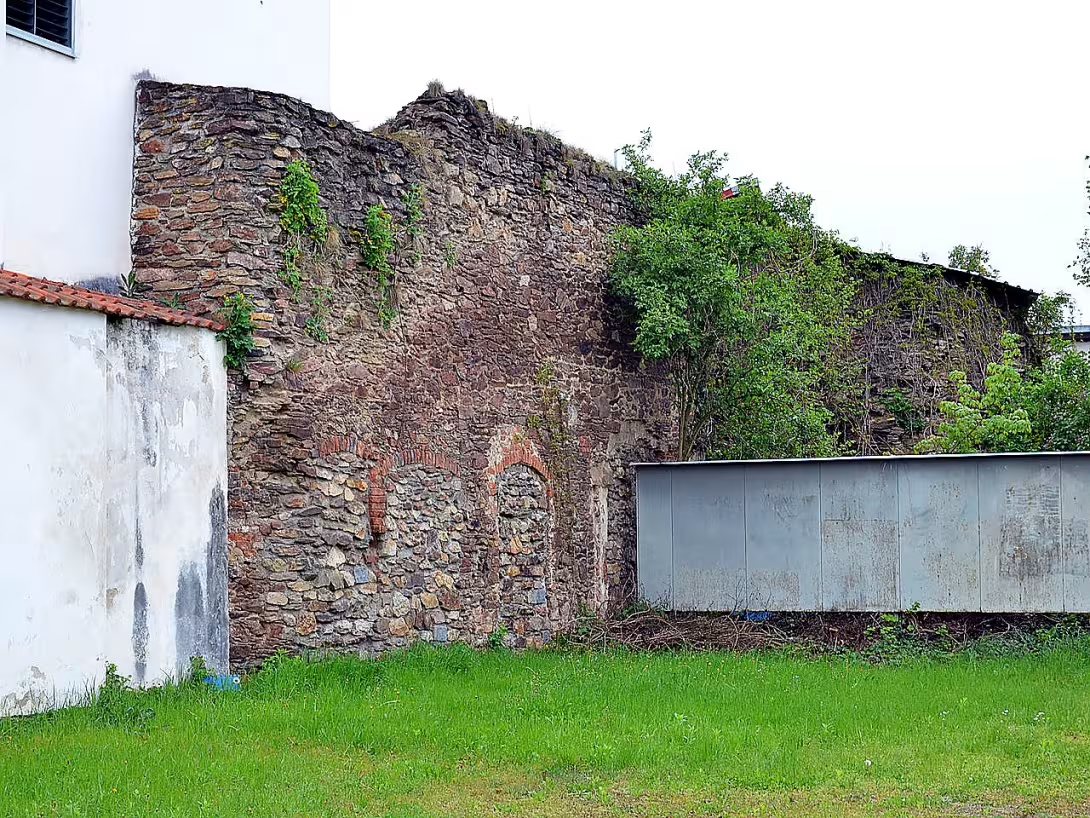
Městské opevnění v Bechyni is a fascinating example of medieval walls located in the historical heart of the city. This system of fortification structures includes a partially preserved wall with a range of baskets and is protected as a cultural monument, which makes it one of the important elements of the Becyne Monument Zone. The original fortification was established in the early 14th century and was damaged during Hussite wars; the current sections of the wall come from the second half of the 15th century.
The history of urban fortifications dates back to the first half of the 14th century, when it was built as part of the efforts of monarchs to secure and develop cities. This period was important for Czech countries because of consolidation of power and economic growth, which prompted the construction and strengthening of urban fortifications. But there was considerable damage during the Hussite wars. The reconstruction and expansion of the walls took place in the second half of the 15th century, when the city sought to restore defence capabilities.
Architectural fortification is built from quarry stone and originally reached a height of up to 6 m at a width of 1,70 m The wall was supplemented by a series of ten four-sided baskets, some of which are still preserved in different streets, for example in Libuška No 151 or Monastery No 3. On the northern edge of the historical core there is a half-cylinder bastion, and in the east there is a moat with walls, which today serve as gardens. A significant part of the system is also a self-standing cylindrical bastion of the Cock, lying south of the castle.
During its existence, the town fortification in Bechyn was declared a cultural monument on 3 May 1958, underlining its historical and cultural value. This status ensures the protection and care of this important element of the local monument zone.
Today, the fortifications are open to visitors who can explore preserved sections of the wall and its bastion. This is not only a monument of historical significance, but also an attractive location that attracts interest in regional history. Walk around the wall offers a unique opportunity to learn the medieval architectural style and history of the city Bechyně.
Městské opevnění v Bechyni thus represents not only a historical monument, but also a witness to the region's rich history. Reminds of the past, teaches about the events and architectural art of the Middle Ages and allows appreciation of the cultural heritage of the city and its importance for Czech history.
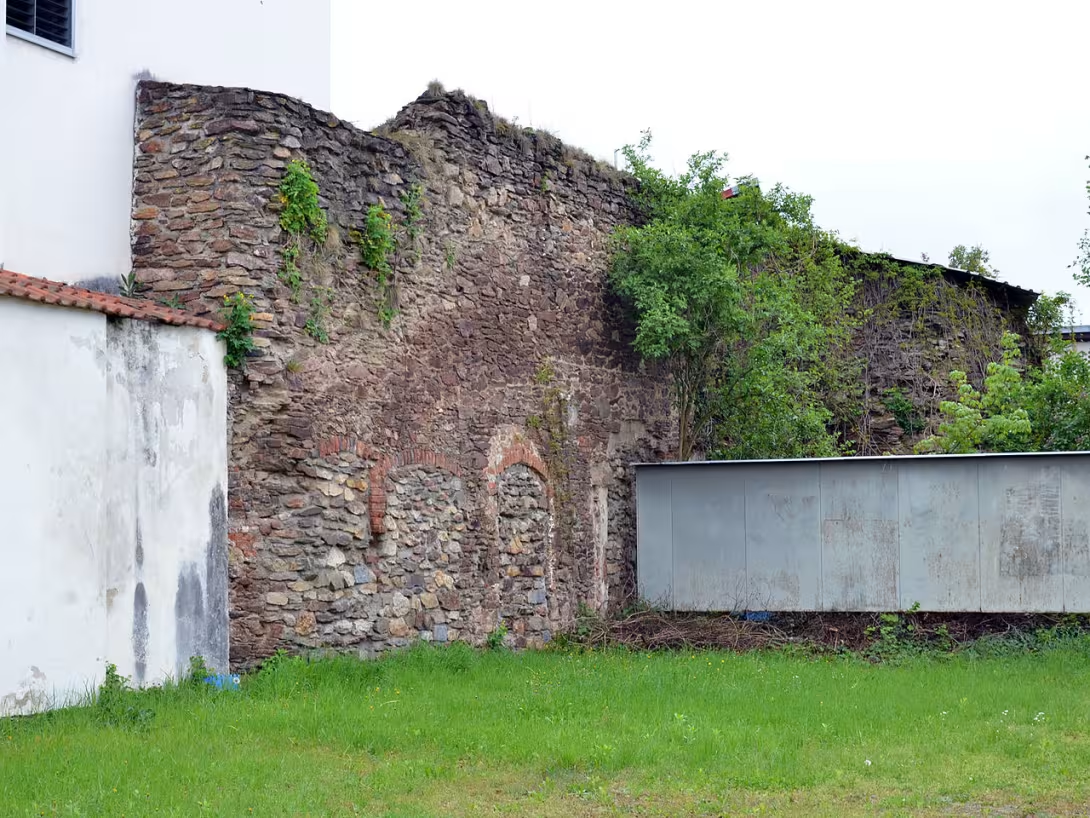
Then and now
Drag the slider to compare how the landmark may have looked when it was built with the view today.
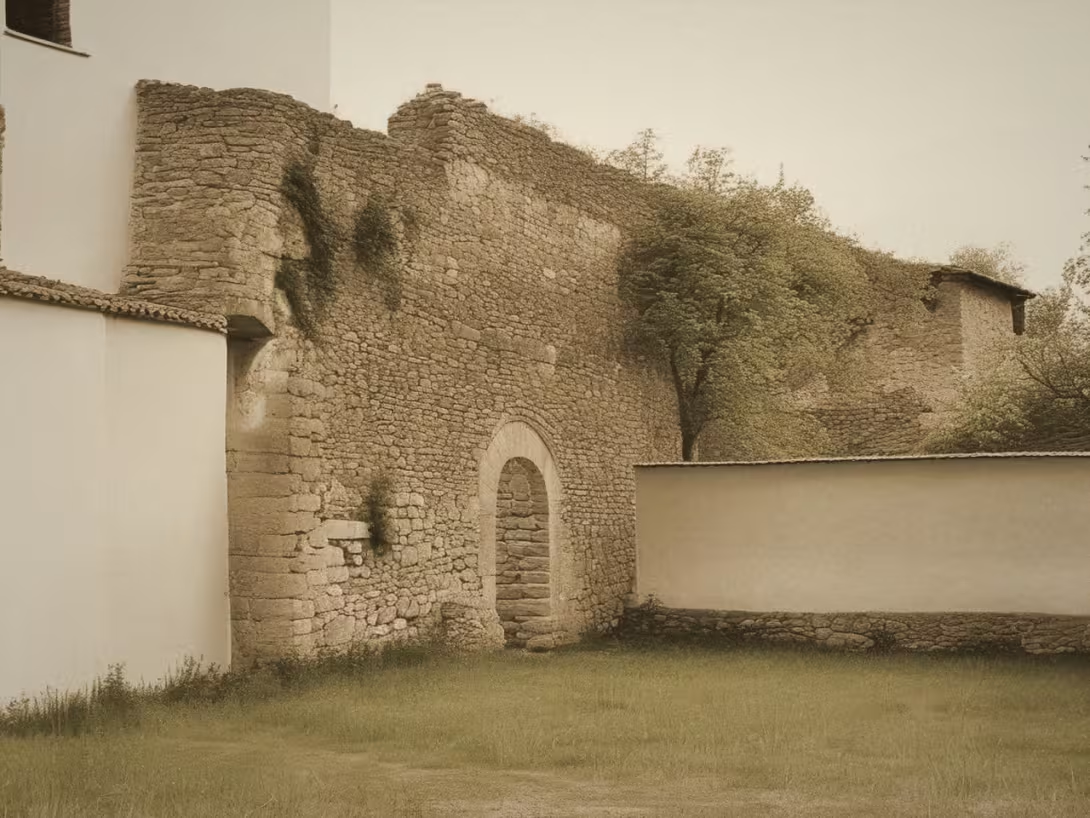
The historical appearance on the left is an AI-generated visualisation and serves as inspiration only.
Historical milestones
- 1958
- Declaration of the town fortification for cultural monument.
Architectural development
The original state dates back to the first half of the 14th century, later completed in the second half of the 15th century. The wall was built of quarry stone and reached a height of up to 6 metres at a width of 170 centimetres.
Historical events
The original fortification from the first half of the 14th century was damaged during Hussite wars. The current parts of the walls come from the second half of the 15th century. In 1958, the Bechy city fortification was declared a cultural monument.
Points of interest
- The original fortifications began in the early 14th century and were damaged during Hussite wars. - The current section of the wall dates back to the second half of the 15th century. - Architecturally, the fortifications are made of quarry stone and originally reached a height of 6 m at a width of 1.70 m - There is a moat in the east, with a moat that now serves as a garden. - A significant part of the system is the self-standing cylindrical bastion of the Cock, located south of the castle.
Guide
Show guide text
This text was created by artificial intelligence and has not been editorially reviewed. It may contain inaccuracies.
Welcome to Bechyn, a city that breathes its history from every stone. Right now, you're standing in front of one of the most important witnesses of the ancient times, which is Bechyan city fortification. Stop for a moment, take a breath and look around you. In front of you are the vibrations of the walls that once formed an impenetrable ring around the city. Feel the atmosphere of security and power that these walls radiated centuries ago while still serving their main purpose, which was to defend the population against hostile attacks. What you see today is a partially preserved system of medieval fortification facilities that allows us to look at when the border between the city and the outside world was clearly defined by these massive constructions.
Let us now return together in time to understand why these walls were built in the first place and what their fate was. The first walls began here at the beginning of the 14th century. At that time, it was crucial for every emerging city to have its own fortifications to protect trade routes, warehouses and, above all, people's lives. Bechyně was no exception and its walls were a symbol of stability and prosperity. However, history is not only about building, but also about destruction. During the Hussite wars, which shook the whole of the Czech Kingdom, the Bechy fortification suffered considerable damage. The fighting and the oblężení left their marks on the walls and the original system was disturbed in many places. It is precisely because of what you see in front of you today that it is not the result of one single building plan, but rather of the layering of history. The current sections of the wall you can admire come from the second half of the fifteenth century, when the city restored and modernised its defenses in order to face new threats and changes in period military tactical thinking.
Now pay attention to the architecture itself and the details surrounding you. Look carefully at the surface of the walls. Notice the material they're built from. The whole fortification was taken out of the quarry stone, which gives him this typical, rough and robust look. This stone was taken in the vicinity and served as a basic building block for the whole construction. Try to imagine in your mind what work it was to carry these heavy blocks and their precise composition. If you look up, remember, the original walls were up to six meters high. For a man from that time, it was an impressive obstacle, which combined with the width of the wall, which was 5 feet tall, created a very durable barrier.
If you continue your search, focus on the rhythm of the walls. Notice they're not just flat. A series of baskets are inserted into the perimeter to allow defensemen to shoot the enemy who tried to approach the wall itself. You will see two types of baskets here: some are quadrupled, others are half-cylindrical. It was this rounded shape that was very practical because it better reflected the projectiles and did not allow the attackers to find blind angles. In addition to these baskets within the wall, there are other interesting elements in the system. Note the forward cylindrical voice, which served as a view tower and signal tower, from which it was possible to see the imminent danger in time. And don't forget to search for a stand-alone bastion called Kohoutek, which is one of the most significant elements of the complex and still reminds us of the strategic deployment of defence elements in the city area.
Although we don't know in historical records the names of the particular architects who designed these walls or the names of the soldiers who served on them, we can imagine what life here was like. Imagine the morning patrols that walked through the walls and watched the horizon in the cold of the morning. Introduce yourself as a population of the 15th century Bechyně, for which these walls were synonymous with peace and security. It was the sense of protection that allowed the city to flourish and build its identity. The walls were not only a military element, they were also a psychological boundary. Everything inside was a safe community, while the world behind the walls was unpredictable and dangerous.
Now I'm going to lead you to one interesting thing, which may not be as visible at first sight as the walls themselves, but which is essential to understanding the system. If you move east, you'll find the remains of the ditch. The moat was combined with a high wall of the basic element of medieval defense. The assailant first had to overcome the deep groove in the ground, making him an easy target for defensemen standing up on the walls. The idea of enemy troops trying to overcome this ditch under strict supervision from bastion gives us a better idea of how difficult the attack on the fortified city was.
It's fascinating to realize how the roles of these walls changed over time. The active defense system has become silent witnesses to history, who have gradually fallen into the background of urban development. However, in the year nine hundred and fifty-eight, a major step took place when the Bechy city fortification was officially declared a cultural monument. This act recognised its irreplaceable historical and architectural importance. Today, these walls are an integral part of the Bechy City Monument Zone, which means they are protected for future generations to remind us in a hundred years what Bechyně looked like in the days of knights and castle guards.
When you look around now, see these walls not only as a pile of quarry stone, but as an open book that tells the story of survival, restoration and pride of a small town. Every crack in the stone and every arch of the bastion carries a trace of time. It's where medieval pragmatism meets today's nostalgia.
I wish you to find your own details while researching these premises that will interest you. I recommend to slowly walk along the preserved sections, touch the rough surface of the stone and try to imagine what view the guards had from the top of the walls to the surrounding landscape. Bechy fortification is just one of the many beauties of this city, but it is the one that reminds us most of our roots and the ability of man to build things that will last centuries.
Thank you for accompanying me on this short journey in time. Now it's up to you to discover the rest of this fascinating place. Enjoy your stay in Bechynia and continue to be inspired by its unique atmosphere. See you next time.
Tips for visitors
The best time to visit is late afternoon in spring or autumn months. Soft light will highlight the texture of old wall walls and half-cylinder baskets, which is ideal for photography. We recommend search for sightseeing points that offer a view of the combination of fortifications and surrounding landscapes.
You can reach Bechyně by car and public transport; Check the current connection in the search engine. Parking is possible on marked areas within the city, from where the walls are easily accessible by foot.
We recommend shoes with fixed soles because the terrain around the walls can be uneven. For families with children, walking through the walls is a great way for them to interactively present medieval history and the principles of defending the city.
After the tour of the fortifications, we recommend continuing the discovery of the Bechy Town Monument Zone or visiting the local castle in Bechyn, located in the immediate vicinity.
Businesses nearby
Do you run a restaurant, accommodation, shop, museum, rental, wellness or other visitor service near this monument? Show yourself directly to the people heading to it — this is how they will see you in the app and on the web:
Nearby
Bechynia City Monument Zone, the castle in Bechynia.
Accommodation nearby
Themed route
1. Castle in Bechyni (Type: Castle) - A tour of the historical architecture and courtyard of this important building. 2. Bechynia City Monument Zone (Type: Monument Zone) - Walk through historic streets that have preserved the authentic city atmosphere. 3. Městské opevnění v Bechyni (wall) (Type: Urban fortifications) - Main destination of the trip representing the historical defence systems of the city.
Seasonal recommendations
In spring, the walls will be surrounded by fresh greenery and flowering trees that give the monument a fresh look. The atmosphere is full of expectations and the light is fine, which is ideal for observing details of masonry. We recommend to dress up layers of clothing because the weather is usually variable, and set off in the morning before the first hikers appear in the streets.
The summer season brings a radiant sun and thick shade of leaves that contrasts with the stone surface of the fortifications. The air is hot and the city is throbbing with life, creating a dynamic mood. In order to avoid the biggest crowds and the heat of the morning, it is best to come first thing in the morning in light clothes and not forget enough fluids.
In autumn, the surroundings of the walls turn into golden and brown tones, while morning fog gives the place a mysterious touch. Clean air allows better views of the surrounding landscape from elevated areas. Suitable is waterproof shoes and lighter jacket, the best time for visiting is late afternoon when the sun paints the walls in warm shades.
In winter, the fortifications are rough and monumental, especially when the landscape is covered with snow and freeze. There is peace and quiet, which allows you to see the history of a place without interference. It is necessary to choose really warm clothes and notice the shortened opening hours, while we recommend visiting in the morning to make sure to take advantage of the short daylight.
Visualizations and artistic views


The visualisations are generated by artificial intelligence and serve as inspiration.
Photos from the area
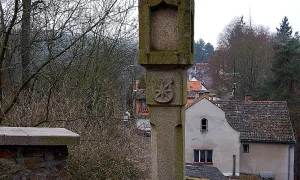
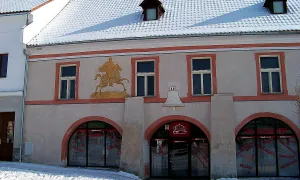
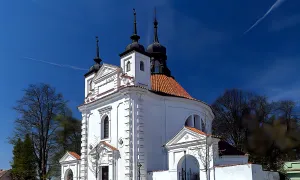
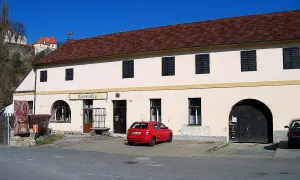
Real photos taken near the monument


Zdroj a licence jsou uvedeny u každého snímku.
Tips from visitors
No tips yet. Be the first!
Log in and add your tip.
Sources and literature
Fotografie: NoJin / CC BY-SA 3.0 — Wikimedia Commons. The author and licence also appear when you hover over the image.
Faktickým podkladem tohoto textu byl článek na Wikipedii, jehož autory jsou přispěvatelé Wikipedie. Článek je dostupný pod licencí CC BY-SA 4.0.
Location on the map

Příběhy a pověsti
Legendy, pověsti a příběhy spjaté s touto památkou
Fotografie návštěvníků
Zatím žádné fotografie. Buďte první, kdo přidá fotografii z návštěvy!
Přihlaste se a přidejte svou fotografii nebo hodnoťte.
Za ověřenou návštěvu v aplikaci získáte víc bodů — poznáme podle GPS, že jste na místě.
Reviews and comments