



Kotěrova vila (Bechyně) Villa
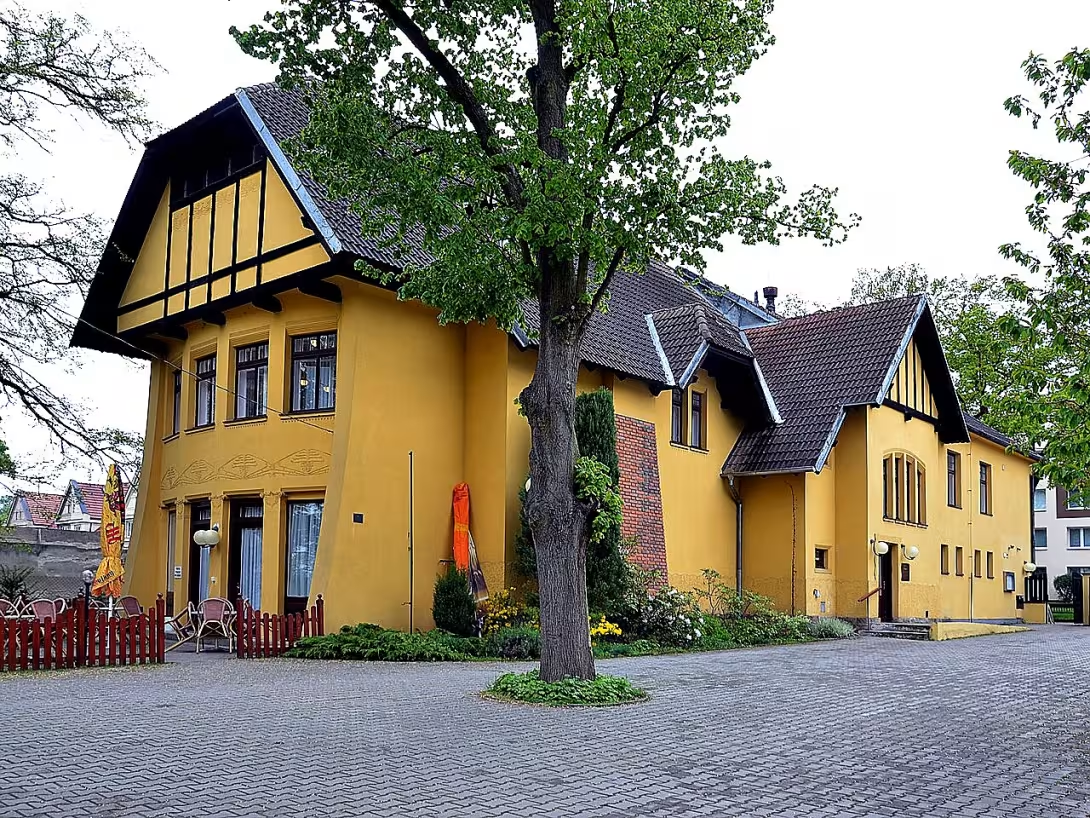
Kotor's villa, also known as Vlasta or Vendelín Mách's house, is a Art Nouveau building located in the city of Bechyně. It was built in 1903 by architect Jan Kotera and since 1958 it has been a protected cultural heritage. The villa, inspired by English family houses, boasts rich interior decoration with elements such as stucco ornaments and beam ceilings.
It was created on the basis of the reconstruction of the summer residence of Vendelín Mácha, owner of the bakery in Prague. Jan Kotěra transformed the house into Art Nouveau style, the popular direction of Czech architecture at the turn of the 19th and 20th centuries. This period was characterised by the creation of representative locations for successful entrepreneurs.
Architecturally, Kotor's villa is inspired by English family houses. The main part of the building has a saddle roof with halves, while the eastern shield is covered with a saddle roof and a western valb roof. The facades are divided to match the interior layout of the rooms, with authentic carpentry and locksmith elements. In the interior we will find stucco ornaments, fireplace in the library and unique beam ceiling in the staircase hall.
There have been several key changes in the history of the villa. Since 1950 she served as a kindergarten and later a pioneer's house. In 1994, the Ministry of Interior of the Czech Republic was briefly used before it was rebuilt for the purposes of the Jupiter Hotel in 1996. Today it is part of the spa complex along with the neighbouring villa Přemysovka.
Kotor's villa boasts interesting details, such as an emblem with a sundial clock on the western facade and the original fireplace in the library. These elements contribute to its uniqueness and historical importance.
Today Kotěr's villa is accessible as part of the hotel complex, allowing visitors to explore its rich architecture and history. Its location northeast of the historic heart of the city Bechyně adds additional attraction to this monument.
Kotěr's villa is not only an important cultural heritage but also a witness to changes in Czech architecture and society. Its history and architectural beauty make it an ideal destination for anyone interested in the heritage of the region. Visiting this villa offers a view of the past and an opportunity to appreciate the art and history of Czech construction.
Historical milestones
- 1903
- Building building according to Jan Kotera's design
- 1950
- Use of the building as a kindergarten
- 1958
- Entry into the list of cultural monuments
- 1996
- Extensive rebuilding for hotel purposes
Architectural development
The building was built in 1903 by rebuilding the summer residence into Art Nouveau style. The architecture is inspired by English houses and contains rich interior decoration. In 1996 there was extensive reconstruction for hotel purposes.
Historical events
1903: building construction; 1950: use as a nursery; 1958: declaration for cultural heritage; 1996: rebuilding to hotel.
Owners
Vendelín Mácha (before 1903), Ministry of Interior of the Czech Republic (1994), Hotel Jupiter (since 1996).
Points of interest
- Kotor's villa is an Art Nouveau building built in 1903 by architect Jan Kotera. - The villa was rebuilt from the summer residence of Vendelín Mácha, owner of the bakery in Prague. Since 1958, it's been a protected cultural heritage. - It served as a kindergarten and pioneer house since 1950, was briefly used by the Ministry of Interior of the Czech Republic in 1994, and later rebuilt for the purposes of the Jupiter Hotel. - Part of the spa complex along with the adjoining villa Přemysovka.
Guide
Show guide text
This text was created by artificial intelligence and has not been editorially reviewed. It may contain inaccuracies.
Welcome to Kotor's villa in Bechyni! You're standing in front of a unique Art Nouveau building designed by architect Jan Kotera. Although it is part of the hotel complex today, we must not forget its rich history and architectural significance.
Let's dive into the past. In 1903 this building was built as a reconstruction of the summer residence of Vendelín Mácha, owner of a large bakery from Prague. Jan Kotěra, known for its innovative work and influence of modern architecture, proposed this vision which was inspired by English family houses. The villa is full of details telling the story of its time and artistic directions.
Look up at the front of the villa. Note here the rich stucco decoration, which is the characteristic features of the Art Nouveau. The inner space captures its authentic elements as a beam ceiling and elegant furniture, which still captures the spirit of the past.
The villa also has interesting historical stories. After its creation, it was used in 1950 as a kindergarten and a pioneer's house, which shows its adaptability to the various needs of society. In 1958, the villa was entered in the list of cultural monuments, making it a protected historical value.
The interesting thing is that this building has not only endured changes over the years, but also preserved its original architectural spirit. It's a rare example of an Art Nouveau that remains intact in time.
Now that you've examined her history and details, I'm going to invite you to another tour. The villa offers many interesting angle views and opportunities to enjoy a beautiful outdoor area. Whether you choose to discover or have fun in the hotel, Kotěr's villa in Bechyni is a place worth every moment.
Thank you for your visit and we hope you enjoyed this beautiful piece of Czech history. Keep it nice!
Tips for visitors
The best time to visit Kotor's villa is autumn when the surrounding landscape is in full beauty and the light is ideal for photography. Plus, you can avoid summer hot days.
When visiting take with you clothes suitable for autumn weather as well as shoes on walking. In addition, it is good to carry a sunscreen and sunscreen.
Photography in Kotor Villa offers several beautiful perspectives, especially the west side of the building is ideal for capturing breathtaking light. Also remember the interior that reflects Art Nouveau style.
In the surroundings you can visit the historical core of the city Bechyně, where you can find other architectural pearls and attractions. For families with children, the city offers various activities and entertainment programs.
Frequently asked questions
Can the monument be visited?
This is a residential or farm building, not a museum with opening hours. Please view it from public space and respect the owners' privacy. We have no information about access to the interior.
Where is the monument?
Location: Bechyně, Jihočeský kraj. The map on this page shows the exact spot.
Why is the monument protected?
It is listed in the Central List of Cultural Monuments of the Czech Republic as a cultural monument (register no. 1000157784).
Businesses nearby
Do you run a restaurant, accommodation, shop, museum, rental, wellness or other visitor service near this monument? Show yourself directly to the people heading to it — this is how they will see you in the app and on the web:
Nearby
Historické jádro města Bechyně.
Accommodation nearby
Themed route
Kotor's villa Type: Villa Why it is worth a visit: This unique building is a symbol of modern architecture in the region and offers a view into the life of an important person. Its architectural solutions and preserved interior space attract lovers of history and design.
Historical core of the city Bechyně Type: City Centre Why is it worth a visit: Walk on the streets reveals the rich history of the village through preserved houses and squares. Here you can feel the atmosphere of a small Czech town with a long tradition.
The surroundings of Kotor's villa Type: The immediate surroundings of the monument Why is it worth a visit: The space around the villa allows a peaceful walk and reflection on the context of the construction. It serves as a natural transition between the villa and the wider city.
Historical core of the city Bechyně Type: City Centre Why is it worth a visit: A return visit to the centre allows for a deeper examination of the details that may have escaped attention on the first pass. It's an ideal place to take a short break and meet the local environment.
Kotor's villa Type: Villa Why is worth a visit: A final visit to the villa after exploring the surrounding area of the city allows you to compare the impression of the historical centre with the architectural uniqueness of this building. It thus strengthens the overall picture of the cultural heritage Bechyně.
Seasonal recommendations
Spring: In the spring period, Kotrov's villa in Bechynia is decorated with flowering gardens that attract attention with their diverse colour spectrum. The sun rays illuminate architectural details of the villa and its surroundings in the best light, which makes visitors more attractive. During this period, the atmosphere on the outdoor areas can be even more welcoming due to mild temperature and frequent spring rain that green the landscape. It is recommended to visit in the early hours of the afternoon in order to enjoy natural beauty without excess visitors and at mild temperature.
Summer: In summer, Kotrov's villa is surrounded by full flowering gardens that offer an escape to peace and beauty. The sunlight illuminates the architecture of the villa in the most beautiful possible way, which is ideal for photography. Summer brings a warm atmosphere and often a rush of tourists, so it is advisable to visit early in the morning or later in the afternoon to avoid the hottest hours. It is recommended to wear light clothes and not miss a supply of drinking drink.
Autumn: In the autumn, the gardens around Kotor's villa take on different faces when the leaves change their shine and fall to the ground. Sun rays penetrate through trees with a less dense crown, creating melancholy and quiet lighting that is ideal for relaxation and reflection. The atmosphere becomes milder and considerably less demanding on temperature, which allows you to visit in the later hours of the day. It is recommended to wear clothes suitable for mild cold weather and consider a visit at the end of the working week when the expected number of visitors is lower.
Winter: In winter, the landscape elements around Kotor's villa acquire peaceful and peaceful characteristics when vegetation is at rest. The sunlight lights up snow and ice surfaces, which brings a unique atmosphere that can be particularly attractive for lovers of cold weather. It is recommended to wear warm clothes, including hats and gloves, and to visit the place in the early hours of the day in order to enjoy the winter sunlight.
Visualizations and artistic views


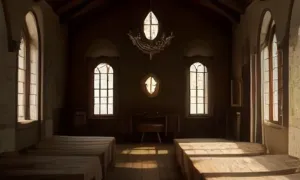
The visualisations are generated by artificial intelligence and serve as inspiration.
Photos from the area
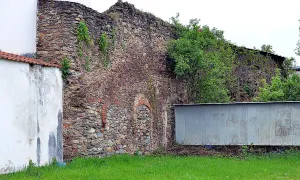
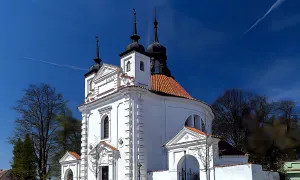
Real photos taken near the monument


Zdroj a licence jsou uvedeny u každého snímku.
Tips from visitors
No tips yet. Be the first!
Log in and add your tip.
Sources and literature
Photos: NoJin / CC BY-SA 3.0 — Wikimedia Commons. The author and licence also appear when you hover over the image.
Faktickým podkladem tohoto textu byl článek na Wikipedii, jehož autory jsou přispěvatelé Wikipedie. Článek je dostupný pod licencí CC BY-SA 4.0.
Location on the map

Příběhy a pověsti
Legendy, pověsti a příběhy spjaté s touto památkou
Fotografie návštěvníků
Zatím žádné fotografie. Buďte první, kdo přidá fotografii z návštěvy!
Log in a přidejte svou fotografii nebo hodnoťte.
Za ověřenou návštěvu v aplikaci získáte víc bodů — poznáme podle GPS, že jste na místě.
Reviews and comments