



Gloriet Gloryt
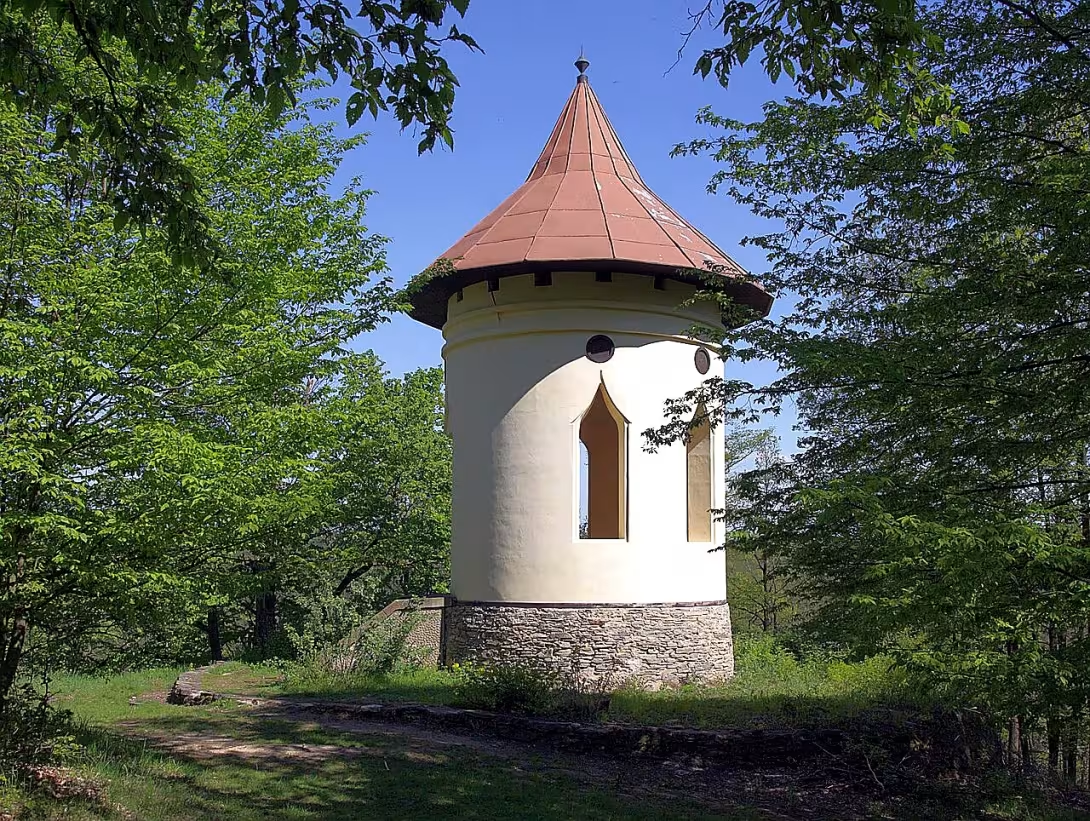
Gloriet is a hunting pavilion built at the end of the 18th century, more precisely in 1830, above the valley of the Třebíč River, which is located in Vysočina Region. This historical object is remarkable by its architectural structure and cultural significance as a protected monument of the Czech Republic. The original design of the pavilion comes from Henry Wilhelm III. Haugwitz, owner of the estate and a castle on Wolf Hill. Gloriet boasts a cylindrical shape built on a stone suspect with a rectangular entrance and five view holes that provide a beautiful view of the surrounding landscape. Originally, the interior was equipped with oak parquet and round table with chairs, but today there is a pavilion without indoor equipment.
The creation of Glorieta was related to the romantic era of the 19th century, when architecture was strongly influenced by historism and novogotism. This style was manifested by fascination with nature and history, which led to the creation of many ornamental buildings in the landscape. Gloriet was built as a hunting pavilion, which served not only as a resting place but also as a view of wild nature and hunting.
The Glorieta architecture is characterized by its cylindrical shape and stone suspicion. The entrance hole has a rectangular shape with a receding wedge, which gives the construction elegance and historical value. Although the interior was originally equipped with oak parquet and round table with chairs, today the pavilion is completely without interior equipment.
The ownership of Gloriet came from Henry Wilhelm III. Haugwitz, who also owned the estate and the castle on Wolf Hill. After his time, the building became the property of the state enterprise Náměšníště nad Záslavou, which in 2003 performed reconstruction of Glorieta.
Key events in Glorieta's history include its original construction in 1830 and reconstruction in 2003. These events highlight the long history and care of this object, which is today protected as a cultural monument.
Today, Gloriet stands over the valley of the Festival River as a witness of past times. Although it is without internal equipment, its architectural structure and historical context make it an interesting destination for visitors. The Pavilion offers a unique perspective on the surrounding landscape and is an important part of the region's cultural heritage.
Gloriet is an important monument which captures the essence of the 19th century romantic era and its fascination with history and nature. Its architectural structure and history make it not only a cultural monument, but also a place of beauty and peace. For those who want to explore the rich history and nature of the Czech Republic, Gloriet is a great place to visit.
Then and now
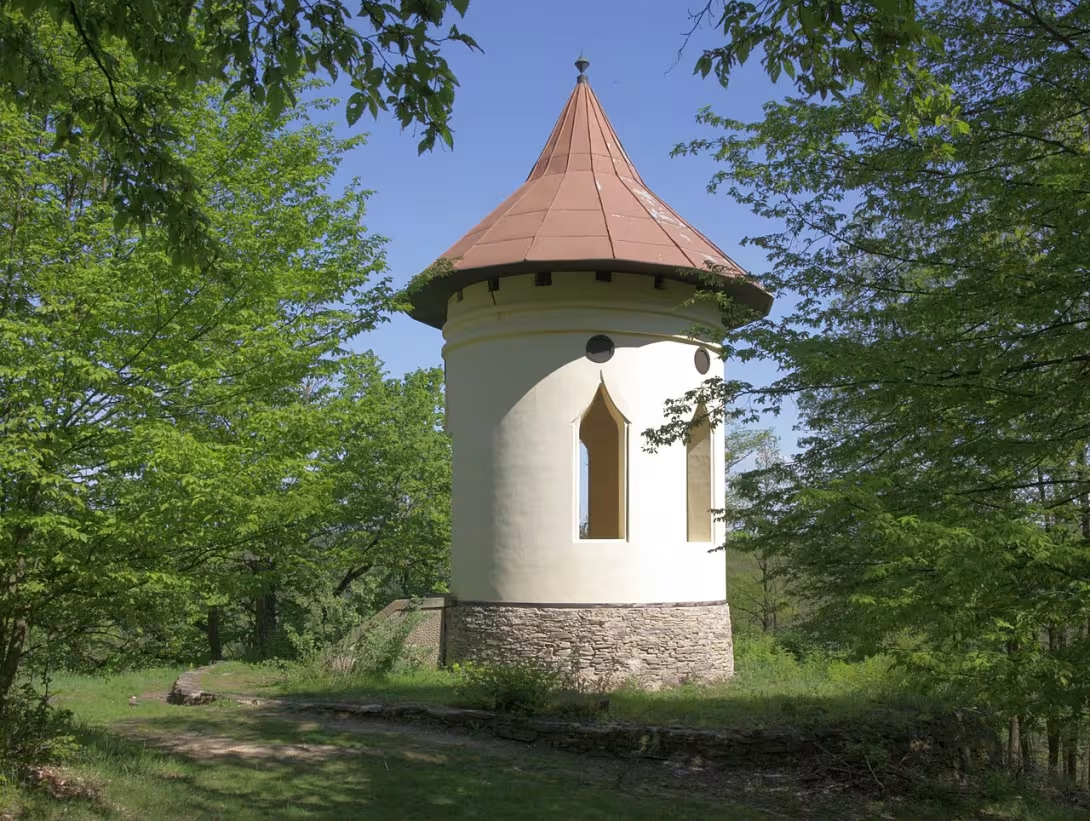
Drag the slider to compare how the landmark may have looked when it was built with the view today.
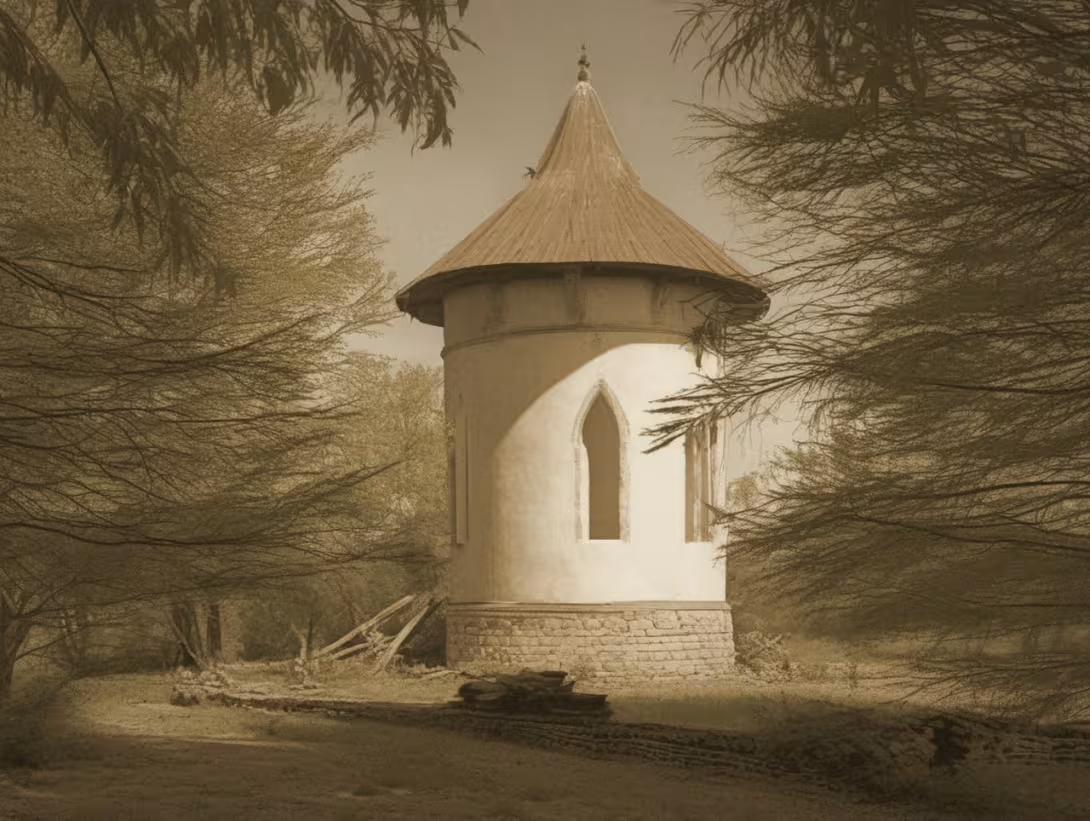
The historical appearance on the left is an AI-generated visualisation and serves as inspiration only.
Historical milestones
- 1830
- The position of the hunting pavilion Gloriet over the valley of the Festival River.
- 2003
- Reconstruction of Glorieta by state enterprise Forest administration Náměště nad Záslavou.
Architectural development
The construction was built in the style of historical romanticism and subsequently modified in a neo-gothic way. The cylindrical object stands on a stone suspect and has a rectangular entrance with a receding enchantment and five view holes.
Historical events
1830: pavilion construction, 2003: reconstruction of the building by the state company Náměšt'ástí nad Záslavou
Owners
Jindřich Vilém III. Haugwitz (founder), Forest Administration Náměště nad Záslavou (reconstruction 2003)
Points of interest
- Gloriet is a hunting pavilion built in the late 18th century, more precisely in 1830. - The original design of the pavilion comes from Henry Wilhelm III. Haugwitz, owner of the estate and a castle on Wolf Hill. - The Glorieta architecture is characterized by its cylindrical shape and stone suspect with a rectangular entrance and five view holes. - The ownership of Gloriet came from Henry Wilhelm III. Haugwitz, who also owned the estate and the castle on Wolf Hill. - Today, the Gloriet stands over the valley of the Festival River as a witness of past times and is protected as a cultural monument.
Guide
Show guide text
This text was created by artificial intelligence and has not been editorially reviewed. It may contain inaccuracies.
Welcome to this extraordinary building that stands over the valley of the Festival River. You are standing in front of Gloriet, a place that carries the peace and elegance of the past centuries. Before you go any further, stop for a moment and see the surrounding countryside. Take a look at the flow of the river, which waves in the valley below you, and feel the harmony between nature and human work. This cylindrical object you are now observing is not just an ordinary building, but a witness to a history that has stood here for almost two centuries.
Let us return together to the time when this space began to change. Imagine the year one thousand eight hundred thirty. The world was fascinated by nature and sought inspiration for its beauty. It was this year that this hunting pavilion was built. It was not just an ordinary resting place, but a part of the wider world that controlled this estate. The whole idea, the whole idea of this place was put in by the owner of the then estate, Jindřich Vilém III. Haugwitz. He was a man who had an effect on this whole county and his vision materialized right here in this picturesque position over the waters of the Festival.
Now pay attention to the very form of the building that surrounds you. Notice its very specific, cylindrical shape. This geometry gives the building a sense of stability, but at the same time it gives it ease, which is perfectly suited to its role as the castle. If you look at the bottom of the building, you'll see a stone suspect. This solid base gives the whole emphasis and historical weight. Note also the entrance that has a clear rectangular shape. This detail creates an interesting contrast to the soft, round lines of the building itself.
If you look at the walls and the overall structure, you might feel some variability in them. The history of this building is not one solid story, but rather a chain of changes. Originally, this building was built in a style they called romanticism at the time. It was a style that celebrated emotions, the beauty of nature and a certain mystery. Later, however, the face of the building changed when it was modified into a neo-gothic style. This change in architecture shows us how taste changes and how people have sought new ways over the years to express their respect for history and the architecture of the past. Although we do not know the name of a particular builder, we can read in these lines about the desire of the then nobility for perfection and aesthetic balance.
It's interesting to think about how this object has endured over the years. It's not just a monument we're looking at, it's a protected cultural treasure of our country. While time is constantly changing, this pavilion has maintained its importance. You may be interested in the fact that even in modern times he cares about this space. Several years ago, precisely in the year two thousand and three, there was a thorough reconstruction. It was carried out by the state administration of the forests of Náměště nad Záslavá, so that this unique object can be presented again in full glory to visitors, just as it is for you right now. Thanks to this care, we can watch its shapes today and feel the atmosphere it creates here.
Please consider how much this pavilion is connected to Henry Wilhelm III. Haugwitz. He was the one who decided that this very place above the river would serve for his needs and for the joy of hunting and nature. His influence spread all around, including a nearby castle on Wolf Hill. This Gloriet was not only an isolated object, but an important point in the wider network of its own world.
Now that you've devoured the main features of this building, you might think of one interesting thing. Think about how the neighborhood has changed in 80 years. When this pavilion was built, there was probably much more silence, interrupted only by the noise of the river and the sounds of the forest. Human activity is present today, but construction still seems to be in some kind of dialogue with nature, as if it had always been here. It is precisely the ability of the building to fit into the landscape, although it is so distinctive, which makes it such a valuable object.
Don't just let yourself be led away by looking at the construction itself, but feel the space around it. You're standing in a place where history meets the beauty of nature. This cylindrical object is like a guardian of the valley that encourages us to stop and to perceive the beauty that surrounds us.
I hope this short journey through time and history of Gloriet has enriched you. But now it is time to move on. Continue to walk through this beautiful valley, feel the atmosphere of the place and be inspired by the calm that prevails. Perhaps the next trip around the river will surprise you with something else. Thank you for spending this moment right here with us. We wish you a wonderful continuation in discovering this place. Goodbye.
Tips for visitors
The best time to visit Glorieta is in summer when the green regions are the most beautiful and the sun illuminates the summer hunter. At this time you can relax and enjoy the natural beauty of the surroundings.
You can find the current connection using an online search engine.
When visiting, bring protective clothes and shoes suitable for walking on mountain paths. A camera can be an additional element if you like photography.
For the best photographic moments, look for places overlooking the valley of the Festival River. The best light is usually the afternoon when the sun lights up the summer hunter from the side.
In the vicinity of Glorieta there is also a nearby castle on Wolf Hill. This historical object can be visited within the same visit, which is ideal for those who like history and architecture.
For families with children, the surrounding nature is a great attraction. You can look at the animals in their natural environment and explore mountain trails that are also suitable for less experienced tourists.
Frequently asked questions
Can the monument be visited?
We have not verified whether this monument is accessible. Please ask the owner or operator, or the local municipal office.
Where is the monument?
Location: Kraj Vysočina. The map on this page shows the exact spot.
Why is the monument protected?
It is listed in the Central List of Cultural Monuments of the Czech Republic as a cultural monument (register no. 1000132852).
Businesses nearby
Do you run a restaurant, accommodation, shop, museum, rental, wellness or other visitor service near this monument? Show yourself directly to the people heading to it — this is how they will see you in the app and on the web:
Events nearby
Zdroj akcí: otevřená data měst a obcí ČR (Národní katalog otevřených dat) a kalendář akcí Národního památkového ústavu.
Nearby
Údolí řeky Oslavy a nedaleký zámeček na Vlčím kopci.
Accommodation nearby
Themed route
Route to the castle Gloriet
1. Valley of the River Celebration - Type: natural area - Why it is worth a visit: The valley offers beautiful views and a quiet atmosphere, ideal for relaxation and walking in nature. It's a place where you can relax your mind and appreciate the natural beauty of the surrounding region.
2. Castle on Wolf Hill - Type: historical castle - Why is it worth a visit: This picturesque castle is full of history and legends that attract many visitors. It is an ideal place for those who like history and architecture.
3. Gloriet (summer house) - Type: summer castle - Why it is worth a visit: Gloriet is not only a beautiful example of Baroque architecture, but also provides excellent views of surrounding landscape elements. It is the main destination of the route and is worth visiting for its historical value and location.
4. Tanks Gloriet - Type: the castle area - Why is it worth a visit: The tank offers the opportunity to explore the surrounding gardens and enjoy a quiet moment in nature. It is also a place where you can appreciate the architectural design of the summer castle.
5. Tower Gloriet - Type: historical tower - Why is it worth visiting: The tower offers a unique perspective on the surrounding landscape and is an important element of the summer castle. It is an ideal place for those who like views and historical monuments.
This route offers a combination of natural beauty and historical attractions, making it ideal for a day trip.
Seasonal recommendations
Spring: In the spring season Gloriet offers visitors an impressive experience when nature wakes up from its winter sleep. Green shrubs and flowering trees create a beautiful background for this year's castle, which is lit by sunlight. The peak of spring colours is particularly impressive in early May. Visitors should come in warm clothes with an umbrella because spring weather can suddenly be variable and rain more often than in the summer. It is best to visit the memory early in the morning to avoid possible crowds who want to record this beautiful time of the year.
Summer: The Gloriet summer offers visitors an exciting atmosphere full of life. Sunshine days and warm wind increase comfort during walking around this year's castle, which is lit by long sunlight. The peak of the summer season brings the greatest attendance, so it is recommended to arrive early in the morning or later in the afternoon to avoid the hardest times. When designing a trip it is advisable to wear light clothes and sun cream. Don't forget to bring enough drinking water, because warm weather can be exhausting.
Autumn: In the autumn period, Gloriet offers visitors a unique atmosphere of coloured leaves. Trees and shrubs turn into different shades of yellow, orange and red, creating an impressive background for this year's castle. The sunny days are often still warm, but in the evening they can quickly cool down, so it is advisable to bring with them clothing for layering. The best time for a visit is a good time because autumn days are longer and less difficult than in winter. This time of year attracts many nature lovers, so it is recommended to visit a monument at the beginning or end of the week when there are probably fewer people.
Winter: In winter Gloriet offers visitors a peaceful and peaceful atmosphere. Cold days and snow sheets bring magic to a place where the castle becomes a hidden beautiful piece in the winter landscape. Open time can be limited due to cold weather, so it is important to check in before visiting. Hot clothes, including hats and gloves, are essential for comfort during walks. Despite the cold, winter time can be an ideal time to visit, because there are usually fewer people and offers a calmer experience regardless of crowd pressures.
Visualizations and artistic views


The visualisations are generated by artificial intelligence and serve as inspiration.
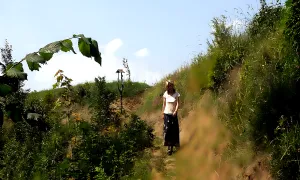
Photos from the area
Real photos taken near the monument


Zdroj a licence jsou uvedeny u každého snímku.
Tips from visitors
No tips yet. Be the first!
Log in and add your tip.
Sources and literature
Photos: RomanM82 / CC BY-SA 4.0 — Wikimedia Commons. The author and licence also appear when you hover over the image.
Faktickým podkladem tohoto textu byl článek na Wikipedii, jehož autory jsou přispěvatelé Wikipedie. Článek je dostupný pod licencí CC BY-SA 4.0.
Location on the map


Příběhy a pověsti
Legendy, pověsti a příběhy spjaté s touto památkou

Fotografie návštěvníků
Zatím žádné fotografie. Buďte první, kdo přidá fotografii z návštěvy!
Log in a přidejte svou fotografii nebo hodnoťte.
Za ověřenou návštěvu v aplikaci získáte víc bodů — poznáme podle GPS, že jste na místě.
Reviews and comments