






Habry Chateau
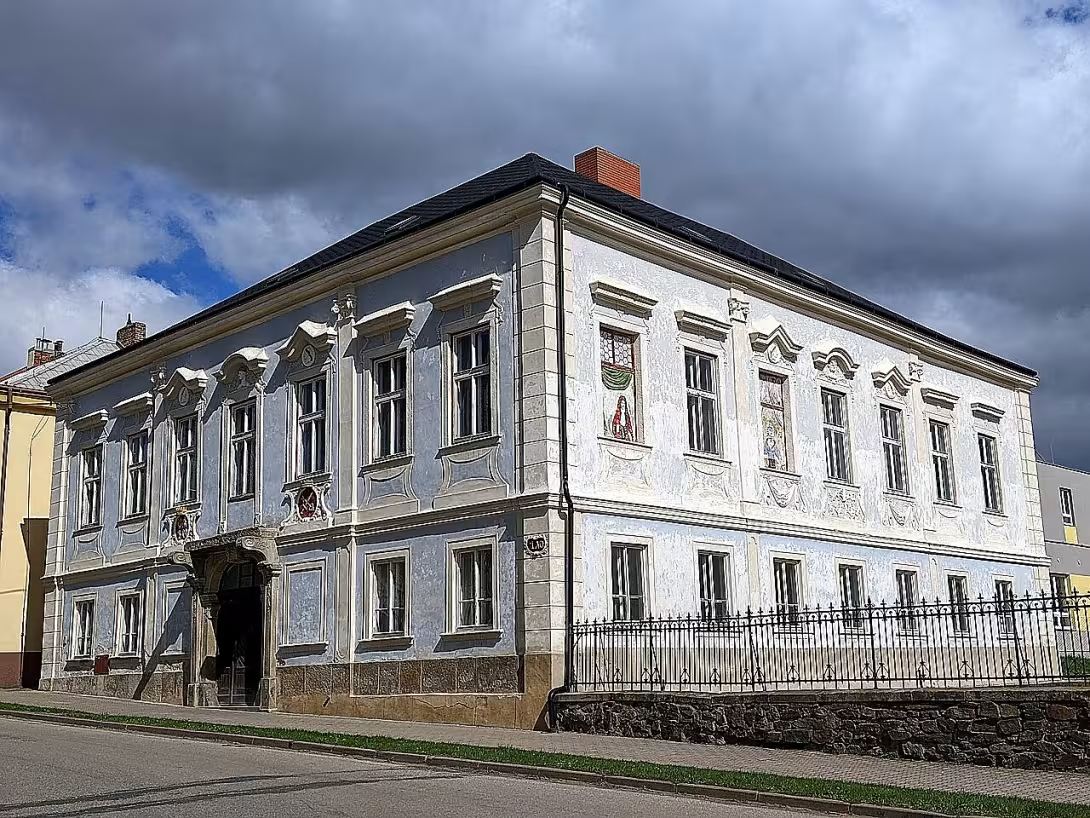
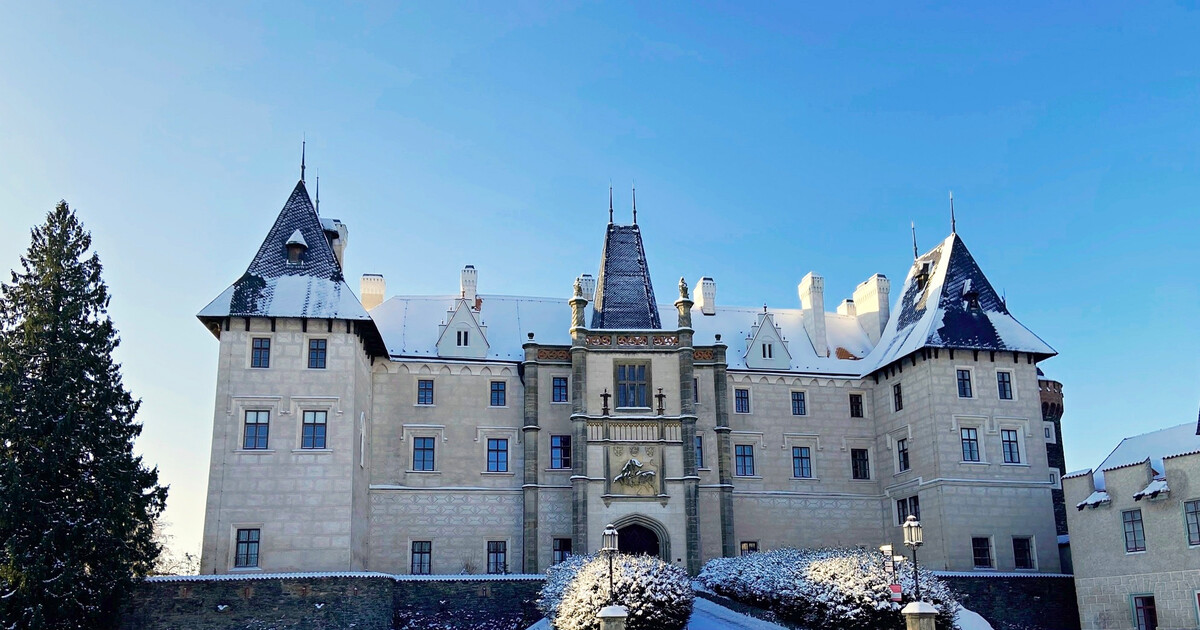
Nestled in the quaint town of Habry within the Vysočina Region of the Czech Republic lies the Baroque castle known as Château Habry. This historical monument stands out not only for its architectural beauty but also for its rich history dating back to the early 18th century. Originally constructed between 1717 and 1720 by Adolf Felix Pötting-Persing, the château served as an administrative center for his estate. Over time, it has undergone significant transformations, including a devastating fire in the late 19th century that led to partial reconstruction. Today, Château Habry is celebrated as a museum that opened in October 2009, offering visitors a glimpse into its storied past through various rooms such as a hunting salon and baroque bedrooms.
The origins of Château Habry are rooted in the early 18th century when Bohemia was part of the Habsburg Monarchy. During this period, Baroque architectural developments were prevalent across Europe, reflecting the grandeur and power of the ruling classes. Adolf Felix Pötting-Persing initiated its construction as a two-story structure, which later underwent significant changes due to a fire at the end of the 19th century. The château was reduced to one story following this event and subsequently underwent neo-Baroque reconstruction.
Architecturally, Château Habry is notable for its Baroque style, characterized by grandeur and intricate details. Originally built as a two-story structure, it now stands as a single-story building due to the fire that necessitated partial reconstruction in the neo-Baroque style. The château's design reflects architectural trends of its time, emphasizing symmetry and elaborate ornamentation.
Ownership of Château Habry has seen several transitions over the centuries. After its initial construction by Adolf Felix Pötting-Persing, it was purchased by František Josef ze Salm-Reifferscheidt in 1870, who integrated it into his Světlá nad Sázavou estate. In more recent history, Petr Rudolf Vančura acquired the château in 2007 and undertook restoration efforts that culminated in its opening as a museum in October 2009.
Key events in the château's history include its construction by Adolf Felix Pötting-Persing between 1717 and 1720, its integration into the Světlá nad Sázavou estate by František Josef ze Salm-Reifferscheidt in 1870, and its transformation into a museum following restoration efforts by Petr Rudolf Vančura. These events highlight the château's enduring significance and adaptability through changing times.
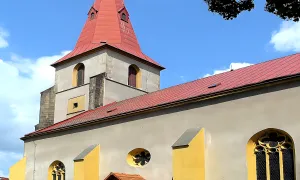
Today, Château Habry stands as a testament to its historical legacy while serving as an accessible cultural site for visitors. The museum within the château offers a unique opportunity to explore its rich history and architectural beauty. Visitors can enjoy concerts held in the restored rooms, adding to the château's charm and appeal. Its proximity to the Church of the Assumption of the Virgin Mary and the picturesque landscape of the Vysočina region further enhance its allure.
Château Habry is not just a monument; it is a living piece of history that continues to captivate those who visit. Its journey from an administrative center to a beloved museum reflects its resilience and enduring significance. Whether drawn by its architectural beauty, historical depth, or cultural offerings, Château Habry promises a rewarding experience for all who explore its halls.
Then and now
Drag the slider to compare how the landmark may have looked when it was built with the view today.
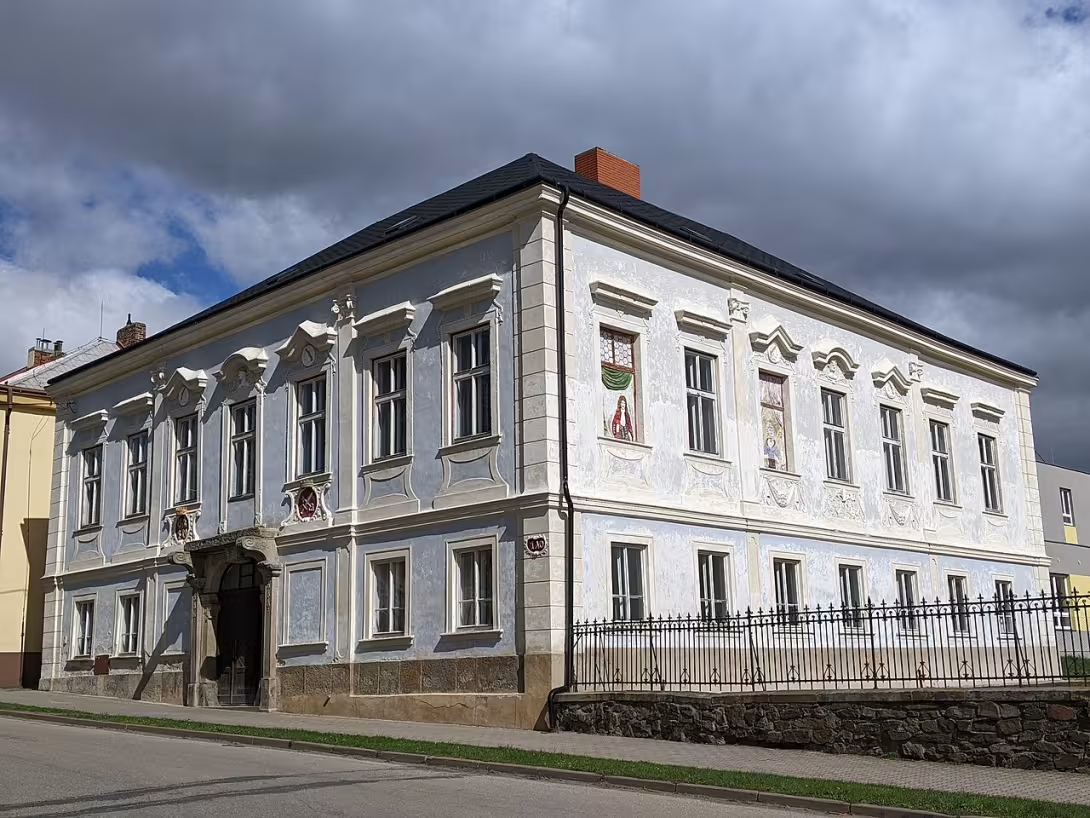
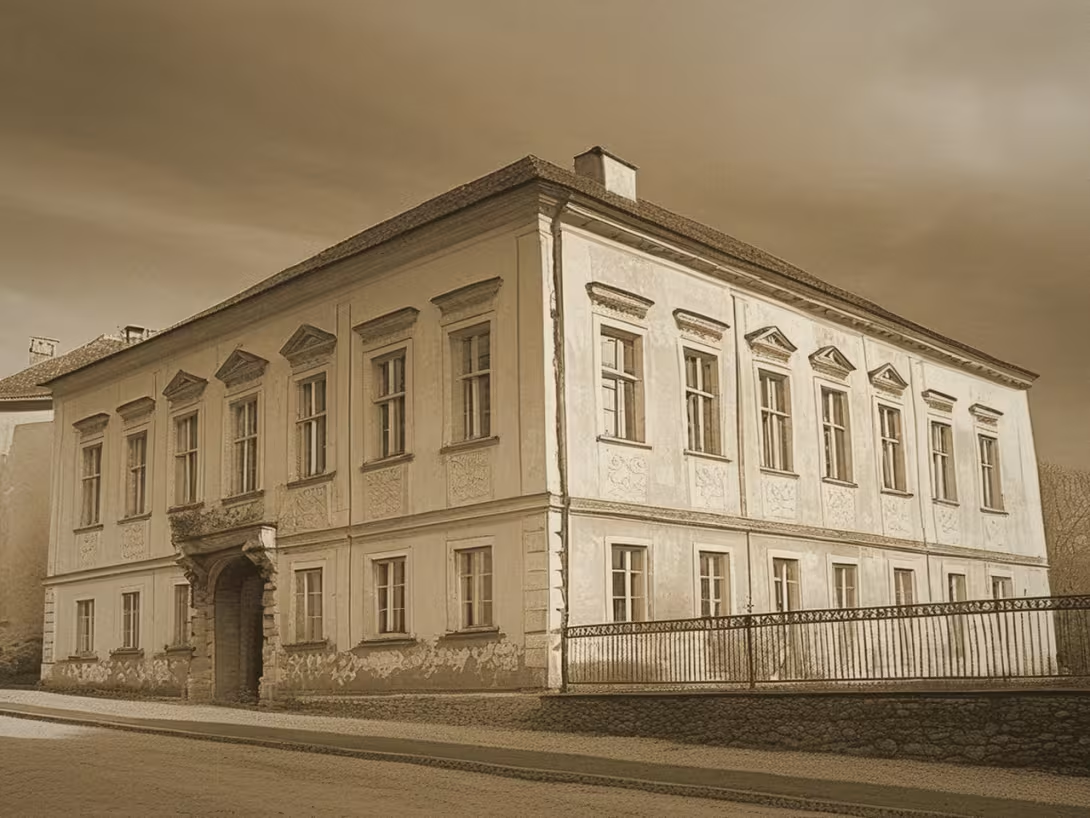
The historical appearance on the left is an AI-generated visualisation and serves as inspiration only.
Historical milestones
- 1717
- Construction began by Adolf Felix Pötting-Persing.
- 1870
- František Josef ze Salm-Reifferscheidtu purchased Habry and integrated it into his estate.
- 2009
- Museum opened after restoration by Petr Rudolf Vančura.
Architectural development
The chateau was originally a two-story structure, which was reduced to one story following a fire at the end of the 19th century. It underwent a neo-baroque reconstruction post-fire and later served as a school until 1992. The building has been restored for its current use as a museum.
Historical events
Construction of the chateau by Adolf Felix Pötting-Persing between 1717-1720.
Purchase and integration into the Světlá nad Sázavou estate by František Josef ze Salm-Reifferscheidtu in 1870.
Opening of the museum in October 2009 after purchase and initial restoration by Petr Rudolf Vančura.
Owners
Adolf Felix Pötting-Persing (1717–1720)
František Josef ze Salm-Reifferscheidtu (1870 onwards)
Petr Rudolf Vančura (2007 onwards)
Guide
This guide is narrated by a synthetic voice generated by artificial intelligence.
Show guide text
This text was created by artificial intelligence and has not been editorially reviewed. It may contain inaccuracies.
Habry Castle stands in the center of the town of Habry on Žižkov Square, opposite the Church of the Ascension of the Virgin Mary. Since 2009, a museum has been housed there.
Habry itself is already mentioned in Cosmas's Chronicle under the year 1101. However, the castle is much younger. It was built between 1717 and 1720 by Adolf Felix Pötting-Persing. His family owned the Habry estate for over a hundred years, and the castle served as the seat of the estate administration from the beginning.
In 1870, František Josef from Salm-Reifferscheidt purchased Habry and attached it to the large estate of Světlá nad Sázavou. At the end of the nineteenth century, the castle was struck by fire. The originally two-story building was reduced by one story during repairs. This was followed by a neo-baroque reconstruction, and the castle then served as a school for a long time. The school moved out only in 1992, when a new one was built.
In 2007, Petr Rudolf Vančura purchased the castle from the town. After initial repairs, he opened a museum there in October 2009, and he is its founder. Concerts are also held in the restored rooms.
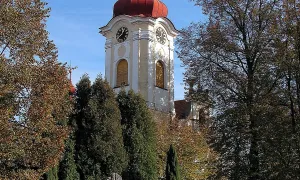
The museum's exhibition includes several castle rooms, among them a hunting salon, a baroque bedroom, and a cellar. The collections include, among other things, the original tower clock from the Church of the Ascension of the Virgin Mary, which stands right opposite the castle.
Frequently asked questions
Can the monument be visited?
Some buildings of this kind are open for guided tours, others serve another purpose or are privately owned. We have not verified whether and when this monument is open – please ask the operator.
What are the opening hours and admission?
We have not verified the opening hours or admission. Current information is published by the operator.
Where is the monument?
Location: Habry, Kraj Vysočina. The map on this page shows the exact spot.
Businesses nearby
Do you run a restaurant, accommodation, shop, museum, rental, wellness or other visitor service near this monument? Show yourself directly to the people heading to it — this is how they will see you in the app and on the web:
Events nearby
Zdroj akcí: otevřená data měst a obcí ČR (Národní katalog otevřených dat) a kalendář akcí Národního památkového ústavu.
Nearby
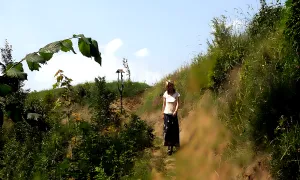
Chateau Habry is situated near the Church of the Assumption of the Virgin Mary and lies within a picturesque landscape typical of the Vysočina region, known for its rolling hills and historical architecture.
Accommodation nearby
Trips and activities nearby
Guided tours, tickets and activities nearby from GetYourGuide
Affiliate link: if you buy from the partner, we may receive a commission. The price for you does not change.
Search tours and activities →Themed route
Habry Castle and Surroundings
1. Church of the Assumption of the Virgin Mary (typ: kostel, stojí za návštěvu: This beautiful church is a stunning example of Baroque architecture and is situated in the heart of the village, near the castle. Its intricate details and peaceful atmosphere make it a must-visit destination.) 2. Habry Castle (typ: zámek, stojí za návštěvu: As the main attraction, Habry Castle is a must-see destination. Its stunning architecture, beautiful gardens, and rich history make it a fascinating place to explore.) 3. Castle Park (typ: park, stojí za návštěvu: The castle's picturesque park is a lovely place to stroll and enjoy the beautiful scenery. The park's rolling hills and tranquil atmosphere make it an ideal spot for a relaxing walk.) 4. Chateau Habry's Wine Cellar (typ: vinný sklep, stojí za návštěvu: Visit the castle's wine cellar to taste some of the region's finest wines and learn about the wine-making process. The cellar's cozy atmosphere and knowledgeable staff make it a great place to spend an afternoon.)
Seasonal recommendations
Jaro
Spring is the ideal time to visit Habry because nature around the castle awakens from its winter slumber and trees are covered in blossoms. The atmosphere is full of optimism and anticipation. The lighting is soft and warm, creating a pleasant environment for strolls on the courtyard. If you plan to visit the castle during spring, we recommend arriving early as larger crowds appear during the main summer season. Don't forget to bring warm clothing, as it can still be chilly at night in spring.
Summer
Summer is the ideal time to visit Habry because nature is in full bloom and the castle courtyard is alive with activity. The atmosphere is relaxed and sunny, creating an ideal environment for strolls and relaxation. The lighting is strong and colorful, providing a pleasant setting for photography. If you plan to visit the castle during summer, we recommend arriving early as larger crowds appear during the main summer season and waiting times can be long. Don't forget to bring sunglasses and an umbrella, as the sun can still be strong in summer.
Autumn
Autumn is a beautiful time to visit Habry because nature around the castle is full of colors and scents. The atmosphere is quiet and calm, creating an ideal environment for strolls and relaxation. The lighting is soft and warm, providing a pleasant setting for walks on the courtyard. If you plan to visit the castle during autumn, we recommend arriving early as smaller crowds appear during the autumn season. Don't forget to bring warm clothing, as it can still be chilly at night in autumn.
Winter
Winter is a quiet time to visit Habry because the castle courtyard is silent and calm. The atmosphere is serene with a snow cover creating a pleasant setting for strolls. The lighting is soft and warm, providing a pleasant environment for walks on the courtyard. Don't forget to bring warm clothing and boots with spikes, as the courtyard can still be icy in winter.
Visualizations and artistic views


The visualisations are generated by artificial intelligence and serve as inspiration.
Photos from the area
Real photos taken near the monument


Zdroj a licence jsou uvedeny u každého snímku.
Tips from visitors
No tips yet. Be the first!
Log in and add your tip.
Sources and literature
Photos: MartinVeselka / CC BY-SA 4.0 — Wikimedia Commons. The author and licence also appear when you hover over the image.
Faktickým podkladem tohoto textu byl článek na Wikipedii, jehož autory jsou přispěvatelé Wikipedie. Článek je dostupný pod licencí CC BY-SA 4.0.
Location on the map

Příběhy a pověsti
Legendy, pověsti a příběhy spjaté s touto památkou
Fotografie návštěvníků
Zatím žádné fotografie. Buďte první, kdo přidá fotografii z návštěvy!
Log in a přidejte svou fotografii nebo hodnoťte.
Za ověřenou návštěvu v aplikaci získáte víc bodů — poznáme podle GPS, že jste na místě.
Reviews and comments