






Kostel Nanebevzetí Panny Marie (Habry) Church
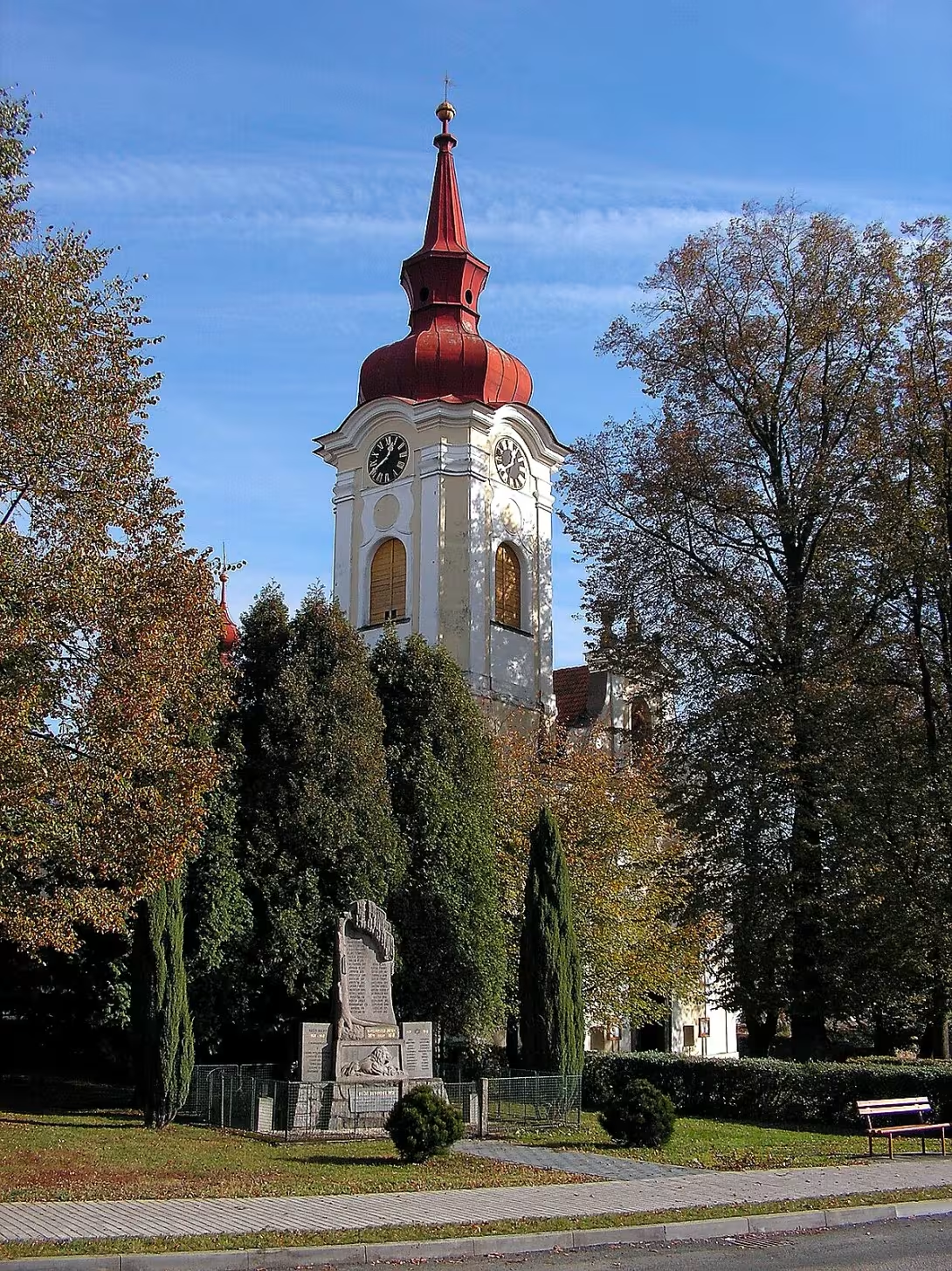
Kostel Nanebevzetí Panny Marie in Habry stands as a remarkable testament to centuries of architectural evolution and historical resilience. Located in the village of Habry within the Vysočina region, this Romanesque church dates back to the 13th century. It has endured numerous adversities, including invasions and fires, emerging as a cultural treasure that reflects significant events from Bohemia's tumultuous past.
The origins trace back to a Romanesque Church of St. Peter and Paul constructed in the 13th century by Benedictines from Vilémov Monastery. This early structure laid the foundation for what would become a site of enduring historical significance. The church likely faced destruction during the Hussite invasions, either in 1421 or 1422, when it was burned alongside the Vilémov Monastery. Further challenges arose in the 17th century with fires and looting.
Reconstruction began in 1678 under Count Karel Leopold z Millesima, who played a pivotal role in restoring the church to its former glory. This period marked a transition into Baroque architectural influences, as seen in the addition of a tower during the 18th century. The original bells, cast in 1676 and 1849, were replaced by those from 1492 and 1498 after being melted down during World War I. In 1907, a clock was installed on the tower.
The church's artistic elements include two stone fountains erected at the entrance in 1840, bearing inscriptions of their donors, brothers František (FCH) and Tomáš Chleborádovi (TCH). An eternal lamp above the altar, installed in 1892 by P. Josef Bříza, enhances its spiritual ambiance. The church also houses modern varhany created by Václav Růta from Kutná Hora in 1983, blending historical and contemporary elements.
Today, Kostel Nanebevzetí Panny Marie is recognized as a cultural monument of the Czech Republic, reflecting its enduring significance through centuries. Visitors can explore its rich history and architectural beauty, appreciating the layers of stories embedded within its walls. The church remains accessible to those interested in experiencing a piece of Bohemia's vibrant past.
Kostel Nanebevzetí Panny Marie invites visitors to delve into its storied past, offering insights into the region's historical and cultural evolution. Its resilience through adversity and continuous restoration efforts make it a compelling destination for anyone interested in history and architecture.
Then and now
Drag the slider to compare how the landmark may have looked when it was built with the view today.
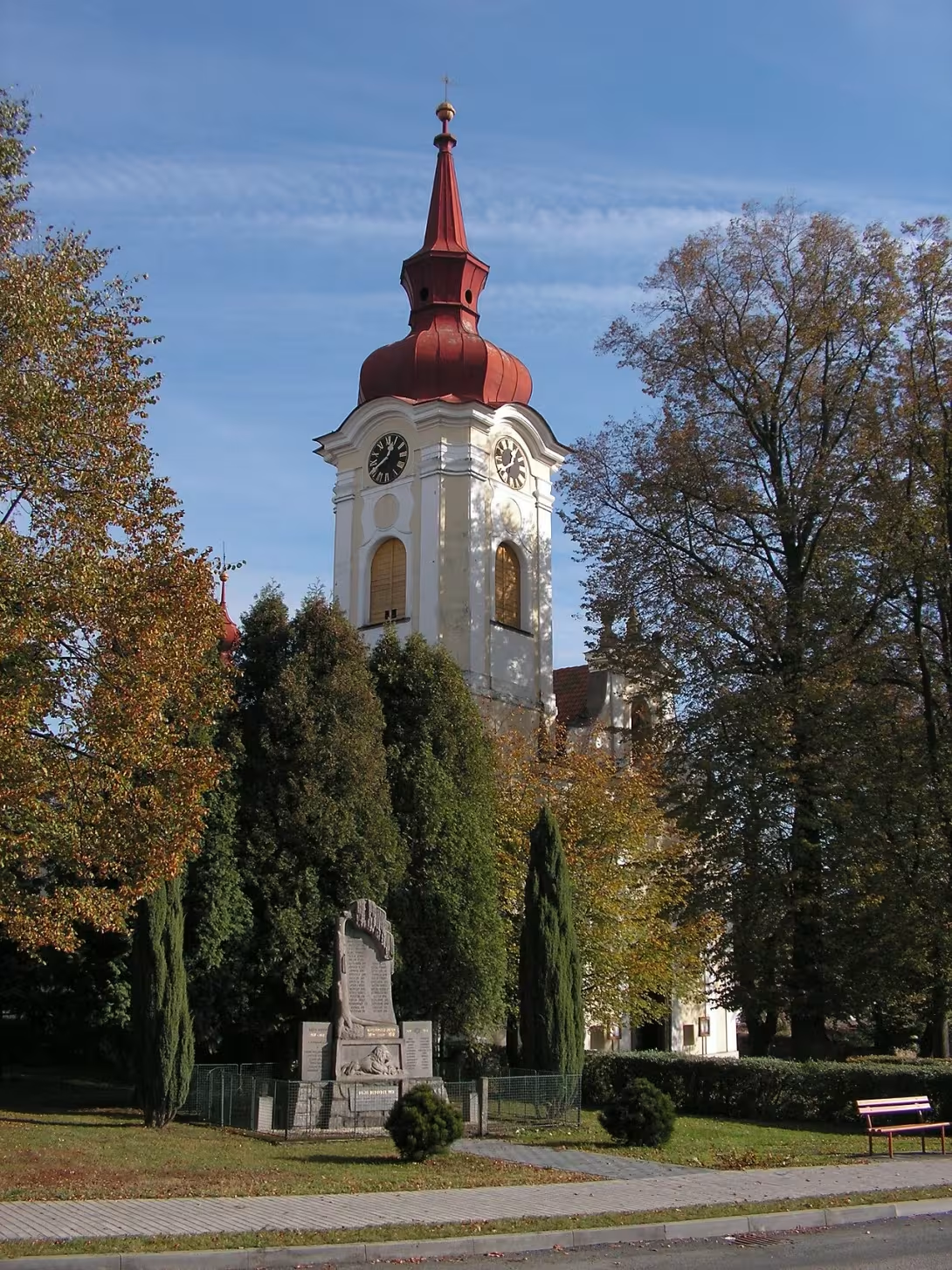
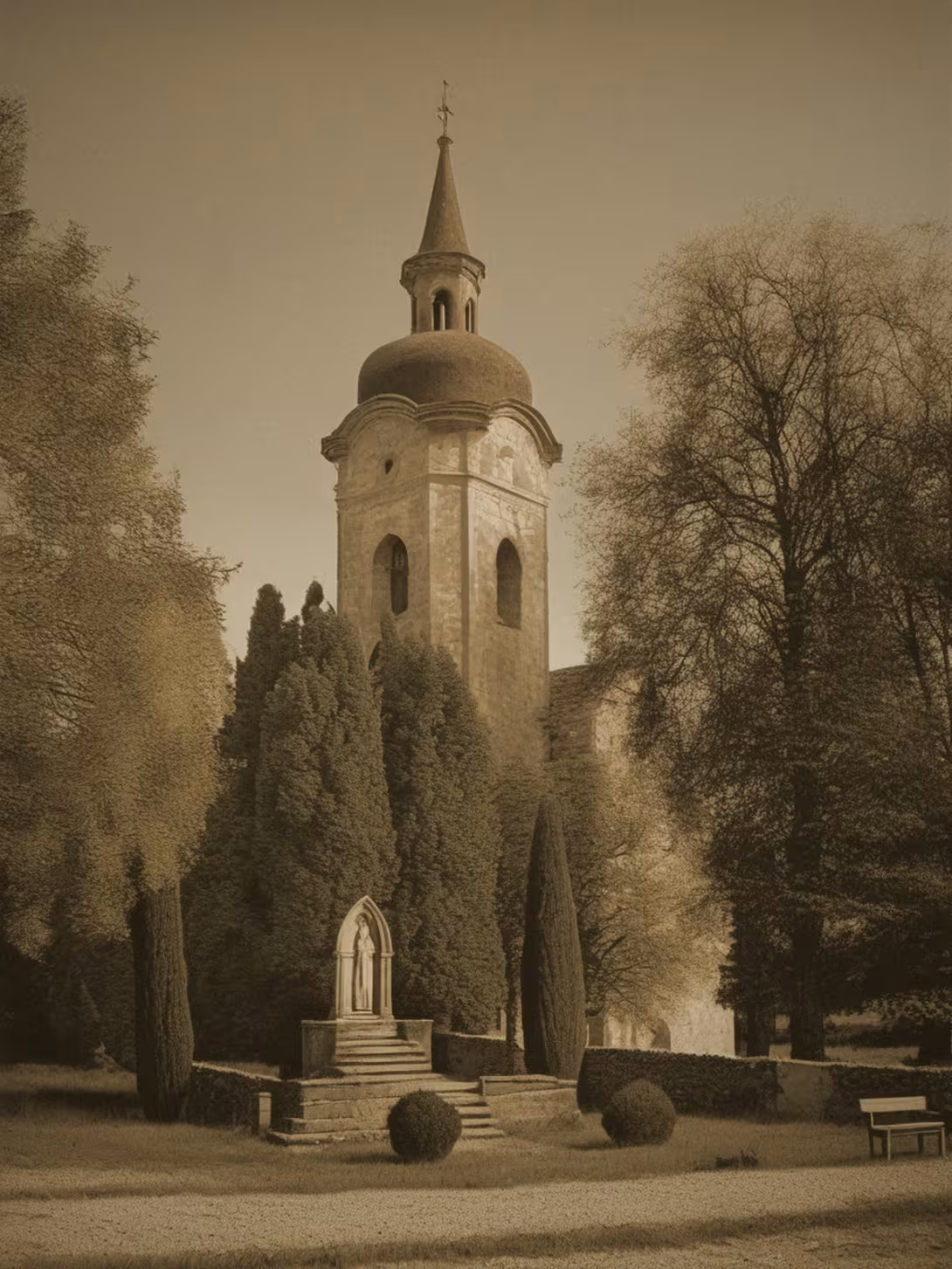
The historical appearance on the left is an AI-generated visualisation and serves as inspiration only.
Historical milestones
- 13.0
- The creation of the first Romanesque chapel of Saints Peter and Paul.
- 1421
- The chapel was destroyed during the Hussite invasions.
- 1678
- Beginning of reconstruction under the leadership of Count Karl Leopold von Millesimo.
- 1840
- Erection of two stone fountains at the entrance to the church.
- 1907
- Installation of a clock on the church tower.
Architectural development
Construction began on the current structure in 1678, with significant contributions from Count Karel Leopold z Millesima. The church's tower was added in the 18th century, housing bells originally cast in 1676 and 1849 but later replaced by those from 1492 and 1498. In 1907, a clock was installed on the tower, and permanent fixtures like the eternal lamp above the altar were added in 1892.
Historical events
The church was likely burned in 1421 or 1422 during the Hussite invasions.
It suffered further damage in the 17th century when it twice caught fire and was looted.
Points of interest
- The church originally served as a Romanesque Church of St. Peter and Paul before transitioning to its current dedication to the Assumption of the Virgin Mary, reflecting shifts in religious focus over centuries.
- During the Hussite invasions, the church was likely destroyed by fire along with the Vilémov Monastery, highlighting the turbulent period's impact on regional religious structures.
- The original bells from 1676 and 1849 were melted down during World War I, replaced by older bells from 1492 and 1498, showcasing how historical artifacts can be repurposed in times of need.
- Two stone fountains at the entrance, inscribed with the names František (FCH) and Tomáš Chleborádovi (TCH), were donated by brothers, adding a personal touch to the church's history through familial contributions.
- The installation of modern varhany in 1983 by Václav Růta from Kutná Hora represents an intriguing blend of historical preservation and contemporary enhancement within the church.
Guide
This guide is narrated by a synthetic voice generated by artificial intelligence.
Show guide text
This text was created by artificial intelligence and has not been editorially reviewed. It may contain inaccuracies.
The Church of the Assumption of the Virgin Mary is a Roman Catholic parish church in Habry on the Vysočina Plateau. Its history dates back deep into the Middle Ages.
Today's building stands on the foundations of the original Romanesque church of Saints Peter and Paul from the thirteenth century. It was built by Benedictine monks from the nearby Vilémov monastery. From the Romanesque structure, a bricked-up portal on the north side of the presbytery and the masonry of the sacristy have survived to this day.
During the Hussite Wars, the church was apparently burned down. This could have happened in the year fourteen twenty-one, when the Vilémov monastery was also burned, or a year later, in fourteen twenty-two, when the Hussites pursued the armies of King Sigismund. The church suffered another blow in the seventeenth century, when it burned down twice and was plundered.
Restoration began in sixteen seventy-eight, and Count Karel Leopold of Millesima took care of the completion. The tower was added in the eighteenth century. Originally, two bells hung in it, one from sixteen seventy-six and the other from eighteen forty-nine. During the First World War, however, they were seized for military purposes. Today's bells date from fourteen ninety-eight and fourteen ninety-two. The tower received its clock on December twentieth, nineteen hundred and seven.
Inside the church, a number of objects with their own stories have been preserved. At the entrance are two stoups from eighteen forty. Both bear the initials of the donors, brothers František and Tomáš Chleborád. The eternal lamp above the altar dates from eighteen ninety-two and was hung by Father Josef Bříza. The present organ is from nineteen eighty-three and was built by Václav Růt from Kutná Hora.
Next to the church, a burial chapel of the Counts of Pöttingen of Persingen was built in the second half of the eighteenth century. The church is protected as a cultural monument of the Czech Republic.
Frequently asked questions
Can the monument be visited?
Religious buildings are usually open mainly during services; at other times a visit is normally arranged with the parish or the operator. We have not verified specific times.
Where is the monument?
Location: č.p. 3, Habry, Kraj Vysočina. The map on this page shows the exact spot.
Why is the monument protected?
It is listed in the Central List of Cultural Monuments of the Czech Republic as a cultural monument (register no. 34292/6-153).
Businesses nearby
Do you run a restaurant, accommodation, shop, museum, rental, wellness or other visitor service near this monument? Show yourself directly to the people heading to it — this is how they will see you in the app and on the web:
Events nearby
Zdroj akcí: otevřená data měst a obcí ČR (Národní katalog otevřených dat) a kalendář akcí Národního památkového ústavu.
Accommodation nearby
Trips and activities nearby
Guided tours, tickets and activities nearby from GetYourGuide
Affiliate link: if you buy from the partner, we may receive a commission. The price for you does not change.
Search tours and activities →Themed route
Tematická výletní trasa: Kostel Nanebevzetí Panny Marie (Habry)
1. Kostel Nanebevzetí Panny Marie (Habry) - Hlavní cíl - Typ: Církevní památka - Proč stojí za návštěvu: Tento barokní kostel, postavený v první polovině 18. století, je architektonickou perli obce Habry. Jeho bohaté interiérové vybavení a historická hodnota činí z něj nezbytnou zastávku pro milovníky dějin a umění.
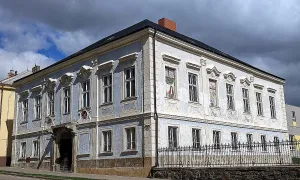
2. Obecní úřad (Habry) - Typ: Historický stavební objekt - Proč stojí za návštěvu: Nachází se v centru obce, kde můžete prohlédnout tradiční architekturu a zjistit více o historii Habrů. Je to ideální místo pro pochopení místního života a správy.
3. Kaple svaté Anny (Habry) - Typ: Kaple - Proč stojí za návštěvu: Tato malebná kaple je známá svou klidnou atmosférou a krásným výhledem na okolní krajinu. Je to místo pro meditaci a únik do klidu, které doplňuje návštěvu hlavního kostela.
4. Kostelní nádvoří (Habry) - Typ: Nádvoří - Proč stojí za návštěvu: Procházka kolem kostela a jeho nádvoří nabízí možnost užít si klidné okamžiky v příjemném venkovním prostředí. Zde můžete také prohlédnout umělecká díla a sochy, které zdobí toto místo.
Tato trasa nabízí komplexní pohled na historickou a kulturní bohatost obce Habry, s důrazem na její církevní památky.
Seasonal recommendations
Spring: Visiting the Church of the Assumption of the Virgin Mary in Habry during spring offers a serene experience as nature begins to awaken. The surrounding landscape is adorned with blooming flowers and fresh greenery, creating an idyllic setting that enhances the church's historical charm. Early morning visits are recommended to enjoy the soft light filtering through stained glass windows, casting colorful patterns on the stone floors. As temperatures begin to rise, wearing layers is practical, allowing you to adjust comfortably as the day warms up.
Summer: Summer brings vibrant energy and optimal conditions for exploring the Church of the Assumption of the Virgin Mary in Habry. The long daylight hours offer ample time to appreciate the church's architectural details and surrounding gardens, which are lush and full of life. However, it’s advisable to visit early in the morning or late afternoon to avoid larger crowds that typically gather during peak tourist season. Comfortable footwear is essential for navigating both the church grounds and any hikes in the nearby countryside. Light clothing suitable for warm weather will enhance your experience, allowing you to fully enjoy outdoor activities without discomfort.
Autumn: Autumn transforms Habry into a picturesque landscape of golden hues and crisp air, making it an ideal time to visit the Church of the Assumption of the Virgin Mary. The changing leaves provide a stunning backdrop that complements the church’s historic architecture. This season is generally less crowded than summer, offering a more tranquil atmosphere for reflection and exploration. It's advisable to wear layers as temperatures can vary significantly between morning and afternoon. Carrying an umbrella or raincoat is also wise, as autumn weather can be unpredictable with occasional showers.
Winter: Winter offers a unique charm at the Church of the Assumption of the Virgin Mary in Habry, where snow-covered surroundings create a magical atmosphere. The church's intricate details stand out against the white landscape, and early morning visits are recommended to capture the serene beauty before crowds gather for holiday festivities. Warm clothing is essential, including hats, gloves, and insulated layers, as temperatures can drop significantly.
Visualizations and artistic views


The visualisations are generated by artificial intelligence and serve as inspiration.
Photos from the area
Real photos taken near the monument


Zdroj a licence jsou uvedeny u každého snímku.
Tips from visitors
No tips yet. Be the first!
Log in and add your tip.
Sources and literature
Photos: JirkaSv / Public domain — Wikimedia Commons. The author and licence also appear when you hover over the image.
Faktickým podkladem tohoto textu byl článek na Wikipedii, jehož autory jsou přispěvatelé Wikipedie. Článek je dostupný pod licencí CC BY-SA 4.0.
Location on the map


Příběhy a pověsti
Legendy, pověsti a příběhy spjaté s touto památkou

Fotografie návštěvníků
Zatím žádné fotografie. Buďte první, kdo přidá fotografii z návštěvy!
Log in a přidejte svou fotografii nebo hodnoťte.
Za ověřenou návštěvu v aplikaci získáte víc bodů — poznáme podle GPS, že jste na místě.
Reviews and comments