






Helfenburk u Úštěka Ruin
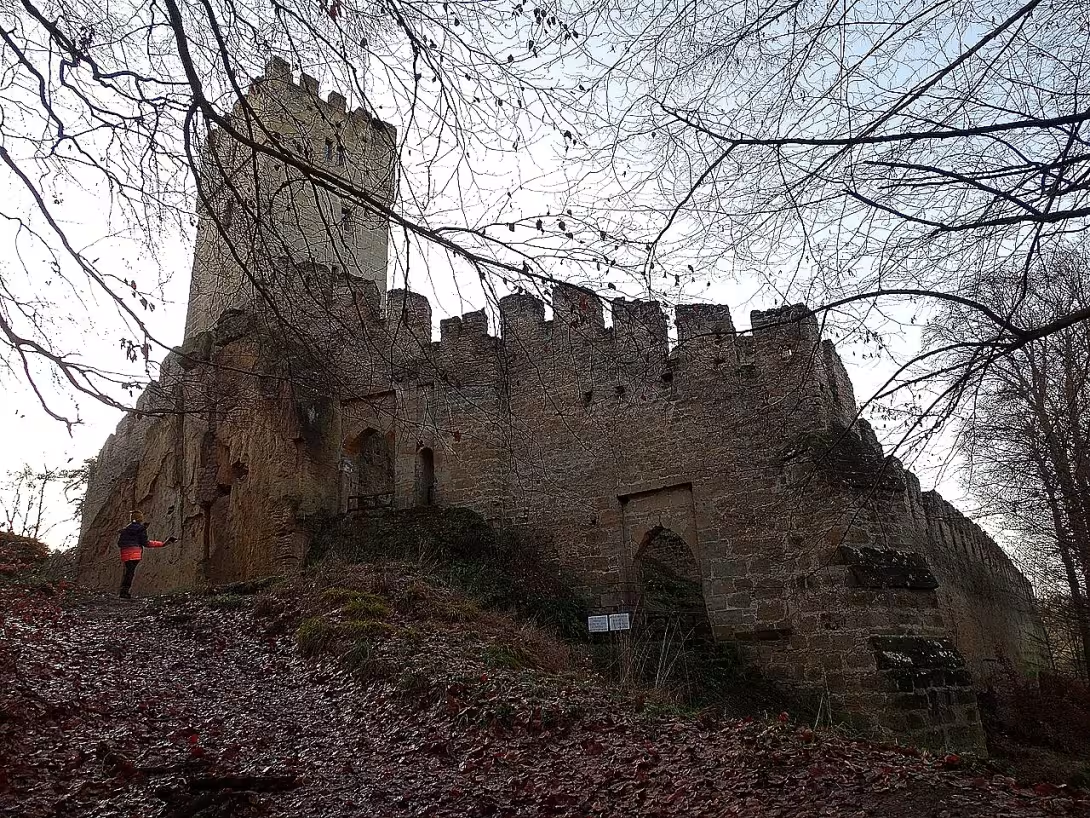
Helfenburk u Úštěka, also known as Hrádek, is a 14th-century castle ruin near Úštěk in the Litoměřice District. Situated on a sandstone outcrop overlooking the forested valley of Hrádecký důl, it has been protected as a cultural monument since 1964. The site holds historical significance as a strategic stronghold and residence for notable figures throughout Bohemia's turbulent history.
The origins of Helfenburk date back to the early 14th century, likely constructed by the Páni z Klinštejna, a noble family from the Ronovci lineage. It gained prominence in 1375 when Jan Očko z Vlašimi acquired it as a retreat from his duties in Roudnice nad Labem. Under his ownership, significant architectural expansions were undertaken, including a stone palace and chapel, along with a deep well equipped with a treadwheel.
Throughout its history, Helfenburk experienced numerous changes in ownership reflecting Bohemia's shifting political landscape. After Jan Očko z Vlašimi, it was briefly seized by Půta III. z Častolovic and later Jaroslav and Jindřich Berkové z Dubé in 1427. The castle eventually came under the control of figures such as Aleš z Malíkovic, Konrád z Vechty, and Zdeňek Konopišťský ze Šternberka, each contributing to its storied past. Notably, in 1622, Helfenburk was destroyed by fire after being plundered by imperial troops led by Maršál Buquoy.
Architecturally, the castle began as a wooden structure but underwent significant transformations under Jan Očko z Vlašimi's direction. The addition of stone elements marked a shift towards more durable construction methods, reflecting its importance and strategic value. Despite these enhancements, Helfenburk eventually fell into disrepair after the extinction of Vilém z Ilburka’s lineage in 1538.
Today, Helfenburk stands as an accessible ruin offering visitors a glimpse into Bohemia's medieval past. The site is open year-round and features a restored tower with a staircase of 143 steps leading to its summit, providing panoramic views of the surrounding forested hills. While the castle itself lacks facilities for refreshments, nearby natural water sources offer respite during visits.
Helfenburk u Úštěka remains an intriguing destination for those interested in exploring the layers of history embedded within its ruins. Its preservation and accessibility make it a worthwhile visit for anyone keen to delve into the rich tapestry of Bohemian heritage.
Then and now
Drag the slider to compare how the landmark may have looked when it was built with the view today.
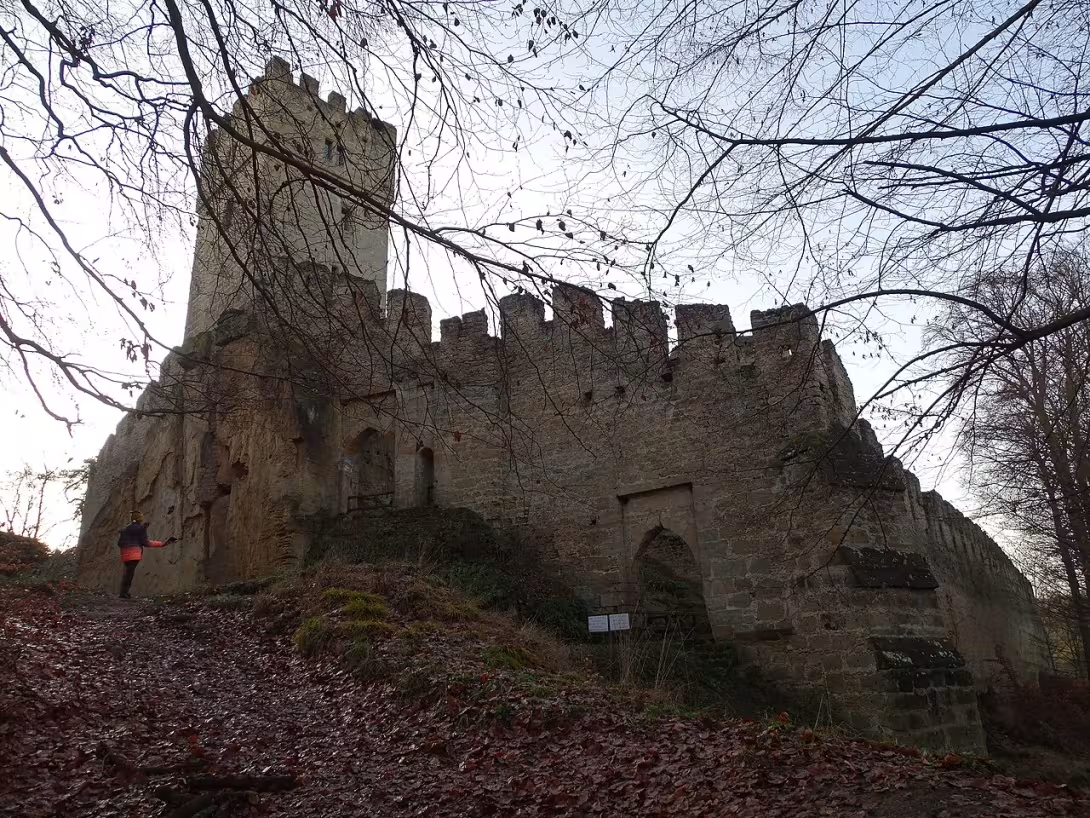
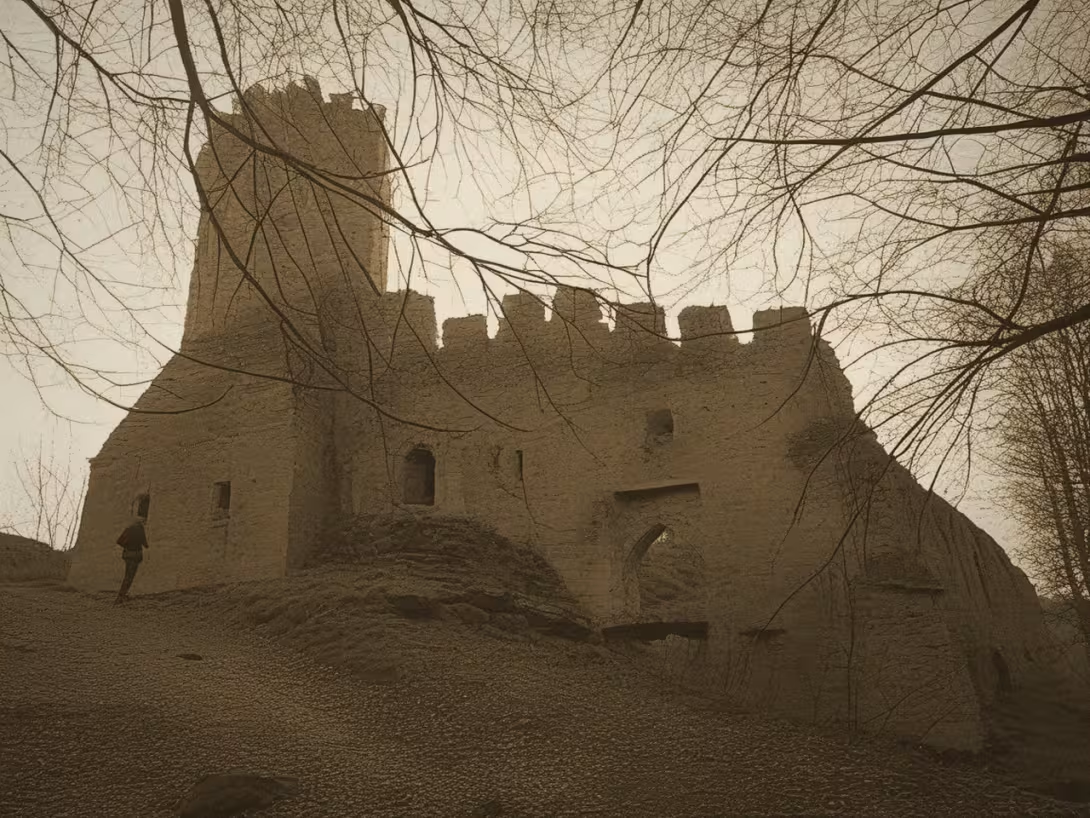
The historical appearance on the left is an AI-generated visualisation and serves as inspiration only.
Historical milestones
- 1375
- Jan Očko z Vlašimi acquired the castle.
- 1427
- Půta III. z Častolovic briefly seized control of the castle.
- 1622
- The castle was destroyed by fire after being plundered by imperial troops.
Architectural development
Originally a wooden structure, Helfenburk underwent significant expansion under Jan Očko z Vlašimi, who constructed a stone palace and chapel. A deep well with a treadwheel was also added during this period.
Historical events
Jan Očko z Vlašimi acquired the castle in 1375, using it as a retreat from his duties in Roudnice nad Labem.
In 1427, Půta III. z Častolovic briefly seized control before Jaroslav and Jindřich Berkové z Dubé took over.
The castle was destroyed by fire in 1622 after being plundered by imperial troops led by Maršál Buquoy.
Owners
Páni z Klinštejna (early 14th century)
Jan Očko z Vlašimi (1375)
Jan z Jenštejna (late 14th century)
Aleš z Malíkovic (1422)
Konrád z Vechty (until 1431)
Půta III. z Častolovic and Jaroslav and Jindřich Berkové z Dubé (1427)
Jan Smiřický
Jindřich z Rožmberka
Zdeňek Konopišťský ze Šternberka
Petr Kaplíř ze Sulevic
Vilém z Ilburka (until 1538)
Points of interest
- Despite its strategic importance, Helfenburk was once used as a personal retreat by Jan Očko z Vlašimi, who sought respite from his duties in Roudnice nad Labem. His ownership marked significant architectural enhancements, including the construction of a stone palace and chapel.
- The castle's history is punctuated by frequent changes in ownership, reflecting Bohemia’s turbulent political landscape during the Middle Ages. Notably, it was seized multiple times, including by Půta III. z Častolovic and later Jaroslav and Jindřich Berkové z Dubé.
- In 1622, Helfenburk met a dramatic end when it was destroyed by fire after being plundered by imperial troops led by Maršál Buquoy during the Thirty Years' War. This event marked its decline into ruin.
- One of the castle's unique features is its deep well equipped with a treadwheel, which was an advanced technology for water extraction in the 14th century and highlights the ingenuity of medieval engineering at Helfenburk.
- After falling into disrepair post-1538, Helfenburk remained largely untouched until it became accessible to the public. Today, visitors can climb a restored tower with 143 steps to enjoy panoramic views, offering a tangible connection to its storied past.
Guide
This guide is narrated by a synthetic voice generated by artificial intelligence.
Show guide text
This text was created by artificial intelligence and has not been editorially reviewed. It may contain inaccuracies.
Welcome to Helfenburk near Ústí nad Labem, one of the most interesting historical sites in the area. You are standing before a 14th-century ruin that towers on a sandstone cliff above the wooded valley of Hrádecký důl. Take a moment here to enjoy this picturesque scenery.
Let's step back in time and tell you about the history of this place. Helfenburk was built at the end of the 14th century, thanks to Jan Očko z Vlašimi, who acquired the castle in 1375. Since then, it has become a strategic point serving as a fortress and residence for a series of historical figures.
Now pay attention to the architecture of this site. Helfenburk is a typical example of a Gothic castle built on a sandstone cliff. Notice how the castle walls and towers reflect off the sandstone, creating an interesting contrast. Take a look at the facade of the castle and observe how its individual parts complement each other.
Helfenburk has a rich history full of intriguing stories and personalities. One of the most fascinating figures associated with this place is Jan Očko z Vlašimi. He had a stone palace and chapel built on the castle, which have survived to this day. Helfenburk was also a place where Jan Očko z Vlašimi sought refuge to detach from his duties in Roudnice nad Labem.
One of the mysteries that Helfenburk still holds is that it was once used as a personal sanctuary. It's truly fascinating to think that this site, which you see before you today, was once a haven for someone seeking peace and rest.
Today you can explore the ruins of Helfenburk and try to imagine what this place looked like in the past. Discover its history, architecture, and the atmosphere surrounding it. And who knows, maybe you'll have your own story that becomes linked with these ruins.
Tips for visitors
The best time to visit Helfenburk u Úštěku is during late spring or early autumn when the weather is mild, and the surrounding forested hills are lush with greenery or vibrant fall colors. These seasons offer comfortable temperatures for exploring the ruins and enjoying a picnic in the scenic valley of Hrádecký důl nearby. Additionally, visiting outside peak summer months can mean fewer crowds, allowing you to explore the site more leisurely.
For visitors preferring public transport, there are options that connect to the area; however, specific routes and schedules should be verified in advance using a transportation search tool.
When visiting Helfenburk u Úštěku, it's advisable to bring comfortable walking shoes as you'll likely spend some time on uneven terrain exploring the ruins and surrounding area. A hat, sunscreen, and water are also recommended, especially during warmer months. For those interested in photography or sketching, a camera or notebook can help capture the beauty of this historic site.
For photography enthusiasts, early morning is often the best time to capture Helfenburk u Úštěku, as the soft light accentuates the textures of the sandstone ruins and the surrounding landscape. The castle's position on a hill offers panoramic views that are particularly striking at sunrise or sunset. Exploring different angles around the site can reveal unique perspectives of the ruins against the backdrop of the forested hills.
Nearby, within 30 minutes' drive or walk, is the valley of Hrádecký důl, offering picturesque landscapes perfect for a leisurely stroll or picnic. This area complements the historical exploration with natural beauty and tranquility. For families with children, this combination of history and nature provides an engaging experience that can be both educational and entertaining.
Frequently asked questions
Can the monument be visited?
This is a ruin. Such sites are often freely accessible, but some can only be visited with a guide or are closed for safety reasons. We have not verified the current situation – take care and respect any restrictions.
Where is the monument?
Location: Úštěk, Ústecký kraj. The map on this page shows the exact spot.
Why is the monument protected?
It is listed in the Central List of Cultural Monuments of the Czech Republic as a cultural monument (register no. 1000154930).
Businesses nearby
Do you run a restaurant, accommodation, shop, museum, rental, wellness or other visitor service near this monument? Show yourself directly to the people heading to it — this is how they will see you in the app and on the web:
Nearby
The castle is surrounded by forested hills and lies near the village of Úštěk. The nearby valley of Hrádecký důl adds to its scenic setting.
Accommodation nearby
Trips and activities nearby
Guided tours, tickets and activities nearby from GetYourGuide
Affiliate link: if you buy from the partner, we may receive a commission. The price for you does not change.
Search tours and activities →Themed route
Helfenburk u Úštěka (hlavní cíl) - Helfenburk u Úštěka (zřícenina) - stojí za návštěvu pro svou jedinečnou polohu v lesnatých kopcích a blízkém údolí Hrádecký důl. - Úštěk - malebné městečko s historickým jádrem a lidovou architekturou. - Hrádecký důl - romantické údolí s lesy a lesními cestami. - Nádvoří Helfenburku - stojí za návštěvu pro svou malebnost a možnost prohlídky zříceniny hradu.
Seasonal recommendations
Jaro
In the spring season, Helfenburk near Ústí nad Labem is surrounded by blooming trees and flowers, creating a pleasant atmosphere. A specific feature of this time is also the mild weather, which allows enjoyable walks through the ruins. If you visit Helfenburk in the spring, we recommend coming in good spirits, as there are usually few people around. The best time to visit is in March or April when the weather is still mild and the sun is at its strongest.
Summer
The main summer season is July, when Helfenburk near Ústí nad Labem is most visited. If you want to avoid crowds, we recommend coming before school holidays begin. A specific feature of this time is the warmth and sunny weather, which allows for hassle-free exploration of the ruins. In summer, it's also advisable to bring plenty of water and snacks, as refreshment options are limited.
Autumn
In autumn, Helfenburk near Ústí nad Labem is surrounded by beautiful foliage colors. A specific feature of this time is the mild weather and pleasant atmosphere, ideal for strolls through the ruins. If you visit Helfenburk in the autumn season, we recommend coming in good spirits, as there are usually few people around. The best time to visit is in September or October when the weather is still mild and the sun is at its strongest.
Winter
In winter, Helfenburk near Ústí nad Labem is closed and dark. A specific feature of this time is the quiet and calm atmosphere it creates. If you visit Helfenburk in the winter season, we recommend dressing warmly and dryly, as it can often be cold.
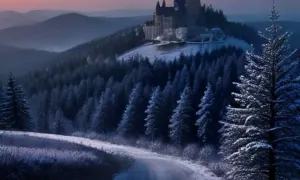
Visualizations and artistic views


The visualisations are generated by artificial intelligence and serve as inspiration.
Photos from the area
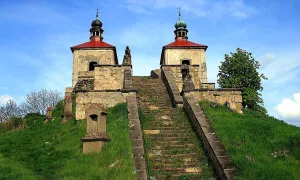
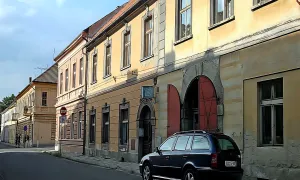
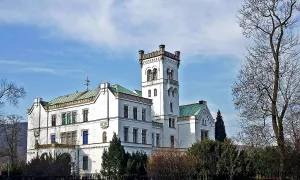
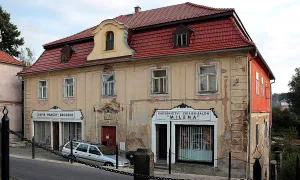
Real photos taken near the monument


Zdroj a licence jsou uvedeny u každého snímku.
Tips from visitors
No tips yet. Be the first!
Log in and add your tip.
Sources and literature
Photos: ŠJů / CC BY 4.0 — Wikimedia Commons. The author and licence also appear when you hover over the image.
Faktickým podkladem tohoto textu byl článek na Wikipedii, jehož autory jsou přispěvatelé Wikipedie. Článek je dostupný pod licencí CC BY-SA 4.0.
Location on the map

Příběhy a pověsti
Legendy, pověsti a příběhy spjaté s touto památkou
Fotografie návštěvníků
Zatím žádné fotografie. Buďte první, kdo přidá fotografii z návštěvy!
Log in a přidejte svou fotografii nebo hodnoťte.
Za ověřenou návštěvu v aplikaci získáte víc bodů — poznáme podle GPS, že jste na místě.
Reviews and comments