






Hodonín Castle
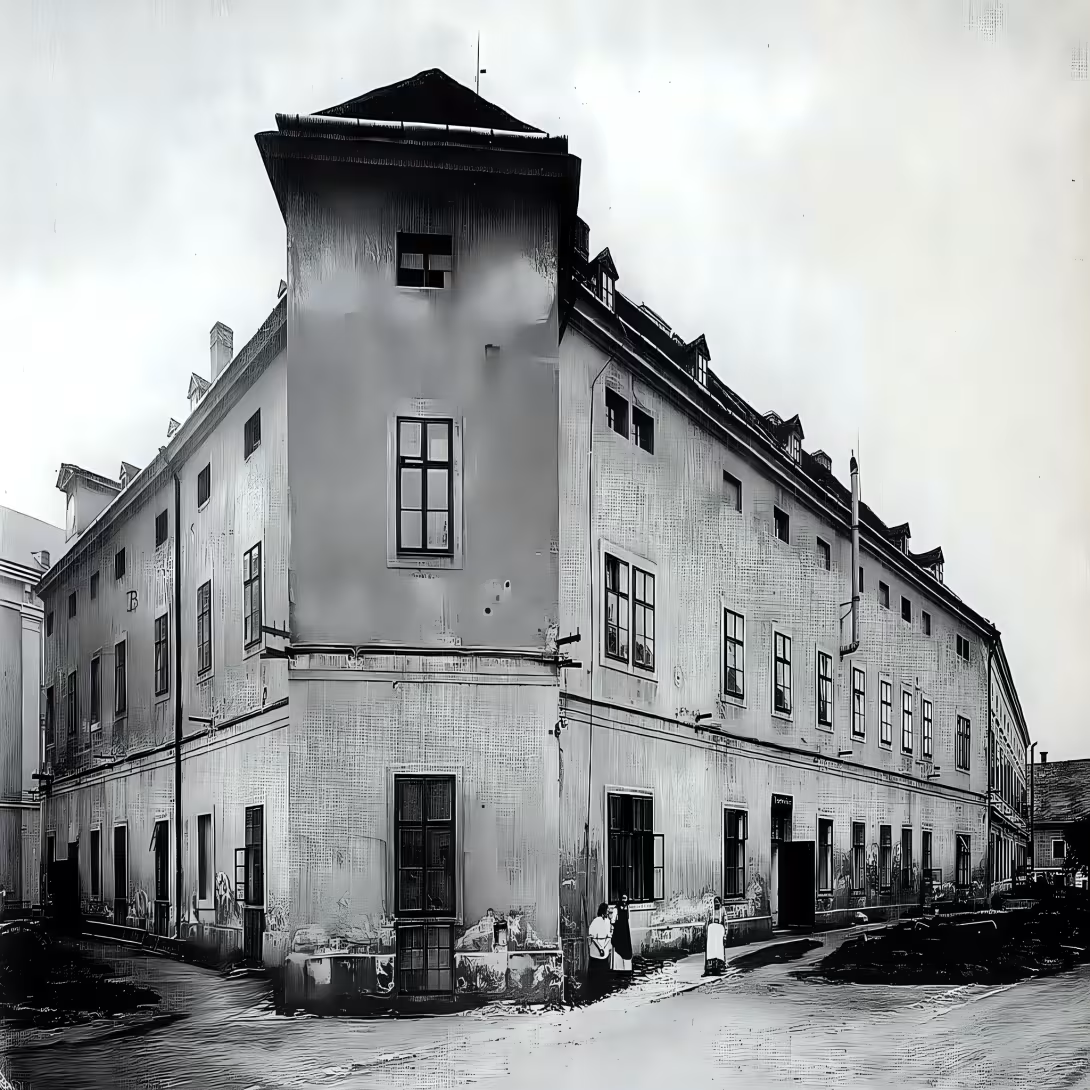
Objekt se nedochoval — na místě dnes nestojí. Následující text popisuje jeho historii, ne současnou návštěvu.
The castle Hodonín is a defunct mansion in the South Moravian Region, which came from the original Přemyslovský border castle and played an important role as an administrative centre on the Moravian-Hungarian border.
The beginnings of the castle are not entirely clear. The historians long assumed that it was founded by the Přemyslívovci around the middle of the 11th century as a successor to the castle in Mikulčice, but archaeological findings clearly do not prove it. It is possible that the administrative function was taken over by the fortified Hradic Castle near Petrov, where a growing settlement is demonstrated from that time. When the Horrors began to stagnate during the first half of the 12th century, that is when the first mention of Hodonín Castle appeared in the written sources.
The first written report dates back to 1169, when Castelán Hrdiš of the House of Hrdišovce was appointed on the list of Olomouc princes. Hodonín served as an important guard point and administrative centre at the border with Hungary. In the first three decades of the 13th century, he was among the esteemed estates of Queen Constantine of Hungary.
The political position of Hodonína culminated in 1301. In Hodonín Castle, Czech King Václav II met with representatives of Hungarian nobility. From these important negotiations came the decision that Václav's son would be Hungarian king. Young Václav of Hodonína left and was crowned Ladislav V in Hungary the same year. Similarly important was the role of the castle in 1372, when Emperor Charles IV negotiated the terms of his son Zikmund's marriage to Mary of Anja, daughter of Hungarian King Louis I.
Since the 15th century, Hodonín has been gradually reaching the hands of various noble families - Kunštátátky, Pernštejn and Lords of Lipé. Like other border mansions, Hodonín did not escape war traps. In 1605 it was almost completely burned by the Bočkajov hordes and in 1623 it was destroyed by Gabriel Bethlen during his siege. Under the administration of the Jampachs and later Liechtenstein, the castle was gradually restored, although it was looted by Prussian soldiers during the first Silesian war in 1742.
Since the 18th century the castle has gradually lost its feudal function. The castle complex is industrially used and the last remains of the old architecture are demolished in the early 20th century, when new buildings of the tobacco factory replace them. The main castle building was located west of Bratislava Street, in the place where the factory complex later grew up. A new chateau was built in the 17th century, which today resembles Hodonín's past as an important centre of administration and diplomacy.
Then and now
Drag the slider to compare how the landmark may have looked when it was built with the view today.
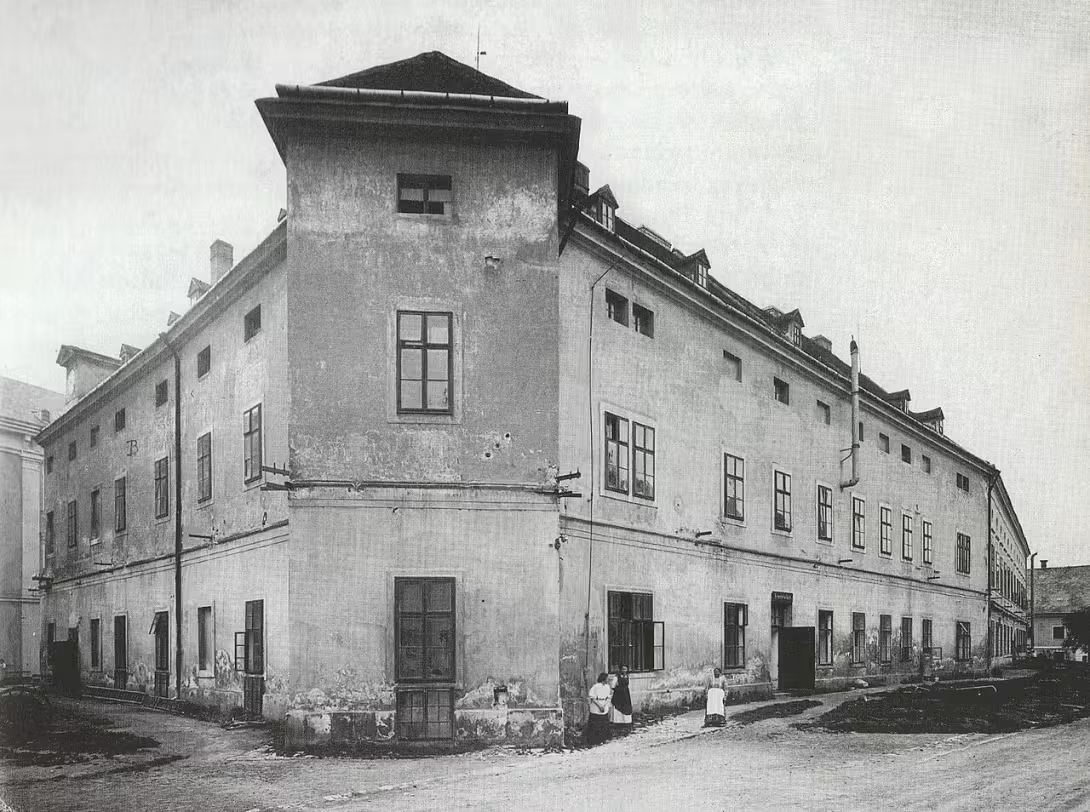

The historical appearance on the left is an AI-generated visualisation and serves as inspiration only.
Historical milestones
- 1169
- First written mention of Hodonín Castle.
- 1301
- Meeting of the Czech King Václav II and Hungarian nobles in the castle.
- 1372
- Diplomatic meeting of Emperor Charles IV on the marriage of son Zikmund.
Architectural development
The castle evolved from the border castle in the 15th and 16th centuries to the castle with Renaissance elements. In 1643-1644 a new manor by Henry Burian Čampachem was built on the front.
Historical events
- 1301
- Meeting of the Czech King Václav II and Hungarian nobles.
- 1372
- Diplomatic meeting of Emperor Charles IV on the marriage of son Zikmund.
- 1605
- The Bochkajov hordes raid that burned down Hodonín.
- 1623
- Siege by Hodonína Gabriel Bethlen.
Owners
- 1169
- 1301
- 1372
- 1464
- 1511
- 1512
- 1614-1648
- 1648-1691
- 1750
Points of interest
- The castle Hodonín is a extinct mansion built from the Přemysk border castle and played an important role as an administrative centre on the Moravian-Hungarian border. - The first written mention of Hodonín Castle dates back to 1169, when Castelán Lardis was appointed. - In 1301 the Czech king Václav II met with Hungarian nobility at Hodonín Castle and agreed that his son would be Hungarian king. - The year 1372 was important for the castle, when Emperor Charles IV negotiated his son Zikmund's marriage to Maria of Anja. - In 1605 the castle was almost completely burned by Bočkajov hordes and in 1623 was destroyed by Gabriel Bethlen during the siege.
Guide
This guide is narrated by a synthetic voice generated by artificial intelligence.
Show guide text
This text was created by artificial intelligence and has not been editorially reviewed. It may contain inaccuracies.
The Hodonín castle, later a chateau, no longer stands. It was a noble residence in Hodonín which underwent reconstruction in the fifteenth and sixteenth centuries and acquired the appearance of a chateau. From the eighteenth century onward, the area served industrial purposes. Its last buildings disappeared at the beginning of the twentieth century, when they were replaced by a tobacco factory. The main chateau building stood west of today's Bratislavská street, in the area of the factory complex.
For a long time, historians assumed that the castle was built around the middle of the eleventh century as one of the Přemyslid border castles and followed the declining fortified settlement in Mikulčice. However, archaeological findings do not clearly confirm this. The Mikulčice settlement may have first been replaced by the nearby fortified settlement Hrůdy u Petrova. This declined in the twelfth century, and it was precisely then that the castle in Hodonín first appeared in written sources, situated about ten kilometers from Hrůdy.
The first written mention of the castle and of Hodonín itself dates from 1169. In a document of Olomouc Prince Frederick, Hodonín's castellan Tvrdiš is mentioned as a witness. Hodonín was a royal city and the castle was an important administrative center and protection for the border with Hungary. In the 1220s and 1230s it belonged to the dower estates of Hungarian Queen Constance.
Important negotiations took place at the castle. In August 1301, Czech King Václav the Second met there with representatives of Hungarian nobility. His young son Václav then departed from there to Hungary, where he was crowned Hungarian king that same month as Ladislav the Fifth. In 1372, Emperor Charles the Fourth here negotiated the marriage of his son Sigismund with Mary of Anjou.
In the fifteenth century, Hodonín was being pledged to nobles. In 1511, William of Pernstein bought it and the royal city thereby became subject to a nobleman. He soon transferred it to his son-in-law Henry of Lipá, whose family held the estate until 1594.
Disasters followed. In 1605, Hodonín almost entirely burned down in a raid by Bocskay's hordes, and in 1623 the city and chateau were besieged by Gabriel Bethlen. Henry Burian Žampach had a new chateau built on the fortification's outskirts in the years 1643 to 1644, today's Hodonín chateau. Later the estate belonged to Frederick of Oppersdorf and then to the Liechtensteins. In 1742 the city and chateau were plundered by the Prussians. After 1750, Hodonín was inherited by Joseph Czobor.
For kids
Imagine going back to when this castle was still hard and its walls were as young as the faces of all the people who lived here. It was a different era, a different time. But something remained the same - beautiful castle.
Businesses nearby
Do you run a restaurant, accommodation, shop, museum, rental, wellness or other visitor service near this monument? Show yourself directly to the people heading to it — this is how they will see you in the app and on the web:
Events nearby
Zdroj akcí: otevřená data měst a obcí ČR (Národní katalog otevřených dat) a kalendář akcí Národního památkového ústavu.
Nearby
Hodonín lies near the river Moravia and is surrounded by forests.
Visualizations and artistic views


The visualisations are generated by artificial intelligence and serve as inspiration.
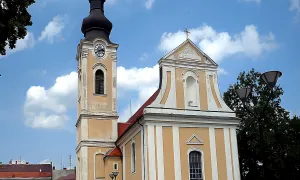
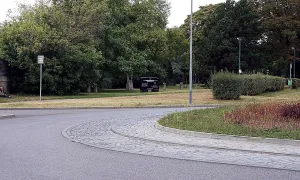
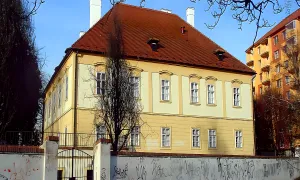
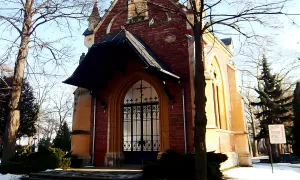
Photos from the area
Real photos taken near the monument


Zdroj a licence jsou uvedeny u každého snímku.
Atmosphere of the place
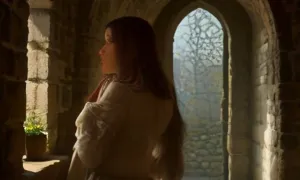
This atmospheric visualisation of the place and period was generated by artificial intelligence. It is not real footage of the location.
Tips from visitors
No tips yet. Be the first!
Log in and add your tip.
Sources and literature
Photos: autor neuveden / Public domain, rozlišení zvýšeno umělou inteligencí — Wikimedia Commons. The author and licence also appear when you hover over the image.
Faktickým podkladem tohoto textu byl článek na Wikipedii, jehož autory jsou přispěvatelé Wikipedie. Článek je dostupný pod licencí CC BY-SA 4.0.
Location on the map

Příběhy a pověsti
Legendy, pověsti a příběhy spjaté s touto památkou
Fotografie návštěvníků
Zatím žádné fotografie. Buďte první, kdo přidá fotografii z návštěvy!
Log in a přidejte svou fotografii nebo hodnoťte.
Za ověřenou návštěvu v aplikaci získáte víc bodů — poznáme podle GPS, že jste na místě.
Reviews and comments