



Starý židovský hřbitov v Hodoníně Extinct entity
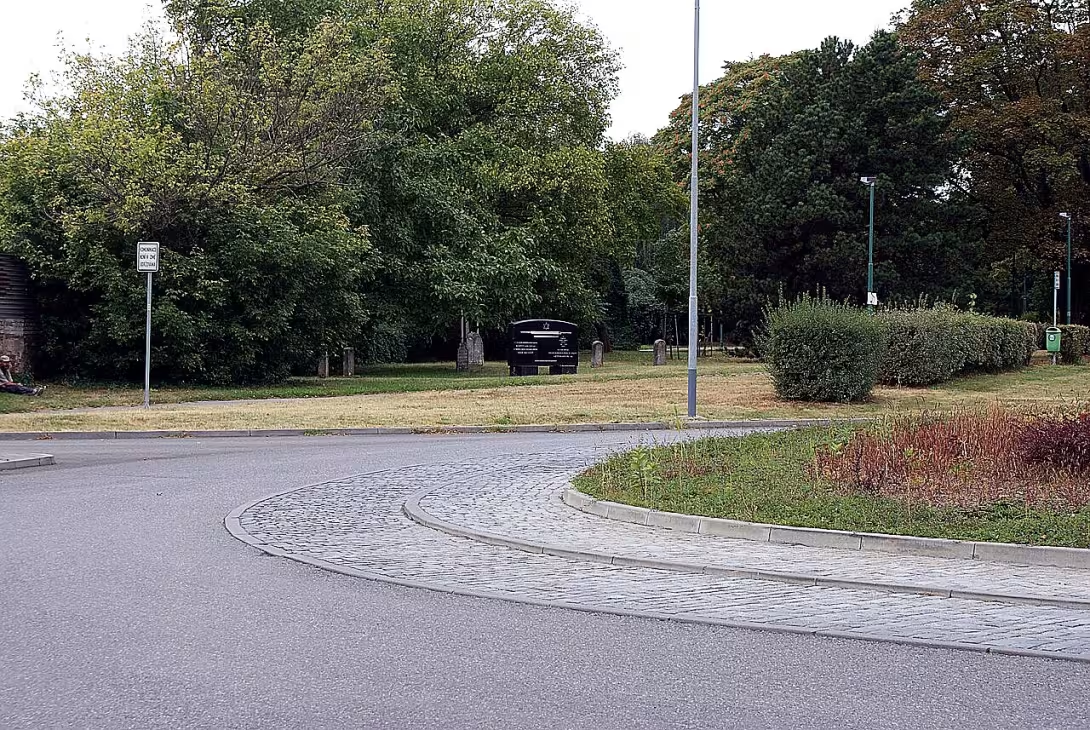
Starý židovský hřbitov v Hodoníně is a historical monument. It is located about 700 metres southwest of the town square on 17 November in Velkomoravská Street, which leads to the village of Lusatia. The cemetery was founded in 1620, extended in 1693 and is protected as a cultural monument of the Czech Republic. The area of about 7918 m ² was originally estimated at 1000 to 5000 tombstones; the oldest preserved dates back to 1674. After the demise of the local Jewish community in 1940, the site was transformed into Gabrielle Preiss' park between 1974 and 1980. Today, as a reminder of history, there are only a few symbolic tombstones.
The cemetery was established during the Thirty Years' War, which was a significant and often difficult time for Jewish people in the region. The foundation in 1620 reflected the need for a burial site for the local community that has been active here for centuries. Enlargement in 1693 shows growth and prosperity. After the demise of the village in 1940 the place became a space of memory and was subsequently converted into a park.
The original cemetery space contained thousands of tombstones. These matrices were a typical element of Jewish burial sites and served as monuments of the deceased. The oldest preserved stones date back to 1674, which confirms long-term use of the cemetery until 1920.
The history of the ownership and administration of the cemetery is closely linked to the fate of the Jewish community in Hodonín. After its demise in 1940, the area passed under the municipal administration. Between 1974 and 1980, it transformed space into Gabrielle Preiss's park. Most of the historical tombstones were moved to a new Jewish cemetery, there were few symbolic stones left in the park.
Key events include the creation of the cemetery in 1620 and its extension in 1693. These steps reflect the historical context of the Jewish population in the region. Another important milestone was the setting up of Gabrielle Preiss Park between 1974 and 1980, which turned the cemetery into a city green.
Today, Starý židovský hřbitov v Hodoníně is accessible as Gabrielle Preiss Park. The left tombstones serve as a symbolic reminder of the Jewish community that once prospered in this area. Visiting this place offers a unique view of the past and the opportunity to think about the history of the region.
Starý židovský hřbitov v Hodoníně is not only a monument, but also a reflection space. Its history resembles rich cultural heritage and tragic events of the past. The site provides a valuable insight into the life of the Jewish population in the region and reminds future generations of the importance of remembering history.
Then and now
Drag the slider to compare how the landmark may have looked when it was built with the view today.
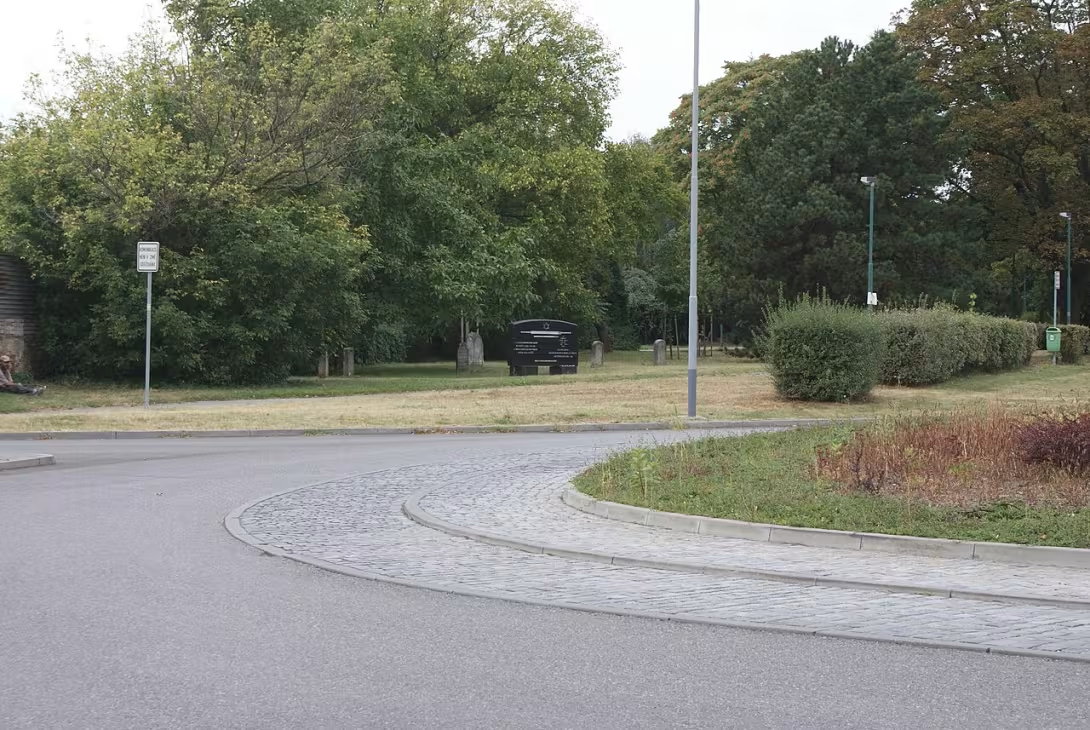
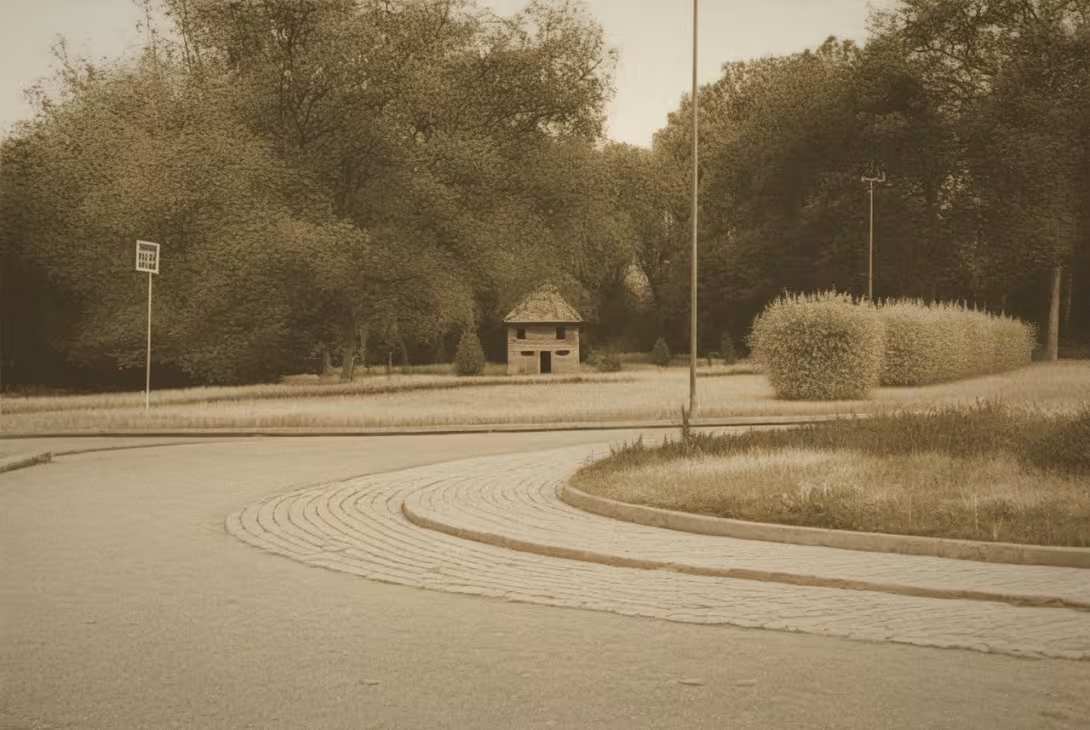
The historical appearance on the left is an AI-generated visualisation and serves as inspiration only.
Historical milestones
- 1620
- Establishment of a cemetery
- 1693
- Extension of the cemetery
- 1920
- Last funeral in the cemetery
- 1974
- The start of setting up Gabrielle Preiss Park
Architectural development
Originally extensive cemetery space with thousands of tombstones was fundamentally transformed in the second half of the 20th century. Most of the historical stones were moved and the site was converted into a city park.
Historical events
The foundation of the cemetery in 1620, the extension in 1693 and the establishment of the park in 1974- 1980.
Points of interest
- The cemetery was founded in 1620 during the Thirty Years' War and expanded in 1693. - An estimated 1000 to 5000 tombstones were originally located on the area of about 7918 m ². - The oldest preserved tombstones dates back to 1674. Between 1974 and 1980, the compound was converted into Gabrielle Preiss Park. - Most of the historical tombstones were moved to a new Jewish cemetery.
Guide
Show guide text
This text was created by artificial intelligence and has not been editorially reviewed. It may contain inaccuracies.
Welcome to Hodonín. You stand in a place that carries extraordinary peace, but at the same time you feel a deep, quiet presence of the past. Perhaps at first glance what you see around you will fool you. Maybe this space feels like a common green urban park where people stop to rest or walk. But under your steps and in the silence of this complex there is a layer of history that is far deeper and sadder than it might seem. It is here, on this surface, which stretches over nearly 8,000 square meters, that once was a place of sacred reverence and eternal rest. You're standing in front of an old Jewish cemetery.
Let's go back together to when this space first opened up to people. Imagine a year of a thousand six hundred twenty. At that time, Europe is devastated, shaken by a devastating 30-year war that changes the fate of entire nations. It was during this difficult and troubled period that the basic stone cube of this place was laid here. The Jewish community that lived here chose this very location to create a home for its deceased. With increasing strength and growing community, the need for space for generations came, and in the year one thousand six hundred ninety-three cemetery was extended. This history was not just about stones and dirt, it was about endurance, roots and efforts to preserve identity in times when the world around it was changing constantly and often very drastically.
Now that you're looking around, pay attention to the few elements left behind. Most of the original site has been transformed over time, but if you look carefully, you'll find tombstones that still exist here. These stone witnesses are not just pieces of treated material. These are symbolic reminders of history that remind us that this place was never just empty space. Notice their texture, their shadow, which they throw at the grass. Even if we don't know the names of the architects who designed or worked these stones, in every notch and in every font that has been preserved on them, there is a sense of human hand and an effort for eternal memory. The oldest of these preserved tombstones dates back to a thousand six hundred seventy-four. Imagine how long these stones have stood here, how they have seen the rotation of centuries, war and measure, and how they have survived everything fate has tried to bring to them.
But now we need to think about what is missing in this space. This is perhaps the biggest and most fascinating question of this place. Imagine the enormous density of memories that once existed here. It is estimated that up to 5,000 tombstones were originally found on this area. Imagine the endless series of symbols, letters and stories that made up the constant memory of the people who lived here loved and believed. But today you can only see a fraction of what was here. This dramatic change of location began in the year of a thousand nine hundred forty when the local Jewish community died. With the people gone, what made this place alive began to disappear.
The change you see today is not random. In the years between a thousand nine hundred seventy-four and a thousand nine hundred eighty, the city decided to take a new direction. This former cemetery was transformed into a park that now bears the name Gabrielle Preiss. This person is connected to this place by a new era, era of green and urban rest. It's fascinating, and perhaps a little sad, how space for eternal rest has turned into space for life and leisure. Park Gabriely Preiss became part of the urban landscape, but its essence remains dualistic. It is a place where you walk between trees and flowers, but at the same time you walk on a land that is sanctified by the memory of thousands of souls.
You may be interested in the mystery that lies in the contrast. How is it that a place where 5,000 tombstones once stood is now so open and spacious? Where did all this history come from? The answer lies in time and in how cities adapt to new needs. This transformation is a reminder of how fragile memory is and how easily the physical form of the world can change. Yet, although most of the tombstones have disappeared, their spirit and their presence are still there. It's in the silence that exists here and the way people stop to breathe for a moment.
Now I want to invite you to continue your walk through this park. Let the atmosphere of this place drift. Look at the remaining tombstones standing here as the silent guardian of history. Feel the contrast between the green park and the silent testimony of the stone. Let yourself be inspired by what this place tells you about human life, about its passing, and about trying to stay in memory forever. This journey may not just be a simple walk through the park, it may be a journey through centuries.
Thank you for spending this moment with us and for trying to understand this special place in Hodonín. We wish you a pleasant further part of your journey and hope that this view of the hidden history of this park has brought you new ideas.
Tips for visitors
The best time to visit the Old Jewish Cemetery in Hodonín is during spring and autumn when the weather is pleasant and less visitors. This time allows a peaceful walk between historic tombstones and enjoying the beautiful green space of the cemetery.
When visiting, bring your protective shoes because the terrain of the cemetery is often unbalanced and covered with grass. It is also important to have a umbrella and plenty of drinking water, especially in the summer months.
Photography at the cemetery offers several interesting perspectives. The best light for photos is usually morning or evening when the sun is not directly above your head and the shadows are longer. Look for places overlooking the tombstone or green surfaces for dramatic effects.
In the vicinity of the monument is located The 17th of November, which is an ideal place for a short break and a tour of local architecture. In addition, the village of Lusatia offers other historical attractions such as a church or an ancient pond.
Frequently asked questions
Can the monument be visited?
We have not verified whether this monument is accessible. Please ask the owner or operator, or the local municipal office.
Where is the monument?
Location: Hodonín, Jihomoravský kraj. The map on this page shows the exact spot.
Why is the monument protected?
It is listed in the Central List of Cultural Monuments of the Czech Republic as a cultural monument (register no. 1000160845).
Businesses nearby
Do you run a restaurant, accommodation, shop, museum, rental, wellness or other visitor service near this monument? Show yourself directly to the people heading to it — this is how they will see you in the app and on the web:
Events nearby

Zdroj akcí: otevřená data měst a obcí ČR (Národní katalog otevřených dat) a kalendář akcí Národního památkového ústavu.
Nearby
On 17 November in Hodonín and the municipality of Lusatia.
Accommodation nearby
Themed route
Thematic cruise route: Old Jewish cemetery and surroundings Hodonína
1. Starý židovský hřbitov v Hodoníně (cemetery) Type: Historical site Why is worth a visit: Starý židovský hřbitov v Hodoníně is one of the oldest and best preserved Jewish burial sites in Moravia. Its historical value lies in countless ancient tombs that testify to the rich past of the Jewish community in the region.
2nd Square 17 November Type: City square Why is it worth a visit: The town of Hodonín, where history and modernity meet, is the heart of November 17. Here you will find important monuments such as the Town Hall or St. Nicholas' Church, which makes the square an ideal place to know local culture and architecture.
3. Lusatia (municipality) Type: View of surrounding landscape Why is worth a visit: Lusatia is a picturesque village near Hodonína, where you can enjoy a quiet moment and look at the natural beauty of the surrounding valley. It is an ideal place for those who want to relax after visiting historical places.
4. Starý židovský hřbitov v Hodoníně - surrounding park Type: Park Why is it worth a visit: The surrounding park around the old Jewish cemetery offers quiet walks and an opportunity to relax. Its green areas are an ideal place to relax after exploring historical monuments.
This route allows you not only to know the main goal, but also the surrounding attractions and natural beauty of the Hodonína region.
Seasonal recommendations
In the spring the cemetery comes to life thanks to the awakening vegetation and fresh green leaves, which gently encapsulates old tombstones. The atmosphere is full of hope and peace. We recommend footwear with fixed soles because the ground may be wet after spring rains. The best place to visit is in the morning when the air is the cleanest.
The summer season brings dense shady green and sharp light, which creates significant contrasts on stone surfaces. Expect more visitors in the main season, so come first thing in the morning to avoid heat and crowds. Dress up light, breathable substances and do not forget enough fluids.
Autumn brings melancholy into the space and the beautiful golden color of falling leaves, which creates a natural carpet on the road. Lighting is softer and very suitable for capturing details of carvings. Due to the variable weather, reach for layered clothes and visit the memory rather in the afternoon.
In winter, the cemetery is very rough and quiet, especially if the tombstones are covered with a layer of snow or freeze. It's a time of deep contemplation in complete peace. Don't forget warm winter clothes and tight shoes. Pay attention to shorter opening times and plan to arrive around noon when the most daylight is.
Visualizations and artistic views


The visualisations are generated by artificial intelligence and serve as inspiration.
Photos from the area
Real photos taken near the monument

Zdroj a licence jsou uvedeny u každého snímku.
Tips from visitors
No tips yet. Be the first!
Log in and add your tip.
Sources and literature
Photos: Feťour / Public domain — Wikimedia Commons. The author and licence also appear when you hover over the image.
Faktickým podkladem tohoto textu byl článek na Wikipedii, jehož autory jsou přispěvatelé Wikipedie. Článek je dostupný pod licencí CC BY-SA 4.0.
Location on the map



Příběhy a pověsti
Legendy, pověsti a příběhy spjaté s touto památkou
Fotografie návštěvníků
Zatím žádné fotografie. Buďte první, kdo přidá fotografii z návštěvy!
Log in a přidejte svou fotografii nebo hodnoťte.
Za ověřenou návštěvu v aplikaci získáte víc bodů — poznáme podle GPS, že jste na místě.
Reviews and comments