






zámek Hodonín Chateau
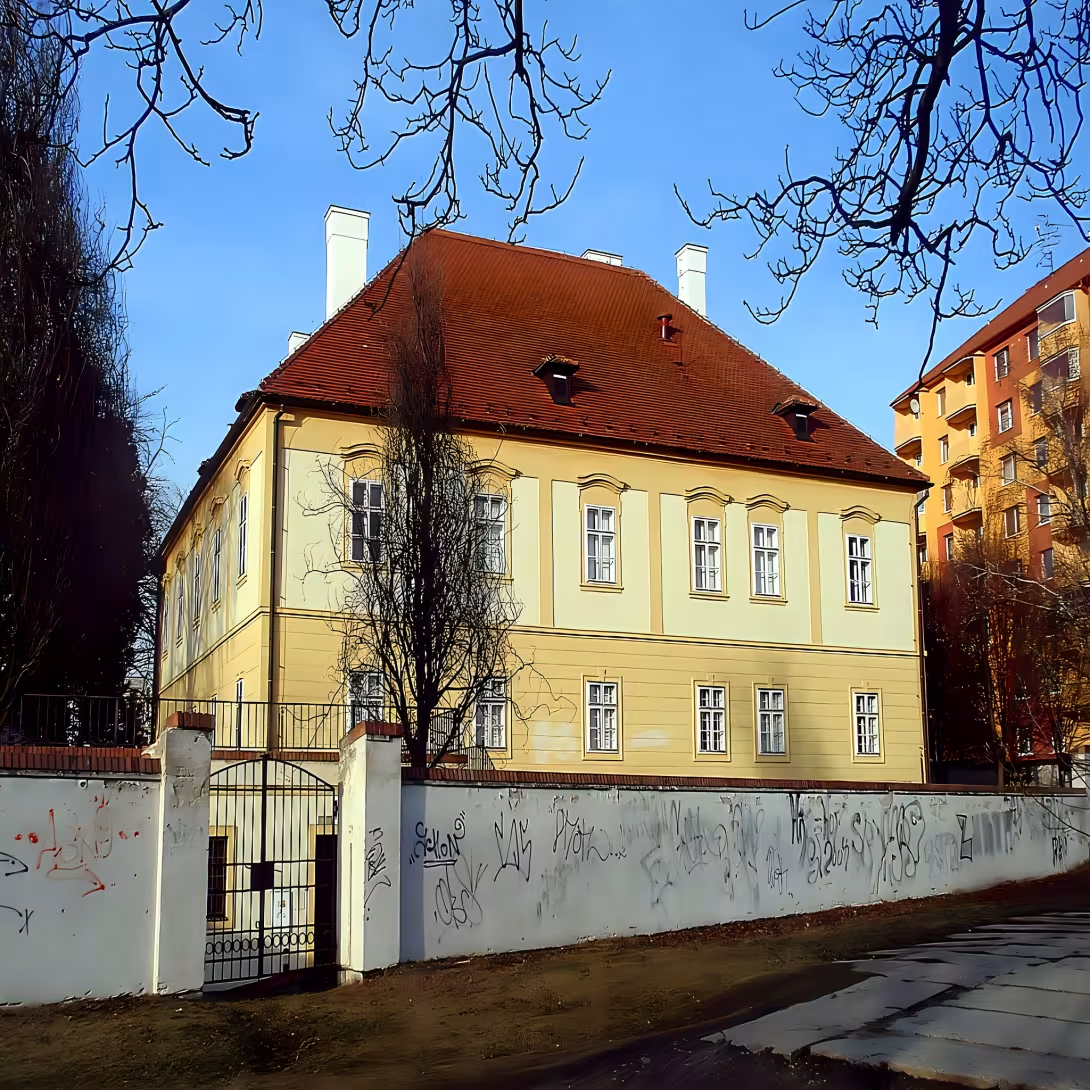
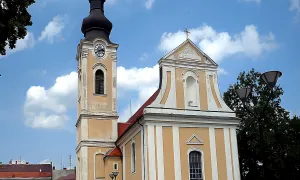
Hodonín Chateau is a historical monument located in Hodonín, within the Jihomoravský kraj of the Czech Republic. This baroque chateau, originally serving as a noble seat, has been recognized as a cultural heritage site since 1964 and currently houses the Masaryk Museum. Its significance lies not only in its architectural evolution but also in its rich historical narrative that reflects broader socio-political changes over centuries.
The origins of Hodonín Chateau trace back to the 16th century when it was part of a pre-chateau precinct, including economic facilities like a mill and brewery associated with the nearby Hodonín chateau. The area's history is marked by religious transformations; in the mid-16th century, Čeněk z Lipé, a notable figure who supported the Unity of the Brethren, had a fraternity house constructed on the northern island. Following the Battle of White Mountain in 1619 and subsequent Counter-Reformation efforts, Protestants were expelled from Hodonín in 1622. The vacated premises were then offered to local Jews, leading to the establishment of their own settlement with a synagogue.
Architecturally, Hodonín Chateau underwent significant transformations over time. Initially built as a noble seat, it was transformed into a Renaissance hunting lodge between 1643 and 1644 by Jindřich Burian Žampach ze Žampachu. A devastating fire in July 1746 severely damaged the chateau during the ownership of Marie Antonie z Lichtenštejna, prompting a baroque reconstruction that expanded its structure with an additional floor. The chateau's architecture evolved through these phases, reflecting its changing roles and owners over time.
Ownership of Hodonín Chateau shifted several times throughout history. After Čeněk z Lipé, Jindřich Burian Žampach ze Žampachu took ownership in the mid-17th century, followed by Marie Antonie z Lichtenštejna in the early 18th century. Post-fire reconstruction marked a significant period of architectural transformation under her tenure. From 1762 until the early 20th century, the chateau was part of the Habsburg-Lorraine dynasty's estate, serving as an administrative seat for state forest management before transitioning to house Masaryk Museum in the late 20th century.
Key events at Hodonín Chateau include its initial construction and subsequent transformations reflecting broader historical currents. The expulsion of Protestants and the establishment of a Jewish settlement highlight the area's religious and cultural shifts. The fire of 1746 stands out as a pivotal moment, leading to significant architectural changes that shaped the chateau's current appearance.
Today, Hodonín Chateau is accessible to visitors who can explore its rich history through exhibitions dedicated to Tomáš Garrigue Masaryk, the first president of Czechoslovakia. The chateau's location near the former course of the Morava River and close to the I/51 highway adds to its historical charm. Its three-winged structure with a baroque entrance gate invites exploration, offering insights into its architectural evolution and the diverse narratives that have unfolded within its walls.
Hodonín Chateau stands as a testament to the complex tapestry of Czech history, embodying centuries of cultural, religious, and political transformations. It offers visitors not only a glimpse into the past but also an opportunity to reflect on the enduring legacy of those who shaped it. As such, Hodonín Chateau is more than just a monument; it is a portal to understanding the rich historical narrative of the Czech Republic, making it a must-visit for anyone interested in exploring the depths of European history.
Then and now
Drag the slider to compare how the landmark may have looked when it was built with the view today.
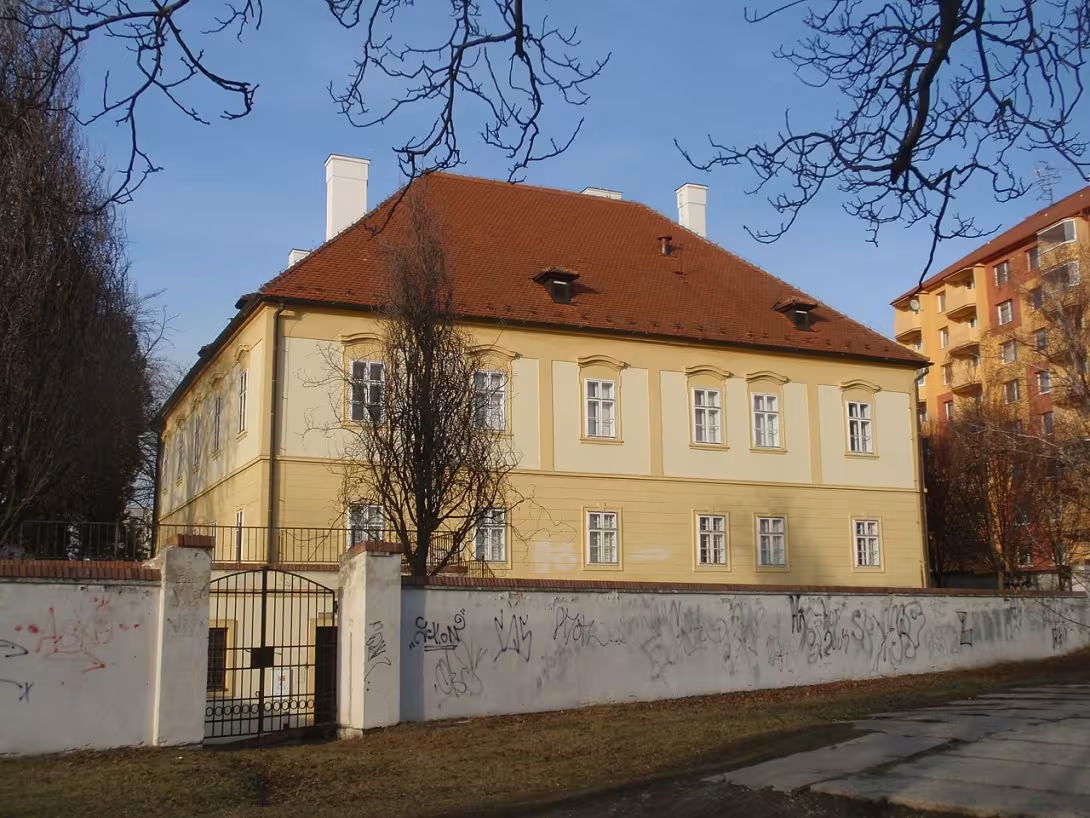
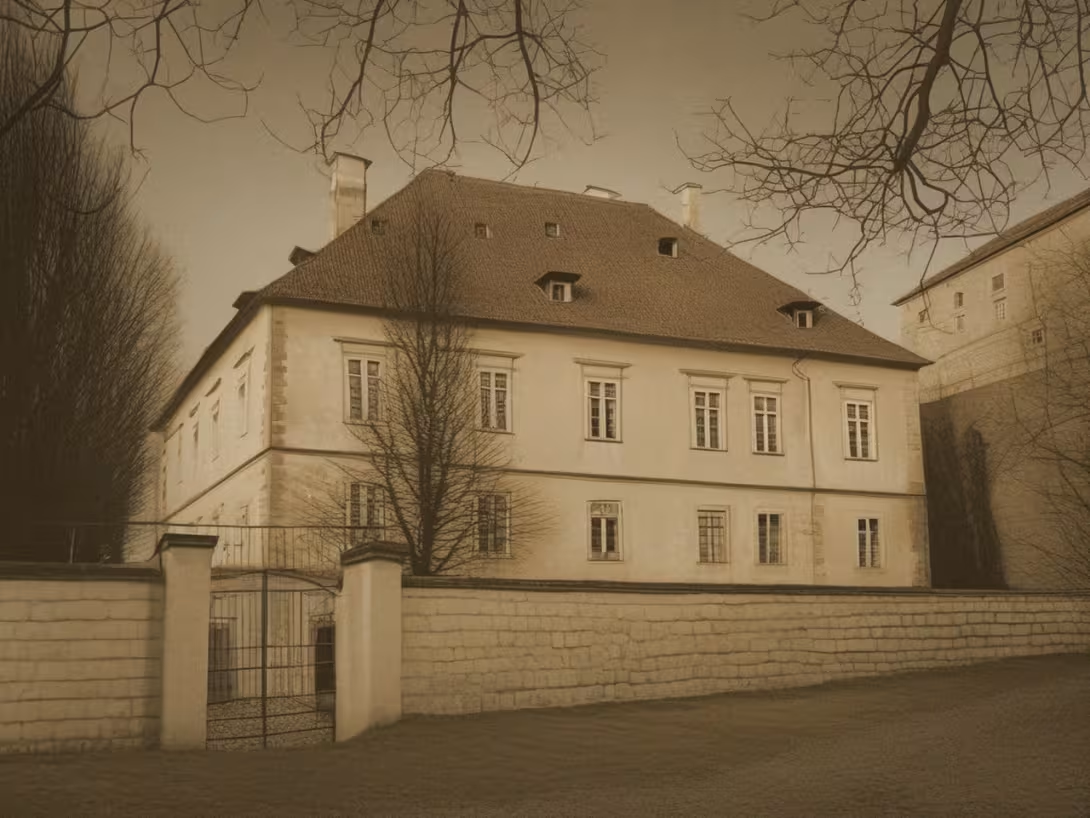
The historical appearance on the left is an AI-generated visualisation and serves as inspiration only.
Historical milestones
- 1564
- Construction of the Unity of the Brethren fraternity house.
- 1643–1644
- Building of a Renaissance hunting lodge by Jindřich Burian Žampach ze Žampachu.
- 1746
- A fire severely damaged Hodonín, including the chateau.
- 1982
- The chateau became part of Masaryk Museum's administration.
Architectural development
Originally built as a noble seat in the 16th century, Zámek Hodonín was transformed into a Renaissance hunting lodge between 1643-1644. After suffering damage from a fire in 1746, it underwent baroque reconstruction and expansion with an additional floor. The chateau's architecture evolved through these phases, reflecting its changing roles over time.
Historical events
In the mid-16th century, Čeněk z Lipé supported the Unity of the Brethren and had a fraternity house built on the northern island.
After the Battle of White Mountain in 1619, Protestants were expelled from Hodonín in 1622.
A fire in July 1746 severely damaged the chateau during Marie Antonie's ownership.
The chateau underwent significant reconstruction after the fire and was later used as a seat for state forest administration before becoming home to Masaryk Museum.
Owners
Páni z Lipé (1559-1590)
Jindřich Burian Žampach ze Žampachu (1643–1644)
Marie Antonie z Lichtenštejna (1712–1750)
Císařský habsbursko-lotrinský rod (1762 - early 20th century)
Points of interest
- Hodonín Chateau's origins date back to the 16th century as part of a larger pre-chateau precinct that included economic facilities like a mill and brewery. This reflects its initial role in supporting local industry and trade.
- In the mid-16th century, Čeněk z Lipé, a supporter of the Unity of the Brethren, had a fraternity house built on the northern island, marking Hodonín as a site of religious significance before it was transformed by later events.
- After the Battle of White Mountain in 1619 and the Counter-Reformation efforts, Protestants were expelled from Hodonín in 1622. The premises they vacated were then offered to local Jews, leading to the establishment of their own settlement with a synagogue, highlighting the area's shifting religious dynamics.
- A devastating fire in July 1746 severely damaged Hodonín Chateau during Marie Antonie z Lichtenštejna’s ownership. This led to a significant baroque reconstruction that expanded its structure by adding an additional floor, illustrating how natural disasters have shaped architectural history.
- The chateau underwent several ownership changes over the centuries, including being part of the Habsburg-Lorraine dynasty's estate from 1762 until the early 20th century. During this time, it served as an administrative seat for state forest management before transitioning to house Masaryk Museum in the late 20th century, reflecting its evolving role in regional governance and culture.
Guide
This guide is narrated by a synthetic voice generated by artificial intelligence.
Show guide text
This text was created by artificial intelligence and has not been editorially reviewed. It may contain inaccuracies.
Welcome to the historic Zámek Hodonín, nestled in the charming town of Hodonín within the Jihomoravský kraj. As you stand before this majestic structure, take a moment to absorb its grandeur and imagine the centuries of history it has witnessed.
The origins of Zámek Hodonín date back to the 16th century when it began as part of a larger pre-chateau precinct. This area included economic facilities like a mill and brewery, highlighting its initial role in supporting local industry and trade. By 1564, the site saw the construction of the Unity of the Brethren fraternity house, marking an important chapter in its history.
As you look around, notice the three-winged structure that defines the chateau's silhouette. The northern side boasts a baroque entrance gate, inviting you to explore further. This architectural detail is one of many that reflect the chateau’s evolution over time.
The mid-16th century brought significant developments under Čeněk z Lipé, an influential supporter of the Unity of the Brethren. His contributions laid the groundwork for future transformations. Later, between 1643 and 1644, Jindřich Burian Žampach ze Žampachu added a Renaissance hunting lodge to the estate, further enriching its architectural tapestry.
Zámek Hodonín faced adversity in 1746 when a devastating fire severely damaged both the town of Hodonín and the chateau itself. Despite this setback, the structure was restored and continued to evolve. In 1982, it became part of the Masaryk Museum's administration, ensuring its preservation for future generations.
As you explore, consider the lives of historical figures like Marie Antonie z Lichtenštejna who have been connected to this site. Their stories are woven into the fabric of Zámek Hodonín’s history, adding depth and intrigue to your visit.
One intriguing aspect of Zámek Hodonín is its transformation from a noble seat to a cultural hub housing the Masaryk Museum. This evolution reflects broader historical shifts in the region, making it not just a monument but a living testament to change over time.
As we conclude this audio tour, I invite you to continue exploring and discovering more about Zámek Hodonín’s rich history. Whether you’re drawn by its architectural beauty or captivated by its storied past, there is always something new to uncover in these historic walls. Thank you for joining us on this journey through time.
Tips for visitors
The best time to visit Zámek Hodonín is during the late spring or early fall, when the weather is pleasant for exploring the chateau grounds without the summer crowds. These seasons offer vibrant landscapes and comfortable temperatures ideal for walking around the historical site. Additionally, visiting in these months allows you to enjoy outdoor events that may be organized by the chateau, enhancing your experience with cultural activities.
Parking at Zámek Hodonín is convenient, as there are designated areas near the entrance of the chateau grounds. For those preferring public transport, the area is accessible via local bus services and is close to the I/51 highway leading to Slovakia. It's advisable to check current transportation options online before your visit to ensure a smooth journey.
When visiting Zámek Hodonín, it’s recommended to bring comfortable walking shoes as you'll likely be exploring various parts of the chateau grounds. A camera or smartphone for photography is also essential, especially if you want to capture the stunning architecture and landscapes. Don't forget to carry water and some snacks, particularly if planning a longer stay.
For photography enthusiasts, the best spots at Zámek Hodonín are those that offer views of the chateau against the backdrop of the former Morava River course. Early morning or late afternoon light is ideal for capturing the chateau’s features with soft shadows and warm tones. The small square near the panel buildings from the 1970s also provides a unique juxtaposition of historical and modern elements.
Nearby, within a 30-minute drive, you can explore the Jewish quarter that once existed in the area around Zámek Hodonín. This site offers insights into the region's diverse cultural history. For families with children, consider visiting local parks or engaging in a short guided tour of the chateau to make the experience both educational and enjoyable for all ages.
Frequently asked questions
Can the monument be visited?
Yes. We verified the opening hours or admission on the official website (6. 10. 2026); you will find them in the visitor information on this page. Please double-check with the operator before you travel.
What are the opening hours and admission?
Details verified on the official website (6. 10. 2026) are listed in the visitor information on this page. Official website: https://www.masaryk.info/masarykovo-muzeum-hodonin/
Where is the monument?
Location: Zámecké nám. 27/9, Hodonín, Jihomoravský kraj. The map on this page shows the exact spot.
Why is the monument protected?
It is listed in the Central List of Cultural Monuments of the Czech Republic as a cultural monument (register no. 27138/7-2217).
Businesses nearby
Do you run a restaurant, accommodation, shop, museum, rental, wellness or other visitor service near this monument? Show yourself directly to the people heading to it — this is how they will see you in the app and on the web:
Events nearby

Zdroj akcí: otevřená data měst a obcí ČR (Národní katalog otevřených dat) a kalendář akcí Národního památkového ústavu.
Nearby
The chateau is located near the former course of the Morava River and close to the I/51 highway leading to Slovakia. The area features panel buildings from the 1970s, creating a small square where a Jewish quarter once existed.
Accommodation nearby
Themed route
Zámek Hodonín Thematic Tour
1. Zámek Hodonín (Chateau) Begin your journey at the heart of this tour, Zámek Hodonín, a historical gem located near the former course of the Morava River. This chateau offers visitors a glimpse into the region's rich history and architectural evolution. Explore its grand halls and learn about its significance in local heritage.
2. Former Jewish Quarter (Historic Site) A short walk from Zámek Hodonín, you'll find yourself near the small square that once housed a vibrant Jewish quarter. This area serves as a poignant reminder of the diverse cultural tapestry that has shaped Hodonín over the centuries. Reflect on the stories and lives intertwined with this historic site.
3. Panel Buildings from the 1970s (Architectural Site) Continue your exploration by visiting the panel buildings constructed in the 1970s, located close to Zámek Hodonín. These structures provide a unique contrast to the chateau's historical architecture and offer insight into the urban development of Hodonín during the socialist era.
4. I/51 Highway (Scenic Viewpoint) Conclude your tour with a visit near the I/51 highway, which leads towards Slovakia. This location offers not only a scenic view but also serves as a reminder of the region's connectivity and its role in facilitating travel and trade throughout history.
This thematic route provides an engaging exploration of Zámek Hodonín and its surrounding historical and cultural landmarks, offering insights into both past and present influences on the area.
Seasonal recommendations
Spring: Visiting Hodonín Chateau during spring offers a unique experience as the surrounding landscape bursts into life with vibrant colors and blooming flowers, creating an enchanting atmosphere that complements the chateau's historic charm. The softer light of early morning or late afternoon can cast beautiful shadows across the chateau walls, enhancing its architectural details. Visitors should be prepared for occasional showers, so wearing layers is advisable to stay comfortable as temperatures fluctuate. Spring mornings are ideal for exploring the grounds with fewer crowds, allowing for a more intimate experience of both nature and history.
Summer: The summer season at Hodonín Chateau is characterized by long days filled with warm sunshine, making it perfect for leisurely strolls through its expansive gardens. This is also the peak tourist season, so arriving early in the day can help avoid larger crowds and ensure a more personal exploration of the chateau's many attractions. Lightweight clothing and sun protection are essential due to the higher temperatures. The lush greenery during this time provides a picturesque backdrop for visitors looking to capture memorable photographs or simply enjoy the serene environment.
Autumn: Autumn at Hodonín Chateau is marked by a stunning display of fall foliage, with vibrant reds, oranges, and yellows transforming the landscape into a painterly scene. This season offers a more tranquil atmosphere as visitor numbers decrease compared to summer, allowing for a peaceful exploration of both the chateau and its grounds. The cooler weather makes it an ideal time for longer visits without the discomfort of summer heat. Wearing layers is recommended to accommodate changing temperatures throughout the day, and carrying a light jacket can be useful during cooler evenings.
Winter: In winter, Hodonín Chateau takes on a magical quality with snow often blanketing its grounds, offering a picturesque setting that feels like stepping into a fairytale. The shorter days mean visiting early is wise to make the most of daylight hours, and it's important to dress warmly in layers, including hats and gloves, as temperatures can be quite cold. While some areas might have limited access due to weather conditions, the chateau itself remains open, providing an opportunity to appreciate its architecture against a snowy backdrop. Winter visits are typically quieter, offering a more serene experience away from the bustle of peak seasons.
Visualizations and artistic views


The visualisations are generated by artificial intelligence and serve as inspiration.
Photos from the area
Real photos taken near the monument


Zdroj a licence jsou uvedeny u každého snímku.
Tips from visitors
No tips yet. Be the first!
Log in and add your tip.
Sources and literature
Photos: Isolda11 / CC BY-SA 3.0, rozlišení zvýšeno umělou inteligencí — Wikimedia Commons. The author and licence also appear when you hover over the image.
Faktickým podkladem tohoto textu byl článek na Wikipedii, jehož autory jsou přispěvatelé Wikipedie. Článek je dostupný pod licencí CC BY-SA 4.0.
Location on the map



Příběhy a pověsti
Legendy, pověsti a příběhy spjaté s touto památkou

Fotografie návštěvníků
Zatím žádné fotografie. Buďte první, kdo přidá fotografii z návštěvy!
Log in a přidejte svou fotografii nebo hodnoťte.
Za ověřenou návštěvu v aplikaci získáte víc bodů — poznáme podle GPS, že jste na místě.
Reviews and comments