






Hrad na Radči Castle
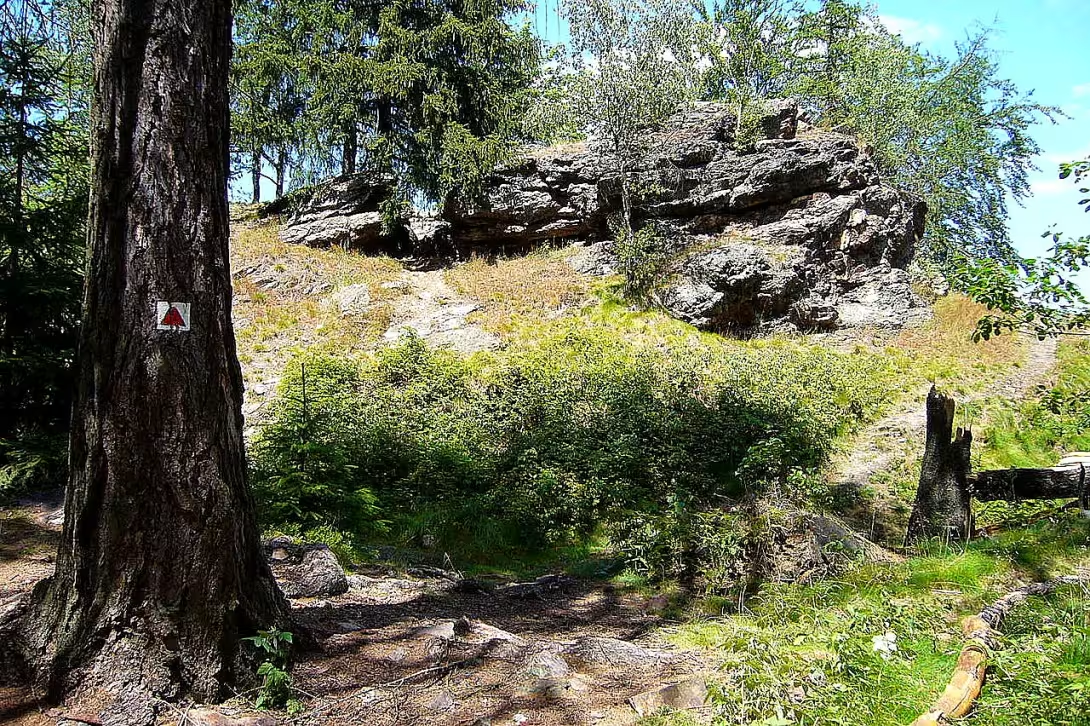
Hrad na Radči, also known as Mitterwald, is a missing castle north of Těškova in Rokycany district. It is located on the secondary top of the Radec ridge at 680 metres high and contains remains of fortifications. The site is protected as a cultural monument and offers a view of medieval defence architecture. Its historical significance underlines its first documented mention of 1342 and its connection with remarkable figures such as Oldřich of Mitervald.
The origin of Hrad na Radči dates back to the 14th century when Oldřich was owned from Mitervald. Historical sources suggest that the castle was initially named Mitterwald, but was often referred to as Hradec to the locals, leading to the name Radec for the surrounding ridge. The first written mention of the castle dates back to 1342, associated with Oldřich from Mitervald, although the former association was accidentally attributed to a similar place near Pilsen. At the end of the 14th century, Peter of Oseka became his last known owner.
Architecturally, Hrad na Radči was characterized by a small fortified core surrounded by natural rock formations. The remnants include an arctically shaped moat and a wall from the south access side, although no trace of the buildings survived. This minimalist design reflects the strategic use of the landscape for defence purposes during its time.
The ownership has changed over the centuries, and Oldřich of Mitervald is an important figure in his early history. By 1400, Peter of Oseka was recorded as the last known owner before the castle fell into abandonment. The historical story is enriched with archaeological findings from the 19th century, which revealed coins from the Luxembourg era, swords, axes, horseshoes and other artifacts, although the legendary treasure to be buried on site remains undiscovered.
In 1652 Hrad na Radči was documented as long abandoned. This period marks the end of its active use and leaves only remnants that tell the story of its past meaning. The history of the castle stands against the background of Bohemia under the Luxembourg dynasty, which is the time for political consolidation and cultural development in Central Europe.
Today the ruins of Hrad na Radči are accessible via the red tourist trail from Lhota under Radchem to Těškova. Visitors can explore the remnants of the site, get a look at medieval fortification techniques and the historical context of its era. The surrounding landscape, part of Radec Ridge, adds to the charm of this cultural monument.
Hrad na Radči is proof of the rich history and architectural ingenuity of the region. Its preservation as a cultural monument ensures that future generations can appreciate its importance. Visitors are invited to explore this historic place where the echoes of the past continue to resurface in the midst of the natural beauty of Radec ridge.
Then and now
Drag the slider to compare how the landmark may have looked when it was built with the view today.
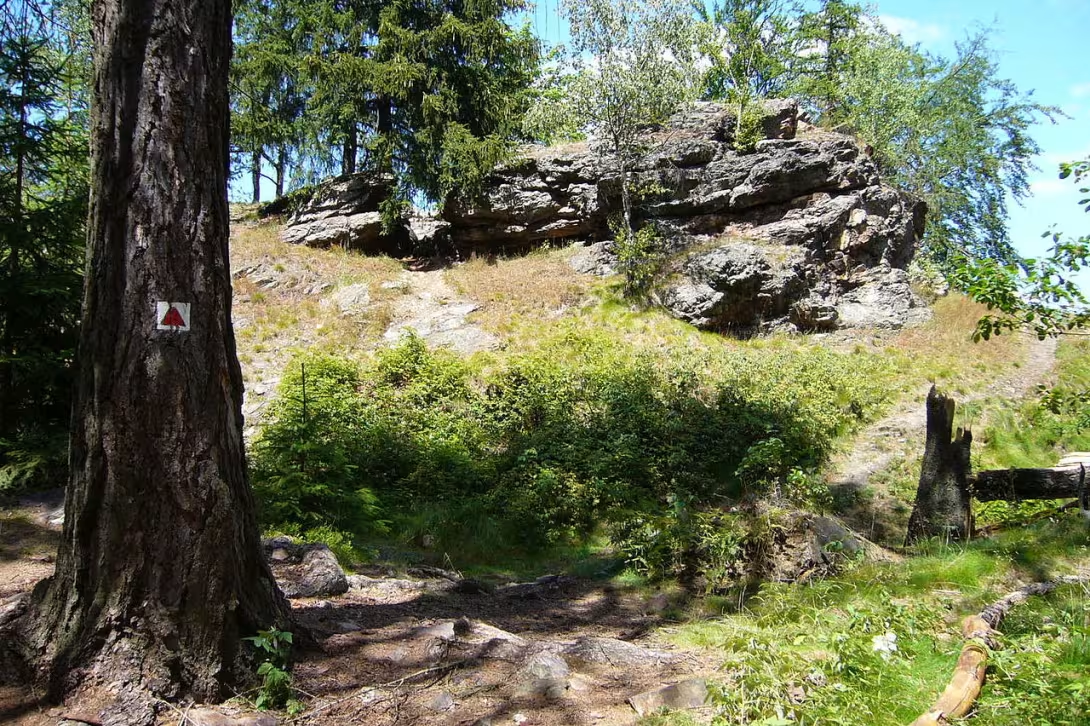

The historical appearance on the left is an AI-generated visualisation and serves as inspiration only.
Historical milestones
- 1342
- First documented mention of Hrad na Radči.
- 1652
- The castle is recorded as abandoned.
Architectural development
Hrad na Radči was a small fortified core surrounded by natural rock formations. No trace of the buildings survived, but the Arctic moat and wall from the south access side remain partially intact.
Historical events
- 1342
- First written mention of the castle associated with Oldřich of Mitervald.
- 1652
- The castle is mentioned as long abandoned.
Owners
The castle was owned by Oldřich of Mitervald in the 14th century. By 1400, Peter of Oseka was the last known owner.
Points of interest
- Despite its name "Hrad na Radči" the castle was initially known as Mitterwald and locally referred to as Hradec, who eventually influenced the naming of the surrounding Radec ridge.
- The legendary treasure is buried on the site of Hrad na Radči, although extensive archaeological efforts have not yet revealed that it adds an element of mystery to its history.
- The minimalist design of the castle depended heavily on natural rock formations for defense, only remains as arc- shaped moat and the wall remains visible today, showing medieval strategic use of the landscape.
- Hrad na Radči was associated with remarkable historical figures such as Oldřich of Mitervald in the 14th century, but by the end of this century, ownership was transferred to Petr from Osek before it fell into abandonment.
- The archaeological significance of the site is highlighted by findings from the 19th century, including coins from the Luxembourg era and various medieval artifacts such as swords, axes and horseshoes that offer a view into its historical context.
Guide
This guide is narrated by a synthetic voice generated by artificial intelligence.
Show guide text
This text was created by artificial intelligence and has not been editorially reviewed. It may contain inaccuracies.
Welcome to the historic site Hrad na Radči, the missing castle nestled in the picturesque landscape north of Těškova, in the Rokycany district charming Radec ridge. As you stand here at this secondary peak at 680 meters, imagine rolling hills and vast views that once framed this medieval fortress. The remnants of fortifications of structures before you whisper stories from centuries past invite you to immerse yourself in a rich tapestry of history.
The first documented mention Hrad na Radči dates back to 1342 and refers to its creation as a strategic fortress at a time when castles were vital for defence and control. Originally known as Mitterwald, the castle was locally referred to as Hradec - a name that eventually influenced the naming of the surrounding ridge Radec. This site stood as evidence of medieval life until it was recorded abandoned in 1652.
As you examine this cultural monument, take the remains of its fortifications. Proposals and foundations may be weak, but they talk about architectural prowess long past. Observe how these ruins have resisted the time that offers insight into medieval defense architecture. A strategic position on the Radech Ridge would provide the commanding views necessary for monitoring and defence.
Key historical data associated with Hrad na Radči include Oldřich from Mitervald and Petr from Osek, both of which played a role in the past. Their lives intertwined with the history of this site, contributing to a story that has been passed down for generations.
The Hrad na Radči remains a fascinating mystery - a legendary treasure to be buried on these grounds. Despite extensive archeological efforts, the treasure remains elusive, provokes images and encourages speculation about what secrets can still lie beneath your feet.
At the end of this virtual tour I invite you to continue to explore the area around Těškova where nature has acquired most of the landscape. Let your imagination wander through time, as you consider the lives that once flourished here. Thank you for joining me on this trip to history in Hrad na Radči. Until next time, may your curiosity lead you to many other fascinating discoveries!
Tips for visitors
The best time to visit Hrad na Radči is at the end of spring or early autumn when the weather is mild, and the natural environment are especially beautiful. During these seasons, you can enjoy a clear view of the surrounding landscape without the discomfort of summer heat or winter winter. In addition, visiting these months often means fewer crowds, allowing a more peaceful experience of how you explore ruins.
From there follow the red tourist trail leading to Těškova and then to the ruins of the castle. Always check the current routes and plans in advance.
When visiting Hrad na Radči, it is advisable to bring comfortable walking shoes because the terrain includes some uneven paths and natural rock formations. Hats, sunscreen and water are necessary for exposure to elements. In addition, consider bringing a camera with a good zoom lens to capture detailed images of ruins and panoramic images from the web.
For photographic enthusiasts include the best places in the Hrad na Radči area where you can capture both the remains of the castle and the vast landscape of the Radech ridge. Early morning or late afternoon light provides the most dramatic effects, casting long shadows and highlighting textures in ruins. Make sure to explore different angles for different perspectives.
The nearby attractions within 30 minutes include natural rock formations, which are part of the Radec ridge, offering excellent opportunities for hiking and photography. These pages provide additional context of the historical importance of Hrad na Radči and allow visitors to appreciate the geological beauty of the area.
Frequently asked questions
Can the monument be visited?
This is a ruin. Such sites are often freely accessible, but some can only be visited with a guide or are closed for safety reasons. We have not verified the current situation – take care and respect any restrictions.
Where is the monument?
Location: Těškov, Plzeňský kraj. The map on this page shows the exact spot.
Why is the monument protected?
It is listed in the Central List of Cultural Monuments of the Czech Republic as a cultural monument (register no. 25584/4-2514).
Businesses nearby
Do you run a restaurant, accommodation, shop, museum, rental, wellness or other visitor service near this monument? Show yourself directly to the people heading to it — this is how they will see you in the app and on the web:
Nearby
The ruins are accessible through the red tourist trail from Lhota under Radchem to Těškova. The surrounding landscape includes natural rock formations and is part of the Radec ridge.
Accommodation nearby
Trips and activities nearby
Guided tours, tickets and activities nearby from GetYourGuide
Affiliate link: if you buy from the partner, we may receive a commission. The price for you does not change.
Search tours and activities →Themed route
Thematic cruise route: Hrad na Radči and surroundings
1. Hrad na Radči (castle) * Why is it worth a visit: * This historic castle, located in the Radeč hill, offers one-year panoramic winnings to the surrounding region. Visit him in the ruins and enjoy the opportunity to explore the rich history of the place.
2. Red marked hiking trails (journey) * Why is it worth a visit: * This road leads from Lhota under Radchem to the village Těškov and is an ideal place for milestones of nature. On the way, the possibilities for natural rock cores, which touch the landscape of one character, are ordered.
3. Natural rock products (nature) * Why is it worth a visit: * During walking on hiking trails, feel the fascinating natural rocks that are the characteristic feature of Radech hill. These shapes provide not only beautiful photographs, but also interesting information about the geology of the region.
4. Radečská horkatina (landscape) * Why is it worth a visit: * This landscape area is carried by the background for the castle on Radchi, but also offers a quiet moment for relaxation and use and supply. It's an ideal place for picnics or short spots in green.
5. Municipality of Těškov (place) * Why is it worth a visit: * On the way along the hiking trail you can reach the village Těškov, where you can explore to be a positive rural character. The village offers the possibility to carry out meals or drinks and is an ideal place for a detour along a difficult journey.
This route offers combined historical, natural and cultural resources in one region.
Seasonal recommendations
Spring: Hrad na Radči offers one experience in the spring store, when the event is passed through and covers the ruins of the heat color flower. The sun settles castle buildings and state buildings, which means ideal support for photography. Overgrown greenery knows what the availability is for resting areas and use with spring outlet. The wall units should be converted into small temperatures and rain options to ensure that they are supplied with an attachment. The best things to determine are usually in the galley afternoon when the crowd shrinks.
Summer: The summer rectification of the Castle in Radchi offers a vibrant atmosphere full of life and warmth. The sunny days justify ruins, which own dramatic stalls and draws the historical character of the castle on a new source. The overgrown green is at its peak, the conversion rates to the Tootrankov place for relaxation and use with the beauty of nature. Due to the popularity of the castle in the main summer area it is delivered to refresh early in the morning or can be in the afternoon to avoid a large crowd. The sun and light shoes are suitable for comfortable production.
Autumn: Autumn the conversion of magical magical device to Castle in Radchi, when the colors are leaves in live gold and some shades. Sunshine Days Echoing castle structures that allow ideal support for photovoltaic and private and quiet moments. For the purposes of this Regulation, the following definitions shall apply: Wall materials should be transferred to cold evenings covered by this Regulation. Usually, the best time for inclusion is the afternoon when the crowd gets smaller.
Winter: The winter national value of the Castle in Radchi offers only one business with regard to the landscape and cold air. The sunny days justify the castle, which means dramatic conditions and the provision of beautiful photographs. Although the appearance may be popular for cold temperatures, it offers a calm atmosphere without large crowds. The initial authorities should be able to submit an application in the light of the above requirements and the applicable obligations for cold aid necessary to comply with Council Directive 91 / 414 / EEC. The best comma is recalculated when the temperature is temperate and sunny bright structure of the castle.
Visualizations and artistic views


The visualisations are generated by artificial intelligence and serve as inspiration.
Photos from the area
Real photos taken near the monument


Zdroj a licence jsou uvedeny u každého snímku.
Atmosphere of the place
This atmospheric visualisation of the place and period was generated by artificial intelligence. It is not real footage of the location.
Tips from visitors
No tips yet. Be the first!
Log in and add your tip.
Sources and literature
Photos: Petr Kinšt / CC BY-SA 4.0 — Wikimedia Commons. The author and licence also appear when you hover over the image.
Faktickým podkladem tohoto textu byl článek na Wikipedii, jehož autory jsou přispěvatelé Wikipedie. Článek je dostupný pod licencí CC BY-SA 4.0.
Location on the map
More monuments – Těškov
Show all in the municipality

Příběhy a pověsti
Legendy, pověsti a příběhy spjaté s touto památkou
Příběh: Hrad na Radči
Bylo to v pondělí ráno, kdy Martin zjistil, že nebe nad Radči bledne jako papír pod kapradinovým potiskem. Byl si vědom každého ticha údolí a stopy zvuků na …
Číst příběh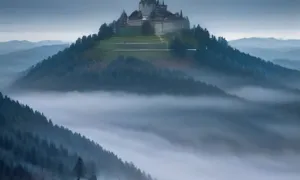
Pověst: Hrad na Radči
Podle místní pověsti, kterou staří obyvatelé Těškova a Lhoty pod Radčem předávají z pokolení na pokolení, spočívá na vrcholu hřebene Radeč poklad, jehož hodn…
Číst příběhFotografie návštěvníků
Zatím žádné fotografie. Buďte první, kdo přidá fotografii z návštěvy!
Log in a přidejte svou fotografii nebo hodnoťte.
Za ověřenou návštěvu v aplikaci získáte víc bodů — poznáme podle GPS, že jste na místě.
Reviews and comments