






Hradiště Baba (Dejvice) Archaeological site
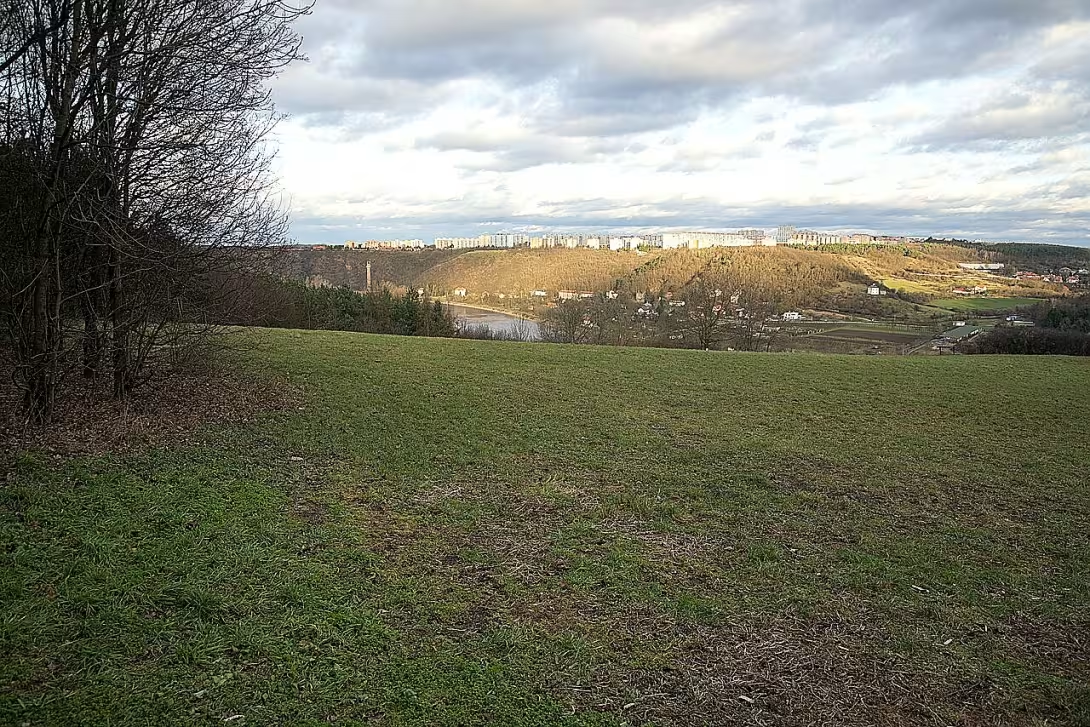
Hradiště Baba is a prehistoric fortified settlement located in Prague's Dejvice district, on the left bank of the Vltava River near its confluence with Šárecký potok. This archaeological site holds significant cultural heritage value due to well-preserved features from both the Neolithic and Bronze Age periods. It served as a regional power center during these times, reflecting important socio-economic and possibly religious activities.
The origins of Hradiště Baba trace back to the Neolithic period when it was first settled by members of the Bell Beaker culture. This settlement functioned as a significant regional hub for power and economy. As time progressed into the Bronze Age, particularly at the transition from the Middle to Late Bronze Age, the site became associated with the Knovíz culture and later the Štítary culture. During this period, it served as a center for craftsmanship and trade.
Architecturally, Hradiště Baba is notable for its Neolithic fortifications, which included ditches and ramparts. The main ditch was approximately two meters deep and seven meters wide, with a smaller parallel ditch also present. A complex of geometrically arranged channels was discovered on the site, though their exact purpose remains uncertain. During the Bronze Age, the fortifications consisted of an earthen ditch filled with stones from a destroyed wall.
The site has been subject to archaeological interest since the late 19th century. In 1890, bronze artifacts and ingots were discovered, marking the beginning of documented findings. Later, between 1932 and 1938, archaeologist Ladislav Hájek excavated cultural pits associated with both the Knovíz culture and Bell Beaker culture.
One intriguing feature of Hradiště Baba is a large sunken building measuring 12.4 by 6.8 meters, which significantly exceeds the size of contemporary structures in Czechia during that period. Additionally, the site includes a unique system of geometrically arranged channels whose full extent remains unknown.
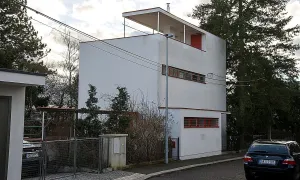
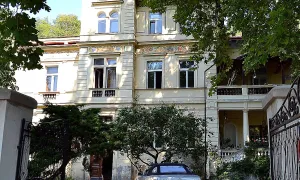
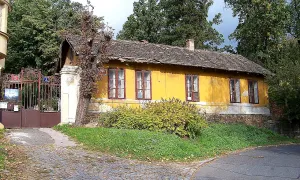
Today, much of the original hradiště has been absorbed into a modern residential district due to urban development. Despite this, Hradiště Baba remains an important archaeological site, offering insights into prehistoric life and culture in Central Europe. Its historical significance and well-preserved features make it a worthwhile visit for those interested in exploring ancient civilizations and their enduring legacies.
Then and now
Drag the slider to compare how the landmark may have looked when it was built with the view today.
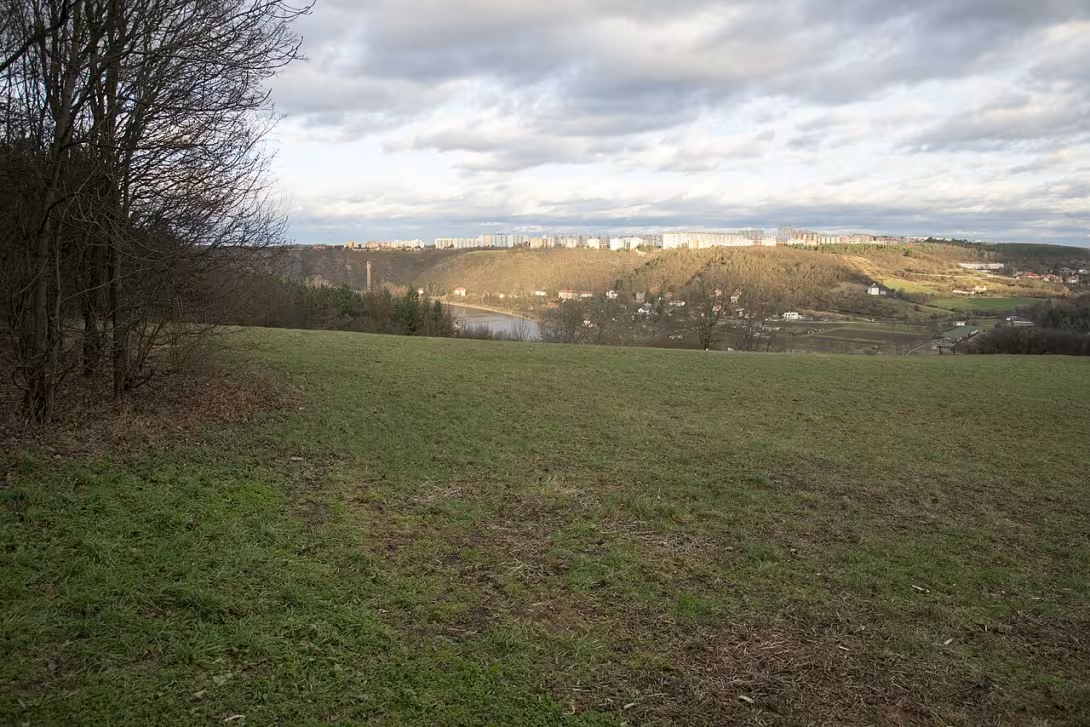
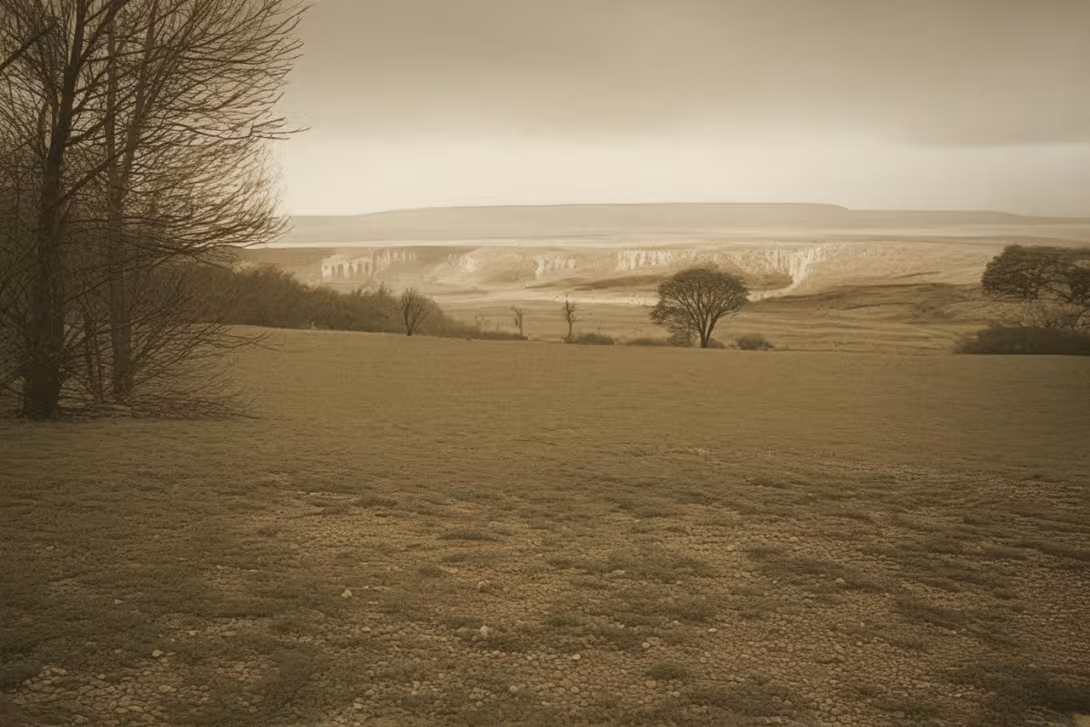
The historical appearance on the left is an AI-generated visualisation and serves as inspiration only.
Historical milestones
- 1890
- Bronze artifacts and ingots were discovered.
- 1932
- Archaeologist Ladislav Hájek excavated cultural pits associated with the Knovíz culture and Bell Beaker culture.
Architectural development
The Neolithic fortifications included ditches and ramparts, with one main ditch approximately two meters deep and seven meters wide. A smaller parallel ditch was also present. The site featured a complex of geometrically arranged channels whose purpose remains uncertain. During the Bronze Age, the fortifications consisted of an earthen ditch filled with stones from a destroyed wall.
Historical events
The site was first settled in the Neolithic period by members of the Bell Beaker culture, serving as a regional power and economic center.
During the transition from the Middle to Late Bronze Age, it became associated with the Knovíz culture and later the Štítary culture, functioning as a hub for craftsmanship and trade.
Points of interest
- Hradiště Baba is a prehistoric fortified settlement located in Prague's Dejvice district on the left bank of the Vltava River. - The site holds significant cultural heritage value due to well-preserved features from both the Neolithic and Bronze Age periods, serving as a regional power center during these times. - It was first settled by members of the Bell Beaker culture in the Neolithic period and later associated with the Knovíz and Štítary cultures during the Bronze Age. - Architecturally notable for its Neolithic fortifications, including ditches approximately two meters deep and seven meters wide, and a complex of geometrically arranged channels whose purpose remains uncertain. - A large sunken building measuring 12.4 by 6.8 meters was discovered at the site, significantly exceeding the size of contemporary structures in Czechia during that period.
Guide
This guide is narrated by a synthetic voice generated by artificial intelligence.
Show guide text
This text was created by artificial intelligence and has not been editorially reviewed. It may contain inaccuracies.
Welcome to the historic site of Hradiště Baba, located in Prague's Dejvice district. You stand before a ruin that towers over the left bank of the Vltava River. Hradiště Baba is a prehistoric fortified settlement that served as a regional power center and possibly a hub for religious activities during the Neolithic and Bronze Age.
Let us journey back in time. The first discoveries made in 1890 revealed bronze objects and ingots. In 1932, archaeologist Ladislav Hájek conducted excavations related to the Knovíz culture and the Bell Beaker pottery tradition.
Note how well-preserved archaeological finds from both periods are found here. Take a look at the fortifications that were once among the strongest of their time.
Here lay true power, the center of regional authority, and possibly religious activities.
Hradiště Baba is hidden before us, but its history is full of mysteries and secrets.
Allow me to invite you to further explore this hidden history.
Frequently asked questions
Can the monument be visited?
This is an archaeological site. Often there is little to see on the ground and the land may be private. We have not verified access.
Where is the monument?
Location: Dejvice, Hlavní město Praha. The map on this page shows the exact spot.
Why is the monument protected?
It is listed in the Central List of Cultural Monuments of the Czech Republic as a cultural monument (register no. 1000153064).
Businesses nearby
Do you run a restaurant, accommodation, shop, museum, rental, wellness or other visitor service near this monument? Show yourself directly to the people heading to it — this is how they will see you in the app and on the web:
Events nearby

Zdroj akcí: otevřená data měst a obcí ČR (Národní katalog otevřených dat) a kalendář akcí Národního památkového ústavu.
Nearby
Hradiště Baba is located near the confluence of the Vltava River and Šárecký potok. The surrounding area has been largely developed into a modern residential district.
Accommodation nearby
Trips and activities nearby
Guided tours, tickets and activities nearby from GetYourGuide
Affiliate link: if you buy from the partner, we may receive a commission. The price for you does not change.
Search tours and activities →Themed route
Hradiště Baba (Dejvice) Archaeological site Located near the confluence of the Vltava River and Šárecký potok, Hradiště Baba is a significant archaeological site featuring a medieval fortress and a Romanesque church.
1. Vltava River River The Vltava River flows nearby, offering a scenic view and a chance to see the river's confluence with Šárecký potok.
2. Šárecký potok Stream Šárecký potok, a small stream, flows into the Vltava River near Hradiště Baba, adding to the area's natural charm.
3. Dejvice Neighborhood The Dejvice neighborhood, a modern residential district, surrounds Hradiště Baba, offering a glimpse into the area's urban development.
Seasonal recommendations
Jaro
Spring is the ideal time to visit Hradiště Baba, as nature around the monument is in full bloom. The atmosphere is calm and peaceful, allowing for a deeper exploration of the archaeological sites. We recommend visiting early in the morning or late afternoon to avoid crowds of tourists. Don't forget to wear hiking boots and comfortable clothing for an enjoyable walk up the hill.
Summer
The main summer season at Hradiště Baba is full of life and energy. Tourists gather here to explore the archaeological site and enjoy the beautiful weather. We recommend coming early to avoid crowds and secure a comfortable spot for your visit. Don't forget sunglasses and an umbrella to protect yourself from the harsh sun.
Autumn
An autumn visit to Hradiště Baba offers stunning colorful displays of nature and a peaceful atmosphere. Tourists can stroll around the hill and enjoy the beauty of nature without crowds. We recommend visiting early in the morning or late afternoon to avoid cold weather and ensure a comfortable walk. Don't forget warm clothing and comfortable shoes.
Winter
A winter visit to Hradiště Baba is ideal for those who love walking on snow. The atmosphere is calm and peaceful, allowing visitors to stroll around the hill and enjoy the beauty of winter nature. Don't forget warm clothing and comfortable boots for snowy terrain.
Visualizations and artistic views


The visualisations are generated by artificial intelligence and serve as inspiration.
Photos from the area
Real photos taken near the monument


Zdroj a licence jsou uvedeny u každého snímku.
Tips from visitors
No tips yet. Be the first!
Log in and add your tip.
Sources and literature
Photos: Jirka Dl / CC BY-SA 4.0 — Wikimedia Commons. The author and licence also appear when you hover over the image.
Faktickým podkladem tohoto textu byl článek na Wikipedii, jehož autory jsou přispěvatelé Wikipedie. Článek je dostupný pod licencí CC BY-SA 4.0.
Location on the map


Příběhy a pověsti
Legendy, pověsti a příběhy spjaté s touto památkou
Fotografie návštěvníků
Zatím žádné fotografie. Buďte první, kdo přidá fotografii z návštěvy!
Log in a přidejte svou fotografii nebo hodnoťte.
Za ověřenou návštěvu v aplikaci získáte víc bodů — poznáme podle GPS, že jste na místě.
Reviews and comments