






Hradiště Na Zámkách Hillfort
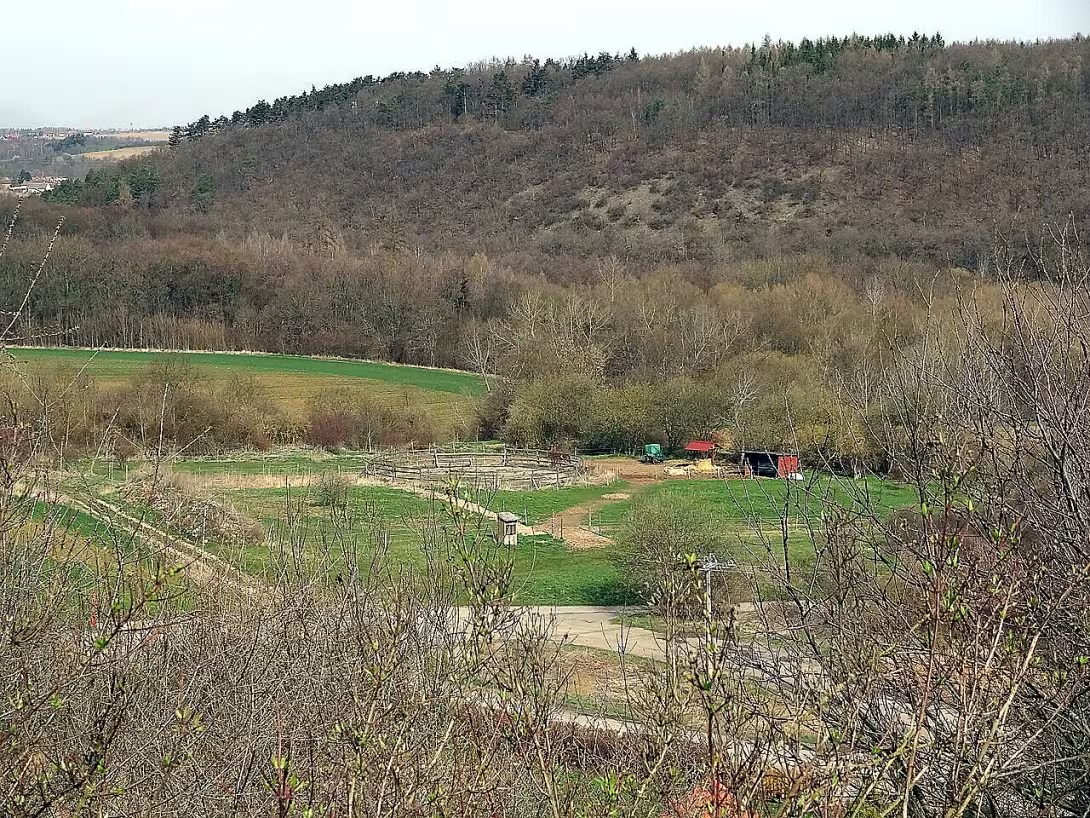
Hradiště Na Zámkách is an archaeological site on the island of Škrábek, northwest of the village Choteč in Praha- west district. It is a one-piece castle of unknown age, which is today protected as a cultural monument.
No written or archaeological reports on the oldest history and exact settlement period have been preserved. The location was discovered after World War II. However, subsequent surface surveys did not produce any findings that would allow the time of creation or use of the site to be determined.
The object is situated on an area of approximately one hectare at an altitude of 350 metres. The strategic location on the island in the western part of Škrábek, which is part of the Prague platform, provided natural protection. The northwest and southwest sides protect steep slopes that exceed the valley of the Radotín creek by more than 45 metres.
The easily accessible east side in the past provided artificial fortifications. It was preserved in the form of a trench of one metre deep and a maximum of three metres wide. The accompanying wall exceeds the bottom of the ditch by a maximum of three metres. The construction of the original wall contained more stone. An interesting element is the ending of the wall, which turns west and in short sections also partially protects the side sides of the bay.
In the absence of archaeological research, the fate of the site and its precise function within the historical settlement of the region remain unexplained. The monument is currently listed as a protected area.
Hradiště Na Zámkách is an important document of historical use of the landscape, the secrets of which await future expertise. The visit offers the opportunity to get acquainted with preserved remains of fortifications in the natural terrain above the valley of the Radotín creek.
Historical milestones
- around 800- 1200
- Expected period of use of the fort in the early to high Middle Ages
- 1945-1950
- Discovering the site of archaeologist after the end of World War II
- 20th century
- Execution of surface surveys without data items
- Present
- The location is guided as a state-protected cultural monument
Architectural development
The fort was built on an island at an altitude of 350 metres. The fixing of the moat shall be one metre deep and a wall the height of which exceeds the bottom of the moat by a maximum of three metres. A larger amount of stone was used in the construction of the original wall.
Points of interest
- The castle is located on the island of Škrábek hill and is protected as a cultural monument. - The site was discovered after World War II, and there are no written or archaeological reports of its age and settlement. - The object is situated on an area of approximately one hectare at an altitude of 350 metres. - The steep slopes on the northwest and southwest side exceed the valley of the Radotín creek by more than 45 metres. - An interesting element is the ending of the wall, which turns towards the west and partly protects the side sides of the bay.
Guide
Show guide text
This text was created by artificial intelligence and has not been editorially reviewed. It may contain inaccuracies.
Welcome to the edge of something we no longer see with our eyes, but what we can feel in the earth itself under our feet. You are standing on the sharp top of Škrábek, in a place where the natural face of the landscape connects with the imprint of the human hand. In front of you is a view of the surrounding landscape and the depth of the valley in which the Radotín stream flows quietly. Feel this space, feel the air and the calm atmosphere that exists here. You are in a place called Hradiště Na Zámkách. Although at first glance it may seem to be just another piece of natural height, you are actually standing in a place that is a state-protected cultural monument and carries a deep, albeit silent, secret within it.
Look around you at these steep slopes. It is this natural protection, provided by the nature of the terrain, that was the most important element for the ancient people. This location was not chosen by accident. The height of this place, approximately 300 meters above sea level, offered not only a strategic view of the surroundings, but above all safety. Imagine how people settled here, how they used every inch of this one hectare that you're now walking around. Although the exact date of the first people on this hill remains in the fog of history, experts believe that the castle was used from the eighth to the twelfth century. It means that we move in times of early and high Middle Ages. It is a time when the foundations of our world were being formed, when the first solid settlements were being built, and when the borders between wilderness and civilization were still changing.
Now pay attention to what you see right below you and around you. Hradiště Na Zámkách is not a monumental stone building, which you could explore in detail in its working. It's more of a work of landscape architecture. Notice how natural steep slopes are supplemented with human effort. If you turn towards the east side, you can see traces of artificial fortification. Unlike other parts that rely on natural superiority, this party has been strengthened in the past by man. You'll see the remains of the ditch and the wall. These agricultural structures were the cutting edge of engineering at the time. Val wasn't just a pile of dirt, it was a symbol of strength and protection to repel enemies. Even though these shapes are now softened by time and vegetation, they still feel the original function - the function of defense and stability.
You may be asking who lived here. Who were those people who sought refuge on this hill in these times? Who made the decision that this very top of Scratch was the right place? Unfortunately, history has given us no names. We know no kings, no warlords, or any builders who would construct this castle. There are no written records to tell us more about them than just being here. We're alone with silence. This lack of specific personalities, however, gives the site a special quite, to mystical quality. We are not here as visitors to the memory of a famous hero, but as witnesses to the existence of entire communities whose lives, pleasures and fears have been imprinted in this country, but who have never been able to sign up for the chronicles.
And it is here that comes the greatest mystery of this place that should accompany you while you walk. Even though this fort is so important and yet so well preserved in the form of its earthly buildings, archaeology still refuses to reveal its greatest treasures to us. After the end of World War II, between a thousand and nine hundred and forty five and a thousand and nine hundred fifty, this site was discovered by archaeologists. Since then, there have been various surface surveys, people going through this country looking for clues of the past. And yet, despite all efforts, there was not a single object found that could let us know exactly how people lived here. No coins, no ceramic shards, no tools that were clearly dated.
Consider the idea: you are standing in a place that was a huge center of life, perhaps even a fortified fortress, and yet in an archaeological sense it is completely silent. It's like a book that has a beautiful bond and an interesting cover, but its pages are empty. Why is that? Maybe the country has been so carefully maintained here, or everything that people have created has gone back to the ground over time. Or maybe the secrets of this castle are still deep beneath your feet, waiting for the right moment to reveal itself. This emptiness in the records is paradoxically the greatest attraction. Hradiště Na Zámkách forces us to our own imagination. Makes us think about what can be hidden in the silence of the earth.
Now I want to invite you to continue your tour. Let yourself be guided by the terrain, walk around the edge of these old valleys and see how the view of the Radotín creek valley changes according to where you are. Try to perceive every inequality of the earth, every shadow cast on the slopes. Although there are no tall towers or decorative facades that you could photograph, this entire area of one hectare is one big monument. It's a monument to a human quest for safety and settlement in this country.
Look at the horizon, perceive the space, and remember that even if we don't know everything about this place, its presence is undeniable. It's part of our history, even if it's history that refuses to give up its secrets. Thank you for your time and for coming to see this place with your own eye. Read this space, feel its atmosphere and enjoy the peace this place offers you. Once again we welcome you to the castle castle and wish you the pleasant rest of your journey.
Tips for visitors
{'navsteva': 'The best time for visiting is spring or autumn, when vegetation is thinner and the terrain remains of the castle are better visible. In summer, the site may be covered with lush vegetation, which makes it impossible to tour the valleys.', 'transport': 'Location is available on foot from the village Choteč. Parking is possible in the village on public areas, from where it leads to the castle field road. For public transport use the search engine for connections to a stop in the village Choteč.', 'equipped': 'We recommend fixed shoes suitable for the field, because the path to the sharpness can be slippery after the rain. Remember the repellent and plenty of fluids as there are no services or refreshments on site.', 'photographers': 'The best lighting conditions for capturing the relief of the castle offer early morning or late afternoon, when the side light highlights signs of fortification. Ideal shots can be taken from the edge of the island hall towards the valley.', 'of all _ and _ families': 'In the surroundings you can take a walk along the Radotín creek, which offers a pleasant natural environment. For families with children, the location is suitable as a destination for an educational trip, but due to the terrain the space is not accessible with a pram.'}
Businesses nearby
Events nearby
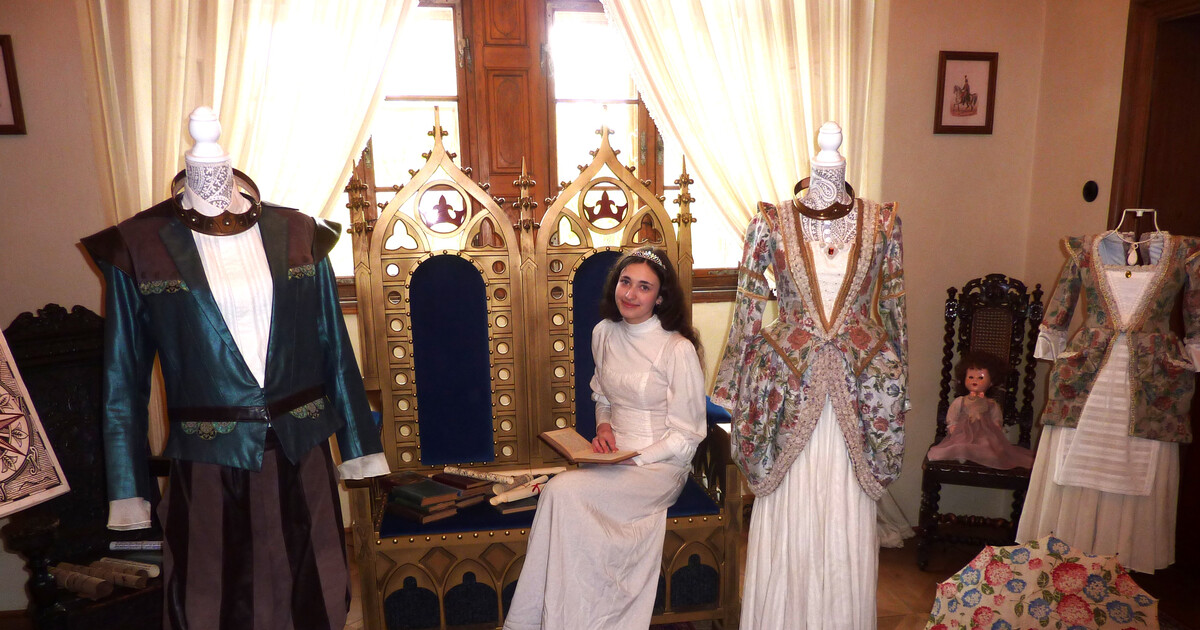

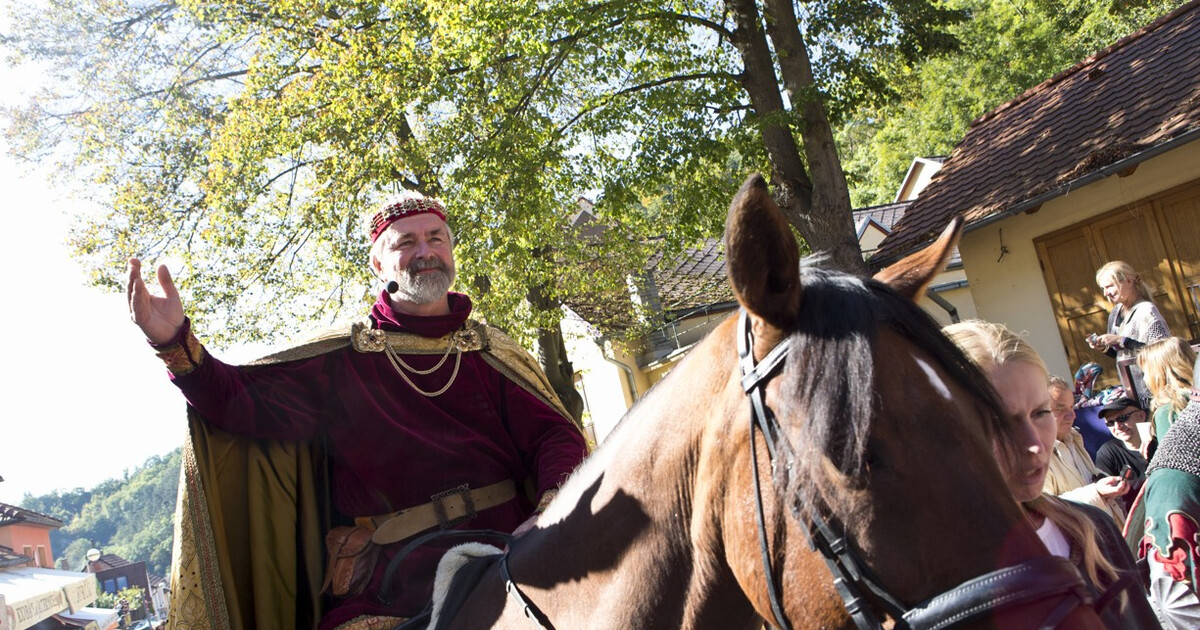

Zdroj akcí: otevřená data měst a obcí ČR (Národní katalog otevřených dat) a kalendář akcí Národního památkového ústavu.
Nearby
Radotín brook, village Choteč, Prague platform.
Accommodation nearby
Trips and activities nearby
Guided tours, tickets and activities nearby from GetYourGuide
Affiliate link: if you buy from the partner, we may receive a commission. The price for you does not change.
Search tours and activities →Themed route
Thematic cruise route: Hradiště Na Zámkách and surroundings
1. Hradiště Na Zámkách (archaeological site) - Type: Archaeological site - Why is it worth a visit: Hradiště Na Zámkách is a fascinating archaeological place that shows the history of people living on the Prague platform in prehistoric times. Visit this place for the knowledge of ancient settlements and their culture.
2. Radotín stream - Type: Natural location - Why it is worth a visit: Shortly from Hradiště Na Zámkách there is a Radotín stream which offers a mild and peaceful surroundings for relaxation. Its tributaries are an ideal place for a short walk or picnic.
3. Municipality of Choteč - Type: Historical village - Why is it worth visiting: The village Choteč is a small but historically rich place with picturesque architecture and quiet streets. It is a great opportunity for learning about life in traditional Czech village.
4. Prague platform - Type: Geographic location - Why it is worth a visit: The Prague platform is a large and slightly curly area that offers a wide view of the surrounding landscape. It's an ideal place for a farmer or cyclists looking for a quiet route.
This route offers a combination of historical knowledge, natural beauty and a peaceful rural environment.
Seasonal recommendations
Spring brings fresh energy to the surroundings of the castle thanks to blooming vegetation and fine, soft light, which beautifully paints the shapes of ruins. The atmosphere is full of expectations and recovery. Practically, we recommend choosing layered clothes so that you don't get surprised by a sudden change of temperature, and wearing fixed shoes, because the journey can be muddy due to rain. It's best to visit the place in the morning.
During the summer months there is a strong sun and surrounding nature is in full bloom, creating a hot and lively atmosphere. Due to the high temperatures and possible increased interest of visitors, it is advisable to arrive as early as possible in the morning to avoid the greatest heat and crowds. Remember enough drinking water, headgear and comfortable shoes suitable for dry but uneven terrain.
Autumn brings melancholy beauty to the archaeological site, golden shades of leaves and morning fog that provide the ruins with mysterious magic. The low sun creates long, dramatic shadows on the remains of the barrier. We recommend to prepare a waterproof jacket and shoes because the soil is wet. For the best visual experience, choose the time just after sunrise or in the afternoon.
During the winter season, the fortification and silence work, especially if the landscape is covered with snow or frost, which highlights the very structure of stone remains. The atmosphere is calm and lonely. It is necessary to have very warm and wind-resistant clothes as well as high-quality shoes against cold. Due to the short day and lower sunlight, plan to visit around noon when the lights are most.
Visualizations and artistic views

The visualisations are generated by artificial intelligence and serve as inspiration.
Photos from the area
Real photos taken near the monument


Zdroj a licence jsou uvedeny u každého snímku.
Tips from visitors
No tips yet. Be the first!
Log in and add your tip.
Sources and literature
Fotografie: MartinVeselka / CC BY-SA 4.0 — Wikimedia Commons. The author and licence also appear when you hover over the image.
Faktickým podkladem tohoto textu byl článek na Wikipedii, jehož autory jsou přispěvatelé Wikipedie. Článek je dostupný pod licencí CC BY-SA 4.0.
Location on the map
Příběhy a pověsti
Legendy, pověsti a příběhy spjaté s touto památkou
Fotografie návštěvníků
Zatím žádné fotografie. Buďte první, kdo přidá fotografii z návštěvy!
Přihlaste se a přidejte svou fotografii nebo hodnoťte.
Za ověřenou návštěvu v aplikaci získáte víc bodů — poznáme podle GPS, že jste na místě.
Reviews and comments