






hřbitovní kaple ve Štípě Chapel
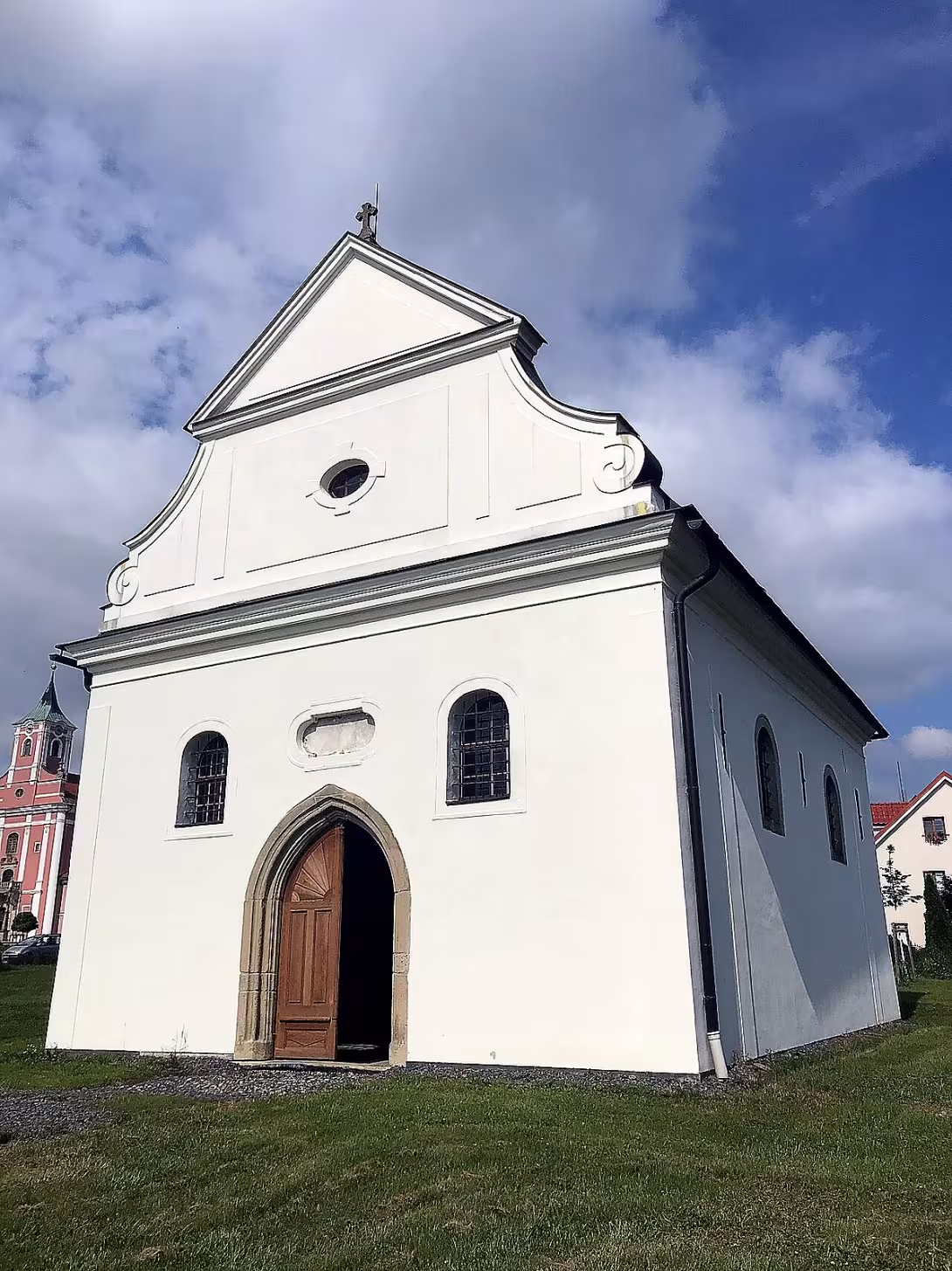
The Chapel on the Old Cemetery in Štípa, also known as Starý kostel Štípa or Štípská poutní kaple, is a historical monument situated at a crossroads in the village center of Štípa. Originally constructed in the late 14th century, it remains a remnant of a medieval Gothic church that has undergone significant changes over time. The chapel's foundation was inspired by the discovery of a Marian statue, which became central to its establishment and historical significance. Known as an important pilgrimage site, the chapel is closely linked to the Sternberg family who expanded it into a Gothic church by the end of the 14th century.
The origins of the Chapel on the Old Cemetery in Štípa are deeply rooted in the late medieval period when Bohemia was part of the Holy Roman Empire. Construction began in the second half of the 14th century, initiated by Ješek ze Šternberka who endowed the local church. This early connection to the Sternberg family underscores its historical importance as they were instrumental in expanding the chapel into a Gothic church. By the end of the 14th century, it had become one of the region's most significant pilgrimage sites, largely due to the veneration of the Marian statue associated with it.
Architecturally, the chapel began as a medieval Gothic structure and has undergone several transformations over the centuries. Initially expanded by the Sternberg family into a church, it later saw significant alterations in the 18th and 19th centuries under the ownership of the Seilern family. These changes included modifications to its nave and roof, reflecting shifts in both style and function. The chapel features an oblong ground plan with a right-angled closure, Prussian vaulting between piers supported by pilasters with Ionic capitals, and is topped with wooden shingles.
Ownership and administration of the chapel have seen notable transitions over time. Initially under the Sternberg family's influence in the late 14th century, it later came into the hands of the Seilern family in the 18th century. During this period, significant alterations were made to its structure. The chapel experienced a dramatic shift when Joseph II secularized it, repurposing it as a storage facility by 1762. This change marked a decline in its religious significance until restoration efforts began in the late 20th and early 21st centuries.
Several key events underscore the historical importance of the Chapel on the Old Cemetery in Štípa. The first documented mention of Štípa dates back to 1391, linked with Ješek ze Šternberka's endowment of the local church. Another notable event occurred in 1609 when Albrecht z Valdštejna reportedly married at the chapel. These events highlight its role as a significant site within the community and beyond.
Today, the Chapel on the Old Cemetery in Štípa stands near the Church of the Nativity of the Virgin Mary, surrounded by what was once a cemetery. Restoration efforts have been ongoing since 1997, with significant work completed between 2012 and 2018 to repair its roof, windows, and both interior and exterior plastering. The chapel's historical gravestones are arranged according to their original placement, preserving the memory of those who were laid to rest there.
The Chapel on the Old Cemetery in Štípa is a testament to the rich history and cultural heritage of the region. Its architectural evolution and storied past make it a fascinating site for visitors interested in medieval Gothic architecture and Bohemian history. The chapel's connection to notable historical figures and events adds depth to its significance, inviting exploration and appreciation from those who visit.
Then and now
Drag the slider to compare how the landmark may have looked when it was built with the view today.
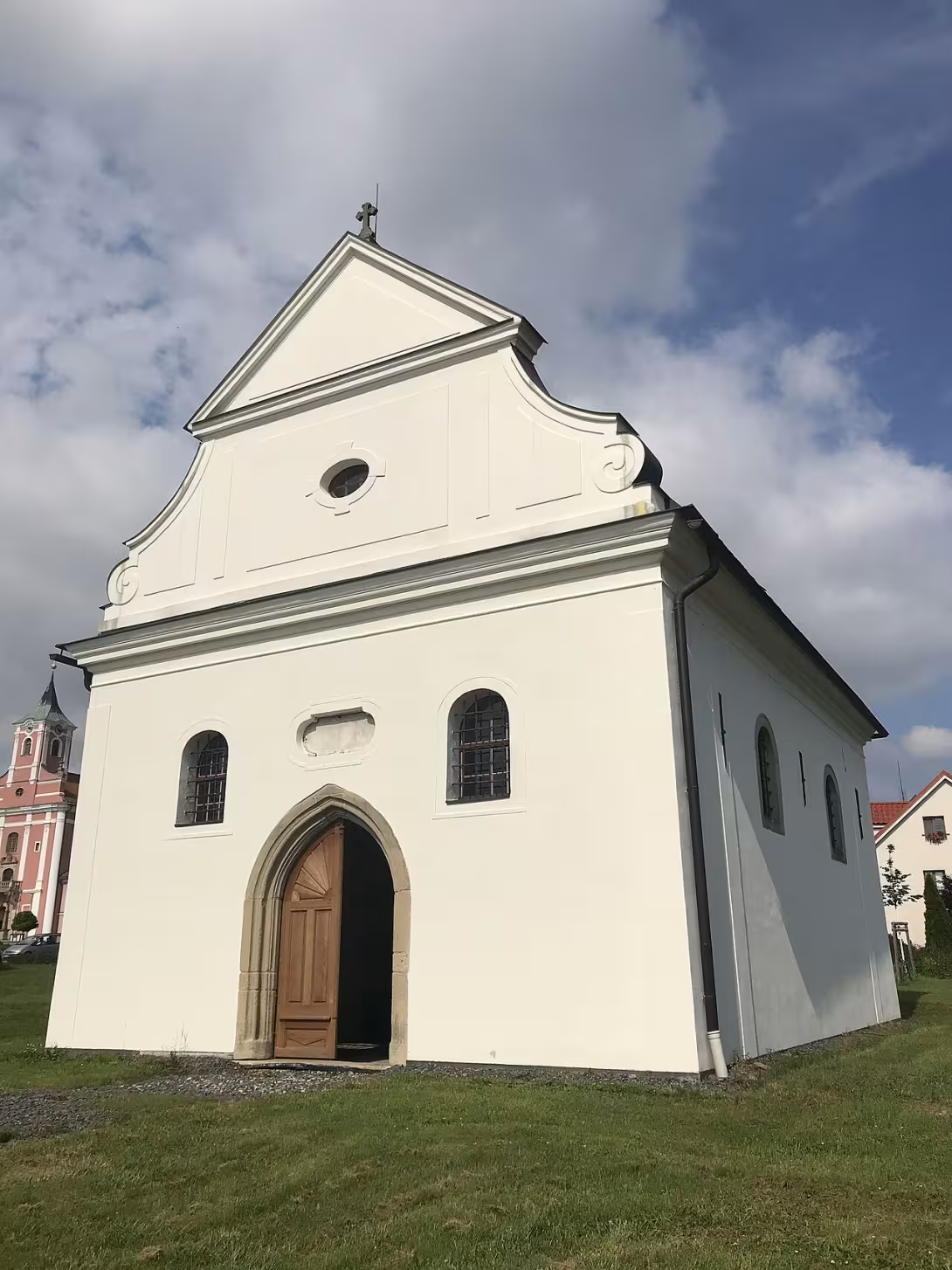
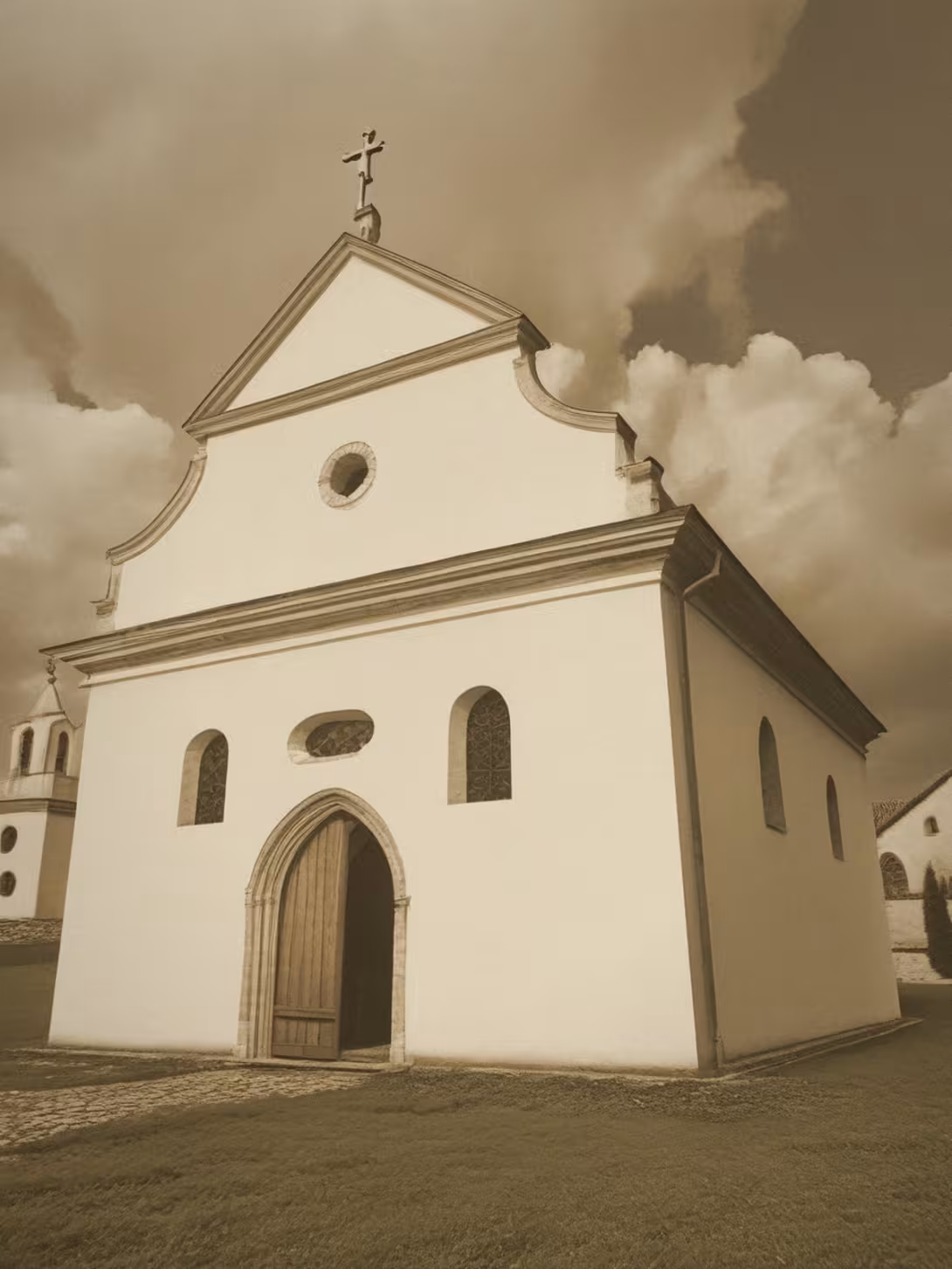
The historical appearance on the left is an AI-generated visualisation and serves as inspiration only.
Historical milestones
- 1391
- First mention of Štíp associated with Ješek ze Šternberka.
- Late 14th century
- Foundation and expansion of the chapel into a Gothic church by the Sternberg family.
- 1609
- Albrecht z Valdštejna married in the chapel.
- 1762
- Josef II secularized the chapel and converted it into a warehouse.
- Late 20th century - early 21st century
- Begun restoration works on the chapel.
Architectural development
The chapel began as a medieval Gothic structure in the late 14th century. It underwent significant changes in the 18th and 19th centuries, including alterations to its nave and roof. The Sternberg family was responsible for its initial expansion into a church, while later modifications were overseen by the Seilern family.
Historical events
1391: First documented mention of Štípa linked with Ješek ze Šternberka's endowment of the local church.
1609: Albrecht z Valdštejna reportedly married at the chapel.
1762: A new pilgrimage church was completed, and the old chapel was repurposed as a storage facility.
Owners
The Sternberg family initially owned and expanded the chapel in the late 14th century. In the 18th century, ownership transitioned to the Seilern family, under whom significant alterations were made. The chapel served as a storage facility after being secularized by Joseph II.
Points of interest
- Despite its initial significance as a pilgrimage site due to the veneration of a Marian statue, the chapel experienced a dramatic shift in purpose when it was secularized by Joseph II and repurposed as a storage facility in 1762.
- The chapel's architectural evolution reflects broader historical trends, with significant modifications made during the 18th and 19th centuries under the ownership of the Seilern family, including changes to its nave and roof design.
- A notable event in the chapel's history is the marriage of Albrecht z Valdštejna in 1609, which underscores its role as a significant community site beyond just religious functions.
- The chapel's connection to the Sternberg family highlights its historical importance; they were instrumental in expanding it into a Gothic church by the end of the 14th century and played a key role in its early development.
- Restoration efforts have been ongoing since 1997, aiming to preserve the chapel's historical and architectural significance after centuries of alterations and secular use.
Guide
This guide is narrated by a synthetic voice generated by artificial intelligence.
Show guide text
This text was created by artificial intelligence and has not been editorially reviewed. It may contain inaccuracies.
Welcome to the Chapel on the Old Cemetery in Štípa, a site rich with history and layered stories. As you stand here at this crossroads in the heart of the village, take a moment to absorb the serene atmosphere surrounding this enduring structure. Originally built as a humble chapel following the discovery of a Marian statue, it has evolved through centuries into what we see today—a testament to both spiritual devotion and historical change.
The origins of this site date back to 1391 when Štípa first appeared in records associated with Ješek ze Šternberka. By the end of the 14th century, the Sternberg family had established a chapel here, which they later expanded into a Gothic church. This transformation was spurred by the veneration of a Marian statue found on this spot—a focal point that drew pilgrims and marked the beginnings of its spiritual significance.
As you look around, notice how the architecture has been shaped over time. The chapel's structure reflects significant alterations in the 18th and 19th centuries, diverging from its original Gothic roots. While specific architectural details are not well-documented, the essence of its historical layers is palpable. Take a moment to appreciate the craftsmanship that has withstood the test of time, even as it bears the marks of different eras.
This chapel holds stories of notable figures who once walked these grounds. Among them was Albrecht z Valdštejna, whose marriage here in 1609 added another layer to its historical tapestry. Yet perhaps one of the most dramatic shifts occurred in 1762 when Emperor Joseph II secularized the chapel, transforming it into a storage facility—a stark departure from its spiritual beginnings.
One intriguing aspect of this site is how it reflects broader historical currents. The transition from a sacred pilgrimage destination to a pragmatic storage space underscores the evolving relationship between society and religious institutions during that period. It's fascinating to consider how such transformations were mirrored across Europe, with many religious sites repurposed for secular needs.
As you continue your exploration of this site, I invite you to delve deeper into its stories. Imagine the lives and events intertwined with this place over the centuries. Whether it's the echoes of pilgrims' prayers or the quiet hum of stored goods in its walls, there is much to discover here.
Thank you for visiting the Chapel on the Old Cemetery in Štípa. I hope this journey through time has enriched your understanding and appreciation of this remarkable site. May your curiosity lead you to uncover more hidden tales as you wander further into history's embrace.
Tips for visitors
The best time to visit the Chapel on the Old Cemetery in Štípa is during late spring or early autumn when the weather is pleasant, making it ideal for exploring the historical site and its surroundings. During these months, you can enjoy comfortable temperatures and often clear skies, which are perfect for walking around the area and appreciating the chapel's architecture without the discomfort of extreme heat or cold.
Always verify current routes and schedules through a reliable transportation search tool before your visit.
When visiting the Chapel on the Old Cemetery in Štípa, consider bringing comfortable walking shoes as there may be uneven paths around the site. A camera is also recommended to capture the chapel's Gothic architecture and the historical gravestones that surround it. Early morning or late afternoon light provides the best conditions for photography, offering softer shadows and a warm glow on the structures.
For families with children, the area surrounding the chapel can be quite engaging. The historical setting offers an educational experience about medieval architecture and local history. Additionally, you might consider planning a visit to nearby attractions within 30 minutes, such as the Church of the Nativity of the Virgin Mary, which is located close by and provides further cultural insights into the region.
Frequently asked questions
Can the monument be visited?
Religious buildings are usually open mainly during services; at other times a visit is normally arranged with the parish or the operator. We have not verified specific times. According to the heritage register restoration is under way, so access may be restricted.
Where is the monument?
Location: Štípa, Zlínský kraj. The map on this page shows the exact spot.
Why is the monument protected?
It is listed in the Central List of Cultural Monuments of the Czech Republic as a cultural monument (register no. 34620/7-1949).
Businesses nearby
Do you run a restaurant, accommodation, shop, museum, rental, wellness or other visitor service near this monument? Show yourself directly to the people heading to it — this is how they will see you in the app and on the web:
Nearby
The chapel stands near the Church of the Nativity of the Virgin Mary, surrounded by what was once a cemetery. The area features historical gravestones arranged according to their original placement.
Accommodation nearby
Trips and activities nearby
Guided tours, tickets and activities nearby from GetYourGuide
Affiliate link: if you buy from the partner, we may receive a commission. The price for you does not change.
Search tours and activities →Themed route
Thematic Walking Tour: Štípa Chapel and Surroundings
1. Hřbitovní Kaple ve Štípě (Chapel) - Type: Historical Religious Site - Why Visit: This charming chapel stands as a testament to the region's rich history, offering visitors a glimpse into its past with its serene architecture and historical gravestones. It is an ideal starting point for exploring the spiritual heritage of Štípa.
2. Church of the Nativity of the Virgin Mary - Type: Church - Why Visit: Located near the chapel, this church provides a deeper understanding of the area's religious significance and architectural evolution over time. Its proximity to the chapel makes it an essential stop for those interested in ecclesiastical history.
3. Historical Gravestones - Type: Cemetery - Why Visit: The surrounding cemetery, with its historically arranged gravestones, offers a poignant reflection on local customs and traditions related to burial practices. Walking through this area allows visitors to connect with the personal stories of those who once called Štípa home.
This tour provides an enriching experience by focusing on the historical and cultural aspects of the chapel's surroundings, ensuring a meaningful exploration of Štípa’s heritage.
Seasonal recommendations
Spring: Visiting the cemetery chapel in Štípa during spring offers a serene experience as nature begins to awaken. The soft light of early morning or late afternoon illuminates the chapel and surrounding grounds, casting gentle shadows that enhance its historical beauty. This is an ideal time for photography enthusiasts who appreciate the subtle interplay between architecture and the budding flora. With fewer visitors compared to summer, it's a perfect opportunity for quiet reflection. However, be prepared for occasional rain showers by wearing layers and bringing waterproof footwear. Early morning visits are recommended when the chapel opens, allowing you to enjoy the tranquility before larger crowds arrive.
Summer: The summer months bring vibrant life to the Štípa cemetery chapel as lush greenery envelops the area in a warm embrace. This season is characterized by long daylight hours, offering ample time for exploration and appreciation of both the chapel's architecture and its natural surroundings. However, it’s also peak tourist season, so expect larger crowds. To avoid the midday heat, plan your visit during the early morning or late afternoon when temperatures are milder. Comfortable walking shoes and light clothing are advisable to navigate the grounds comfortably. Don’t forget to bring a hat and sunscreen for protection against the sun.
Autumn: Autumn transforms the Štípa cemetery chapel into a picturesque setting with its rich palette of reds, oranges, and yellows. The crisp air and golden sunlight create an atmospheric backdrop that enhances the historical charm of the site. This is a particularly magical time to visit, as the falling leaves add a layer of tranquility and beauty. Visitors should dress in layers to accommodate fluctuating temperatures throughout the day. Early mornings or late afternoons are ideal for capturing stunning photos with softer lighting conditions. Be mindful that some pathways may be slippery due to fallen leaves.
Winter: The winter months offer a unique perspective on the Štípa cemetery chapel, as snow blankets the grounds in a quiet, ethereal beauty. The subdued light of shorter days casts long shadows and highlights architectural details against a stark landscape. This is an intimate time for reflection with fewer visitors around. However, it's important to dress warmly in layers, including thermal wear and waterproof outer garments, and wear sturdy boots for walking on potentially icy paths. Visits are best planned during daylight hours when the chapel is open, as opening times may be reduced due to shorter days.
Visualizations and artistic views


The visualisations are generated by artificial intelligence and serve as inspiration.
Photos from the area
Real photos taken near the monument

Zdroj a licence jsou uvedeny u každého snímku.
Tips from visitors
No tips yet. Be the first!
Log in and add your tip.
Sources and literature
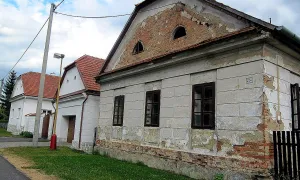
Photos: Janosvoj / CC BY-SA 4.0 — Wikimedia Commons. The author and licence also appear when you hover over the image.
Faktickým podkladem tohoto textu byl článek na Wikipedii, jehož autory jsou přispěvatelé Wikipedie. Článek je dostupný pod licencí CC BY-SA 4.0.
Location on the map


Příběhy a pověsti
Legendy, pověsti a příběhy spjaté s touto památkou

Fotografie návštěvníků
Zatím žádné fotografie. Buďte první, kdo přidá fotografii z návštěvy!
Log in a přidejte svou fotografii nebo hodnoťte.
Za ověřenou návštěvu v aplikaci získáte víc bodů — poznáme podle GPS, že jste na místě.
Reviews and comments