



Hrušovany Castle
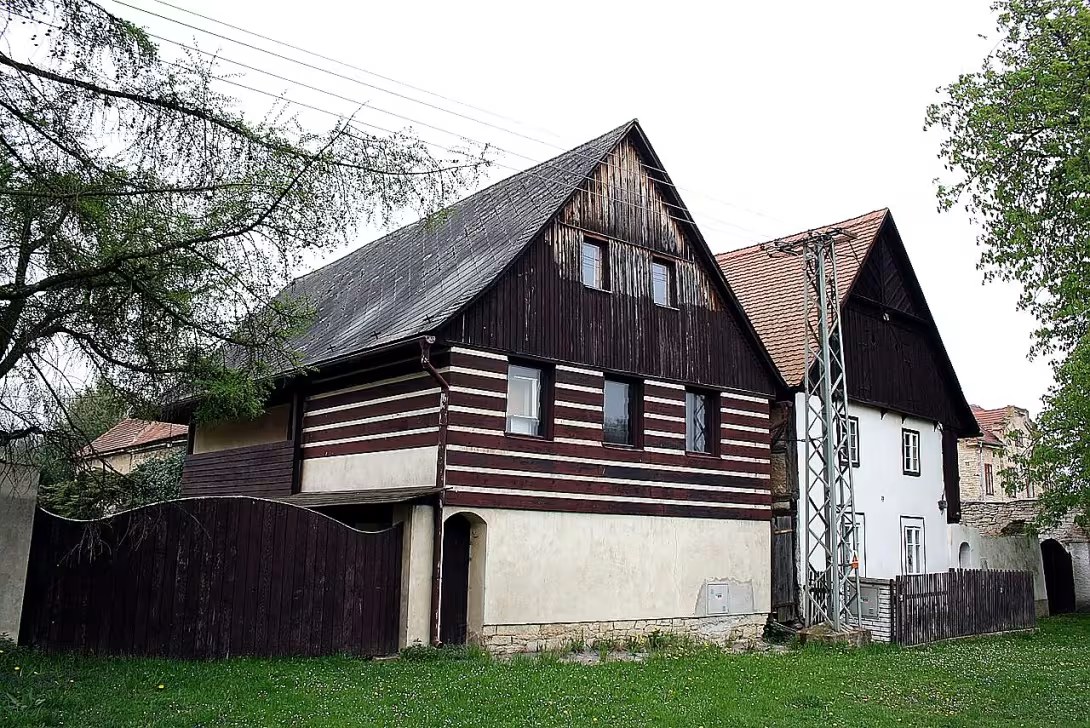
Objekt se nedochoval — na místě dnes nestojí. Následující text popisuje jeho historii, ne současnou návštěvu.
Hrušovany Castle, located near Chomutov in the Ústí nad Labem Region of the Czech Republic, was originally established as a Renaissance fortress at the beginning of the 17th century. The site is notable for its transformation into a Baroque-style castle during the Negroni family's ownership and its historical significance tied to the Bohemian Revolt against Habsburg rule in the early 1600s. Despite its rich history, the castle was demolished in 1966 due to disrepair.
The origins of Hrušovany Castle are rooted in a period marked by significant political and religious upheaval in Bohemia. It began as a Renaissance fortress constructed by Jiří Hochhauser z Hochhausu in 1602. This era coincided with the early stages of the Thirty Years' War, ignited by events such as the Bohemian Revolt against Habsburg authority. The castle's initial purpose was likely defensive and residential for its owner, reflecting the turbulent times.
Architecturally, the castle underwent significant changes over time. Initially built in the Renaissance style, it later transformed into a Baroque-style structure under the Negroni family’s ownership starting in 1655. By 1698, the castle featured an old building alongside new structures such as a noble room and office, with facilities including stables and gardener's quarters. In 1834, modifications included removing its second floor and adding agricultural buildings to the western facade, indicating shifts in use and architectural style.
Ownership of Hrušovany Castle changed hands several times throughout its history. After Jiří Hochhauser z Hochhausu acquired it in 1602, ownership passed to Florián Dětřich Žďárský ze Žďáru in 1623. The castle's involvement in the Bohemian Revolt led to the confiscation of Jan Hochhauser’s property between 1618 and 1620. In 1655, the Negroni family took ownership and initiated Baroque renovations, marking a significant period in its architectural evolution. By 1739, the estate was sold to the city of Chomutov, after which it ceased functioning as a noble seat.
Key events at Hrušovany Castle include Jan Hochhauser’s participation in the Bohemian Revolt, leading to the confiscation of his property during the early stages of the Thirty Years' War. This period was crucial for the castle's history, reflecting broader European conflicts and political shifts. Despite its historical significance, by the mid-20th century, Hrušovany Castle had fallen into disrepair and was ultimately demolished in 1966.
Today, there is no physical structure remaining of Hrušovany Castle due to its demolition. However, its history remains a point of interest for those exploring the region's past. The site offers insights into architectural transformations from Renaissance to Baroque styles and reflects the socio-political dynamics of early modern Bohemia. While visitors cannot explore the castle itself, understanding its historical context enriches appreciation for the area’s cultural heritage.
Hrušovany Castle holds value as a testament to the architectural evolution and historical events that shaped the region. Its story invites reflection on the impact of political upheaval and changing ownership on local landmarks. For those interested in history and architecture, visiting the site where Hrušovany once stood offers an opportunity to connect with the past and appreciate the layers of history embedded in the Czech landscape.
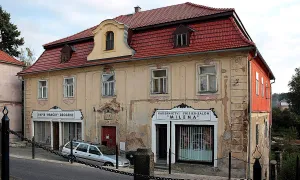
Then and now
Drag the slider to compare how the landmark may have looked when it was built with the view today.
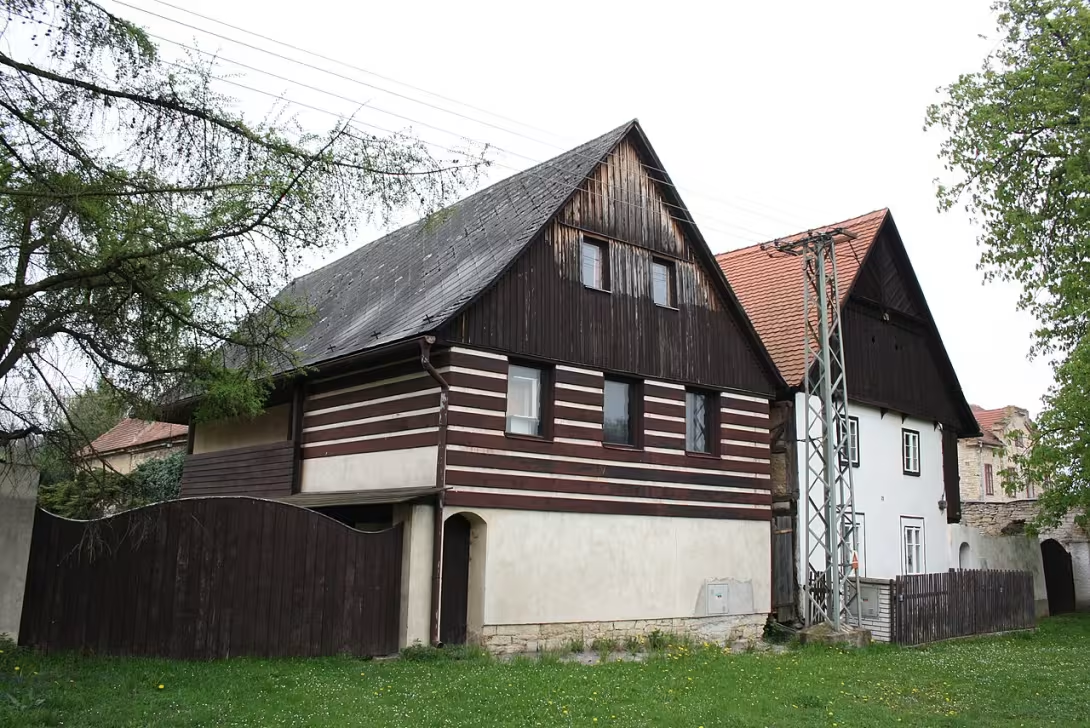
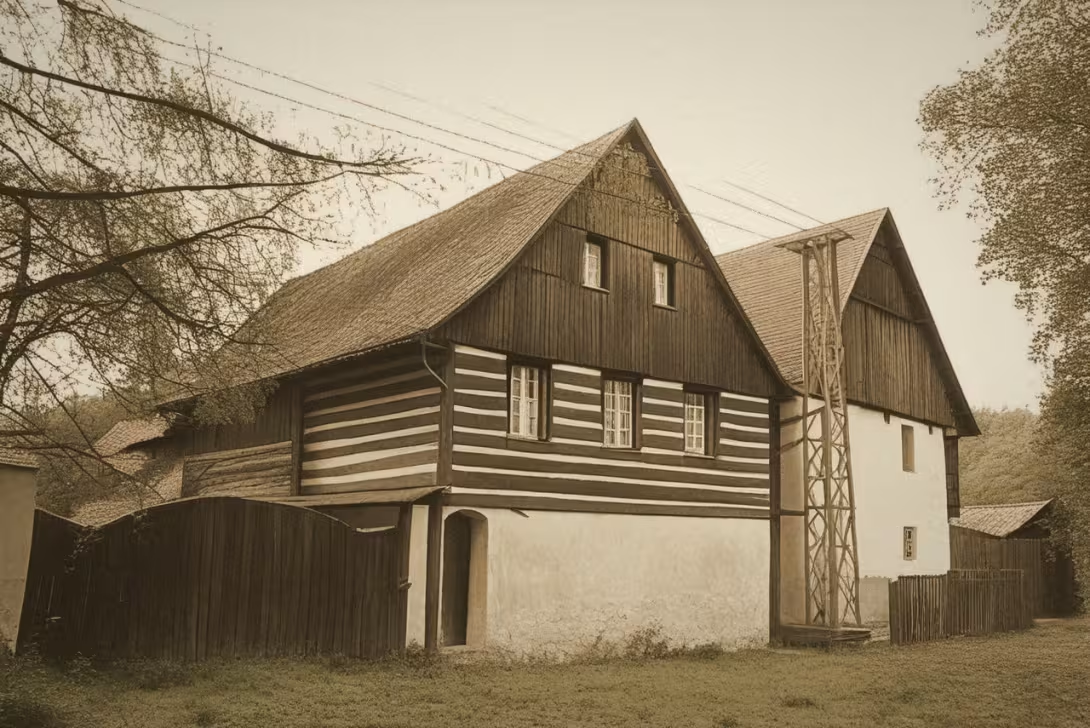
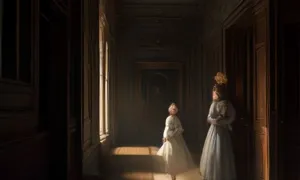
The historical appearance on the left is an AI-generated visualisation and serves as inspiration only.
Historical milestones
- 1602
- Jiří Hochhauser z Hochhausu purchased Hrušovany.
- 1623
- Florián Dětřich Žďárský ze Žďáru acquired the estate.
- 1655
- Negroniové z Riesenbachu became owners, initiating Baroque renovations.
- 1739
- The castle was sold to the city of Chomutov and ceased being a noble seat.
Architectural development
The original Renaissance fortress built by Jiří Hochhauser was later transformed into a Baroque-style castle under the Negroni family. By 1698, it featured an old building, new structures including a noble room and office, and facilities like stables and gardener's quarters. In 1834, its second floor was removed, and agricultural buildings were added to the western facade.
Historical events
1618–1620: Jan Hochhauser participated in the Bohemian Revolt, leading to confiscation of his property.
1966: The castle was demolished.
Owners
1602: Jiří Hochhauser z Hochhausu
1623: Florián Dětřich Žďárský ze Žďáru
1655 onwards: Negroniové z Riesenbachu
1739: Sold to the city of Chomutov
Points of interest
- Hrušovany Castle's transformation from a Renaissance fortress to a Baroque-style castle was initiated by the Negroni family in 1655. This architectural evolution reflects broader European trends during that era.
- The castle played a role in the Bohemian Revolt against Habsburg rule, leading to the confiscation of Jan Hochhauser’s property between 1618 and 1620. This event highlights its involvement in significant early modern European conflicts.
- Despite its historical importance, by the mid-20th century, the castle had deteriorated significantly, resulting in its demolition in 1966. Its absence today underscores the challenges of preserving medieval structures over centuries.
- In 1834, Hrušovany Castle underwent modifications that included removing its second floor and adding agricultural buildings to the western facade, indicating a shift from residential to more utilitarian use.
- After being sold to the city of Chomutov in 1739, Hrušovany ceased functioning as a noble seat. This change marked the end of an era for the castle's role within Bohemian aristocracy and local governance.
Guide
This guide is narrated by a synthetic voice generated by artificial intelligence.
Show guide text
This text was created by artificial intelligence and has not been editorially reviewed. It may contain inaccuracies.
Welcome to the historic site of Hrušovany Castle, nestled in the picturesque village of Hrušovany in the Ústecký kraj region. As you stand here before this remarkable structure, imagine yourself stepping back into a time when castles were not just homes but symbols of power and artistry.
The story of Hrušovany begins at the dawn of the 17th century, initially conceived as a Renaissance fortress in 1602 by Jiří Hochhauser z Hochhausu. This period was marked by significant cultural shifts across Europe, with the Renaissance leaving an indelible mark on architecture and society alike. The castle's early form reflected these changes, embodying both strength and elegance.
As you look around, notice how the castle's architecture has evolved over time. Originally a fortress, it underwent a remarkable transformation in 1655 under the ownership of the Negroni family, who initiated renovations to convert it into a Baroque-style castle. This change was part of broader European trends during that era, where the ornate and dramatic elements of the Baroque style began to dominate.
Take a moment to appreciate the intricate details around you. The grandeur of the Baroque period is evident in the symmetry and elaborate designs that characterize this site. While specific architectural features may not be visible today due to its current state, the essence of its historical transformation from Renaissance to Baroque remains palpable.
Throughout its history, Hrušovany has been home to several notable figures. After Jiří Hochhauser z Hochhausu's initial acquisition, Florián Dětřich Žďárský ze Žďáru took ownership in 1623. However, it was the arrival of the Negroniové z Riesenbachu in 1655 that marked a significant turning point for the castle, with their renovations setting the stage for its Baroque transformation.
One intriguing aspect of Hrušovany's past is its involvement in the Bohemian Revolt against Habsburg rule. This period was tumultuous, and castles like Hrušovany played crucial roles as strategic sites during these conflicts. The echoes of history resonate here, reminding us of the castle’s importance beyond just a noble seat.
By 1739, the castle ceased to be a noble residence when it was sold to the city of Chomutov. This marked the beginning of its transition from an estate to serving agricultural purposes, illustrating how even grand structures can adapt over time to meet changing societal needs.
As you continue your exploration, let yourself be drawn into the stories embedded within these walls. Each stone and pathway holds tales of resilience, transformation, and adaptation through centuries of change.
We invite you to delve deeper into Hrušovany's rich history as you wander its grounds. Whether it’s imagining the bustling life that once filled this space or pondering over the architectural decisions made by those who shaped its destiny, there is much to discover here.
Thank you for joining us on this journey through time at Hrušovany Castle. We hope your visit has been enlightening and inspiring, leaving you with a deeper appreciation of this remarkable historical site.
Businesses nearby
Do you run a restaurant, accommodation, shop, museum, rental, wellness or other visitor service near this monument? Show yourself directly to the people heading to it — this is how they will see you in the app and on the web:
Events nearby

Zdroj akcí: otevřená data měst a obcí ČR (Národní katalog otevřených dat) a kalendář akcí Národního památkového ústavu.
Nearby
Hrušovany is located near the village of Hrušovany and close to Chomutov. The surrounding landscape includes typical Bohemian countryside features, with no other major monuments within a 5 km radius.
Visualizations and artistic views


The visualisations are generated by artificial intelligence and serve as inspiration.
Photos from the area
Real photos taken near the monument


Zdroj a licence jsou uvedeny u každého snímku.
Tips from visitors
No tips yet. Be the first!
Log in and add your tip.
Sources and literature
Faktickým podkladem tohoto textu byl článek na Wikipedii, jehož autory jsou přispěvatelé Wikipedie. Článek je dostupný pod licencí CC BY-SA 4.0.
Location on the map

Příběhy a pověsti
Legendy, pověsti a příběhy spjaté s touto památkou
Fotografie návštěvníků
Zatím žádné fotografie. Buďte první, kdo přidá fotografii z návštěvy!
Log in a přidejte svou fotografii nebo hodnoťte.
Za ověřenou návštěvu v aplikaci získáte víc bodů — poznáme podle GPS, že jste na místě.
Reviews and comments